
For anyone considering a long-term stay or investment in real estate within the Sunshine State, the longevity and resilience of a roof are paramount. Florida‘s unique climate presents a formidable challenge to any building material, especially roofing. From relentless sun and humidity to powerful hurricanes and salty coastal air, the conditions are designed to test durability. A metal roof, often touted for its lifespan, offers a compelling solution for property owners seeking robust, low-maintenance accommodation. Understanding how long a metal roof truly lasts in Florida is crucial for budgeting, property value assessment, and ensuring peace of mind for decades.

The Unique Climatic Gauntlet of Florida
Florida’s geographical position and subtropical climate are both its allure and its greatest test for construction materials. For long-term accommodation providers and residents, this means carefully considering every component, especially the roof, which bears the brunt of environmental stress.
Humidity and Heat
The state is famous for its high humidity and intense heat, which prevail for much of the year. This constant exposure to moisture, combined with significant temperature fluctuations between day and night, can accelerate the degradation of many traditional roofing materials. UV radiation from the powerful sun also causes materials to break down, fade, and become brittle over time. Metal roofs, particularly those with advanced coatings, are designed to reflect a significant portion of solar radiation, mitigating heat absorption and resisting UV degradation far better than asphalt shingles. This reflective quality is not only crucial for the roof’s lifespan but also contributes to the energy efficiency of the accommodation below, a significant draw for long-term residents.
Hurricane Season and High Winds
Perhaps the most significant challenge for Florida roofs is the annual hurricane season. From June 1st to November 30th, the state is vulnerable to tropical storms and hurricanes that bring torrential rain and extremely high winds. Traditional shingle roofs are particularly susceptible to wind uplift, leading to detached shingles and subsequent water intrusion. Metal roofs, especially those installed as standing seam systems, are renowned for their exceptional wind resistance. Their interlocking panel design and robust fastening methods make them highly resistant to wind uplift, often rated to withstand winds exceeding 150 mph. This inherent strength significantly reduces the risk of catastrophic roof failure during severe weather, protecting the property and its occupants for the long term.
Salty Air in Coastal Areas
For properties along Florida’s extensive coastline, an additional environmental factor comes into play: saltwater corrosion. The constant exposure to salt-laden air can quickly rust and deteriorate unprotected metal surfaces. However, metal roofs designed for coastal environments, such as those made from aluminum or coated steel (e.g., Galvalume or specialized Kynar 500 finishes), offer superior corrosion resistance. These materials and coatings create a protective barrier that shields the metal from the corrosive effects of salt, ensuring that coastal accommodations maintain their structural integrity and aesthetic appeal for decades. Cities like Miami, Tampa, and Jacksonville, with their significant coastal exposure, benefit immensely from these specialized metal roofing solutions.
Key Factors Influencing Metal Roof Lifespan
While metal roofs are generally durable, their exact lifespan in Florida can vary significantly based on several critical factors. For property owners, understanding these elements is vital for making an informed investment in long-term accommodation.
Material Type and Quality
The type of metal used plays a pivotal role.
- Aluminum: Lightweight, rust-proof, and excellent for coastal environments. Can last 50-70+ years.
- Steel (Galvalume or Galvanized): Very strong and durable, often coated for corrosion resistance. Can last 40-60+ years.
- Copper: Highly durable, develops a protective patina over time, extremely long-lasting. Can last 80-100+ years, but is significantly more expensive.
- Zinc: Similar to copper in longevity and patina development, lasting 80-100+ years.
High-quality materials, regardless of the metal type, will inherently perform better and last longer than cheaper, thinner alternatives. The gauge (thickness) of the metal also contributes to its durability and resistance to impact.
Installation Quality
Even the best metal roof material will underperform if not installed correctly. Proper installation, adhering to manufacturer specifications and local building codes, is paramount. This includes correct fastening techniques, appropriate flashing around penetrations (vents, chimneys), and precise panel alignment to ensure watertightness and wind resistance. A poorly installed metal roof can lead to leaks, panel detachment, and premature failure, severely shortening its lifespan and negating the benefits of the material. Hiring experienced, certified metal roofing contractors who understand Florida‘s specific building requirements and hurricane-zone standards is crucial for any long-term accommodation property.
Coating and Finish
The protective coating applied to metal roof panels is a significant determinant of their lifespan, particularly in Florida’s harsh environment. High-performance coatings like Kynar 500 (PVDF) or SMP (Siliconized Modified Polyester) offer superior resistance to UV degradation, fading, chalking, and corrosion. These coatings not only preserve the aesthetic appeal of the roof but also act as a sacrificial layer, protecting the underlying metal from environmental damage. The quality and thickness of the coating directly impact how long the roof maintains its protective properties and visual integrity.
Maintenance Regimen
While metal roofs are known for being low-maintenance, they are not maintenance-free. Regular inspection and minor upkeep can significantly extend their lifespan. This includes:
- Cleaning: Removing debris, leaves, and dirt to prevent water pooling and mildew growth.
- Inspecting Fasteners: Ensuring all screws and clips are secure and replacing any that are rusted or loose.
- Checking Sealants and Flashing: Verifying that all seals around penetrations are intact to prevent leaks.
- Addressing Scratches: Promptly repairing any significant scratches in the coating to prevent corrosion of the exposed metal.
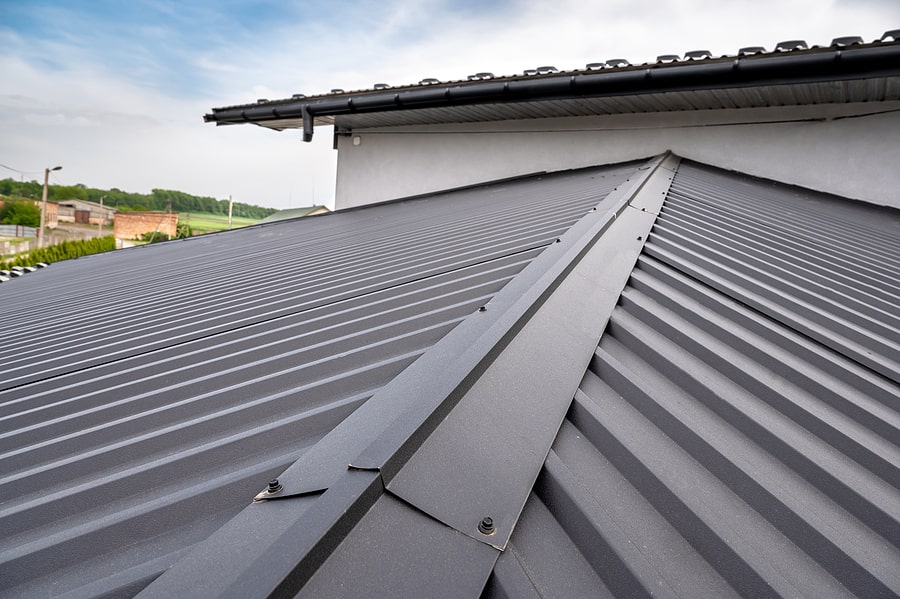
A proactive maintenance approach for an accommodation property ensures that minor issues are addressed before they escalate into costly repairs, thereby maximizing the roof’s overall longevity.
Expected Lifespans of Metal Roof Types in Florida
Considering Florida’s challenging environment, here’s a realistic expectation for different metal roof types:
High-End Materials (Copper, Zinc, High-Grade Aluminum)
These materials offer the longest lifespans, typically ranging from 70 to 100+ years. Their inherent corrosion resistance and robust nature make them ideal for the most demanding conditions, including coastal properties. While the initial investment is higher, their unparalleled durability and minimal maintenance often result in the lowest life-cycle cost for long-term accommodation.
Coated Steel (Galvalume, Galvanized) and Mid-Range Aluminum
With proper installation and good quality coatings (like Kynar 500), these roofs can comfortably last 40 to 60+ years in Florida. They provide an excellent balance of cost, performance, and aesthetic options. This category is very popular for residential and commercial accommodations across the state, from Orlando to Fort Lauderdale.
Metal Shingles and Lower-Gauge Steel
These options, while still outperforming traditional asphalt shingles, may have a slightly shorter lifespan due to design or material thickness. Expect 30 to 50 years. They often mimic the look of traditional shingles but offer superior durability and wind resistance.
It’s important to note that these figures assume professional installation, appropriate material selection for the specific Florida environment (e.g., aluminum or Kynar-coated steel for coastal areas), and a reasonable degree of maintenance.
The Long-Term Accommodation Advantage of Metal Roofing
Beyond sheer longevity, metal roofs offer distinct advantages for properties intended for long-term accommodation in Florida.
Reduced Life-Cycle Costs
While the initial investment for a metal roof is higher than for asphalt shingles, its extended lifespan dramatically reduces the frequency of roof replacements. Over a 50-year period, a property with an asphalt shingle roof might undergo 2-3 replacements, each incurring significant material and labor costs. A metal roof, lasting 50+ years, often requires only one installation, leading to substantial savings over the property’s lifespan. This makes metal roofing a fiscally responsible choice for long-term property ownership.
Enhanced Property Value and Appeal
The durability, energy efficiency, and modern aesthetic of a metal roof significantly enhance a property’s market value. Potential buyers or long-term renters in Florida often view a metal roof as a premium feature, signifying lower maintenance burdens and greater protection against the elements. This can be a key differentiator in a competitive real estate market, improving the property’s appeal and commanding higher prices or rental rates.
Superior Energy Efficiency
Metal roofs, particularly those with light-colored or reflective coatings, significantly reduce heat gain within the building. By reflecting solar radiation, they keep the interior cooler, reducing the workload on air conditioning systems. This translates directly into lower utility bills for tenants or property owners, a highly attractive benefit in Florida’s hot climate. Lower operating costs make a property more desirable for long-term occupation.
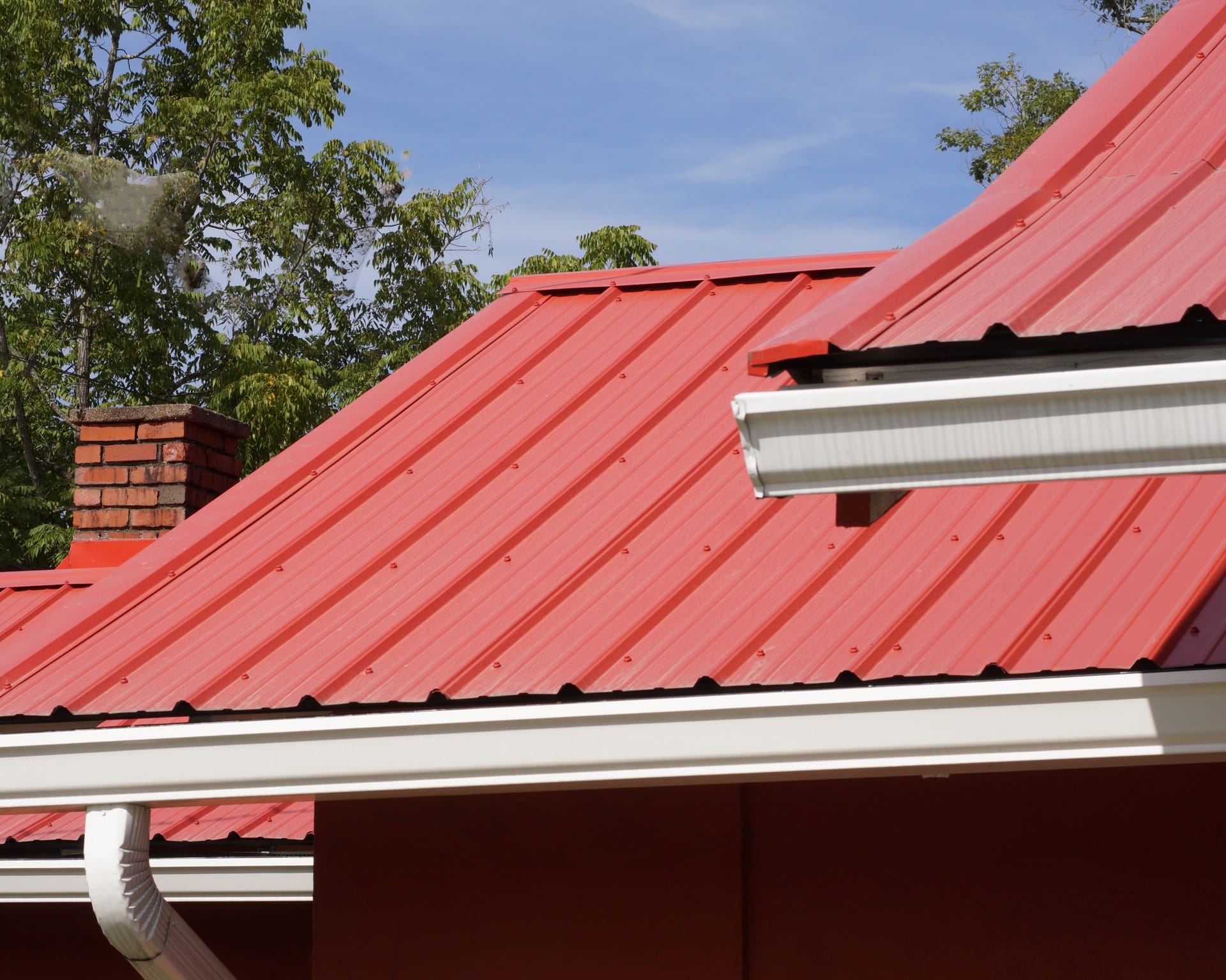
Unmatched Resilience and Protection
For properties in hurricane-prone Florida, the superior wind uplift and impact resistance of metal roofs offer unparalleled protection. This resilience not only safeguards the structural integrity of the accommodation but also provides peace of mind for residents. Reduced risk of damage means fewer disruptions, less stress, and potentially lower insurance premiums over the long run, contributing to a stable and secure long-term living environment.
In conclusion, a metal roof in Florida, when properly selected and installed, represents a sound investment for any long-term accommodation. Its exceptional lifespan, ranging from 30 to over 100 years depending on the material and care, provides enduring protection, significant cost savings over time, and enhanced property value, making it a clear winner in the state’s challenging climate.
LifeOutOfTheBox is a participant in the Amazon Services LLC Associates Program, an affiliate advertising program designed to provide a means for sites to earn advertising fees by advertising and linking to Amazon.com. Amazon, the Amazon logo, AmazonSupply, and the AmazonSupply logo are trademarks of Amazon.com, Inc. or its affiliates. As an Amazon Associate we earn affiliate commissions from qualifying purchases.