
Navigating the complexities of immigration law and reporting procedures in Texas can be a daunting task. While the primary responsibility for immigration enforcement lies with federal agencies, state and local governments, particularly in Texas, have taken steps to address concerns related to unauthorized immigration. Understanding the appropriate channels and methods for reporting can ensure that any concerns are addressed through the correct legal frameworks. This guide aims to provide clarity on the available avenues, emphasizing the importance of adhering to established legal processes.
Understanding Federal vs. State Roles in Immigration Enforcement
It is crucial to distinguish between the roles of federal and state authorities concerning immigration matters. The United States has a bifurcated system where federal agencies, primarily U.S. Customs and Border Protection (CBP) and U.S. Immigration and Customs Enforcement (ICE), are tasked with enforcing federal immigration laws. This includes border security, interior enforcement, and the processing of individuals who have entered the country without authorization.
Federal Agency Responsibilities
CBP is responsible for preventing the illegal trafficking of people and contraband into the United States, and it operates at the nation’s borders and ports of entry. ICE, on the other hand, focuses on enforcing immigration laws within the interior of the United States. This includes identifying, apprehending, and detaining individuals who are in violation of immigration laws, as well as deporting them. ICE also investigates immigration-related crimes, such as human smuggling and document fraud.
The Role of Texas
In Texas, concerns about unauthorized immigration have led to increased state-level involvement, though direct enforcement of federal immigration law by state agencies is limited. Texas has implemented various initiatives and strategies aimed at addressing the challenges associated with unauthorized immigration, often in collaboration with or in response to federal actions. These initiatives can range from increased border security measures funded by the state to information-sharing agreements between state and federal law enforcement.
Channels for Reporting Immigration Concerns in Texas
While direct reporting of individuals to state agencies for immigration violations is not the standard procedure, there are specific avenues through which concerns related to immigration can be brought to the attention of the relevant authorities, primarily federal ones. It is important to note that Texas law and policies regarding the reporting of unauthorized immigration have evolved, and individuals should consult the most current official resources for accurate guidance.
Reporting to Federal Agencies
The most direct and legally appropriate way to report suspected violations of federal immigration law is through the designated federal agencies.
U.S. Immigration and Customs Enforcement (ICE)
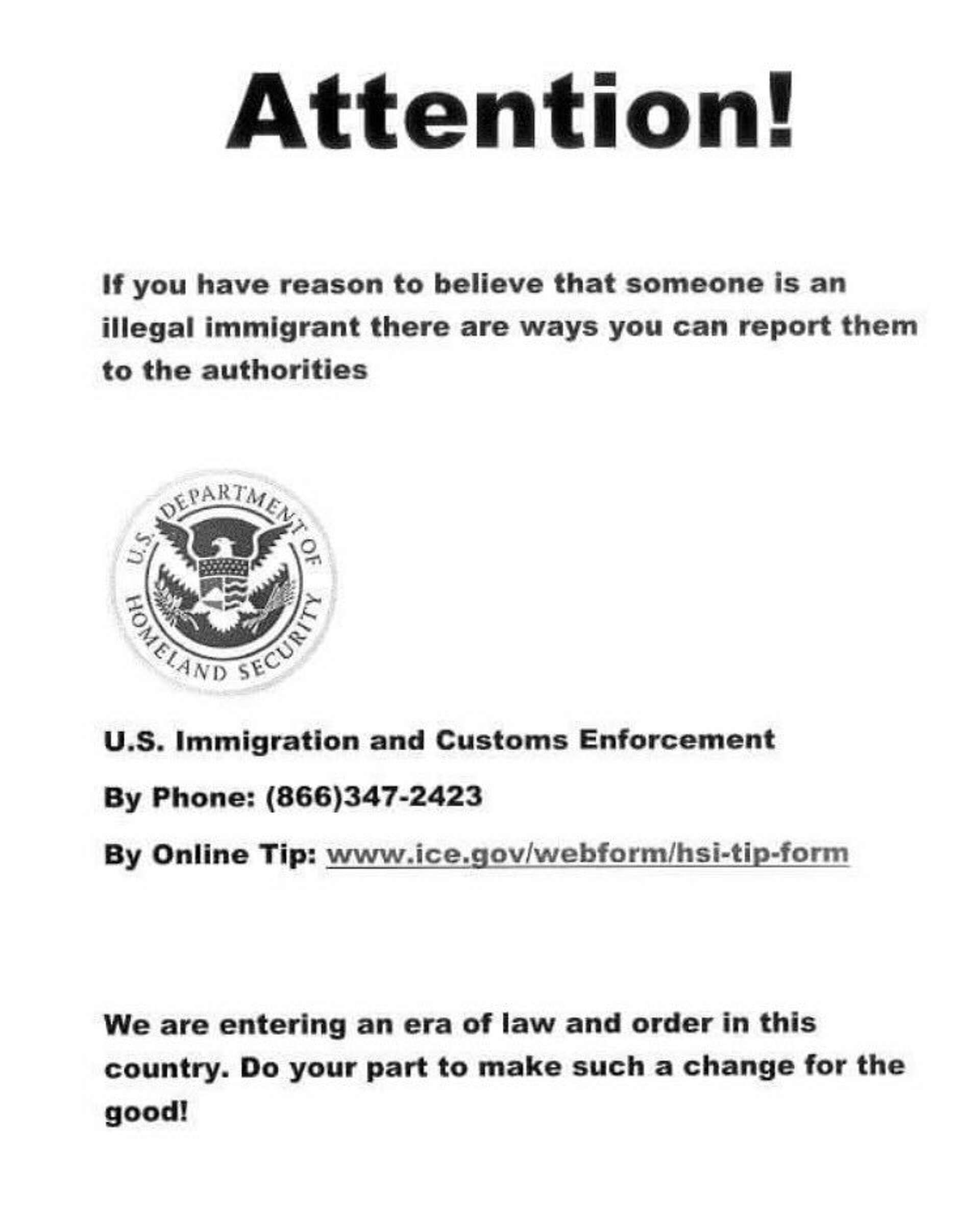
ICE is the primary federal agency responsible for enforcing immigration laws within the United States. If you have information about alleged violations of immigration laws, such as individuals residing in the United States without legal status who may be involved in criminal activity or pose a national security threat, you can report this information to ICE.
- Online Tip Form: ICE provides an online tip form on its official website, which is a secure and confidential way to submit information. This form allows you to provide details about the individuals or activities you wish to report, including names, addresses, and any relevant circumstances.
- Toll-Free Tip Line: ICE also operates a toll-free tip line that individuals can call to report information. The specifics of this number can be found on the official ICE website. When using the tip line, be prepared to provide as much detail as possible.
- Contacting Local Field Offices: ICE has field offices across the country, including in Texas. If you have detailed information that you believe requires immediate attention, you may consider contacting the nearest ICE Enforcement and Removal Operations (ERO) field office directly.
It is essential to provide accurate and factual information when reporting to ICE. False reporting can have serious consequences. The information you provide is used by ICE to investigate potential violations of immigration law.
U.S. Customs and Border Protection (CBP)
While CBP primarily focuses on border security, there are instances where reporting to CBP might be relevant, particularly if the information pertains to illegal border crossings or smuggling activities occurring near the border.
- Online Reporting: Similar to ICE, CBP may offer online portals or forms for reporting suspicious activities related to border security.
- Contacting Border Patrol Sectors: CBP is organized into sectors responsible for different geographical areas along the border. If you are located near the border and have information about illegal entries or smuggling, you can contact the relevant CBP Border Patrol sector.
State and Local Law Enforcement Collaboration
In Texas, state and local law enforcement agencies may have limited roles in immigration enforcement, often acting in a supporting capacity to federal authorities or addressing issues that intersect with state laws.
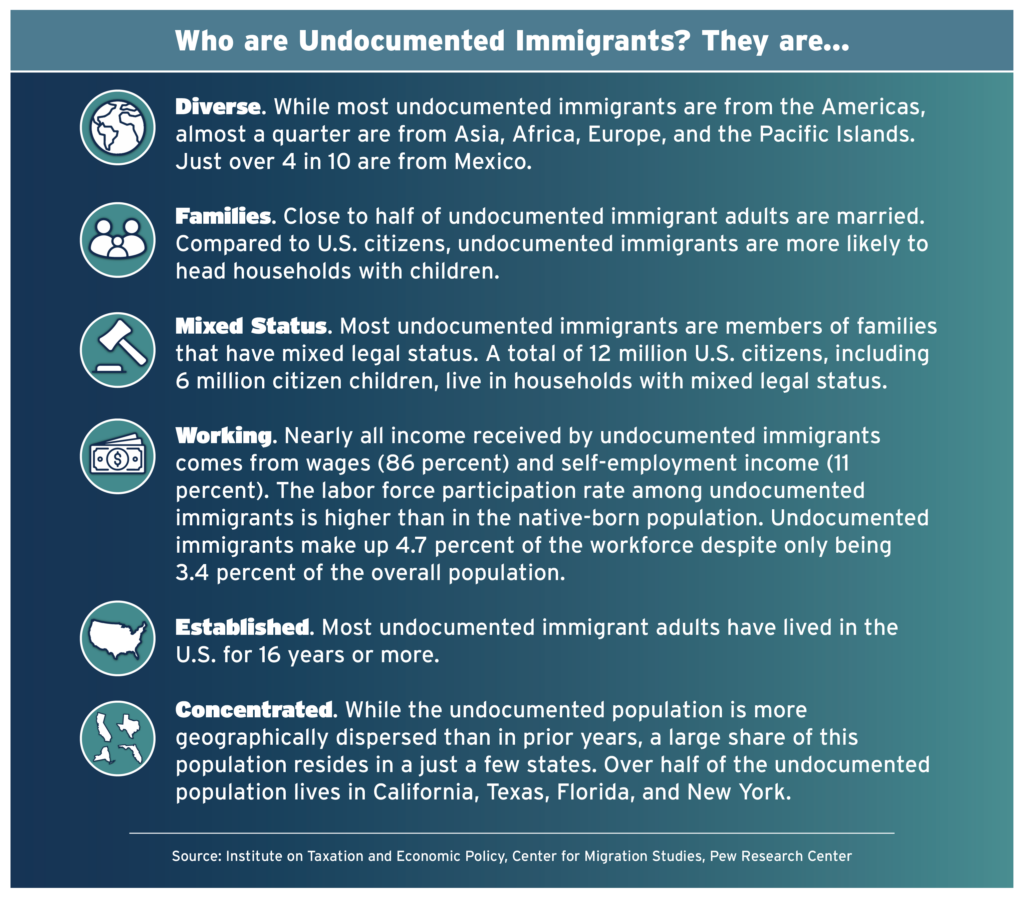
- Reporting Criminal Activity: If the individuals you wish to report are engaged in criminal activity that violates state laws, you should report this to your local police department or county sheriff’s office. These agencies are responsible for enforcing state and local laws. While they may inquire about immigration status during an investigation into a crime, their primary focus will be on the criminal offense itself.
- Operation Lone Star: Texas has implemented initiatives like Operation Lone Star, which involves state resources to address border security and immigration-related issues. While this operation involves state law enforcement, the reporting mechanisms are generally integrated with federal efforts or focus on specific state crimes. Information on how to report concerns related to this operation can be found through official Texas state government channels.
- Information Sharing: It is important to understand that under federal law, local law enforcement agencies are generally prohibited from arresting individuals solely on immigration charges. However, they may collaborate with federal agencies and share information through formal agreements.
What Information is Helpful When Reporting?
To ensure that any report is effective and actionable, providing comprehensive and accurate information is key. When reporting suspected immigration violations, consider including the following details:
Personal Information of the Subject (If Known)
- Full Name: If you know the name of the individual(s) you are reporting.
- Aliases: Any known nicknames or alternative names used.
- Date of Birth: If available.
- Nationality/Country of Origin: If known.
- Physical Description: Height, weight, hair color, eye color, distinguishing marks (scars, tattoos).
- Photographs: If you have recent, clear photographs, these can be extremely helpful.
Location and Activities
- Current Address: Where the individual(s) reside or are known to frequent.
- Place of Employment: If you know where they work.
- Description of Activities: What specific activities are you reporting? (e.g., illegal entry, harboring unauthorized immigrants, document fraud, criminal activity).
- Frequency and Duration of Activities: How often do these activities occur, and for how long?
- Vehicles Used: Make, model, color, and license plate number of any vehicles associated with the activity.
Your Information (Optional but Recommended for Follow-up)
- Your Name and Contact Information: While many reporting mechanisms allow for anonymous tips, providing your contact information can allow investigators to follow up with you for clarification or additional details if needed. Your identity will typically be kept confidential.
- Your Relationship to the Subject: Are you a neighbor, coworker, acquaintance, or stranger?
Legal and Ethical Considerations
When considering reporting immigration-related concerns, it is vital to be aware of the legal and ethical implications.
Accuracy and Truthfulness
Providing false information to federal law enforcement agencies is a serious offense and can lead to penalties. Ensure that the information you report is based on your direct knowledge and observations, not on rumors or speculation.
Privacy and Due Process
The United States legal system is built on principles of due process. Individuals are presumed innocent until proven guilty, and immigration enforcement is conducted under established legal procedures. Reporting should be done with the understanding that these procedures are in place to protect individual rights.
Avoiding Vigilantism
It is important to refrain from taking matters into your own hands or engaging in any actions that could be construed as vigilantism. The responsibility for enforcing immigration laws rests with trained law enforcement professionals. Your role is to provide information to the appropriate authorities.
Impact on Communities
Reports of immigration violations can have significant impacts on individuals, families, and communities. It is important to consider the potential consequences of your actions and ensure that your reporting is done in good faith and based on genuine concerns about legal compliance.

Conclusion
Reporting immigration-related concerns in Texas is primarily directed towards federal agencies like U.S. Immigration and Customs Enforcement (ICE) and U.S. Customs and Border Protection (CBP). These agencies are equipped to handle such matters within the framework of federal immigration law. While state and local law enforcement in Texas are involved in addressing public safety and criminal activity, their jurisdiction in immigration matters is typically supportive or focused on crimes that violate state laws. By understanding the distinct roles of federal and state entities and by utilizing the correct reporting channels, individuals can ensure that their concerns are addressed appropriately and legally within the complex landscape of immigration policy in Texas. Always refer to the official websites of ICE, CBP, and relevant Texas state agencies for the most up-to-date information and procedures.
LifeOutOfTheBox is a participant in the Amazon Services LLC Associates Program, an affiliate advertising program designed to provide a means for sites to earn advertising fees by advertising and linking to Amazon.com. Amazon, the Amazon logo, AmazonSupply, and the AmazonSupply logo are trademarks of Amazon.com, Inc. or its affiliates. As an Amazon Associate we earn affiliate commissions from qualifying purchases.