
When embarking on a journey to the Grand Canyon State, or simply engaging in conversations about its unique character and inhabitants, one question often arises: what exactly are people from Arizona called? While seemingly straightforward, the answer touches upon regional identity, colloquialisms, and the very spirit of this Southwestern gem. The most common and widely accepted term is simply “Arizonans.” This designation is straightforward, akin to how residents of California are called Californians or those from Texas are Texans. It’s a direct and accurate descriptor that serves well in most contexts, whether discussing local politics, cultural trends, or the vibrant tapestry of life in the state’s diverse cities and landscapes.

However, like many places with rich histories and distinct regional flavors, Arizona also has its share of informal or less common terms. Understanding these nuances can offer a deeper appreciation for the state’s identity and the way its people refer to themselves and their home. This exploration delves into the primary designation and touches upon the broader context of identity within Arizona, offering insights that are particularly relevant for travelers seeking to connect authentically with the local culture and for those planning a visit to its breathtaking destinations.
The Dominant Designation: Arizonans
The term “Arizonans” is the most prevalent and officially recognized nomenclature for individuals residing in or originating from the state of Arizona. This term is not only widely used by the residents themselves but is also the standard employed by media outlets, government bodies, and educational institutions. Its widespread adoption ensures clarity and avoids confusion, making it the go-to label for anyone wishing to refer to the people of Arizona.
Etymology and Usage
The origin of the term is as straightforward as its usage. It is derived directly from the state’s name, “Arizona,” with the addition of the common suffix “-an” to denote inhabitants, a practice seen in many other place names. This linguistic convention creates a universally understood term.
When planning a trip to Arizona, understanding this term is crucial for engaging in respectful and informed dialogue. For instance, when researching popular attractions like the Grand Canyon National Park, you might come across articles discussing the experiences of “Arizonans” who frequent the park, or hear locals share their favorite viewpoints. Similarly, when exploring the culinary scene in Phoenix or Tucson, understanding that “Arizonans” have distinct preferences and traditions adds another layer to the travel experience.
Regional Identity Within Arizona
While “Arizonans” is the overarching term, the state’s vastness and diverse geography foster strong regional identities. Someone from the cooler, mountain-filled northern regions, perhaps near Flagstaff, might feel a different connection to their home than someone from the sun-baked desert plains of the south, near the border with Mexico. This internal diversity doesn’t typically manifest in different names for the people, but rather in subtle differences in dialect, cultural practices, and local pride.
For travelers, recognizing this internal diversity can enhance their visit. Understanding that Phoenix and Tucson have their own distinct vibes, or that the historic mining towns in Central Arizona have a character all their own, allows for a more nuanced appreciation of the state. When you encounter locals sharing their stories, you’ll notice how they often frame their experiences through the lens of their specific region, even while acknowledging their shared identity as “Arizonans.”
Exploring the Nuances: Beyond the Common Term
While “Arizonans” is the standard, the exploration of regional identity in Arizona occasionally brings forth less common or informal references. These might arise in specific local contexts or as colloquialisms. Understanding these can provide a richer, more intimate perspective on the state and its people, especially for those who wish to go beyond the surface-level tourist experience.
Colloquialisms and Local Flavor
In certain informal settings, you might hear locals refer to themselves or each other with terms that reflect a sense of rootedness or a particular lifestyle associated with Arizona. For instance, due to the state’s iconic desert landscape and warm climate, terms that evoke images of the desert or the “Old West” might occasionally surface. However, these are generally not widely used or adopted as formal identifiers. They are more akin to inside jokes or community-specific descriptors.
For a traveler, paying attention to these subtle linguistic cues can be a rewarding experience. It might involve overhearing conversations in a local diner in Sedona, or during a guided tour of historical sites like Tombstone. These informal references often carry a sense of pride and belonging, reflecting a deep connection to the land and its heritage. It’s important to note that these are not meant to replace “Arizonans” but rather to add a layer of local color and informality.
Historical and Cultural Context
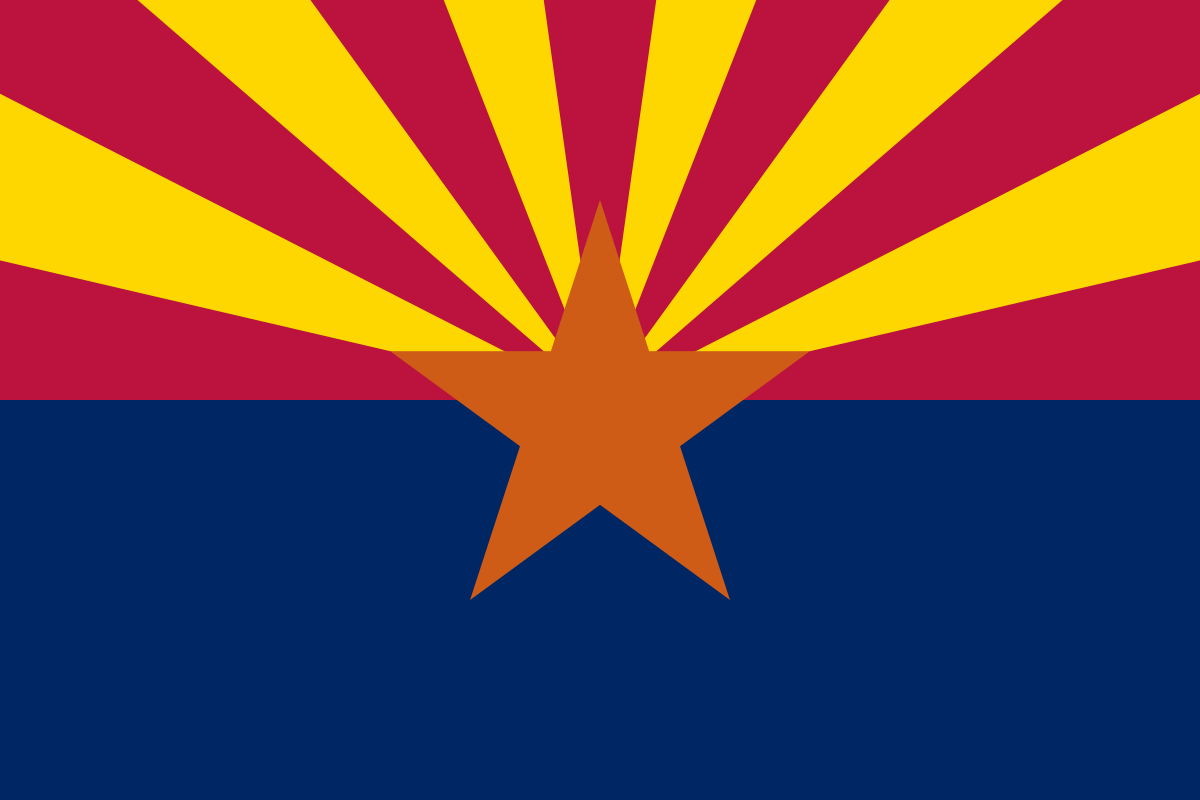
Arizona’s history is a rich tapestry woven from Native American cultures, Spanish colonial influences, and the frontier spirit of American westward expansion. While these historical threads shape the identity of “Arizonans”, they do not typically result in distinct appellations for the people as a whole. Instead, the historical legacy is evident in the state’s culture, architecture, and the way its people interact with their environment.
For example, the influence of Native American tribes such as the Navajo and the Hopi is profound. While members of these tribes have their own specific tribal names and identities, when referring to the broader population of the state, the term “Arizonans” remains the common descriptor. Similarly, the legacy of the Wild West, particularly in towns like Tombstone, contributes to the unique character of the state, but doesn’t alter the fundamental term used for its residents.
Practical Considerations for Travelers and Visitors
For those planning a visit to Arizona, understanding the correct terminology for its people is not just a matter of linguistic accuracy but also of cultural sensitivity. Using the term “Arizonans” demonstrates a basic level of awareness and respect for the local identity.
Engaging with Locals
When interacting with residents of Arizona, whether in a bustling city like Phoenix or a quiet desert town, employing the term “Arizonans” is always appropriate. It is the most neutral and universally understood term. If you are curious about local perspectives, you might ask about “What do Arizonans think about…?” when discussing local issues, attractions, or events.
Consider a scenario where you are visiting a renowned resort such as Enchantment Resort in Sedona. During a conversation with a staff member or a fellow traveler who is a local, you might naturally refer to the unique experiences that “Arizonans” cherish. This shows you’ve done your homework and are interested in a deeper understanding of the place.
Cultural Etiquette and Terminology
In Arizona, as in many places, the primary identifier for residents is direct and simple. There are no widely used, alternative demonyms that are considered standard or polite. While some regions might have playful local nicknames, these are best used sparingly and only when the context is clearly informal and humorous, and preferably initiated by locals themselves.
For the vast majority of interactions, sticking to “Arizonans” will ensure you are communicating accurately and respectfully. This applies whether you are discussing the state’s vibrant arts scene in Tempe, its burgeoning technology sector in Chandler, or the natural wonders of places like Antelope Canyon. The focus on the term “Arizonans” underscores the straightforwardness and welcoming nature of the state.
The Essence of Arizonan Identity
Ultimately, what people from Arizona are called is a simple answer that opens the door to a complex and fascinating regional identity. The term “Arizonans” serves as the primary identifier, a clear and concise label for the inhabitants of this diverse and captivating state.
A Blend of Landscapes and Lifestyles
The identity of “Arizonans” is deeply intertwined with the state’s varied landscapes. From the towering saguaros of the Sonoran Desert to the pine forests of the north, and from the rugged canyons to the vibrant urban centers like Scottsdale, these environments shape the lives and outlooks of the people. This diversity is reflected in the different lifestyles found across the state, from outdoor adventurers to urban dwellers, all united under the umbrella of being “Arizonans.”
For travelers, this means that an encounter with an “Arizonan” in a luxury resort in Scottsdale might offer a different perspective than one with an “Arizonan” who runs a local art gallery in Jerome. Yet, both are authentically “Arizonans,” contributing to the rich cultural mosaic of the state.

The Welcoming Spirit
One of the defining characteristics often associated with “Arizonans” is a spirit of warmth and hospitality. Whether you are seeking recommendations for the best hiking trails in the Superstition Mountains, or looking for a local spot to enjoy authentic Arizona cuisine, you are likely to encounter friendly faces and helpful advice. This welcoming nature is a significant part of the state’s charm and contributes to making it an appealing destination for tourists and new residents alike. The term “Arizonans” thus represents not just geographical origin, but a shared sense of place and an open embrace of visitors.
LifeOutOfTheBox is a participant in the Amazon Services LLC Associates Program, an affiliate advertising program designed to provide a means for sites to earn advertising fees by advertising and linking to Amazon.com. Amazon, the Amazon logo, AmazonSupply, and the AmazonSupply logo are trademarks of Amazon.com, Inc. or its affiliates. As an Amazon Associate we earn affiliate commissions from qualifying purchases.