
For many, a trip to Walt Disney World in Florida represents the pinnacle of travel—a vibrant escape into fantasy and adventure. Yet, beyond the enchanting castles and thrilling rides, lies a truth that often surprises first-time visitors and seasoned travelers alike: the sheer, immense scale of the resort. Walt Disney World isn’t just a theme park; it’s a sprawling, self-contained universe whose vast acreage impacts every facet of the guest experience, from transportation logistics to the immersive quality of its distinct environments. Understanding its colossal footprint is key to appreciating the engineering marvel and visionary planning that make this global destination unique.

A Kingdom of Unfathomable Scale: The Raw Numbers
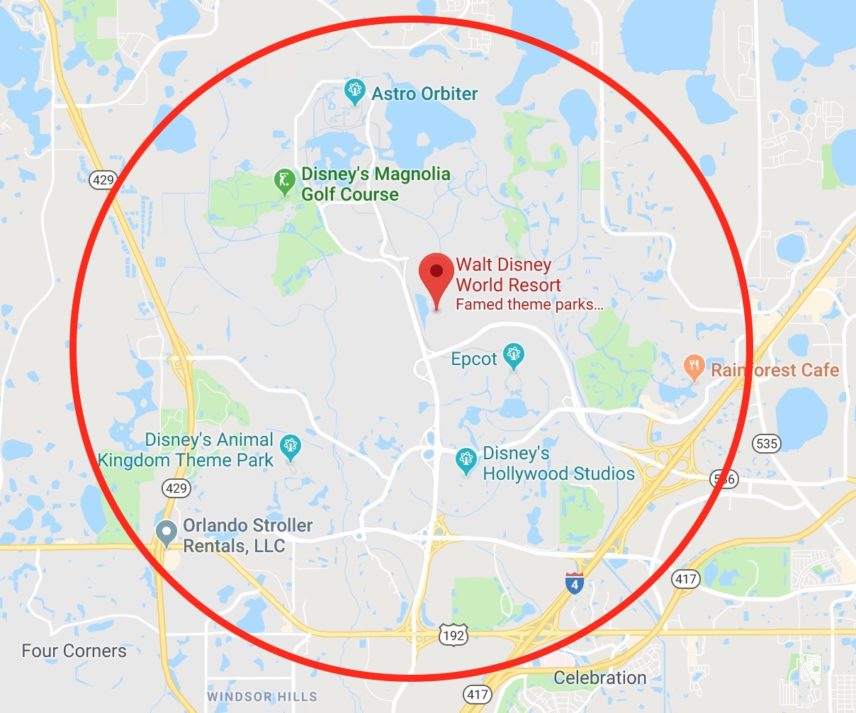
The most direct answer to the question of Walt Disney World’s size is approximately 27,000 acres. To put this astounding figure into perspective, this equates to nearly 43 square miles (approximately 110 square kilometers). Such a massive landholding makes Walt Disney World not just the largest single-site employer in the United States, but also a landmass comparable to or larger than several well-known global cities and territories:
- It is roughly the size of the entire city of San Francisco.
- It is about twice the size of the island of Manhattan.
- It surpasses the size of the city of Paris (excluding its surrounding metropolitan area).
This impressive acreage, acquired meticulously by Walt Disney and his team in the 1960s, was always intended to be more than just a site for a theme park. It was envisioned as a canvas for an entire community, a “vacation kingdom” where the magic could extend far beyond the turnstiles, encompassing everything from accommodations and recreation to its own infrastructure and environmental preserves. The sheer amount of land provides an unparalleled level of control over the guest experience, ensuring that the outside world rarely intrudes upon the meticulously crafted illusions within.
Beyond the Theme Parks: The Full Scope of Disney’s Domain
While the iconic theme parks are the primary draw, they occupy only a fraction of Walt Disney World’s expansive territory. The remaining land is dedicated to a complex ecosystem of resorts, recreational facilities, essential infrastructure, and even vast natural conservation areas.
The Four Iconic Theme Parks
The heart of the resort lies in its four distinct theme parks, each a destination in itself:
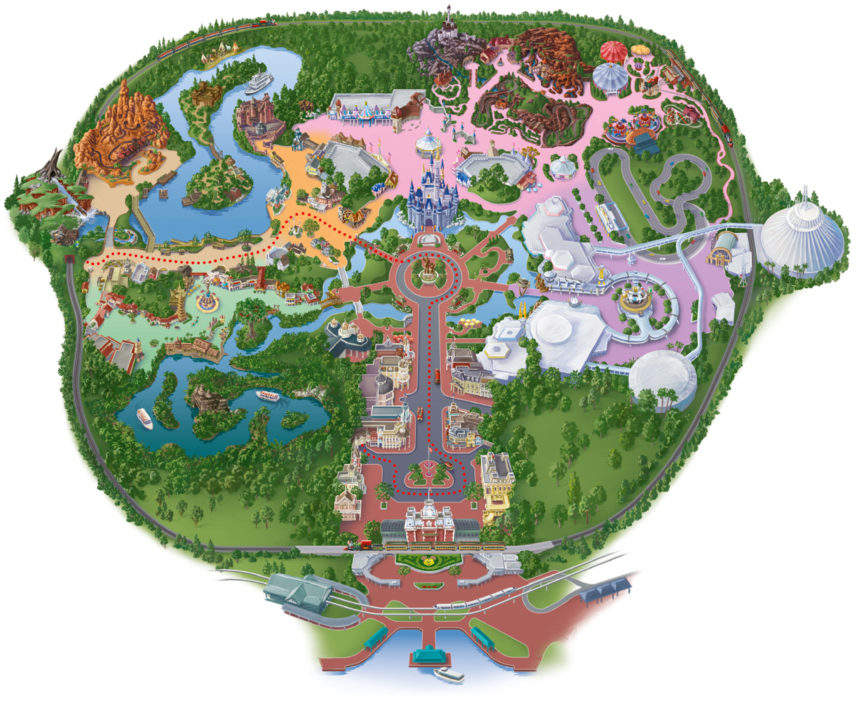
- Magic Kingdom: The original park, home to Cinderella Castle and beloved classic attractions. Though it feels immense to visitors, its footprint is relatively small compared to the overall property.
- Epcot: Divided into World Showcase and World Discovery, World Nature, and World Celebration, Epcot is dedicated to international culture and technological innovation. Its sprawling layout, particularly the World Showcase lagoon, contributes significantly to the acreage.
- Disney’s Hollywood Studios: Celebrating the magic of movies, television, and music, with areas like Star Wars: Galaxy’s Edge and Toy Story Land.
- Disney’s Animal Kingdom: The largest of the four theme parks, occupying roughly 500 acres. Its vast size is necessary to accommodate its diverse animal habitats, including the expansive Kilimanjaro Safaris savanna, and the magnificent Tree of Life.
Water Parks and Entertainment Districts
Adding to the visitor experience, and occupying substantial land, are Walt Disney World’s two themed water parks and its vibrant entertainment district:
- Typhoon Lagoon: A lush, tropical oasis with one of the world’s largest surf pools.
- Blizzard Beach: Designed as a melting ski resort, offering a unique arctic-themed water park experience.
- Disney Springs: A expansive dining, shopping, and entertainment complex that provides a lively atmosphere day and night.
Resorts, Recreation, and Infrastructure
The vast majority of Walt Disney World’s acreage is dedicated to supporting the guest experience outside the main attractions. This includes:
- Over 25 Themed Resort Hotels: From value to deluxe, these accommodations are spread across the property, each with its own unique theming and amenities. Examples include the iconic Contemporary Resort, the sprawling Caribbean Beach Resort, and the luxurious Grand Floridian Resort & Spa. Their expansive grounds often include multiple pools, dining options, and recreational areas.
- Golf Courses: Several championship golf courses, such as Palm, Magnolia, and Lake Buena Vista courses, cater to enthusiasts, occupying significant green spaces.
- Transportation Network: An intricate web of roads, waterways, and unique transit systems (monorail, Disney Skyliner, buses, boats) connects all corners of the resort. This massive infrastructure is critical for moving millions of guests annually across such vast distances.
- Conservation Areas and Backstage Operations: A significant portion of the land is preserved as wetlands and wildlife habitats, particularly around Bay Lake and the many smaller bodies of water. Additionally, extensive “backstage” areas—warehouses, maintenance facilities, administrative offices, and cast member support buildings—are strategically hidden from guest view, ensuring the seamless operation of the entire resort. This foresight in planning allows for immaculate park presentation and efficient logistics.
Navigating the Immense Landscape: A Traveler’s Perspective
The sheer scale of Walt Disney World has profound implications for any traveler planning a visit. It’s a key factor in trip planning, daily logistics, and ultimately, the overall travel experience.
Planning for the Grand Scale
First-time visitors often underestimate the distances involved. Traveling between theme parks, or even from a resort to a park, can take considerable time. This necessitates careful planning:
- Time Allocation: Don’t expect to “do it all” in a few days. The size of the property encourages longer stays, often a week or more, to fully explore just a few areas.
- Transportation Strategy: Familiarize yourself with the various Disney transportation options. While convenient, they require travel time. Using the monorail for Magic Kingdom and Epcot area hotels, the Disney Skyliner for Epcot and Disney’s Hollywood Studios, and buses for other locations is essential. Walking between distant points is generally impractical and not recommended.
- Pacing: Build rest days into your itinerary. The extensive walking within the parks, combined with travel time between areas, can be exhausting. A mid-day break at your resort or a slower-paced resort day can be invaluable.
The Illusion of Intimacy within Vastness
Despite its colossal size, Walt Disney World masterfully creates a sense of intimacy within its themed environments. This is a testament to the meticulous design philosophy:
- Themed Zones: Each land within a park, and each park itself, is a self-contained story. The architecture, landscaping, sounds, and even scents are carefully curated to transport guests to a specific time or place, effectively shrinking the perceived world around them.
- Visual Barriers: Clever use of topography, landscaping, and building design prevents guests from seeing “outside” the themed area they are in. This visual isolation is critical to maintaining the immersive illusion. For example, guests in Frontierland are shielded from views of Tomorrowland, even though they are relatively close.
The Strategic Brilliance of Expansive Design
The acquisition of such a vast tract of land was no accident; it was a strategic masterstroke by Walt Disney to ensure his second park would not face the same limitations as Disneyland in California.
Controlling the Guest Experience
Walt Disney famously sought to avoid the commercial sprawl that grew up around Disneyland, which he felt diluted the park’s magic. By purchasing an immense, secluded property in central Florida, he gained the ability to:
- Maintain Immersion: The large buffer zone around the parks prevents external advertising, competing attractions, or un-themed development from breaking the guests’ immersion. Once inside the property, visitors are entirely within the Disney bubble.
- Control Development: Disney could dictate every aspect of the infrastructure, from roads and utilities to hotels and commercial spaces, ensuring everything aligned with the overall vision of a seamless vacation kingdom. This autonomy was further cemented by the creation of the Reedy Creek Improvement District, granting Disney governmental powers over its land.
Conservation and Future Expansion
The vastness of Walt Disney World also incorporates significant environmental stewardship and forethought for the future:
- Environmental Preserves: A substantial portion of the undeveloped land serves as critical wetland and wildlife habitat. Disney has actively engaged in conservation efforts, managing these natural areas to support diverse ecosystems, including endangered species. This commitment to nature is prominently featured in Disney’s Animal Kingdom.
- Room for Growth: The remaining undeveloped acreage provides Disney with unparalleled flexibility for future expansion, allowing for new theme parks, resorts, attractions, and technological innovations without encroaching on existing areas or being constrained by external development. This long-term vision ensures the resort can continue to evolve and adapt for generations to come.
Walt Disney’s Vision: A Legacy of Grandeur
The sheer volume of land comprising Walt Disney World is a direct legacy of Walt Disney’s ambitious vision for EPCOT—the Experimental Prototype Community of Tomorrow. While the experimental city never fully materialized as he initially conceived it, the core idea of a wholly controlled environment where innovation and guest experience could flourish remained. This required an unprecedented amount of land, ensuring that nothing outside Disney’s control could disrupt the meticulously crafted reality within. The acres he quietly acquired in the swamps of Central Florida ultimately became the foundation for one of the world’s most successful and immersive travel destinations, a testament to a grand vision that understood the power of space in creating extraordinary experiences.
LifeOutOfTheBox is a participant in the Amazon Services LLC Associates Program, an affiliate advertising program designed to provide a means for sites to earn advertising fees by advertising and linking to Amazon.com. Amazon, the Amazon logo, AmazonSupply, and the AmazonSupply logo are trademarks of Amazon.com, Inc. or its affiliates. As an Amazon Associate we earn affiliate commissions from qualifying purchases.