
The United States Postal Service (USPS) designates a two-letter abbreviation for each state to facilitate mail delivery and data management. For the state of Idaho, this official abbreviation is “ID”. This seemingly simple two-letter code plays a crucial role in various aspects of communication and organization, extending far beyond mere mail sorting. Understanding this abbreviation is fundamental for anyone interacting with Idaho in official capacities, for business purposes, or even for personal travel planning.
The Significance of State Abbreviations
State abbreviations are not arbitrary; they serve a critical purpose in streamlining processes and ensuring clarity. Their introduction was primarily driven by the need for efficiency in the burgeoning postal system of the United States. Before the widespread adoption of standardized abbreviations, the lengthy state names could lead to sorting errors and delays, especially in a nation experiencing rapid growth and increasing volumes of mail.

Historical Context
The development of state abbreviations can be traced back to the early days of the United States Postal Service. As the country expanded and communication became more widespread, a need for a more efficient system became apparent. The current standard two-letter abbreviations were officially adopted by the USPS in 1963, replacing older, often inconsistent, abbreviations that varied between different government agencies and private companies. The move to two-letter codes was particularly impactful, significantly reducing the space needed on mail labels and envelopes, thereby increasing the speed and accuracy of automated sorting machinery.
Practical Applications
Beyond mail, state abbreviations like “ID” for Idaho are ubiquitous in modern life.
- Mailing Addresses: The most obvious use is in the mailing address. Including “ID” after the city and before the ZIP code is standard practice for mail destined for Idaho.
- Data Management and Databases: In fields such as demographics, statistics, and government record-keeping, state abbreviations are essential for consistent data entry and analysis. They ensure that “Idaho” is always recorded uniformly, preventing errors that could arise from variations in spelling or the use of different abbreviations.
- Forms and Applications: Many official forms, both governmental and private, require users to select or enter their state of residence or operation. Using abbreviations makes these fields more concise and less prone to misinterpretation.
- Travel and Logistics: When booking flights, hotels, or planning road trips, state abbreviations are often used in forms and reservation systems. For instance, when specifying a destination in Idaho, “ID” might be used in internal systems or on booking confirmations.
- Journalism and Publications: News outlets and publications often use state abbreviations to save space when referring to locations, especially in datelines or when listing multiple states.
- Academic Research: Researchers dealing with geographically specific data will frequently encounter and utilize these abbreviations to categorize and analyze information related to Idaho.
Understanding “ID” for Idaho
The abbreviation “ID” for Idaho follows a logical, albeit unofficial, pattern that many state abbreviations adhere to: it utilizes the first two letters of the state’s name. This pattern is common for many states, such as California (CA), New York (NY), and Texas (TX). However, exceptions exist, often due to states sharing initial letters or having unique historical naming conventions. For Idaho, “ID” is a straightforward and intuitive representation.
Why Not Other Combinations?
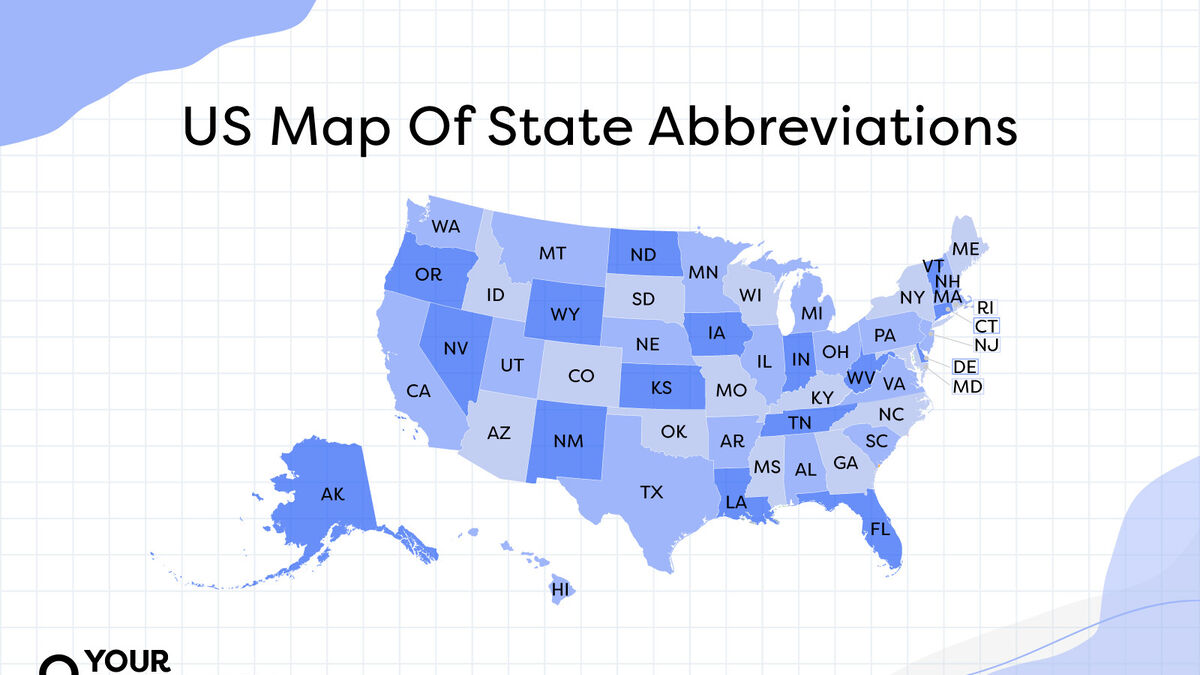
While one might theorize other potential abbreviations, the “ID” designation is firmly established by the USPS. Any deviation would lead to confusion and errors within the postal system and associated data networks. For example, “Ida” might seem logical, but it is longer and not part of the official two-letter standard. Similarly, attempts to use other initial combinations would conflict with the established coding system. The simplicity and universality of the two-letter format are paramount for its intended function.
The Importance of Correct Usage
Using the correct abbreviation is not merely a matter of preference; it is a necessity for efficient and accurate communication. Incorrectly abbreviating Idaho could lead to:
- Mail Delays or Misdeliveries: Mail sent with an incorrect or non-standard abbreviation might be delayed or sent to the wrong destination if the automated sorting systems cannot interpret it correctly.
- Data Entry Errors: In databases and forms, using an incorrect abbreviation can lead to data being miscategorized, impacting statistical analysis, or affecting services that rely on accurate location data.
- Confusion in Travel Bookings: While most travel systems are robust, using inconsistent abbreviations could theoretically cause issues with reservations or confirmations, particularly in older or less sophisticated systems.
Idaho: A State of Natural Wonders and Rich Culture
The state of Idaho, famously known as the “Gem State,” is a vast and diverse landscape offering a wealth of experiences for travelers and residents alike. From the rugged peaks of the Rocky Mountains to the fertile plains of the Snake River Plain, its geography is as varied as its history. The “ID” abbreviation serves as a gateway to exploring this remarkable region.
Exploring Idaho’s Diverse Geography
The abbreviation “ID” unlocks access to a state renowned for its stunning natural beauty and outdoor recreational opportunities.
- Mountains and Forests: Much of Idaho is covered by national forests, including the vast Sawtooth National Forest. These areas are prime destinations for hiking, camping, skiing, and wildlife viewing. The Sawtooth Mountains are particularly iconic, offering breathtaking vistas and challenging backcountry adventures.
- Rivers and Lakes: Idaho boasts an impressive network of rivers, most notably the Snake River, which carves through dramatic canyons and nourishes the state’s agricultural heartland. The Payette River is a world-renowned destination for whitewater rafting. Numerous pristine lakes, such as Lake Pend Oreille in the north, offer opportunities for boating, fishing, and swimming.
- Desert Landscapes: Paradoxically, parts of southern Idaho feature high desert environments, characterized by sagebrush, volcanic formations, and unique geological features like the Craters of the Moon National Monument & Preserve.

Cultural Hubs and Historical Sites
While nature often takes center stage, Idaho also possesses a rich cultural tapestry and significant historical landmarks.
- Boise: The state capital, Boise, is the most populous city and serves as the cultural and economic hub. Here, visitors can explore attractions like the Idaho State Capitol Building, the Boise Art Museum, and the Basque Block, celebrating the unique Basque heritage of the region.
- Coeur d’Alene: Located in the Panhandle region, Coeur d’Alene is a popular resort town known for its beautiful lake and vibrant downtown. It serves as a gateway to numerous outdoor activities and is a destination for those seeking relaxation and adventure.
- Lewis and Clark Trail: The historic Lewis and Clark Expedition traversed parts of Idaho, and remnants of their journey can be explored through designated historical sites and interpretive centers, offering a glimpse into the early exploration of the American West.
- Mining Heritage: Historically, Idaho was a significant mining state, particularly for silver and gold. Ghost towns and mining museums scattered across the state, such as the Old Idaho Penitentiary State Historic Site, bear testament to this past.
The abbreviation “ID” is more than just a postal code; it’s a key that unlocks the diverse offerings of a state brimming with natural beauty, outdoor adventure, and a rich cultural heritage. From the majestic peaks of the Sawtooths to the urban amenities of Boise, understanding this simple two-letter code is the first step in discovering all that Idaho has to offer.
LifeOutOfTheBox is a participant in the Amazon Services LLC Associates Program, an affiliate advertising program designed to provide a means for sites to earn advertising fees by advertising and linking to Amazon.com. Amazon, the Amazon logo, AmazonSupply, and the AmazonSupply logo are trademarks of Amazon.com, Inc. or its affiliates. As an Amazon Associate we earn affiliate commissions from qualifying purchases.