
Florida is a vibrant tapestry of sun-drenched beaches, lush wetlands, and bustling cities, drawing millions of travelers each year to its unique charm. Beyond the theme parks and coastal resorts, the state is also famously home to an extensive population of American alligators, an iconic species deeply ingrained in the Floridian ecosystem. For those planning a trip, a natural curiosity often arises: how significant is the risk of an alligator attack? Understanding this aspect of wildlife interaction is crucial for a safe and enjoyable travel experience in the Sunshine State.
Florida’s Indigenous Residents: Understanding Alligators
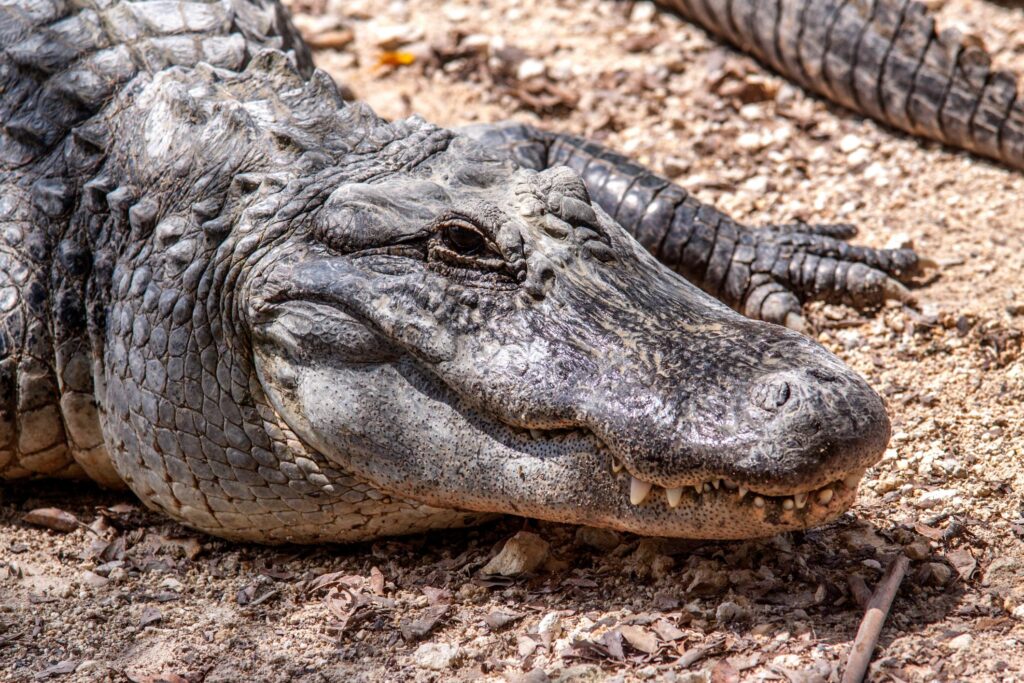
The American alligator (Alligator mississippiensis) is an apex predator that has thrived in Florida’s freshwater and brackish environments for millennia. They are found in every county and in virtually every body of water, from the vast Everglades National Park to retention ponds in suburban developments. These reptiles are integral to the ecological balance of their habitats, playing a vital role in controlling populations of other species.
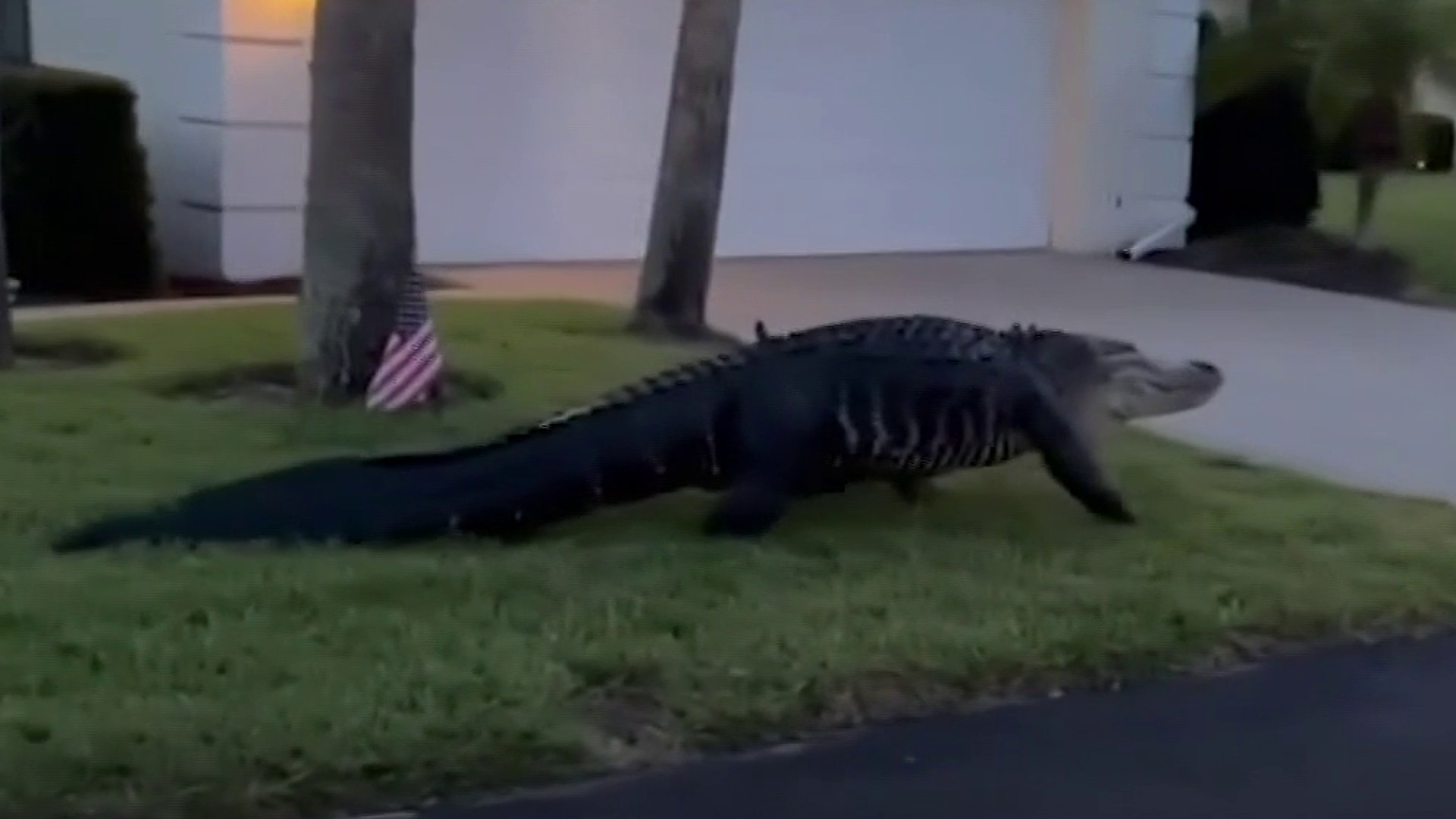
Adult alligators can grow quite large, with males sometimes exceeding 14 feet in length, though the average is closer to 10 feet. They are generally shy and reclusive, preferring to avoid human interaction. Their diet primarily consists of fish, turtles, snakes, small mammals, and birds. Attacks on humans, while serious, are remarkably rare given the immense alligator population and the high volume of human activity in their shared environment. This understanding forms the foundation for responsible travel and wildlife viewing in Florida.
Unpacking the Statistics: The Reality of Alligator Encounters
When discussing alligator attacks, it’s important to distinguish between confirmed unprovoked bites and other interactions. Florida has one of the most comprehensive tracking systems for alligator-related incidents, managed by the Florida Fish and Wildlife Conservation Commission (FWC). These records show that while encounters occur, severe injuries and fatalities are exceedingly infrequent.
The Rarity of Unprovoked Attacks
Historically, the number of unprovoked alligator bites in Florida that result in serious injury is remarkably low, typically averaging around seven to ten incidents per year across the entire state. Fatalities are even rarer, with the FWC reporting an average of less than one per year over the past several decades. To put this into perspective, hundreds of millions of people visit Florida annually, and millions more reside there, often living in close proximity to alligator habitats. The probability of an individual traveler being involved in an unprovoked alligator attack is statistically minuscule.
Compared to other common risks associated with travel—such as traffic accidents, accidental drownings, or even lightning strikes—alligator attacks represent an extremely minor threat. This data underscores that while vigilance is always wise in wild environments, undue fear is largely unwarranted. Travelers should approach their Florida adventure with informed caution, not apprehension.
Factors Contributing to Encounters
While rare, alligator attacks do happen, and certain factors often contribute to these unfortunate encounters. Understanding these can significantly enhance a traveler’s safety:
- Feeding Alligators: This is perhaps the most significant contributing factor. Feeding alligators, directly or indirectly, habituates them to humans and associates people with food. This causes them to lose their natural fear and can lead to aggressive behavior. It is illegal in Florida to feed alligators, and for good reason.
- Swimming in Unsafe Areas: Alligators are most active in water. Swimming in unapproved areas, especially at dawn, dusk, or night when alligators are most active, dramatically increases risk. Murky water also conceals their presence.
- Walking Pets Near Water: Pets, particularly dogs, can resemble an alligator’s natural prey. Alligators are opportunistic predators, and a dog splashing near the water’s edge can attract their attention. It’s crucial to keep pets on a leash and away from shorelines.
- Disregarding Warning Signs: Parks and conservation areas often post signs in areas known to have alligators. Ignoring these warnings is a direct invitation to potential danger.
- Provocation: Attempting to harass, capture, or interfere with an alligator can provoke a defensive attack. Alligators, like any wild animal, will defend themselves if they feel threatened.
Awareness of these factors empowers travelers to make responsible decisions and minimize risk during their visit to Florida.
Essential Safety Guidelines for Florida Travelers
Ensuring a safe journey through Florida’s natural beauty means respecting its wildlife. Adhering to simple, common-sense guidelines can virtually eliminate the risk of an alligator encounter.
General Precautions in Aquatic Environments
- Always Be Aware of Your Surroundings: When near any body of freshwater or brackish water, assume alligators may be present. This applies to lakes, rivers, canals, ponds, and even golf course water hazards.
- Swim Only in Designated Areas: Choose public beaches or swimming pools for water recreation. Avoid swimming, wading, or even standing in unapproved or unsupervised waterways, particularly during times of low visibility.
- Keep a Safe Distance: If you spot an alligator, maintain a respectful and safe distance. Never approach an alligator, regardless of its size. Their speed and power are deceptive on land.
- Supervise Children and Pets Closely: Children and small pets are especially vulnerable. Never let them play unsupervised near water and ensure pets are always leashed and kept away from shorelines.
- Avoid Dawn, Dusk, and Nighttime Activities Near Water: Alligators are predominantly nocturnal or crepuscular (active during twilight hours). These are their prime hunting times, making encounters more likely if you are near the water during these periods.
Specific Advice for Activities
For those engaging in specific outdoor activities that bring them closer to water, additional precautions are advised:
- Boating and Kayaking: Remain inside your vessel. Avoid trailing hands or feet in the water. If an alligator surfaces near your boat, give it a wide berth.
- Fishing: Dispose of fish scraps in designated waste bins, not in the water. Alligators are attracted to easy food sources. Be extra cautious when retrieving fishing lines or lures near shore.
- Camping: Choose campsites away from the water’s edge. Store food securely and dispose of garbage properly to avoid attracting wildlife, including alligators.
- Hiking: Stick to marked trails and be mindful of your footing, especially near wetlands or water crossings. Report any unusually bold or aggressive alligator behavior to park authorities.
Following these guidelines ensures that your exploration of Florida’s natural landscapes remains a positive and memorable experience, free from unwanted wildlife interactions.
Promoting Harmony: Coexisting with Wildlife
The presence of alligators is a testament to Florida’s rich biodiversity and successful conservation efforts. These magnificent creatures are a protected species, and their continued health is vital for the ecosystem. Travelers have a significant role to play in maintaining this delicate balance. By adhering to responsible travel practices, we help ensure that both humans and wildlife can coexist safely.
Reporting problematic alligators—those that show no fear of humans or aggressively approach people—is important. The FWC operates a Statewide Nuisance Alligator Program (SNAP) to address these specific situations, removing alligators that pose a threat to public safety. This program helps manage potential risks while largely leaving the general alligator population undisturbed.

Planning a Safe and Enjoyable Florida Adventure
Ultimately, a trip to Florida should be defined by its captivating attractions, beautiful scenery, and warm hospitality, not by unfounded fears of wildlife. The statistics clearly demonstrate that alligator attacks are exceedingly rare, especially when proper precautions are observed.
By understanding the nature of alligators, respecting their habitats, and following established safety guidelines, travelers can confidently enjoy all the natural wonders Florida has to offer. From the pristine beaches of Miami to the enchanting springs near Orlando and the sprawling wetlands of Everglades National Park, a safe and unforgettable adventure awaits. Travel wisely, respect the local wildlife, and immerse yourself in the unique magic of the Sunshine State.
LifeOutOfTheBox is a participant in the Amazon Services LLC Associates Program, an affiliate advertising program designed to provide a means for sites to earn advertising fees by advertising and linking to Amazon.com. Amazon, the Amazon logo, AmazonSupply, and the AmazonSupply logo are trademarks of Amazon.com, Inc. or its affiliates. As an Amazon Associate we earn affiliate commissions from qualifying purchases.