
Embarking on a journey from the bustling metropolis of Chicago to the ethereal landscapes of Iceland promises an adventure filled with stark natural beauty and vibrant cultural experiences. Before the glaciers, geysers, and geothermal pools beckon, one of the most practical questions travelers often ponder is the duration of the flight. Understanding the flight time is crucial for planning your itinerary, managing jet lag, and ensuring a smooth transition between two vastly different time zones. This guide delves into the specifics of air travel from the heart of the United States to the land of fire and ice, providing insights into direct flights, connecting routes, and factors that can influence your total travel time.
Direct Flight Durations and Key Airlines
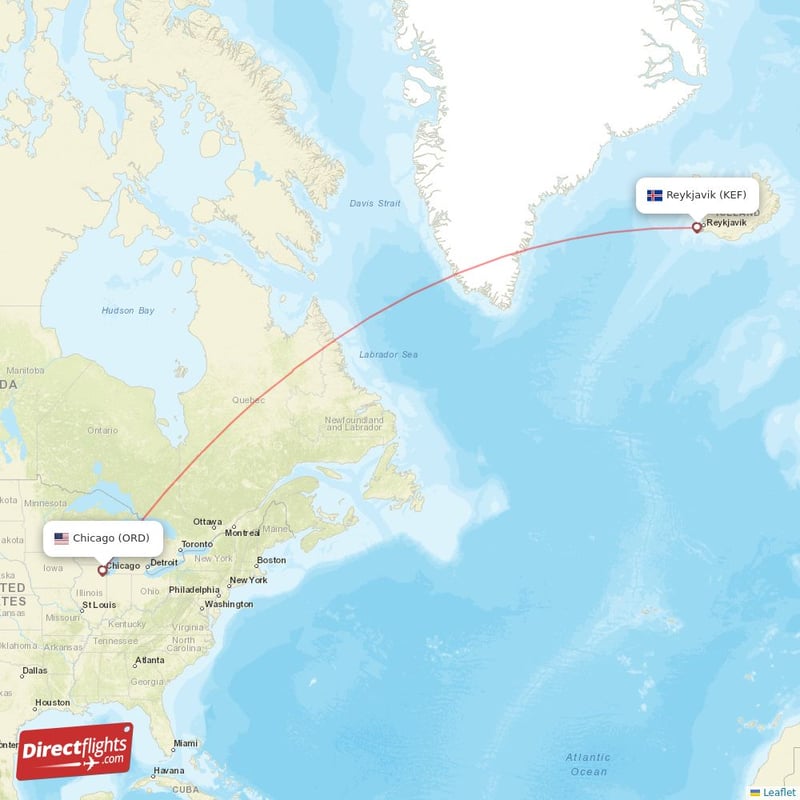
For travelers seeking the quickest route from Chicago to Iceland, direct flights offer the most efficient option. These non-stop services typically depart from O’Hare International Airport (ORD), Chicago’s primary international gateway, and arrive at Keflavík International Airport (KEF), which serves the capital region of Reykjavík.
The average direct flight duration from Chicago to Keflavík is approximately 6 to 7 hours. This makes Iceland a remarkably accessible transatlantic destination for North American travelers, especially when compared to longer flights to continental Europe.
Several airlines operate direct routes during peak travel seasons, typically from late spring through early autumn, to cater to the increased demand for Icelandic adventures.
- Icelandair: As the national carrier of Iceland, Icelandair often provides direct service from Chicago to Keflavík. They are known for offering a comfortable experience with an Icelandic touch, often including opportunities for a “Stopover” program, allowing passengers to extend their stay in Iceland for up to seven days at no additional airfare.
- United Airlines: A major U.S. carrier, United Airlines has also historically offered direct flights on this route, especially during the summer months, providing another convenient option for travelers.
It’s important for travelers to check airline schedules well in advance, as direct flight availability can fluctuate based on the season, demand, and airline strategies. While these flights offer the fastest transit, they may not always be the most economical, prompting some travelers to consider connecting flights.
Navigating Connecting Flights: Adding Time and Options
While direct flights are ideal for speed, connecting flights can offer more flexibility in terms of departure times, airline choice, and potentially lower fares. However, the trade-off is an extended total travel time. A connecting flight from Chicago to Iceland can range significantly in duration, generally taking anywhere from 9 to 15 hours or more, depending on the layover location and length.
Common Layover Hubs
Connecting flights typically involve a stop at another major airport, either within North America or Europe, before continuing to Keflavík.
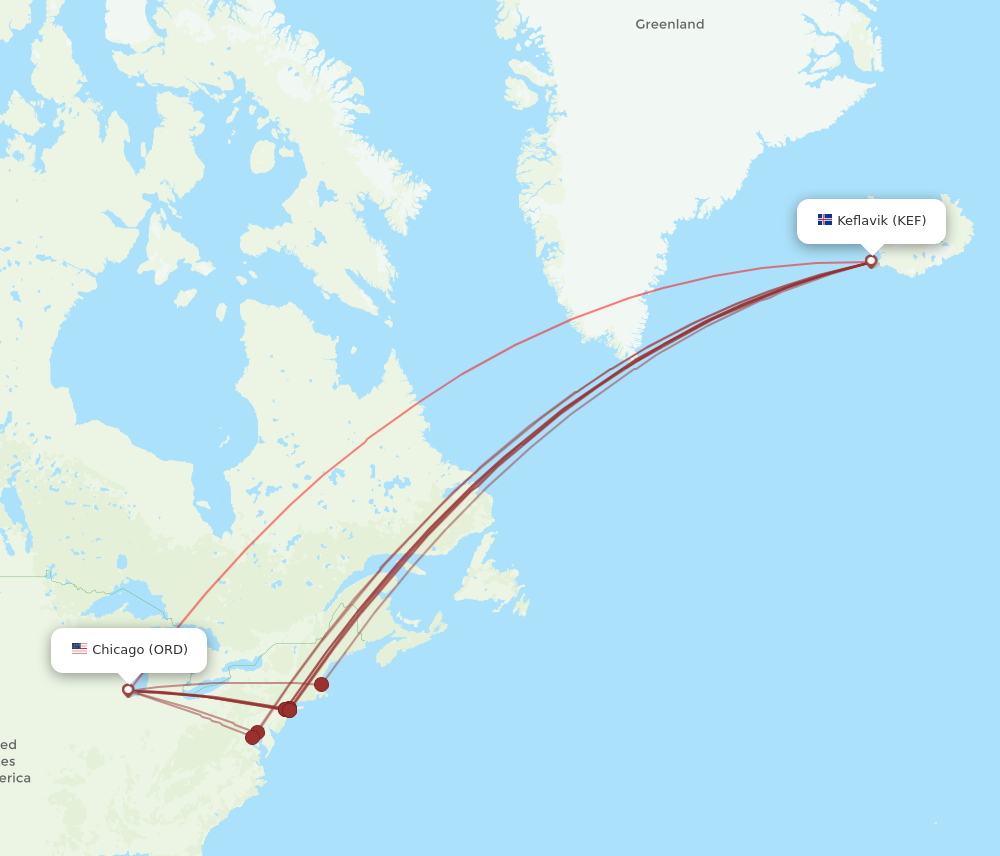
- U.S. Hubs: Many flights from Chicago might connect through other large U.S. airports with direct service to Iceland. Popular connection points include New York (JFK or EWR), Boston (BOS), or Washington D.C. (IAD). This strategy might be employed if a direct flight from Chicago isn’t available or if the pricing is more favorable. Carriers like Delta Airlines and American Airlines often facilitate such routes.
- European Hubs: Alternatively, some itineraries might route through major European cities. While less common for optimizing travel time to Iceland from Chicago due to the direct options, connections might occur in hubs like London (LHR), Dublin (DUB), or Copenhagen (CPH). Airlines such as Lufthansa, KLM, or Scandinavian Airlines (SAS) could be involved in such itineraries. While this adds significant travel time, it might be a consideration for travelers looking to combine their Icelandic trip with another European destination.
- Canadian Hubs: Occasionally, flights might connect through major Canadian cities like Toronto (YYZ) or Montreal (YUL), offered by airlines such as Air Canada or Porter Airlines, before heading to Iceland.
Calculating Total Travel Time
When evaluating connecting flights, remember to factor in not just the flight legs but also the layover durations.
- Short Layovers (1-3 hours): While efficient, these can be stressful if there are delays on the first leg or if you need to change terminals.
- Medium Layovers (3-6 hours): These provide a comfortable buffer for connections, allowing time for customs (if applicable), security, and a meal.
- Long Layovers (6+ hours): These can turn a day of travel into an exhausting ordeal but might be suitable for travelers who wish to briefly explore the layover city or prefer a more relaxed pace.
Always cross-reference the total travel time, including layovers, when booking connecting flights to ensure it aligns with your travel preferences and energy levels.
Factors Influencing Flight Duration
Beyond the distinction between direct and connecting flights, several other variables can subtly influence the actual flight duration from Chicago to Iceland.
Wind Patterns and Jet Streams
The North Atlantic is known for its powerful jet streams, high-altitude currents of air that can significantly impact flight times.
- Eastbound Flights (Chicago to Iceland): Flights heading eastward often benefit from tailwinds provided by the jet stream. This can shave off 30 minutes to an hour, or even more, from the estimated flight time, contributing to the relatively short direct flight durations.
- Westbound Flights (Iceland to Chicago): Conversely, flights returning to North America often face headwinds, which can extend the flight duration by a similar margin. This is why a return flight might feel slightly longer than the outbound journey.
Pilots and air traffic controllers account for these patterns when planning routes, but actual conditions on the day of travel can always lead to slight variations.
Aircraft Type and Speed
The type of aircraft used for the transatlantic journey also plays a role. Modern long-haul aircraft, such as the Boeing 787 Dreamliner or Airbus A321LR/XLR, are designed for fuel efficiency and optimal cruising speeds. While the differences between models might only amount to a few minutes for a 6-7 hour flight, newer aircraft generally offer a smoother and sometimes marginally faster journey compared to older generations. Airlines like Icelandair and United Airlines typically deploy contemporary narrow-body and wide-body jets suitable for this route.
Air Traffic Control and Route Optimization
Air traffic control (ATC) plays a critical role in managing the flow of aircraft across busy corridors like the North Atlantic. While direct routes are generally optimized for efficiency, minor deviations may occur due to:
- Congestion: Busy airspace around major airports at departure or arrival can lead to slight delays.
- Weather Avoidance: Pilots may alter routes to circumnavigate severe weather systems, such as thunderstorms or areas of strong turbulence, ensuring passenger safety and comfort.
- Geopolitical Restrictions: Although less common on this specific route, airspace restrictions due to various global events can necessitate longer detours.
These factors are usually minimal but can collectively contribute to variations in the announced flight time.
Preparing for Your Transatlantic Journey to Iceland
A 6-7 hour flight is manageable, but proper preparation can significantly enhance your comfort and overall travel experience.
Managing Time Zones and Jet Lag
Iceland operates on Greenwich Mean Time (GMT) or Coordinated Universal Time (UTC), which means a time difference of 5 hours ahead of Chicago during Central Daylight Time (CDT) or 6 hours during Central Standard Time (CST).
- Adjust Before You Go: A few days before your trip, try to gradually shift your sleep schedule closer to Icelandic time.
- Hydrate and Stay Active: Drink plenty of water and avoid excessive alcohol or caffeine. Get up and move around the cabin periodically to promote circulation.
- Embrace the New Time Zone: Upon arrival, immediately try to adopt the local schedule. Maximize exposure to natural light during the day and minimize it at night, even if it means pushing through initial fatigue.
In-Flight Comfort Essentials
To make your flight as pleasant as possible:
- Comfortable Attire: Wear loose-fitting, layered clothing.
- Entertainment: Load your devices with movies, music, podcasts, or e-books. Many airlines offer in-flight entertainment systems, but having your own backup is always wise.
- Neck Pillow and Eye Mask: Essential for catching quality sleep, especially on an overnight flight.
- Snacks: While meals are typically provided, having your preferred snacks can be a comfort.
- Medication: Keep any necessary medications easily accessible in your carry-on.
- Power Bank: Ensure your personal electronic devices stay charged throughout the journey.

Connecting Flight Duration Knowledge to Your Icelandic Adventure
Knowing the flight duration is just the first step in planning an unforgettable trip to Iceland. With direct flights from Chicago clocking in at around 6-7 hours, this captivating North Atlantic island is within easy reach. Whether you choose the efficiency of a direct route or opt for a connecting journey for flexibility or cost savings, the relatively short travel time means you’ll be immersed in Iceland’s unique landscapes and vibrant culture before you know it. Prepare well, embrace the journey, and get ready for an extraordinary experience in a land shaped by fire and ice.
LifeOutOfTheBox is a participant in the Amazon Services LLC Associates Program, an affiliate advertising program designed to provide a means for sites to earn advertising fees by advertising and linking to Amazon.com. Amazon, the Amazon logo, AmazonSupply, and the AmazonSupply logo are trademarks of Amazon.com, Inc. or its affiliates. As an Amazon Associate we earn affiliate commissions from qualifying purchases.