
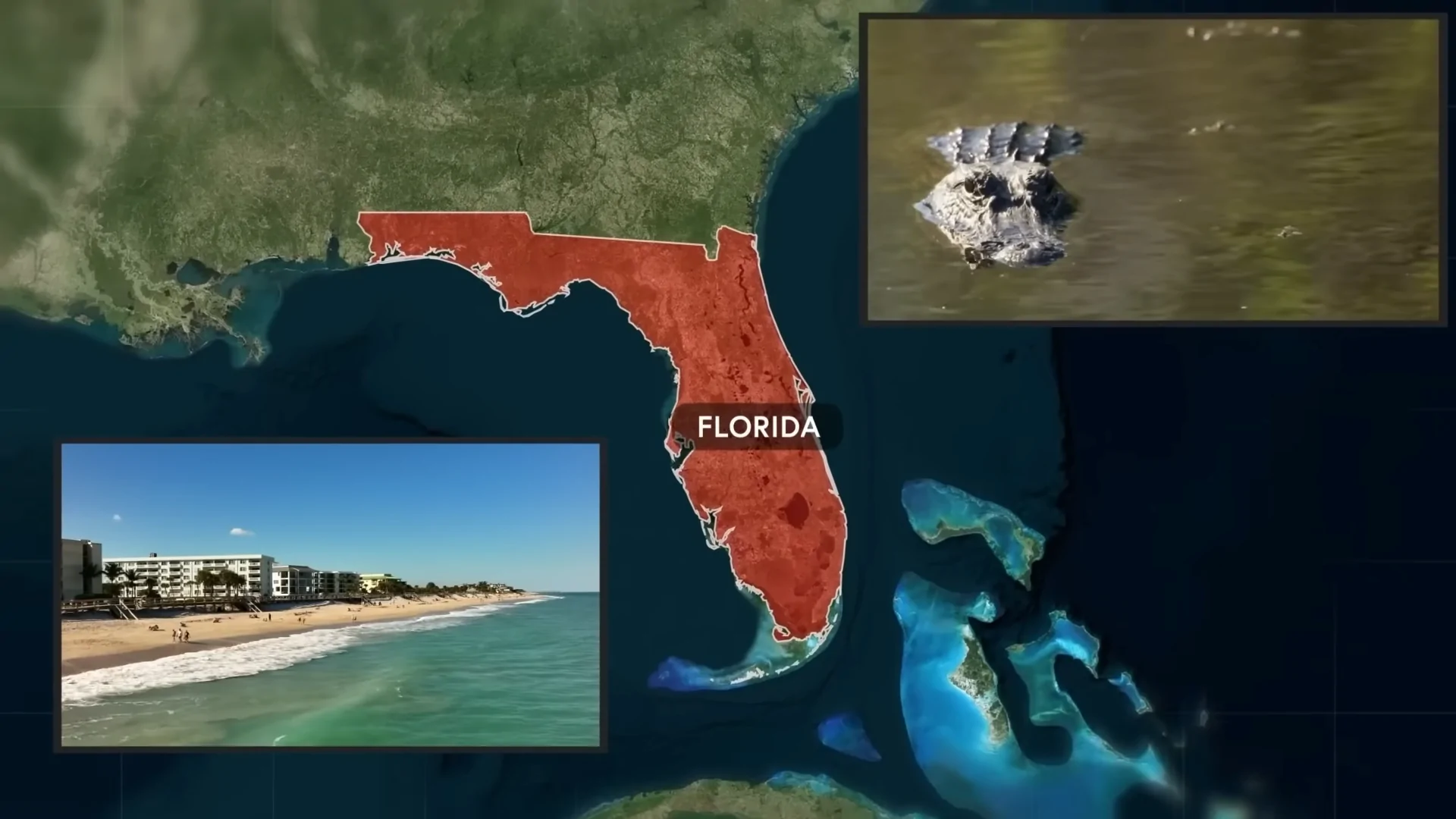
Understanding the population of Florida is more than just a numbers game; it’s a deep dive into the essence of the state’s lifestyle, culture, and the very fabric of daily life for its residents and countless visitors. Often referred to as the Sunshine State, Florida’s allure of warm weather, diverse landscapes, and robust economy has transformed it into one of the fastest-growing and most populous states in the United States. This immense growth and the subsequent density and distribution of its inhabitants profoundly shape the unique lifestyles experienced across its various regions, from bustling metropolitan centers to serene coastal towns and expansive rural landscapes.

A State of Dynamic Growth and Diverse Demographics
Florida’s population narrative is one of relentless expansion and rich demographic complexity. It’s a state that continuously redefines itself through the influx of new residents, each bringing their own perspectives, traditions, and aspirations, collectively contributing to an ever-evolving lifestyle mosaic.
The Current Snapshot
As of recent estimates, Florida is home to well over 22 million people, solidifying its position as the third-most populous state in the United States. This figure represents a staggering increase from previous decades, reflecting a sustained period of demographic buoyancy. The state’s growth rate consistently outpaces the national average, attracting hundreds of thousands of new residents annually. This consistent population surge is not merely an statistical anomaly but a fundamental driver of Florida’s economic vitality and cultural dynamism, influencing everything from housing markets and infrastructure development to the types of services and entertainment available. Understanding this foundational number is key to appreciating the lifestyle dynamics unfolding across the state.
Factors Driving Population Surge
Several compelling factors contribute to Florida’s magnetic appeal, making it a preferred destination for both relocation and prolonged stays. The state’s enviable subtropical to tropical climate is undeniably a primary draw, offering year-round warmth and sunshine that promotes an outdoor-centric lifestyle. Beyond the weather, Florida’s robust and diversified economy plays a crucial role. Key sectors such as tourism, agriculture, aerospace, logistics, and increasingly, technology, provide a broad spectrum of employment opportunities. The absence of a state income tax is another significant financial incentive, appealing to individuals and businesses alike seeking greater fiscal flexibility. For retirees, Florida represents a quintessential paradise, offering a vast array of age-restricted communities, excellent healthcare facilities, and a lifestyle tailored to leisure and community engagement. These combined factors create a powerful magnet, continuously drawing people from all walks of life, eager to embrace the distinctive lifestyle Florida offers.
Demographic Tapestry
The population of Florida is a vibrant mosaic of cultures, ages, and backgrounds, making it one of the most diverse states in the nation. The presence of a significant Hispanic population, particularly in South Florida cities like Miami, injects rich Latin American influences into the state’s cuisine, music, art, and language, creating a cosmopolitan atmosphere. Similarly, communities across the state boast strong European, Asian, and African American cultural contributions, each adding distinct layers to the overall lifestyle. Furthermore, Florida’s demographic profile is characterized by a significant elderly population, particularly in areas renowned for retirement living, alongside a growing segment of young professionals and families drawn to urban centers and burgeoning tech hubs. This interplay of diverse age groups and ethnic backgrounds fosters a unique cultural environment, where various lifestyles coexist and often intermingle, from traditional family values to cutting-edge urban trends.
Population Density and Its Impact on Lifestyle
The sheer number of people in Florida only tells part of the story; how these millions are distributed across its vast geography profoundly shapes the daily experiences and lifestyle choices available. Population density varies dramatically, creating distinct regional characteristics that cater to different preferences.
Urban vs. Rural Living
Florida offers a stark contrast between its sprawling, densely populated urban centers and its quieter, more expansive rural areas. In cities like Miami, Orlando, and Tampa, the lifestyle is fast-paced, characterized by towering skylines, vibrant nightlife, world-class dining, and a plethora of cultural attractions. Residents in these areas often experience dynamic career opportunities, diverse entertainment options, and a bustling social scene. Conversely, moving away from these metropolitan hubs reveals a more serene, community-focused lifestyle. Rural areas, particularly in the Florida Panhandle or Central Florida‘s agricultural heartland, offer a slower pace of life, closer ties to nature, and a strong sense of community. Here, lifestyle often revolves around outdoor activities, local events, and a tranquil environment, providing a stark alternative to the urban hustle. This divergence in density allows for a broad spectrum of lifestyle choices, from high-octane city living to peaceful country retreats.
The Coastal Magnet
A defining characteristic of Florida’s population distribution is its strong coastal concentration. The majority of residents choose to live within a short distance of the Atlantic Coast or the Gulf Coast, driven by the appeal of beach access, water sports, and stunning ocean views. This coastal clustering creates a unique lifestyle heavily influenced by marine activities. Cities such as Fort Lauderdale, Sarasota, and St. Petersburg exemplify this, where daily life often incorporates boating, fishing, swimming, or simply enjoying the sun and sand. The demand for coastal living also impacts real estate, with properties commanding premium prices, and influences the development of infrastructure tailored to coastal recreation. This focus on the coast not only shapes leisure activities but also dictates employment patterns, with many industries catering directly to tourism and marine-related services, further embedding a distinct coastal lifestyle.
Infrastructure and Daily Life

The immense population and its uneven distribution exert significant pressure on Florida’s infrastructure and, by extension, the daily lives of its residents. High population density in metropolitan corridors and along major transportation routes often leads to challenges such as traffic congestion, particularly during peak tourist seasons or rush hour. Public services, including healthcare, education, and waste management, must continuously adapt and expand to meet the demands of a growing populace. Housing availability and affordability are also directly impacted; while new developments spring up regularly, the demand often outstrips supply in popular areas, affecting the cost of living and influencing where people can realistically afford to reside. Understanding these infrastructural implications is crucial for anyone considering a move to Florida, as they directly influence the convenience, comfort, and overall quality of daily lifestyle.
Lifestyle Choices Shaped by Florida’s Population Landscape
Florida’s diverse population structure creates a rich tapestry of lifestyle options, each distinct and catering to specific demographics and preferences. The state doesn’t offer a single lifestyle but rather a spectrum of living experiences, enabling individuals to find their perfect fit.
Retirement Paradises
For many, Florida is synonymous with retirement, and the state has cultivated an unparalleled offering of communities specifically designed for its elderly population. Places like The Villages, a sprawling master-planned community, exemplify this lifestyle, providing extensive amenities such as golf courses, recreational centers, social clubs, and dedicated healthcare facilities. The lifestyle here is centered around active senior living, fostering a strong sense of community and perpetual leisure. These communities offer a secure, engaging, and socially vibrant environment, allowing retirees to pursue hobbies, forge new friendships, and enjoy their golden years in a setting tailored to their needs, largely free from the hustle and bustle of family-centric or career-driven environments.
Family-Friendly Hubs
Beyond retirement, Florida is also a magnet for families, with numerous areas evolving into family-friendly hubs. Cities surrounding major attractions like Walt Disney World and Universal Studios in Orlando offer a lifestyle rich in entertainment and recreational opportunities. Suburban communities around Tampa and Jacksonville boast excellent school districts, numerous parks, and family-oriented amenities. These areas cultivate a lifestyle focused on children’s activities, community events, and a safe, nurturing environment for raising a family. Access to theme parks, zoos, science museums, and pristine beaches means family life in Florida is often characterized by a blend of education, adventure, and abundant outdoor experiences.
Professional and Creative Enclaves
Florida’s growing economy has also fostered vibrant professional and creative enclaves, attracting younger populations and those seeking career growth and cultural stimulation. Downtown Miami offers a fast-paced, international business environment with a thriving arts scene, high-end dining, and a luxurious urban lifestyle. Tampa and Orlando are developing tech corridors, drawing innovators and entrepreneurs who appreciate the dynamic work-life balance offered in the state. Cities like St. Petersburg are increasingly known for their burgeoning arts districts, craft breweries, and independent businesses, appealing to a creative class seeking a more bohemian yet sophisticated lifestyle. These areas offer a lifestyle characterized by career progression, cultural engagement, and a lively social fabric, distinct from the retiree or family-focused communities.
The Blended Lifestyle
One of Florida’s most appealing aspects, fueled by its diverse population and geographic offerings, is the opportunity for a blended lifestyle. It’s possible to work in a bustling city like Miami or Orlando and still be within an hour’s drive of pristine beaches or quiet natural preserves. Many residents seamlessly integrate professional demands with leisure pursuits, whether it’s an early morning surf before work, an afternoon fishing trip, or weekend explorations of national parks like the Everglades. The mild climate allows for year-round outdoor activities, facilitating a lifestyle where recreation is not confined to seasonal windows. This ability to combine work, play, and community engagement in a singular location is a powerful draw, defining a versatile and adaptable lifestyle unique to Florida.
Implications for Visitors and Future Residents
Understanding the sheer number of people living in Florida and how they are distributed provides invaluable insights for both potential visitors and those contemplating a move to the state. It frames expectations and helps in making informed decisions about where to go, what to do, and where to settle.
Experiencing Florida’s Diversity
For visitors, Florida’s extensive population means an incredible diversity of experiences. If you seek vibrant nightlife and multicultural experiences, Miami delivers. For theme park thrills and family entertainment, Orlando is unparalleled. Those desiring pristine beaches and a relaxed pace might gravitate towards the Gulf Coast cities or the serene Florida Keys, like Key West. However, this popularity also implies that certain destinations, particularly during peak seasons, will be crowded. Planning ahead, booking accommodations in advance, and considering less conventional times to visit can enhance the experience, allowing visitors to fully appreciate the unique lifestyle each region offers without being overwhelmed by the crowds that its popularity naturally attracts.
Planning Your Move
For individuals considering making Florida their permanent home, a thorough understanding of its population landscape is paramount to choosing a lifestyle that aligns with personal preferences. Researching specific cities and their demographics, job markets, housing costs, and community vibes is essential. Do you prefer the fast-paced, diverse atmosphere of a major city like Miami or Jacksonville, or the quieter, more suburban appeal of a growing community outside Orlando? Are you seeking a vibrant retirement community, or a family-friendly neighborhood with excellent schools? Factors like traffic patterns, access to amenities, and the availability of specific cultural or recreational opportunities are all directly influenced by the local population. By delving beyond the overall state population figures, future residents can pinpoint the specific pocket of Florida that best suits their desired lifestyle, ensuring a successful and fulfilling transition to the Sunshine State. The journey of understanding Florida begins with its people, whose sheer numbers and diverse ways of life sculpt the very essence of this captivating state.
LifeOutOfTheBox is a participant in the Amazon Services LLC Associates Program, an affiliate advertising program designed to provide a means for sites to earn advertising fees by advertising and linking to Amazon.com. Amazon, the Amazon logo, AmazonSupply, and the AmazonSupply logo are trademarks of Amazon.com, Inc. or its affiliates. As an Amazon Associate we earn affiliate commissions from qualifying purchases.