
Navigating the process of acquiring your shot records in Texas can feel like a quest, particularly when you’re planning a trip, a new adventure, or simply seeking to organize your health documentation. While not directly a tourism or accommodation topic, understanding how to obtain these vital documents can be an essential precursor to enjoying many travel experiences, especially those requiring proof of vaccinations or health clearances. This guide focuses on the practicalities of securing your immunization history within the Lone Star State, equipping you with the knowledge to streamline this aspect of your travel preparations.
Understanding Immunization Records in Texas
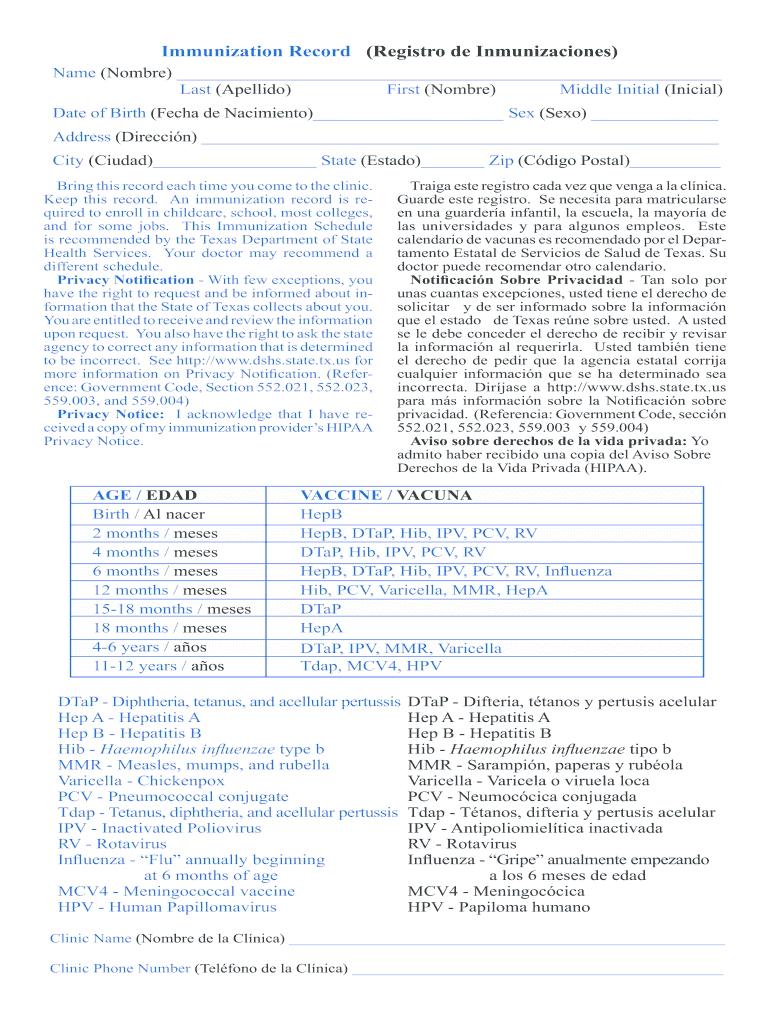
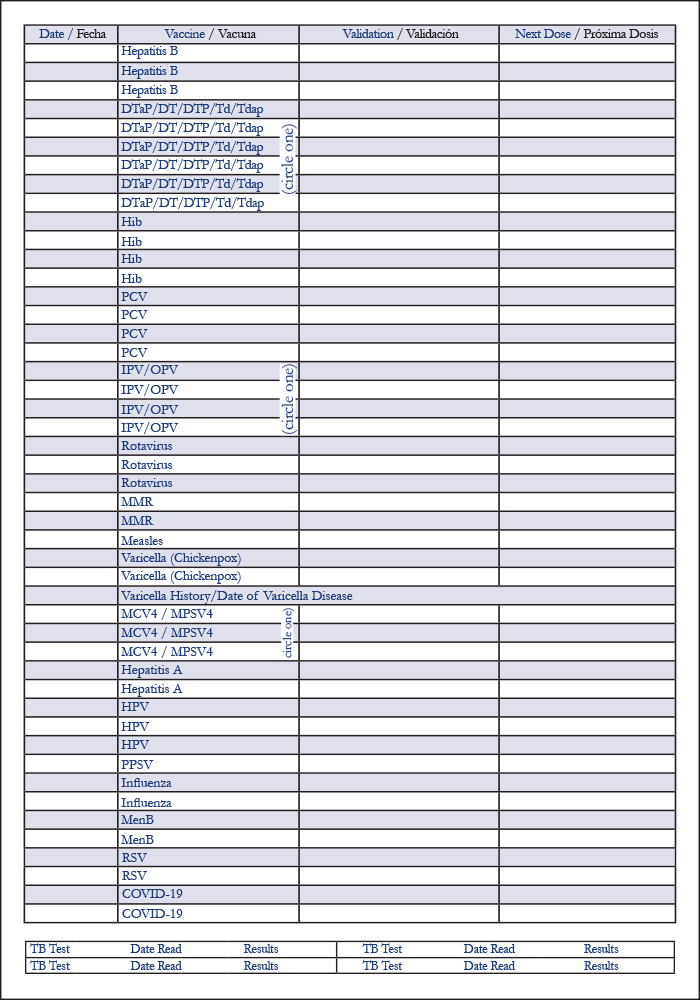
Immunization records are official documents that detail an individual’s vaccination history. They are crucial for various reasons, including school enrollment, employment, travel to certain destinations, and general health management. In Texas, these records are typically maintained by healthcare providers, public health departments, and sometimes directly by individuals.
The Importance of Accessible Records for Travelers
For those planning international travel, proof of vaccination is often a mandatory requirement for entry into specific countries. Diseases such as Yellow Fever, Hepatitis A, and Typhoid Fever necessitate vaccination in many tropical and subtropical regions, and health authorities abroad will want to see documentation to verify this. Even for domestic travel, some camps, resorts, or specialized activities might request proof of routine immunizations, such as the MMR (Measles, Mumps, Rubella) or Tdap (Tetanus, Diphtheria, Pertussis) vaccines. Without readily available shot records, travel plans can be significantly disrupted, leading to last-minute appointments, potential delays, or even denied boarding.
Texas’s Centralized Immunization Registry: The Texas Immunization Registry (TxIR)
The Texas Department of State Health Services (DSHS) manages the Texas Immunization Registry (TxIR). This is a secure, confidential, and voluntary statewide database that collects immunization records from healthcare providers, pharmacies, and public health clinics across the state. The goal of TxIR is to provide a consolidated and accessible source of immunization information for all Texans.
How TxIR Works
Healthcare providers in Texas are encouraged to report immunization data to TxIR. When you receive a vaccination from a participating provider, that information is typically entered into the registry. This creates a comprehensive record of your immunizations over time, regardless of where in Texas you received the vaccine. This centralization is invaluable, as it eliminates the need to chase down records from multiple different doctors’ offices or clinics you may have visited over the years.
Accessing Your Records Through TxIR
Accessing your immunization records through TxIR can be done in several ways:
- Online Portal (for individuals 18 and older): Eligible individuals can create an account on the TxIR website to request access to their immunization information. This often involves a verification process to ensure you are who you say you are. Once verified, you can view and download your records.
- Healthcare Provider: Your current healthcare provider can likely access your records through TxIR if they are participants in the registry and you have given them permission. This is often the most straightforward method, especially if you have an upcoming appointment.
- Request by Mail or Fax: If online access is not feasible, you can typically download a request form from the DSHS website and submit it via mail or fax. This process may take longer than online access.
It’s important to note that while TxIR is a powerful tool, not all providers in Texas may be reporting to the registry, or they may have reporting delays. Therefore, it is always a good practice to check with your primary care physician first.
Alternative Methods for Obtaining Shot Records
While TxIR is the most comprehensive resource, there are other avenues to pursue if your records are not fully represented in the registry or if you prefer a more direct approach.
Contacting Your Healthcare Provider Directly
This is often the most immediate and effective method for obtaining your shot records, especially for recent vaccinations.
Primary Care Physician’s Office
Your primary care physician (PCP) is likely to have the most up-to-date and complete record of your immunizations, especially those administered during your care with them.
- How to Request: Call your doctor’s office and speak with the receptionist or medical records department. Clearly state that you need a copy of your immunization records. You may be asked to fill out a release form, and there might be a small fee for copying and providing the records.
- What to Expect: Most offices can provide these records within a few business days. They can often be faxed, emailed, or picked up in person.
Specialist Clinics and Hospitals
If you have received vaccinations from specialists or during hospital stays, you will need to contact those specific facilities.
- Process: Similar to your PCP’s office, you will need to contact their medical records department. Be prepared to provide identifying information such as your full name, date of birth, and the approximate dates you received care or vaccinations.
Pharmacies
Many pharmacies now offer a variety of vaccinations, from flu shots to travel-specific immunizations. If you received a vaccine at a pharmacy, they will have a record.
- Contacting the Pharmacy: Visit or call the specific pharmacy location where you received the vaccine. They should be able to print a copy of your vaccination history.
Public Health Clinics and County Health Departments
Texas has numerous public health clinics and county health departments that offer immunizations. If you received vaccines through these services, especially during childhood or through specific public health programs, you will need to contact them directly.
- Identifying the Right Department: You can usually find a list of public health facilities and county health departments on the Texas DSHS website. Search for the department in the county where you received the services.
- Information Needed: Be ready to provide your full name, date of birth, and any identifying information you may have from your time receiving services (e.g., patient ID number if you recall it).
Preparing for Travel with Your Shot Records
Once you have your shot records in hand, it’s wise to take a few extra steps to ensure they are travel-ready and that you have backup copies.
Reviewing Your Records for Travel Requirements
Before any trip, it is essential to review your immunization records against the specific requirements of your destination.
International Travel Destinations
For international travel, the Centers for Disease Control and Prevention (CDC) is an excellent resource. Their website provides detailed information on recommended and required vaccinations for almost every country in the world.
- CDC Website: Visit cdc.gov and navigate to the “Travel” section. You can search for your destination country to find specific health recommendations.
- Cross-Referencing: Compare the vaccinations listed on your records with the CDC’s recommendations. If you are missing any required or strongly recommended vaccines, schedule an appointment with your doctor or a travel clinic well in advance of your departure. Travel clinics often have expertise in advising on and administering a wide range of travel-specific immunizations.
Domestic Travel and Specialized Activities
Even for domestic travel, certain activities might have vaccination prerequisites.
- Summer Camps: Many camps, particularly those for children, require proof of immunizations like MMR, Varicella (chickenpox), and polio.
- Adventure Travel: Some high-adventure tours or expeditions might ask for proof of Tetanus or Hepatitis A vaccinations, depending on the nature of the activities and the regions visited.
- Contact Organizers: Always confirm specific requirements with the organizers of your trip or activity.

Making Copies and Digital Backups
It’s a prudent practice to have both physical and digital copies of your immunization records.
- Physical Copies: Make photocopies of your official records. Keep one copy in your travel documents and another in a secure place at home.
- Digital Copies: Scan your records or take clear photos of them. Store these digital files securely in cloud storage (like Google Drive or Dropbox) or on a secure personal device. This ensures you can access them even if your physical documents are lost or inaccessible.
- Travel Clinic Documentation: If you visit a travel clinic, they will provide you with a new vaccination certificate, often a standardized international certificate, which is crucial for entry into countries that require it. Ensure you keep this updated document with you during your travels.
By proactively obtaining and managing your shot records in Texas, you can avoid unnecessary stress and ensure a smoother journey, whether you’re embarking on a global adventure or simply preparing for routine health management. The Texas Immunization Registry and diligent communication with your healthcare providers are your best allies in this endeavor.
LifeOutOfTheBox is a participant in the Amazon Services LLC Associates Program, an affiliate advertising program designed to provide a means for sites to earn advertising fees by advertising and linking to Amazon.com. Amazon, the Amazon logo, AmazonSupply, and the AmazonSupply logo are trademarks of Amazon.com, Inc. or its affiliates. As an Amazon Associate we earn affiliate commissions from qualifying purchases.