
The dream of sailing across the vast, blue expanse of the Pacific Ocean to reach the emerald peaks of Hawaii is a quintessential travel ambition. While most visitors opt for a five-to-six-hour flight from the mainland United States, the question remains: is it possible to reach this volcanic archipelago by boat? The short answer is yes, but the journey requires a significant commitment of time, planning, and a spirit of adventure. Unlike a quick ferry ride, traveling to Hawaii by water is a multi-day odyssey that transforms the act of transit into the centerpiece of the vacation itself.
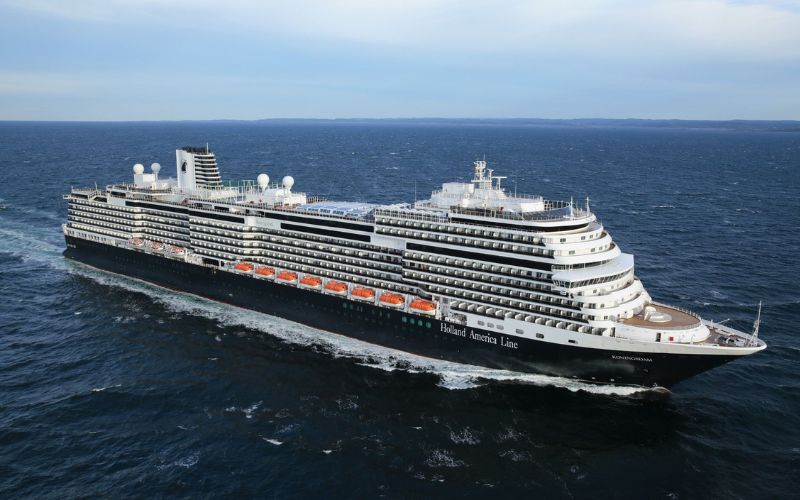
Whether you are looking for the luxury of a massive cruise liner, the solitude of a private sailing yacht, or the specific logistics of inter-island transit, understanding the maritime pathways to the islands is essential. This guide explores the various ways you can trade the clouds for the waves and arrive in the Aloha State by sea.
The Logistics of Sea Travel to the Hawaiian Islands
To understand sea travel to Hawaii, one must first grasp the sheer geography involved. The islands are located approximately 2,400 miles from the coast of California. This distance makes a standard “ferry” service impossible. There are no high-speed boats or day-trips that can bridge the gap between North America and the Hawaiian chain. Instead, travelers must rely on ocean-going vessels designed for long-haul crossings.
Transpacific Cruise Routes
The most common way for travelers to reach Hawaii by boat is via a transpacific cruise. Several major cruise lines offer itineraries that depart from West Coast ports such as Los Angeles, San Francisco, San Diego, Seattle, and Vancouver.
A typical round-trip cruise from California to Hawaii usually lasts between 15 and 18 days. The journey begins with four to five full days at sea as the ship crosses the Pacific Ocean. For many, these sea days are the highlight of the trip, offering a chance to disconnect from the world and enjoy the amenities of ships operated by Princess Cruises, Holland America Line, or Celebrity Cruises. Upon arrival, the ships typically visit the major islands, docking at ports in Honolulu on Oahu, Kahului on Maui, Nawiliwili on Kauai, and Hilo or Kona on the Big Island.
Understanding the Passenger Vessel Services Act
A critical piece of information for anyone booking a boat trip to Hawaii is the Passenger Vessel Services Act of 1886. This United States law dictates that foreign-flagged ships (which include almost all major cruise ships) cannot transport passengers directly between two United States ports without visiting a distant foreign port.
Because of this, most cruises departing from Los Angeles or San Diego must include a stop in a foreign country, such as Ensenada in Mexico or Victoria in Canada. Alternatively, travelers can find “repositioning” cruises that start in Vancouver and end in Honolulu (or vice versa) during the seasonal shifts when ships move between Alaska and the South Pacific.
Private Sailing and Yachting Across the Pacific
For the truly adventurous, the most authentic way to take a boat to Hawaii is by private sailing vessel or yacht. This is not a journey for the faint of heart or the inexperienced. It is a legendary “blue-water” crossing that tests the skills of even seasoned sailors.
Preparing for a Blue-Water Crossing
A voyage from the United States West Coast to Hawaii in a private sailboat typically takes anywhere from two to three weeks, depending on the speed of the vessel and the prevailing winds. Sailors often depart from San Francisco or Los Angeles to take advantage of the “Trade Winds” that push vessels toward the islands.
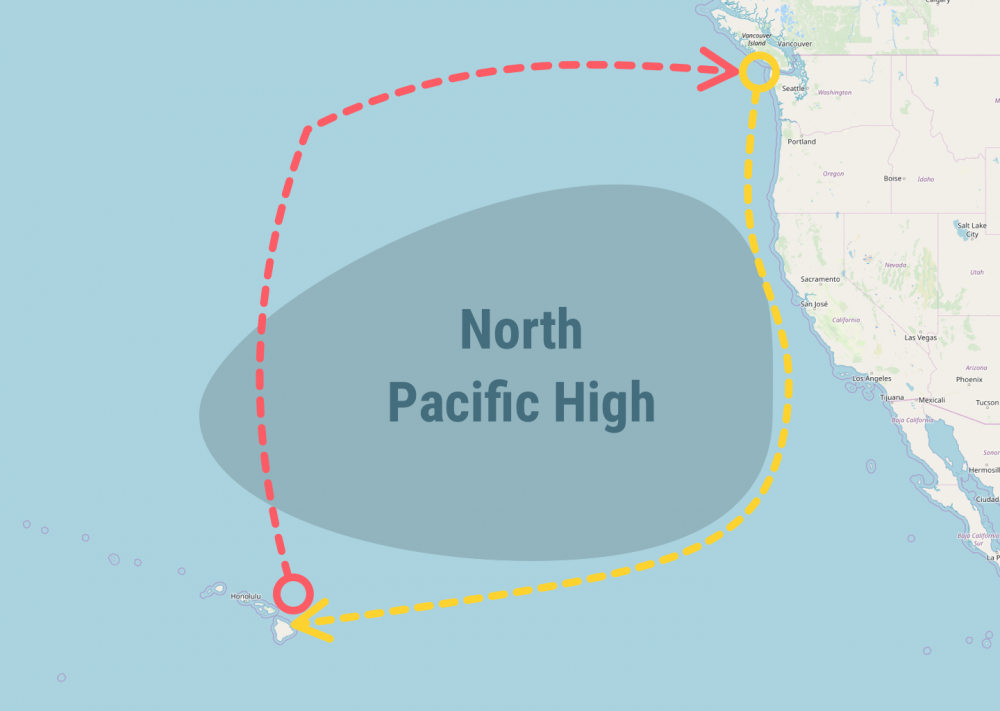
Preparation is exhaustive. One must account for weeks of food, fresh water, fuel, and emergency supplies. Communication via satellite phone or radio is mandatory, as you will be hundreds of miles from help for the majority of the trip. Events like the Transpacific Yacht Race, which starts in Point Fermin and ends at Diamond Head, showcase the professional side of this route, but cruisers do it annually for the sheer joy of the destination.
Arriving at Hawaiian Marinas
When arriving by private boat, the first sight of Hawaii is usually the towering peak of Mauna Kea or the iconic silhouette of Diamond Head. Most private vessels head for Honolulu, specifically the Ala Wai Boat Harbor, which is the largest marina in the state and located right next to Waikiki.
Other popular arrival points include Keehi Lagoon or various slips on the Big Island and Maui. It is important to note that state-run harbors in Hawaii are often crowded, and securing a transient slip requires advanced booking and strict adherence to agricultural inspections to ensure no invasive species are brought into the delicate island ecosystem.
Navigating Between the Islands by Water
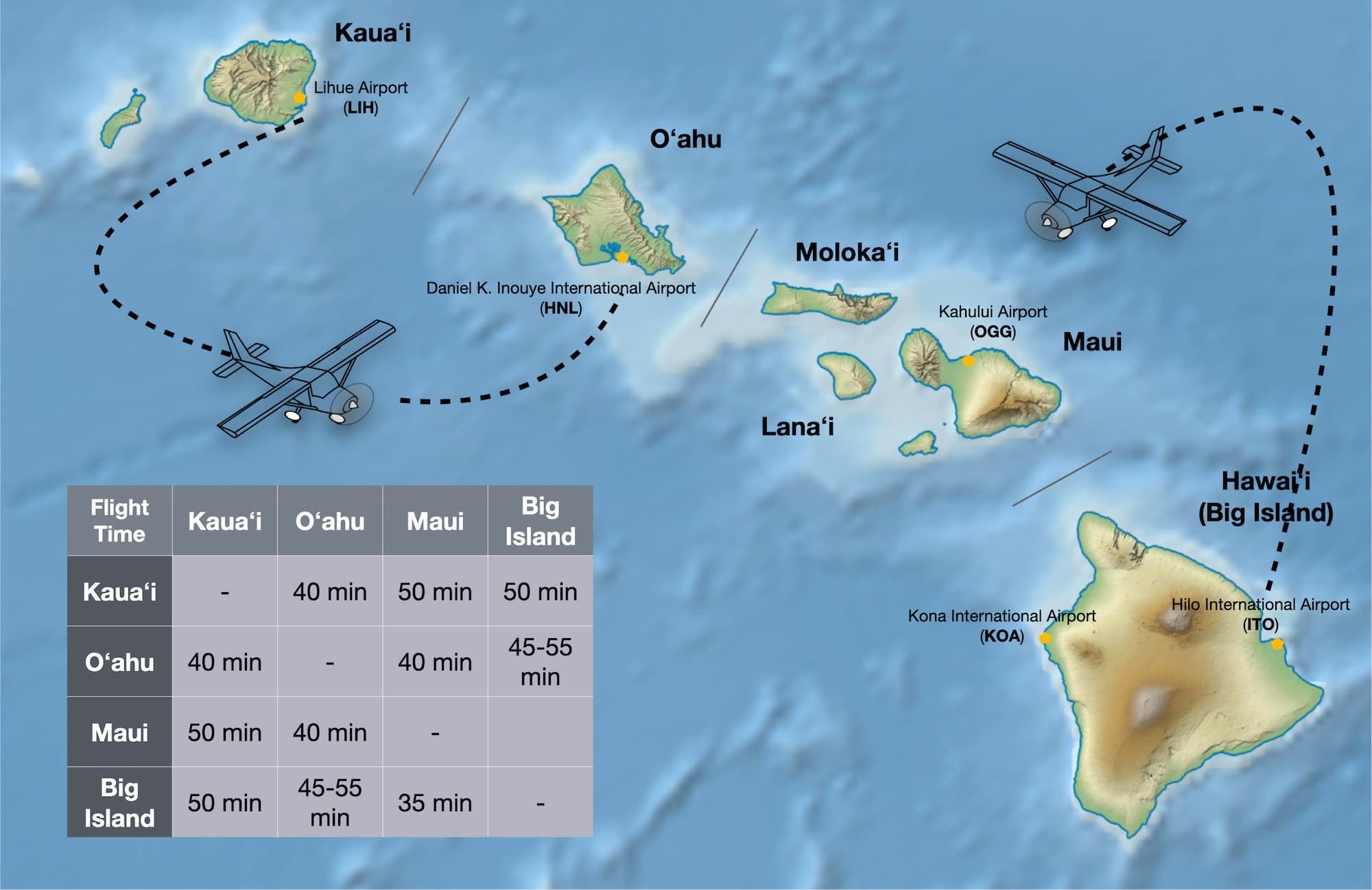
Once you have arrived in Hawaii, you might wonder if you can continue your journey between the individual islands by boat. While the state once had a robust inter-island ferry system (the Hawaii Superferry), that service is no longer operational due to environmental and legal challenges. Today, inter-island travel is dominated by short flights, but there are still limited maritime options.
The Maui to Lanai Ferry
The most reliable and popular boat service within the state is the Expeditions Lanai Ferry. This ferry runs several times daily between Lahaina (though currently impacted by local recovery efforts) or Maalaea Harbor on Maui and Manele Harbor on Lanai.
The crossing takes about an hour and offers some of the best whale-watching opportunities in the world during the winter months. It is a vital link for residents and a fantastic day-trip option for tourists staying on Maui who wish to explore the rugged beauty of Lanai. A similar, though less frequent, ferry service sometimes connects Maui with Molokai, but its availability can be seasonal and subject to change.
Cruising Within the Archipelago
For those who want to see multiple islands without flying, Norwegian Cruise Line operates the Pride of America. This is a unique vessel because it is United States-flagged, meaning it does not have to visit a foreign port.
The Pride of America stays entirely within Hawaiian waters, typically departing from Honolulu and spending seven days visiting Kahului, Hilo, Kona, and Nawiliwili. This is the only “boat” option that allows for a comprehensive multi-island tour without the long transpacific crossing from the mainland. It provides a luxurious way to see the Napali Coast of Kauai and the volcanic landscapes of the Big Island from the vantage point of the sea.
Essential Tips for Your Maritime Journey to Hawaii
Taking a boat to Hawaii is a vastly different experience than flying, and it requires a different mindset. To make the most of this seafaring adventure, consider the following travel tips.
- Prepare for Sea Conditions: The Pacific Ocean can be unpredictable. While large cruise ships have stabilizers, the crossing can still be bumpy. If you are prone to motion sickness, pack appropriate remedies.
- Embrace the Slow Pace: If you are taking a transpacific cruise, remember that you will be without land for several days. Use this time to enjoy the sunrises over the Pacific and the incredible stargazing that occurs away from city lights.
- Documentation and Customs: Even though Hawaii is part of the United States, because most boat journeys involve a foreign port (like Ensenada or Vancouver), you will likely need a passport. Always verify the specific documentation requirements with your cruise line or the U.S. Customs and Border Protection.
- Explore Beyond the Port: When your boat docks in Honolulu, don’t just stay in the harbor. Venture out to see Pearl Harbor, hike the trails near Haleakala National Park on Maui, or visit the lush gardens of Kauai.
Traveling to Hawaii by boat is more than just a logistical choice; it is a tribute to the ancient Polynesian voyagers who first discovered these islands using the stars and the currents. Whether you are reclining on the deck of a luxury ship or navigating your own helm, arriving in Hawaii by water provides a sense of scale and majesty that no airplane can match. It is a reminder that the journey is just as significant as the destination, and in the case of the Hawaiian Islands, the journey across the Pacific Ocean is truly unforgettable.
LifeOutOfTheBox is a participant in the Amazon Services LLC Associates Program, an affiliate advertising program designed to provide a means for sites to earn advertising fees by advertising and linking to Amazon.com. Amazon, the Amazon logo, AmazonSupply, and the AmazonSupply logo are trademarks of Amazon.com, Inc. or its affiliates. As an Amazon Associate we earn affiliate commissions from qualifying purchases.