
Florida‘s Evolving Electorate: A Lifestyle Lens for 2024
Understanding the demographic fabric of a state is paramount for anyone considering making it their long-term home, establishing a business, or simply seeking an extended stay that integrates deeply with local culture. In 2024, Florida, often referred to as the Sunshine State, stands at a fascinating juncture with its registered voter base. Far from being a mere political statistic, the number and composition of registered voters offer profound insights into the lifestyle, public services, economic environment, and community values that define living in Florida. For those exploring relocation, retirement, or long-term investment, these numbers are a powerful indicator of the state’s future trajectory and how it might align with personal lifestyle aspirations.
The Demographic Tapestry: What the Numbers Tell Us
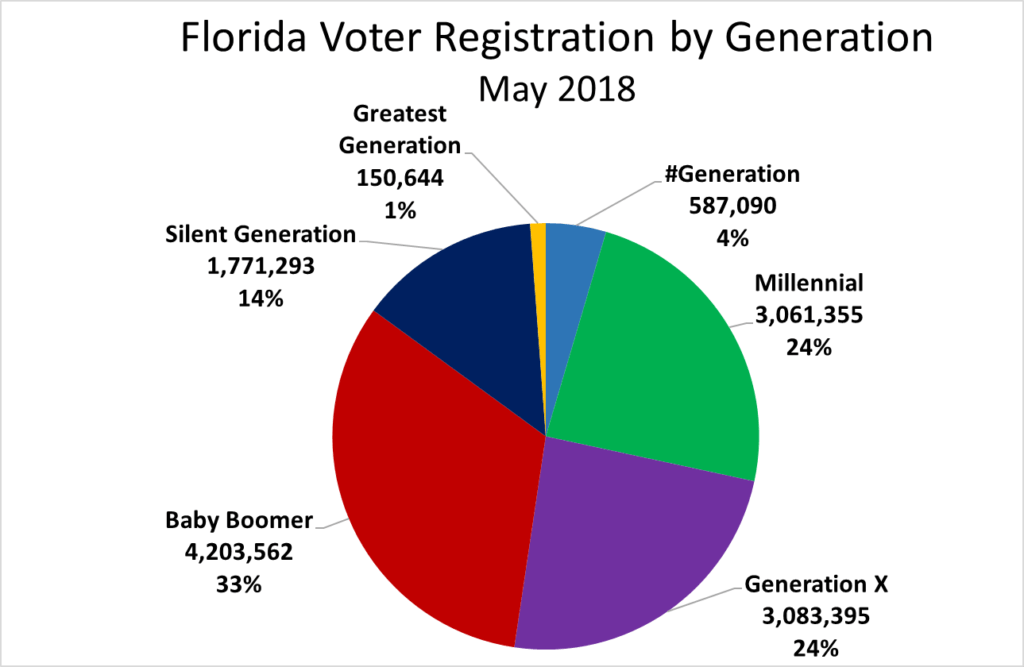
As of early 2024, preliminary data and trends suggest that Florida’s registered voter count continues to climb, reflecting the state’s robust population growth. While the final, official figures for the entire year will crystallize closer to the general election, projections indicate a registered electorate well exceeding 15 million, potentially reaching closer to 16 million by the November elections. This significant number underscores a vibrant, active populace engaged in shaping its surroundings. More than just a sum, this electorate is a complex tapestry woven from diverse age groups, socio-economic backgrounds, and geographic locations, each contributing to the unique flavor of Florida living. Analyzing these demographics goes beyond party affiliation; it reveals the prevailing sentiments and priorities that drive local policy, influence community development, and ultimately, impact the daily lives and lifestyle choices of residents.
Why Voter Data Matters for Your Florida Lifestyle
For individuals weighing a move to Florida, understanding the voter landscape is crucial for several lifestyle considerations. A state with a growing and diverse voter base implies an active civic environment, where public discourse and policy debates are often vigorous. This engagement directly translates into the quality and direction of public services—from education and healthcare to infrastructure projects and environmental protections. A robust electorate ensures that local and state governments remain accountable to their constituents, fostering an environment where residents can actively participate in shaping their communities. Moreover, the demographic makeup of voters can signal the dominant cultural ethos of an area. For instance, regions with a younger, more liberal voter base might prioritize different amenities and social programs than areas predominantly populated by older, more conservative voters. These nuances are vital for aligning personal values and lifestyle preferences with the right Florida community.
Unpacking the Registered Voter Landscape in 2024
Beyond the sheer count, the specific characteristics of Florida’s registered voters in 2024 paint a detailed picture of the state’s evolving lifestyle opportunities. Political scientists and demographers closely track various metrics, including party affiliation, age distribution, ethnic diversity, and geographic concentrations, each providing a unique lens through which to view the state’s future. For those considering a move, these breakdowns are not about political alignment per se, but about understanding the undercurrents that influence local governance, social trends, and economic development—all integral to one’s quality of life.
Projections and Growth Trends
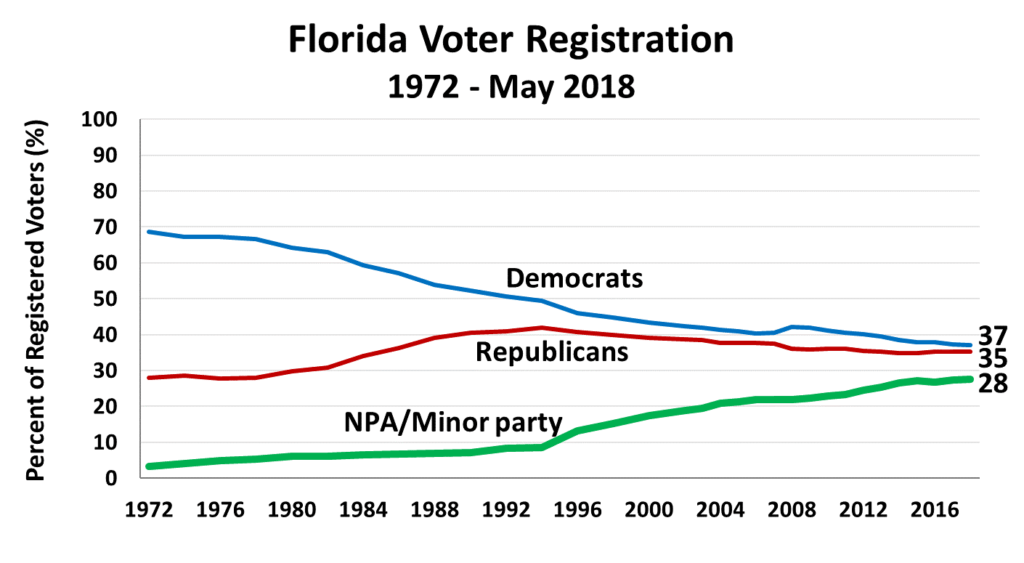
Florida’s population boom, fueled by domestic migration and international arrivals, directly translates into an expanding voter roll. While the state has historically seen a competitive balance, recent trends have shown shifts in party registration. The Republican Party has seen significant gains in recent years, surpassing the Democratic Party in total registered voters. However, the number of “No Party Affiliation” (NPA) voters remains substantial and continues to grow, representing a critical swing demographic. This dynamic balance means that policy decisions are often made with an eye toward appealing to a broad segment of the population, not just strict party lines. For residents, this can lead to a more centrist approach to governance in some areas, impacting everything from local tax rates to zoning laws, which in turn affect housing affordability and community planning – key elements of a desirable lifestyle. The continuous influx of new residents, each bringing their own perspectives and priorities, ensures that the state’s lifestyle offerings are constantly evolving, providing new opportunities for cultural enrichment, diverse culinary scenes, and varied social engagements.
Geographic Distribution and Localized Lifestyles
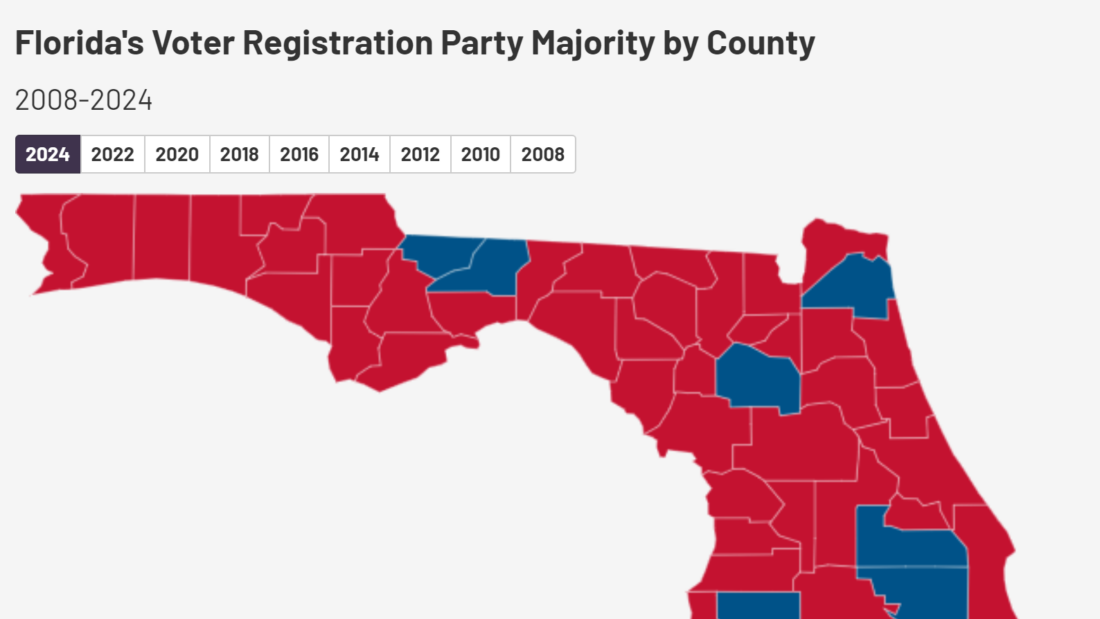
The voter landscape in Florida is far from monolithic; it exhibits distinct regional patterns that directly correspond to localized lifestyles. Major metropolitan areas like Miami, Orlando, and Tampa typically feature more diverse electorates, often with a stronger presence of Democratic Party voters and a high percentage of ethnic minorities. These regions tend to foster dynamic, cosmopolitan lifestyles, characterized by vibrant arts scenes, diverse dining options, and a wider array of public transportation and social services.
In contrast, many of the state’s more rural counties and parts of the Panhandle lean heavily towards the Republican Party, often correlating with lifestyles that prioritize conservative values, outdoor recreational activities, and a strong sense of community rooted in tradition. Cities like Jacksonville and Sarasota often represent a blend, with suburban areas reflecting mixed demographics. For an individual contemplating relocation, understanding these geographic voter patterns is crucial. It helps in selecting a community whose prevailing ethos aligns with their preferred lifestyle, whether it’s the bustling urban environment of South Florida or the serene, family-oriented atmosphere of a smaller town in Central Florida. The local political climate, shaped by its voters, dictates everything from school board decisions to environmental protections, directly affecting the quality of life for its residents.
The Impact on Florida Living: From Policy to Community Vibe
The collective voice of Florida’s registered voters in 2024 will profoundly shape the state’s future, impacting various aspects of life that contribute to an overall lifestyle. From legislative priorities to local development projects, the preferences and priorities of the electorate are the bedrock upon which the Sunshine State continues to build and evolve. For those seeking to integrate into this vibrant state, recognizing these influences is key to understanding and thriving in their chosen Florida lifestyle.
Public Services and Infrastructure Development
One of the most direct impacts of the voter base on lifestyle is seen in the allocation of resources for public services and infrastructure. An electorate that prioritizes education might lead to increased funding for schools and universities, enhancing the quality of local educational institutions—a significant factor for families. Similarly, voter support for robust healthcare initiatives can result in better hospitals, more accessible clinics, and expanded community health programs, which are vital for residents of all ages, particularly retirees. Furthermore, the push for improved roads, public transit, and smart urban planning often stems from voter demand for enhanced quality of life and reduced commutes. In a rapidly growing state like Florida, where environmental concerns like coastal protection and water quality are paramount, the political will generated by registered voters can drive policies that safeguard natural resources, ensuring that the state’s beautiful landscapes and recreational opportunities remain pristine for future generations.
Economic Environment and Business Prospects
The composition and leanings of Florida’s registered voters also have a substantial, albeit indirect, effect on the state’s economic environment and business prospects. An electorate that favors pro-business policies, lower taxes, and less regulation can attract new industries and foster job growth, creating a dynamic job market and diverse career opportunities. This directly impacts the financial stability and upward mobility of residents. Conversely, voters who prioritize social safety nets, worker protections, or environmental regulations might influence policies that balance economic growth with broader societal benefits, which can shape the types of businesses that thrive. For entrepreneurs and those considering career moves, understanding the prevailing economic philosophy supported by the voter base can provide a crucial competitive edge and help in identifying sectors with the most promising long-term growth. The stability and predictability of the political climate, itself a reflection of the electorate, is a critical factor for business investment and sustained economic vitality, directly influencing the prosperity and lifestyle options available to residents.
Cultural Dynamics and Community Values
Beyond economics and policy, the collective voice of Florida’s registered voters is a powerful determinant of the state’s cultural dynamics and community values. In counties with a strong emphasis on family values and community traditions, local initiatives might focus on youth programs, public parks, and events that reinforce a close-knit social fabric. In more diverse and urbanized areas influenced by a varied electorate, there might be a greater emphasis on cultural festivals, artistic expression, and inclusive social policies. These cultural nuances are what give each Florida community its unique charm and character. For individuals seeking a place where they feel a strong sense of belonging, aligning their personal values with the prevailing community ethos—as reflected by its voter base—is essential for a fulfilling lifestyle. From local ordinances regarding noise levels to the availability of certain types of entertainment or community gatherings, the collective voice of the electorate subtly, yet powerfully, shapes the everyday social landscape.
Navigating Your Future in the Sunshine State
For anyone contemplating a significant life change, such as relocating to Florida or investing in its future, the insights gleaned from its registered voter numbers in 2024 are invaluable. This data serves as a compass, guiding personal and professional decisions by illuminating the socio-political currents that shape the state’s lifestyle offerings. It’s about more than just statistics; it’s about understanding the heart and soul of the communities you might call home.
Informed Relocation Decisions
Making an informed relocation decision involves a holistic assessment of a potential new home. Beyond climate, amenities, and cost of living, understanding the demographic and political landscape of a specific county or city, as indicated by its voter registration data, can significantly refine your choice. For instance, if you are a young professional prioritizing a vibrant, progressive urban environment with strong public transit and diverse cultural events, analyzing voter data for areas like Miami-Dade County or Orange County (home to Orlando) can provide clues about the likelihood of such initiatives being supported. Conversely, if your lifestyle favors a more traditional, quiet community with an emphasis on outdoor recreation and lower population density, examining the voter demographics of counties in North Florida might be more telling. This granular understanding allows for a deeper alignment between your personal lifestyle preferences and the community’s prevailing direction, leading to a more satisfying and sustainable move.
Engaging with Your Chosen Community
Upon settling into a Florida community, understanding the local voter base empowers new residents to engage more effectively with their surroundings. Whether it’s advocating for local park improvements, participating in school board discussions, or supporting initiatives that align with personal values, an awareness of the community’s priorities, as reflected by its electorate, fosters deeper civic participation. This engagement is not merely a civic duty but a pathway to integrating fully into the community’s social fabric, building connections, and actively contributing to the local lifestyle. The registered voters of 2024 are the custodians of Florida’s future, and for those seeking to make the Sunshine State their home, understanding their collective influence is an essential step towards crafting a fulfilling and meaningful lifestyle.
LifeOutOfTheBox is a participant in the Amazon Services LLC Associates Program, an affiliate advertising program designed to provide a means for sites to earn advertising fees by advertising and linking to Amazon.com. Amazon, the Amazon logo, AmazonSupply, and the AmazonSupply logo are trademarks of Amazon.com, Inc. or its affiliates. As an Amazon Associate we earn affiliate commissions from qualifying purchases.