
Florida, with its miles of pristine coastline, vibrant beaches, and warm, inviting waters, is a premier destination for tourists seeking sun, sand, and surf. From the energetic shores of Miami Beach to the tranquil gulf coast of Naples, millions flock to the Sunshine State annually to indulge in myriad water activities. However, a common question that often surfaces among prospective visitors, albeit usually with a hint of trepidation, concerns the frequency of shark encounters. Understanding the actual statistics and the context behind them is crucial for any tourist planning to enjoy Florida’s aquatic playgrounds responsibly and without undue fear.
The Reality of Shark Encounters in Florida Waters
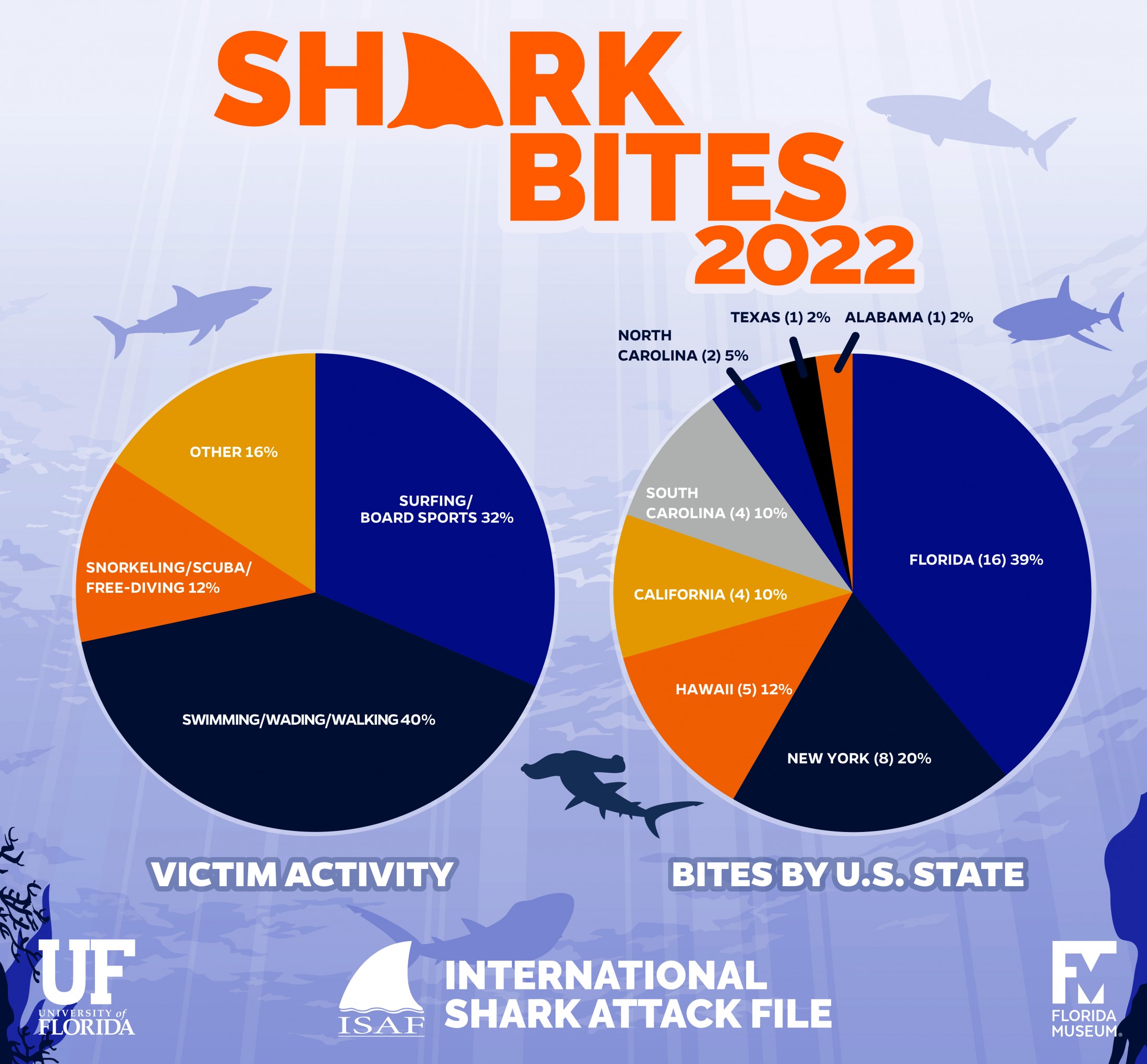
Despite sensationalized media portrayals, shark attacks remain exceedingly rare events, particularly when viewed against the backdrop of the countless hours people spend in the ocean globally each year. For tourists venturing to Florida’s beaches, the risk of a shark encounter is statistically minute compared to other common risks associated with travel or even daily life. Nonetheless, Florida consistently leads the United States in the number of reported shark bites, prompting a closer look at why this might be the case and what it truly signifies for vacationers.
Dispelling Myths vs. Understanding Statistics
The popular perception of sharks as relentless predators often overshadows their critical role in marine ecosystems. Most shark species are not interested in humans as prey. Bites typically occur due to mistaken identity, curiosity, or when a shark feels threatened. The vast majority of reported incidents in Florida are not fatal, resulting instead in minor to moderate injuries, often described as “test bites” or “hit-and-run” attacks where the shark quickly swims away after a single bite. This distinction is vital for tourists; it underscores that true predatory attacks are exceptionally rare.
Florida’s Unique Coastal Environment
Florida’s geographical features and warm waters create an ideal habitat for numerous shark species, including blacktip, spinner, bull, and tiger sharks. The state’s extensive coastline, particularly along the Atlantic, features abundant baitfish populations, which in turn attract sharks. Popular tourist activities such as surfing, swimming, and paddleboarding often occur in areas where these baitfish congregate, especially near river mouths, inlets, and sandbars, increasing the chances of incidental interactions. This natural dynamic, combined with the sheer volume of people entering the water, contributes to Florida’s higher incidence rates compared to other coastal regions.
Analyzing the Numbers: What the Data Says
To get a clearer picture of shark attacks in Florida, we turn to reliable sources like the International Shark Attack File (ISAF), maintained by the Florida Museum of Natural History at the University of Florida. The ISAF is the world’s only scientifically documented, comprehensive database of all known shark attacks.
International Shark Attack File (ISAF) Insights
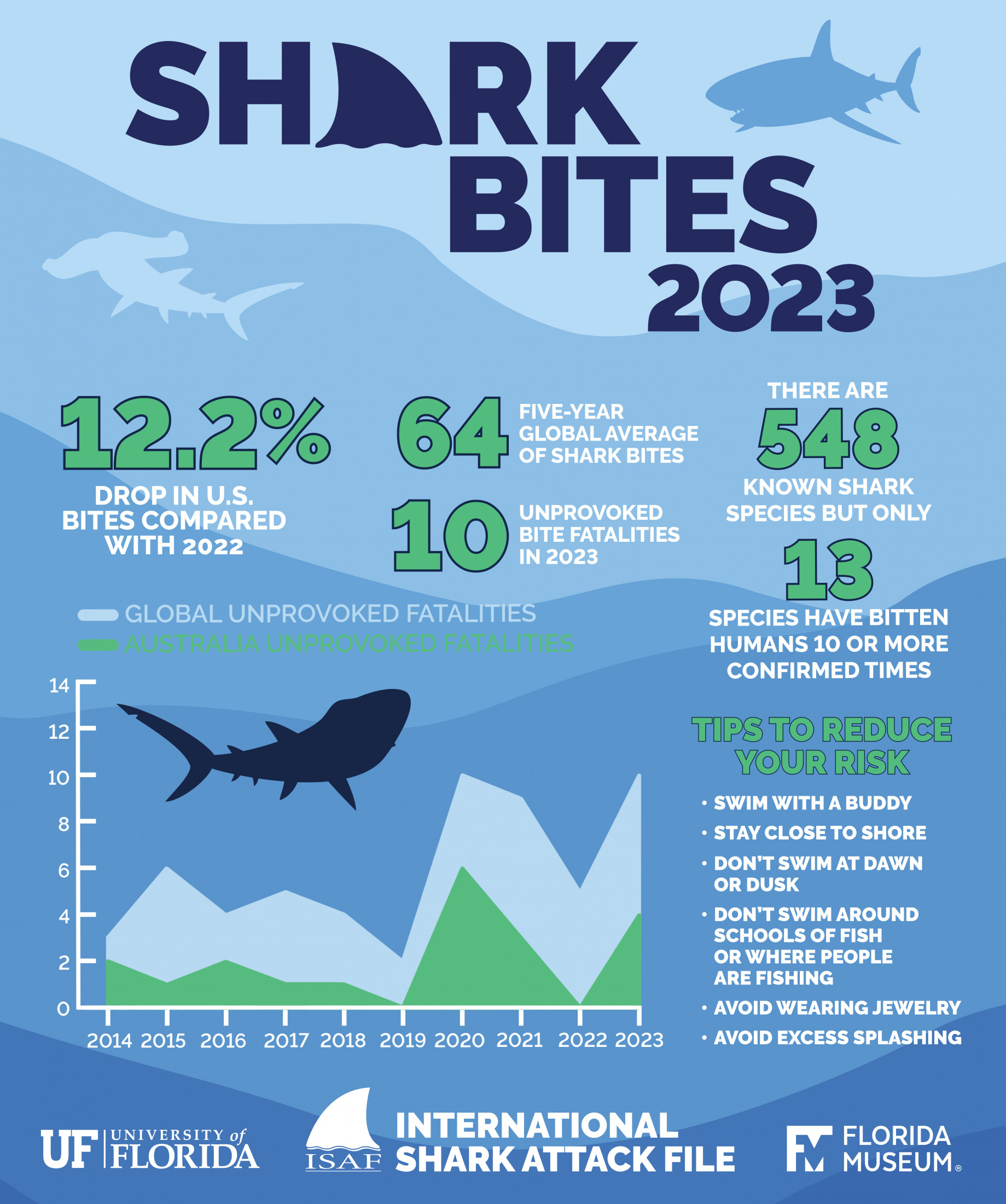
According to the ISAF, Florida consistently records the highest number of unprovoked shark bites globally each year. While the exact number fluctuates, a typical year might see anywhere from 15 to 30 unprovoked bites in Florida. For context, the entire United States usually records between 30 to 50 unprovoked bites annually, meaning Florida accounts for approximately half of the nation’s total. Globally, the average is around 70 to 80 unprovoked bites.
It’s crucial to understand that “unprovoked” means the attack occurred in the shark’s natural habitat without human provocation (e.g., harassing the shark, trying to feed it). Even with these numbers, the odds of being bitten by a shark remain incredibly low. For instance, the chance of drowning at a Florida beach or being struck by lightning is significantly higher than being involved in a shark attack. This perspective is vital for tourists assessing real risks versus perceived dangers.
Volusia County: A Closer Look
When discussing shark attacks in Florida, Volusia County, particularly around New Smyrna Beach, frequently comes up. Volusia County is often dubbed the “Shark Bite Capital of the World” due to its remarkably high concentration of incidents. This isn’t because the sharks there are more aggressive, but rather a confluence of factors:
- Geography: The area features a unique sandbar system and an inlet that creates ideal conditions for baitfish, attracting numerous sharks, especially juvenile blacktip and spinner sharks.
- Activity Level: New Smyrna Beach is a world-renowned surfing spot, attracting a high volume of surfers who spend extended periods in the water, often in areas where sharks feed. Surfers are the demographic most commonly involved in shark bites in this region.
- Type of Bites: Most bites in Volusia County are minor, often described as “ankle-biters,” where the shark mistakes a limb for a fish, resulting in non-life-threatening injuries.
While Volusia County leads in incidents, the vast majority of Florida’s other coastal areas experience very few, if any, shark bites in a given year. Tourists should be aware of this localized concentration but also understand that it doesn’t reflect the risk across the entire state.
Mitigating Risk: Essential Tips for Tourists
Understanding the statistics helps put the risk in perspective, but knowing how to minimize that risk is paramount for any tourist planning to enjoy Florida’s beautiful waters. Following simple safety guidelines can significantly reduce the already low probability of a shark encounter.

Best Practices for Ocean Safety
- Swim in groups: Sharks are more likely to approach solitary individuals. Group activity can deter them.
- Stay close to shore: Avoid venturing too far out, especially where there are sharp drop-offs or deep channels.
- Avoid dawn and dusk: These are prime feeding times for many shark species.
- Don’t wear shiny jewelry: The glint can resemble fish scales, attracting sharks.
- Avoid erratic movements: Splashing erratically can mimic a struggling fish, drawing unwanted attention.
- Heed local warnings: Always pay attention to lifeguard warnings, beach closures, and posted signs. Red flags indicate dangerous conditions, which may include increased shark activity.
Choosing Safe Swimming Times and Locations
Beyond general safety, specific location and timing choices can further enhance a tourist’s safety:
- Swim at beaches with lifeguards: Lifeguards are trained to spot potential dangers, including sharks, and can provide immediate assistance if needed.
- Avoid swimming near fishing activity: Areas where people are fishing, cleaning fish, or where baitfish are abundant can attract sharks. Look for schools of baitfish, diving seabirds, or signs of larger fish feeding as indicators.
- Stay out of murky water: Reduced visibility makes it difficult for both you and the shark to identify each other, increasing the chance of mistaken identity bites. River mouths and inlets, especially after heavy rains, can create murky conditions.
- If a shark is spotted: Remain calm, slowly and smoothly move towards shore without splashing or sudden movements.
Understanding Shark Behavior
Sharks are apex predators, but they are also generally wary of humans. Most bites are not predatory but investigative or defensive. Recognizing the signs of their presence and respecting their environment are key. If you see a shark, it’s typically best to leave the water calmly. Remember that you are entering their natural habitat, and responsible tourism includes being mindful of the wildlife around you.
When Encounters Occur: Types and Context
The terms “shark attack” can conjure images of aggressive, targeted predation, but the reality, especially in Florida, is usually quite different. Understanding the nuances of shark encounters provides further reassurance for tourists.
Unprovoked vs. Provoked Incidents
The International Shark Attack File meticulously categorizes incidents. Unprovoked bites, as discussed, occur without any human action to elicit the attack. Provoked bites, on the other hand, happen when a human initiates contact with a shark, often by trying to feed, touch, or harass it, or when a shark is caught in fishing gear. For tourists, avoiding any interaction with sharks in the wild is a simple way to prevent provoked incidents. It’s important to never approach or attempt to interact with marine wildlife.
Most Common Scenarios
In Florida, the most common scenarios for unprovoked bites involve surfers and swimmers in relatively shallow, nearshore waters. The primary species involved are often juvenile blacktip and spinner sharks, which are generally smaller and less dangerous than larger species. These sharks are actively feeding on baitfish, and a human limb splashing in the water can easily be mistaken for prey. The resulting bite is usually a quick “hit-and-run” where the shark realizes its mistake and departs. While still an unpleasant experience, these incidents rarely result in life-threatening injuries, primarily causing lacerations that require medical attention.
Enjoying Florida’s Beaches Responsibly
Ultimately, the goal for any tourist visiting Florida is to have a safe and enjoyable experience. While shark attacks are a legitimate concern for some, they should not deter visitors from experiencing Florida’s stunning coastal attractions. By arming oneself with accurate information and adhering to safety protocols, the risk can be minimized to an almost negligible level.
Local Awareness and Resources
Local authorities and lifeguard services in Florida are highly aware of the marine environment and any potential risks. They provide essential services, from monitoring ocean conditions to educating the public. Tourists should utilize these resources: check local beach reports, speak to lifeguards, and observe any posted warnings. These proactive measures are part of responsible tourism and ensure a safer, more informed visit.
The Overall Low Risk Factor
To put it into perspective, the odds of being fatally attacked by a shark in Florida are astronomically low – far less than the risk of being killed by a lightning strike, a bee sting, or even a dog attack. For most tourists, the greatest dangers at the beach are rip currents, sun exposure, and dehydration. By focusing on these more common threats and exercising basic ocean safety, visitors can confidently enjoy the incredible beauty and recreational opportunities that Florida’s coastlines offer, making memories that will last a lifetime without undue worry about sharks.
LifeOutOfTheBox is a participant in the Amazon Services LLC Associates Program, an affiliate advertising program designed to provide a means for sites to earn advertising fees by advertising and linking to Amazon.com. Amazon, the Amazon logo, AmazonSupply, and the AmazonSupply logo are trademarks of Amazon.com, Inc. or its affiliates. As an Amazon Associate we earn affiliate commissions from qualifying purchases.