
Securing long-term accommodation in Florida often involves the significant step of purchasing a home. While the down payment receives much attention, an equally crucial financial consideration for any prospective homeowner is the array of closing costs. These are the expenses, beyond the property’s purchase price, that buyers and sellers incur to finalize a real estate transaction. Understanding these costs is paramount for anyone planning a long-term stay in the Sunshine State, ensuring a smooth transition into their new permanent accommodation.
Understanding Closing Costs in Your Long-Term Accommodation Plan
When contemplating a long-term stay in Florida by purchasing a property, closing costs represent a vital segment of your overall budget. They are not merely an afterthought but a collection of fees and expenses charged by various parties involved in the home buying process, from lenders and title companies to government entities. These costs encompass a wide range of services necessary to legally transfer ownership and secure a mortgage, ultimately finalizing your long-term accommodation investment.
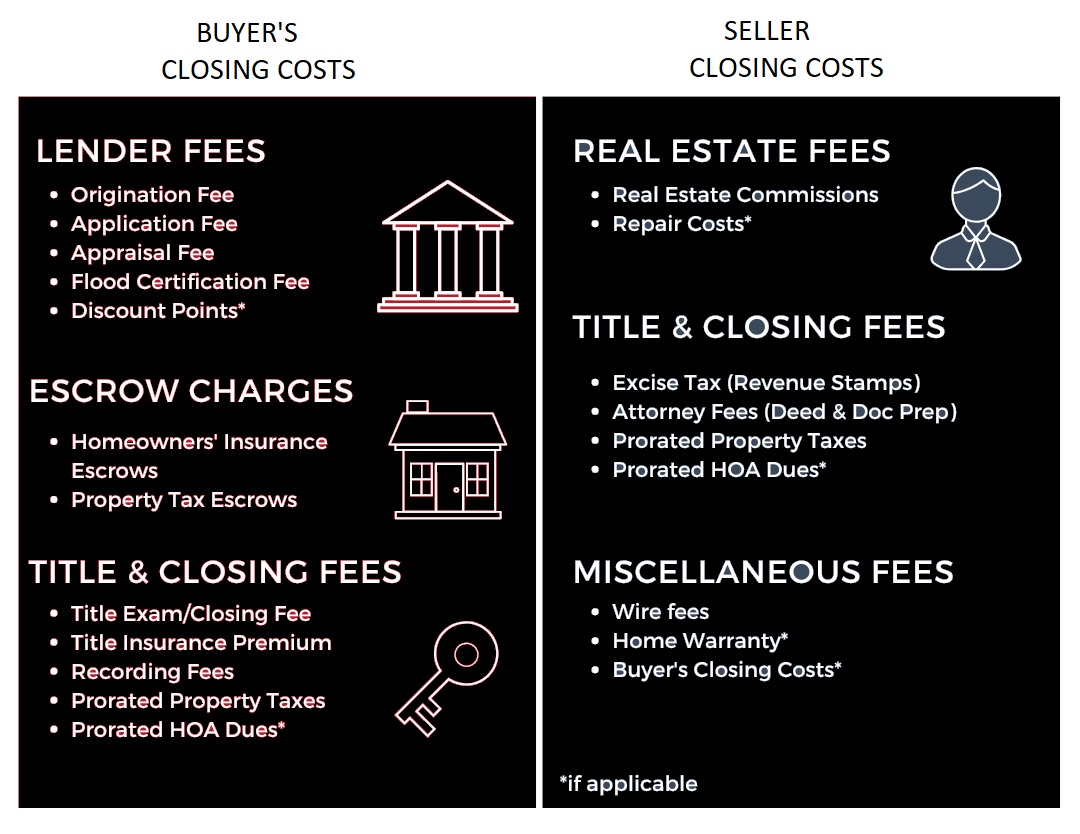
For buyers, closing costs typically fall into three main categories: lender fees, title and escrow fees, and government taxes/recording fees, often combined with prepaid expenses. Overlooking these can lead to unwelcome financial surprises right before you settle into your new Florida residence. A clear understanding and diligent budgeting for these expenses are essential to prevent delays or financial strain at closing, ensuring your accommodation plans proceed without a hitch. The exact amount will vary based on several factors, including the property’s value, the type of loan, and even the specific county within Florida where you choose to establish your long-term home.
Key Components of Closing Costs for Florida Homebuyers
Closing costs in Florida are a composite of numerous individual fees, each contributing to the overall expense of securing your long-term accommodation. Breaking down these components offers clarity and helps in anticipating the financial commitment.
Lender Fees
These fees are charged by the mortgage lender for processing your loan application and originating the mortgage. They can include:
- Loan Origination Fee: A fee for processing the loan, typically a percentage of the loan amount (e.g., 0.5% to 1%).
- Underwriting Fee: Covers the cost of evaluating your loan application and financial risk.
- Processing Fee: For administrative tasks associated with your loan.
- Appraisal Fee: Paid to an independent appraiser to determine the property’s market value, ensuring it’s commensurate with the loan amount.
- Credit Report Fee: Covers the cost of pulling your credit history.
- Flood Certification Fee: Determines if the property is in a designated flood zone, necessitating flood insurance.
Title and Escrow Fees
These charges ensure that the property’s title is clear and that the transaction is managed impartially. They are critical for protecting your long-term accommodation investment.
- Title Search: Investigates the property’s historical records to confirm clear ownership and identify any liens or encumbrances.
- Title Insurance (Owner’s Policy): Protects the buyer from any future claims against ownership of the property. In Florida, the seller typically pays for the owner’s title policy.
- Title Insurance (Lender’s Policy): Protects the lender’s interest in the property should a title dispute arise. The buyer usually pays for this.
- Escrow Services/Settlement Fee: Paid to the title company or attorney for managing all funds and documents during the closing process.
- Notary Fees: For notarizing various legal documents.
Government Recording Fees and Taxes
State and local governments impose fees and taxes on real estate transactions. Florida has specific taxes that contribute significantly to closing costs.
- Documentary Stamp Tax on Deed: Paid on the transfer of real property, calculated based on the purchase price. In most Florida counties, it’s $0.70 per $100 of consideration (value), except in Miami-Dade County where it’s $0.60 per $100 for single-family homes.
- Documentary Stamp Tax on Mortgage: A tax on the mortgage itself, typically $0.35 per $100 of the mortgage amount.
- Intangible Tax on Mortgages: Specific to Florida, this tax is 0.002 on the total loan amount.
- Recording Fees: Paid to the county for officially recording the deed and mortgage documents.
Prepaid Expenses and Escrow Deposits

These are not technically closing costs but rather expenses that buyers prepay or deposit into an escrow account for future payments related to the property.
- Property Taxes: Buyers often prepay several months of property taxes at closing, which are then held in an escrow account by the lender.
- Homeowner’s Insurance: Lenders typically require the first year’s homeowner’s insurance premium to be paid in full at closing. Future premiums are usually collected monthly and held in escrow.
- Homeowners Association (HOA) Fees: If the property is part of an HOA, buyers may need to prepay a portion of annual or monthly dues and sometimes a capital contribution fee.
Other Potential Costs
Depending on the specific transaction, other fees might arise:
- Survey Fee: Confirms property boundaries and identifies easements.
- Attorney Fees: While not mandatory in Florida for real estate closings, some buyers opt for legal representation, particularly for complex transactions.
- Inspection Fees: Although home inspections are crucial, these fees are typically paid directly to the inspector outside of the closing settlement, but they are still an essential part of the home acquisition cost.
Factors Influencing Closing Costs Across Florida
The amount you ultimately pay in closing costs for your long-term accommodation in Florida is not static. Several variables contribute to the final tally, making it essential to consider them when budgeting.
- Property Value and Loan Amount: Generally, the higher the purchase price and loan amount, the higher certain closing costs will be. Taxes like documentary stamp tax on the deed and mortgage, as well as intangible tax, are directly proportional to these figures. Lender fees, if calculated as a percentage, also increase with the loan size.
- Location within Florida: While many state-level taxes are uniform, local recording fees and specific county or municipal surcharges can vary. Furthermore, market dynamics in different Florida regions can influence service provider fees. For instance, costs might differ between a bustling metropolitan area like Miami or Orlando and a more rural locale. Highly sought-after areas such as Naples or Palm Beach may see slightly higher service fees for some aspects.
- Type of Loan: The type of mortgage loan significantly impacts closing costs.
- Conventional Loans: Typically have standard lender fees.
- FHA Loans: Come with specific upfront and annual mortgage insurance premiums, which are part of closing costs.
- VA Loans: Often have a VA funding fee (unless exempt) but allow certain closing costs to be paid by the seller, and they restrict the types of fees veterans can be charged, making them potentially more cost-effective for eligible buyers.
- Lender Choice: Different lenders have varying fee structures for origination, underwriting, and processing. Shopping around for a mortgage can reveal significant differences in these specific charges.
- Negotiations Between Buyer and Seller: In Florida, many closing costs are negotiable, depending on market conditions and the terms of the purchase agreement. Sellers might agree to pay a portion of the buyer’s closing costs (seller concessions) to facilitate the sale, especially in a buyer’s market. This can substantially reduce the immediate out-of-pocket expense for securing long-term accommodation.
Estimating Your Closing Costs for a Florida Long-Term Stay
As a general guideline, closing costs in Florida typically range from 2% to 5% of the total loan amount or purchase price. For example, on a $300,000 home with a $250,000 loan, you could anticipate closing costs anywhere from $5,000 to $12,500. This percentage can vary widely based on the factors outlined previously.
The most accurate estimate you will receive is detailed on the Loan Estimate document, which your lender is legally required to provide within three business days of receiving your loan application. This document breaks down all estimated closing costs, including third-party fees, lender charges, and prepaid items, offering a clear picture of what you’ll need to save beyond your down payment for your Florida long-term accommodation.
Strategies for Potentially Reducing Closing Costs:
- Negotiate with the Seller: As mentioned, asking the seller for concessions to cover some closing costs is a common strategy. In Florida, these contributions are often capped based on the loan type and down payment percentage.
- Shop for Lenders: Compare Loan Estimates from several lenders. While some fees are standard, others can differ, especially origination and processing fees.
- Consider a No-Closing-Cost Loan: Some lenders offer loans where they cover the closing costs in exchange for a slightly higher interest rate. While this reduces upfront expenses for your long-term accommodation, it increases the total cost of the loan over its lifetime.
- Military Benefits: Eligible veterans using a VA loan often pay fewer closing costs, as the VA limits the types of fees lenders can charge them.
- Delay Prepaids: If applicable, sometimes prepaid items like property taxes can be slightly adjusted based on the closing date, though this is usually minimal.
For specific areas like Tampa, Jacksonville, or Fort Lauderdale, local real estate agents and mortgage brokers will have up-to-date knowledge of regional fee variations and can provide more localized estimates. Working with experienced professionals familiar with the Florida market is crucial for an accurate forecast of these expenses.

Strategic Planning for Your Florida Home Purchase
Acquiring long-term accommodation in Florida requires meticulous financial planning that extends beyond the sticker price of the home. Prospective buyers must budget for closing costs as a distinct and significant outlay. This preparedness not only averts last-minute stress but also ensures you have sufficient liquid funds to cover all the necessary expenditures to finalize your property purchase.
It is highly advisable to start saving for closing costs well in advance, just as you would for your down payment. Engaging with a local real estate agent and a reputable mortgage lender early in your search for permanent accommodation in Florida will provide you with realistic estimates and guidance. These professionals can explain the nuances of Florida’s specific closing cost structure and help identify opportunities for potential savings or seller contributions.
Finally, pay close attention to the Closing Disclosure, which you will receive at least three business days before your scheduled closing date. This document is a final itemized list of all actual closing costs, including what you owe. Compare it carefully with your initial Loan Estimate. Understanding every line item on the Closing Disclosure is your last opportunity to identify any discrepancies or unexpected charges before committing to your long-term accommodation in Florida. Diligence at this stage is key to a financially sound and smooth closing experience.
LifeOutOfTheBox is a participant in the Amazon Services LLC Associates Program, an affiliate advertising program designed to provide a means for sites to earn advertising fees by advertising and linking to Amazon.com. Amazon, the Amazon logo, AmazonSupply, and the AmazonSupply logo are trademarks of Amazon.com, Inc. or its affiliates. As an Amazon Associate we earn affiliate commissions from qualifying purchases.