
Florida, often referred to as the Sunshine State, is an undisputed magnet for travelers seeking sun-drenched beaches, vibrant cities, and unparalleled theme park adventures. However, its unique geographical position also places it squarely in the path of tropical weather systems, leading many prospective visitors to ponder: how often do hurricanes hit Florida? Understanding the realities of hurricane season, the statistical likelihood of impact, and effective preparedness strategies is paramount for any traveler planning a memorable and safe trip to this beloved destination. While the thought of a hurricane can be daunting, a clear-eyed perspective coupled with proactive planning can ensure a rewarding Florida experience, even during the historically active months.
Understanding Florida’s Unique Vulnerability
Florida’s vulnerability to hurricanes is primarily a consequence of its distinctive geography. As a large peninsula extending into warm tropical waters, it is naturally exposed to systems originating in the Atlantic Ocean, Gulf of Mexico, and Caribbean Sea. These warm waters act as fuel for tropical depressions, enabling them to intensify into tropical storms and then hurricanes as they track westward or northward. The state’s extensive coastline, both on the Atlantic and Gulf sides, means that nearly every part of Florida is susceptible to direct or indirect impacts, including heavy rainfall, strong winds, and dangerous storm surge.
A Peninsular State’s Exposure
The elongated shape of Florida means it acts almost like a magnet for these systems. Storms forming off the coast of Africa (Cape Verde storms) often track across the Atlantic towards the Caribbean or the Bahamas, frequently curving north towards the Florida coastline. Similarly, systems developing in the Gulf of Mexico can quickly strengthen and make landfall anywhere from the Florida Panhandle down to the southwest coast. The warm, shallow waters surrounding the state provide an ideal environment for storms to maintain or even increase their intensity right up to landfall. This unique confluence of geography and oceanographic conditions dictates that Florida will always be one of the most hurricane-prone regions in the United States.
Historical Context of Storm Activity
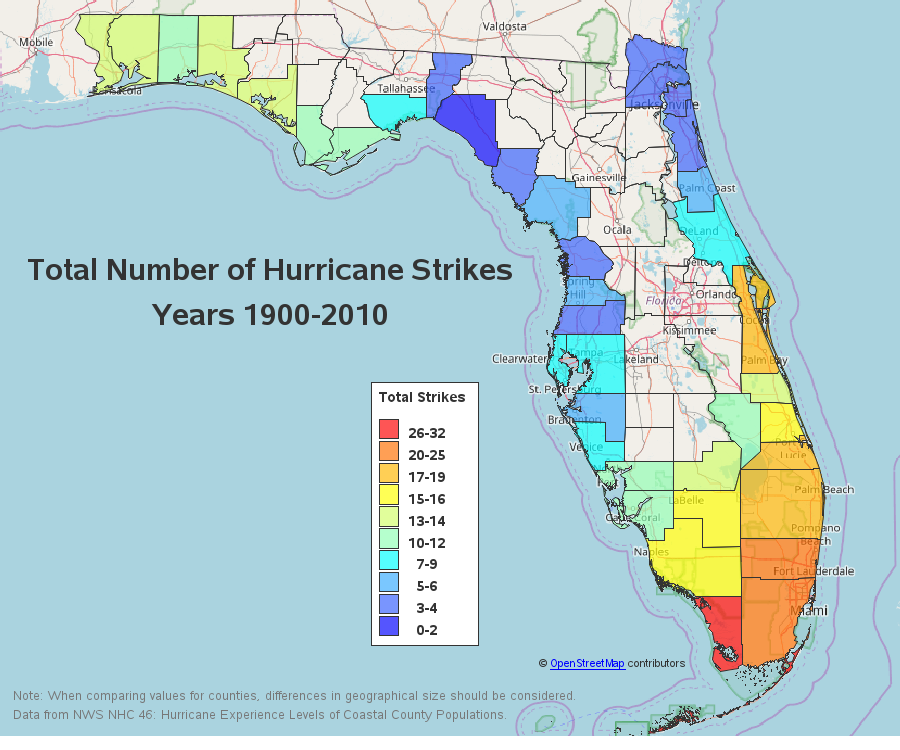
Historically, Florida has experienced more direct hurricane hits than any other U.S. state. Since official records began in 1851, the state has been impacted by well over a hundred hurricanes. Some of the most memorable and impactful include Hurricane Andrew in 1992, a devastating Category 5 storm that struck south Florida, and Hurricane Irma in 2017, a massive storm that affected nearly the entire state. These events, while destructive, have also fostered a culture of preparedness and resilience within the state’s infrastructure and population. The frequency of these historical events underscores the importance for travelers to be informed and prepared, rather than deterred, when planning a visit during hurricane season.
Decoding Hurricane Season: What Travelers Need to Know
For travelers, understanding the hurricane season is not about avoiding Florida entirely, but about making informed decisions. The official Atlantic hurricane season runs for half the year, bringing with it varying levels of risk and preparation requirements.
The Official Season: June 1st to November 30th
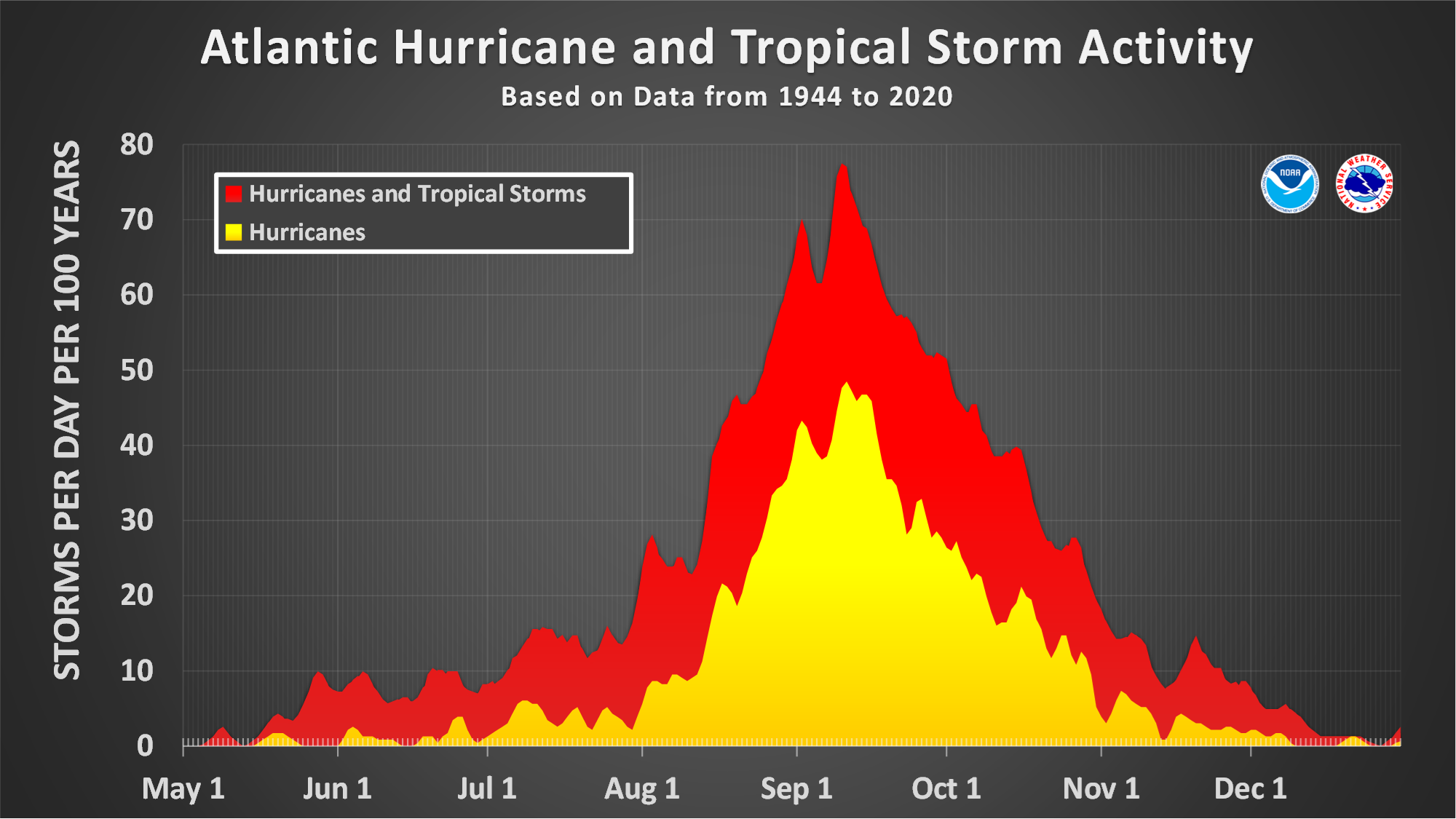
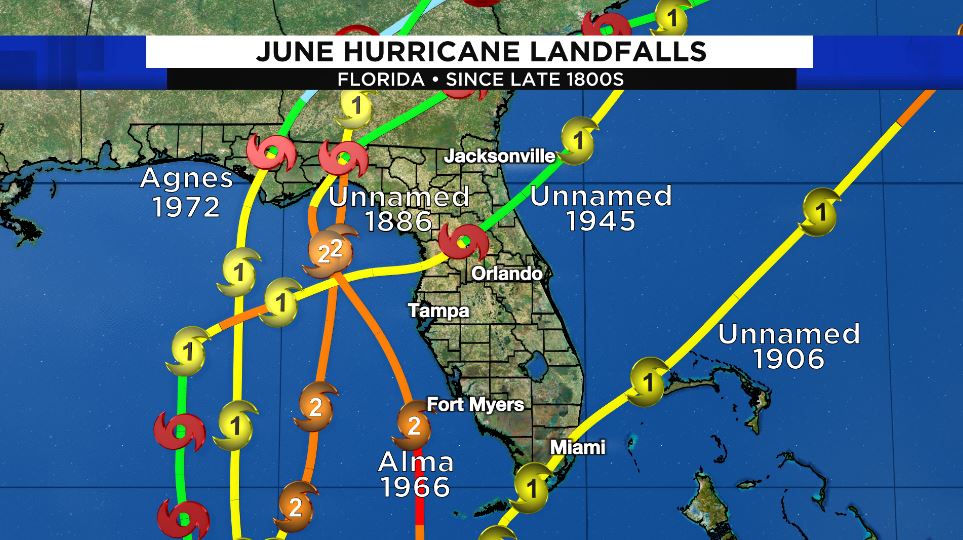
The Atlantic hurricane season officially spans from June 1st to November 30th each year. While storms can technically form outside this window, the vast majority occur within these six months. The season typically sees a gradual ramp-up in activity through June and July, often marked by the formation of weak tropical storms. However, the peak of the season is undeniably from mid-August through October, with September historically being the most active month. During this peak period, oceanic conditions are most favorable for the development of strong, long-lived hurricanes. Travelers planning trips during these months should pay closer attention to weather forecasts and emergency preparedness information. While early June and late November still fall within the official season, the statistical probability of a major hurricane impact is generally lower than during the late summer and early fall.
Statistical Likelihood and Intensity
While Florida is frequently in the cone of uncertainty, a direct hit from a major hurricane in any given year is statistically less common than many might assume. On average, Florida experiences a direct hit from a hurricane every few years, with a major hurricane (Category 3 or higher on the Saffir-Simpson Hurricane Wind Scale) being less frequent, perhaps once every five to eight years. However, these are averages, and specific years can deviate significantly. For example, 2004 saw four hurricanes impact the state in a single season. It’s important to differentiate between a named storm, a tropical storm, and a hurricane, as well as the intensity categories. Many systems that approach Florida remain as tropical depressions or weak tropical storms, bringing heavy rain and localized flooding rather than destructive winds. The true concern for travelers lies with the less frequent but more dangerous major hurricanes.
Regional Differences Across the Sunshine State
The vastness of Florida means that hurricane impacts can vary significantly by region. The state’s different coastlines and inland areas have distinct risk profiles:
- South Florida and the Florida Keys: Areas like Miami and the Florida Keys are highly exposed to storms developing in the Caribbean Sea and the southern Atlantic. The Keys, being an archipelago, are particularly vulnerable to storm surge and require early evacuation due to limited access.
- Florida Panhandle: This region, including destinations like Panama City Beach, is more frequently impacted by systems forming in the Gulf of Mexico. These storms can sometimes develop rapidly close to the coast.
- Central Florida: Inland areas like Orlando, while not directly affected by storm surge, can still experience significant wind damage, widespread power outages, and torrential rainfall leading to inland flooding, even from storms making landfall hundreds of miles away.
- West Coast (Gulf Coast): Cities like Tampa are vulnerable to Gulf of Mexico storms, with the unique geography of Tampa Bay making it susceptible to significant storm surge under certain conditions.
Travelers should research the specific risk profile of their chosen destination within Florida and tailor their preparedness accordingly.
Mitigating Risks and Planning for a Safe Florida Vacation
Traveling to Florida during hurricane season doesn’t have to be a gamble; it’s about smart planning and staying informed. By taking proactive steps, travelers can significantly mitigate potential risks and ensure a more secure and enjoyable trip. The key is to be prepared, not to panic.
Best Times to Visit for Lower Risk
For those who wish to minimize their hurricane risk, the ideal times to visit Florida are outside the peak hurricane season. The shoulder seasons, particularly April to May and late November to early December, offer excellent weather with significantly lower chances of tropical storm activity. March also presents a good option, though it can coincide with spring break crowds. Even within the official hurricane season, early June offers a relatively lower risk, and late October to early November sees a considerable drop in storm frequency compared to the peak in September. These periods often boast pleasant temperatures, fewer crowds, and potentially better deals on accommodation and flights, offering a win-win for savvy travelers.
Essential Pre-Trip Preparation
Thorough preparation is your best defense against unexpected weather events.
- Travel Insurance: This is perhaps the most crucial investment for hurricane season travel. Look for comprehensive “cancel for any reason” policies or those that specifically cover hurricane-related disruptions, including cancellations, delays, and mandatory evacuations. Understand the policy’s terms regarding when coverage begins and what specific events are covered.
- Understand Cancellation Policies: Before booking, familiarize yourself with the cancellation and refund policies of airlines, hotels, and tour operators. Many offer more flexible terms during hurricane season, but it’s vital to confirm.
- Emergency Contacts and Documents: Keep a digital and physical copy of important documents like passports, IDs, insurance policies, and reservation details. Have a list of emergency contacts, including family members, your hotel, and your insurance provider.
- Packing Essentials: While not strictly hurricane prep, having a small emergency kit with basic first aid, a flashlight, power bank, and any necessary medications can be beneficial in any travel scenario.
Staying Informed During Your Trip
Once in Florida, vigilance is key.
- Monitor Official Sources: Regularly check updates from reliable sources like the National Hurricane Center (NHC) and local weather channels. The NHC provides official advisories, cone forecasts, and detailed discussions about active systems.
- Local Authorities: Pay attention to alerts from local county emergency management offices. These are your most direct source for specific information regarding your immediate location. Many counties offer opt-in text alerts.
- Hotel Communication: Stay in communication with your hotel staff. They are typically well-versed in local emergency plans and can provide guidance specific to your accommodation.
Understanding Evacuation Procedures
Should a significant storm threaten your area, local authorities may issue evacuation orders.
- Know Your Zone: If staying in a coastal area, understand if you are in an evacuation zone (often designated A, B, C, etc.). Your hotel or rental property management can provide this information.
- Follow Guidance: Always comply with official evacuation orders immediately. These orders are issued for your safety. Do not wait for conditions to worsen.
- Evacuation Routes: Be aware of designated evacuation routes, which are usually clearly marked. These routes are designed to efficiently move people out of harm’s way.
Having a plan and being prepared to act swiftly can make all the difference in ensuring a safe outcome during a hurricane threat.
The Resilience of Florida’s Travel Infrastructure
Despite its exposure to hurricanes, Florida’s travel and tourism industry demonstrates remarkable resilience. The state has invested heavily in robust infrastructure and sophisticated emergency management systems, allowing it to recover swiftly and maintain its appeal as a premier travel destination. This underlying strength provides a layer of reassurance for travelers.
Swift Recovery Efforts
One of Florida’s defining characteristics is its ability to bounce back quickly after a storm. State and local agencies, alongside utility companies and private contractors, have highly coordinated disaster response plans. Infrastructure repairs, debris removal, and power restoration often begin even before a storm has fully exited the state. Major roadways are cleared rapidly, and essential services are restored with impressive speed, minimizing long-term disruption. This rapid response means that while an immediate area might be affected for a short period, the vast majority of Florida’s attractions and amenities are usually operational again within days or weeks, rather than months. Communities work together to support recovery, often exceeding expectations in their commitment to welcome visitors back.
Tourism Industry Preparedness
Hotels, resorts, theme parks, and other tourist attractions in Florida operate with comprehensive hurricane preparedness plans. These plans include detailed procedures for guest safety, staff training, property securing, and post-storm recovery. Many establishments have backup power generators, ample supplies, and dedicated communication channels to keep guests informed. The proactive measures taken by the tourism sector ensure that, should a storm approach, guests are well-cared for, informed, and assisted in any necessary evacuations. Their experience in managing these events contributes significantly to the overall safety and confidence of travelers. Major theme parks, for instance, have highly refined procedures for guest evacuation and park closure, demonstrating their readiness.
Off-Season Benefits and Considerations
Traveling during Florida’s hurricane season, particularly outside the peak periods of June-July and late October-November, can offer distinct advantages for travelers who are prepared to monitor weather conditions. These periods often translate into significantly fewer crowds, especially at popular attractions like the theme parks in Orlando or the beaches of South Florida. This reduction in tourist volume can lead to a more relaxed and enjoyable experience, with shorter lines, easier access to restaurants, and more availability for popular activities. Furthermore, accommodation rates, flight prices, and other travel expenses tend to be lower during these times, presenting an opportunity for a more budget-friendly vacation. While the risk of a storm is present, the potential for a more serene and economical trip often outweighs the concern for many experienced travelers who prioritize flexibility and preparedness. Understanding the balance between risk and reward is key to enjoying Florida year-round.
LifeOutOfTheBox is a participant in the Amazon Services LLC Associates Program, an affiliate advertising program designed to provide a means for sites to earn advertising fees by advertising and linking to Amazon.com. Amazon, the Amazon logo, AmazonSupply, and the AmazonSupply logo are trademarks of Amazon.com, Inc. or its affiliates. As an Amazon Associate we earn affiliate commissions from qualifying purchases.