
For entrepreneurs, digital nomads, and small business owners choosing to establish or operate within the vibrant economic landscape of Florida, understanding crucial business regulations is paramount to a sustainable and successful lifestyle. Among these, the Florida Resale Certificate stands out as a fundamental tool for businesses engaged in selling tangible personal property. This certificate, often overlooked by those new to the state’s commercial intricacies, is not merely a piece of paper; it’s a strategic advantage that allows eligible businesses to purchase items for resale without incurring sales tax at the point of acquisition. This directly impacts cash flow and profitability, enabling a more agile and efficient operation, which is often a cornerstone of the modern entrepreneurial lifestyle.

Whether you’re setting up a boutique e-commerce shop from your new home in Miami, launching a seasonal craft business in Orlando, or operating a dropshipping venture with suppliers in Tampa, navigating the requirements for a Florida Resale Certificate is a rite of passage. It ensures that your business adheres to state tax laws while optimizing your operational costs. This guide delves into the nuances of the application process, offering insights tailored for individuals who value flexibility and efficiency in their business endeavors, aligning with a lifestyle that often transcends traditional office settings.
Understanding the Florida Resale Certificate for Your Business Lifestyle
Embracing the entrepreneurial spirit in Florida means understanding the tools at your disposal to thrive. The Resale Certificate is one such indispensable tool, designed to prevent businesses from paying sales tax twice on the same item—once when they purchase it from a supplier, and again when they sell it to their end customer. This mechanism is central to maintaining competitive pricing and healthy profit margins, which are vital for any lifestyle business, whether it’s a side hustle or your primary income source.
Why It’s Essential for Entrepreneurs and Digital Nomads in Florida
For many entrepreneurs drawn to Florida’s favorable business climate and quality of life, agility and cost-effectiveness are key. A Florida Resale Certificate allows you to:
- Optimize Cash Flow: By not paying sales tax on inventory purchases, you free up capital that can be reinvested into growth, marketing, or personal development, aligning with a self-directed lifestyle.
- Maintain Competitive Pricing: Avoiding double taxation ensures your product costs are lower, enabling you to offer more attractive prices to your customers.
- Ensure Compliance: Operating legally and ethically reduces stress and ensures long-term business viability, providing peace of mind often sought by those pursuing a flexible work-life balance.
- Streamline Operations: Once obtained, the certificate simplifies procurement from suppliers, making your purchasing process more efficient.
The certificate essentially acts as proof to your suppliers that the goods you are purchasing are intended for resale, not for your own consumption. This applies to a wide array of businesses, from those selling physical products in a brick-and-mortar store to e-commerce ventures shipping across the country from a Florida base.
What It Allows You to Do: Purchase for Resale Tax-Exempt
At its core, the Florida Resale Certificate permits businesses to purchase tangible personal property or services tax-exempt when those items are specifically intended for resale. This can include:
- Finished goods that you will sell directly to consumers.
- Component parts that will be incorporated into a new product for sale.
- Services that become an integral part of a taxable service you provide.
It’s crucial to understand that the certificate does not exempt you from paying sales tax on items you purchase for your business’s own use, such as office supplies, equipment, or furniture. Its purpose is strictly tied to goods or services acquired with the direct intent of reselling them to an end-user. Misusing the certificate can lead to significant penalties, undermining the very stability a business owner seeks in their chosen lifestyle.
Who Needs It: Businesses Selling Tangible Personal Property
Any individual or entity operating a business in Florida that purchases tangible personal property or services with the intent to resell them to customers will likely need a Resale Certificate. This encompasses a broad spectrum of ventures, including but not limited to:
- Retail stores (online and physical)
- Wholesale distributors
- Crafts persons and artisans selling their creations
- Independent contractors performing taxable services and reselling related items
- Event planners reselling goods or services for events
- Food service businesses purchasing ingredients for resale
If your business model involves buying and selling goods, securing this certificate is a non-negotiable step toward legitimate and optimized operations in the Sunshine State.
Eligibility and Requirements: Setting Up Your Florida Enterprise
Before diving into the application process, it’s vital to ensure your business meets the foundational criteria set forth by the Florida Department of Revenue. These requirements are designed to ensure that only legitimate businesses, actively engaged in resale activities, benefit from the sales tax exemption. For entrepreneurs embracing a flexible lifestyle, these initial steps are part of building a solid, compliant foundation for their ventures.
Business Registration in Florida
The first and most critical step is to formally register your business with the state of Florida. This typically involves:
- Forming a legal entity: Whether you operate as a sole proprietorship, partnership, LLC, or corporation, your business must be recognized by the state. For LLCs and corporations, this means filing articles of organization or incorporation with the Florida Department of State.
- Obtaining an Employer Identification Number (EIN): If your business is structured as anything other than a sole proprietorship with no employees, you’ll need an EIN from the IRS. Even sole proprietors often opt for an EIN to separate business and personal finances, a recommended practice for any modern entrepreneur.
This foundational registration establishes your business’s legal standing, which is a prerequisite for all subsequent tax registrations, including the sales tax permit.
Sales Tax Registration
To apply for a Florida Resale Certificate, your business must first be registered with the Florida Department of Revenue for a Sales and Use Tax Permit. This permit, sometimes referred to as a “seller’s permit” or “sales tax license,” authorizes you to collect sales tax from your customers and remit it to the state.
- You can apply for this permit through Florida TaxConnect, the state’s online tax portal.
- During this registration, you will provide details about your business activities, estimated sales, and filing frequency (monthly, quarterly, or annually).
- Upon successful registration, you will receive your Florida sales tax number, which is essential for obtaining the Resale Certificate.
It’s important to note that the sales tax permit and the resale certificate are distinct but related. The permit allows you to collect and remit tax, while the certificate allows you to purchase tax-exempt for resale.
NAICS Code Considerations
When registering your business and applying for permits, you’ll often be asked for your North American Industry Classification System (NAICS) code. This six-digit code classifies your business by industry and is used by government agencies for statistical purposes. While not directly a requirement for the Resale Certificate itself, having the correct NAICS code for your primary business activity ensures consistency across your state registrations and helps the Florida Department of Revenue understand the nature of your operations. Choose a code that accurately reflects your main revenue-generating activity, especially if you’re a lifestyle entrepreneur with a niche business.
Proof of Business Activity
The Florida Department of Revenue may, at times, request proof that your business is legitimately engaged in selling tangible personal property. This is particularly relevant for new businesses or those without an extensive operating history. Such proof might include:
- Invoices from suppliers for inventory purchases.
- Copies of sales receipts or invoices to customers.
- Marketing materials, a business website, or online store listings.
- Business checking account statements.
- Lease agreements for commercial space (if applicable).
While you might not need these documents for the initial online application, it’s wise to have them readily available should the Department request further verification. Maintaining diligent records from the outset is a smart habit for any entrepreneur.
The Application Process: A Step-by-Step Guide for the Modern Entrepreneur
Applying for the Florida Resale Certificate is a relatively straightforward process, especially for those comfortable with online platforms. The state utilizes its comprehensive online portal, Florida TaxConnect, to streamline these applications. This digital approach aligns perfectly with the agile and often remote nature of today’s lifestyle businesses, allowing you to manage essential compliance from virtually anywhere.
Online Application Through Florida TaxConnect
The primary method for obtaining your Florida Resale Certificate is through the Florida Department of Revenue’s online portal, Florida TaxConnect. If you have already registered for a Sales and Use Tax Permit, you likely have an account. If not, you’ll need to create one first.
- Log In or Register: Access Florida TaxConnect using your existing credentials. If you’re a new user, follow the prompts to create an account, which typically involves providing your EIN/SSN and basic business information.
- Navigate to the Resale Certificate Section: Once logged in, look for a section related to sales tax or business certificates. The exact navigation may vary, but it’s usually under “Certificates” or “Manage My Business.”
- Initiate Application: Select the option to apply for a “Resale Certificate.” The system will guide you through a series of questions to verify your eligibility.
The online system is designed for clarity, but having all your business information readily accessible will make the process faster and smoother.
Required Information
During the application, you will be asked to provide several key pieces of information to verify your business and its eligibility. This typically includes:
- Federal Employer Identification Number (FEIN) or Social Security Number (SSN): Your business’s tax identification number.
- Florida Sales Tax Registration Number: The number issued when you registered for your Sales and Use Tax Permit.
- Business Legal Name and Doing Business As (DBA) Name: As registered with the state.
- Business Address and Contact Information: Including phone number and email.
- Primary Business Activity: A brief description of what your business sells or does.
- Start Date of Business Operations: The date your business began or intends to begin selling.
Ensure all information is accurate and consistent with your other state and federal registrations. Any discrepancies could cause delays.
Review and Submission
Before final submission, Florida TaxConnect will typically present a summary of your application for review. Take this opportunity to double-check all details for accuracy. Once you are confident that everything is correct, you can submit your application electronically. The system often provides instant confirmation of receipt.
Receiving Your Certificate
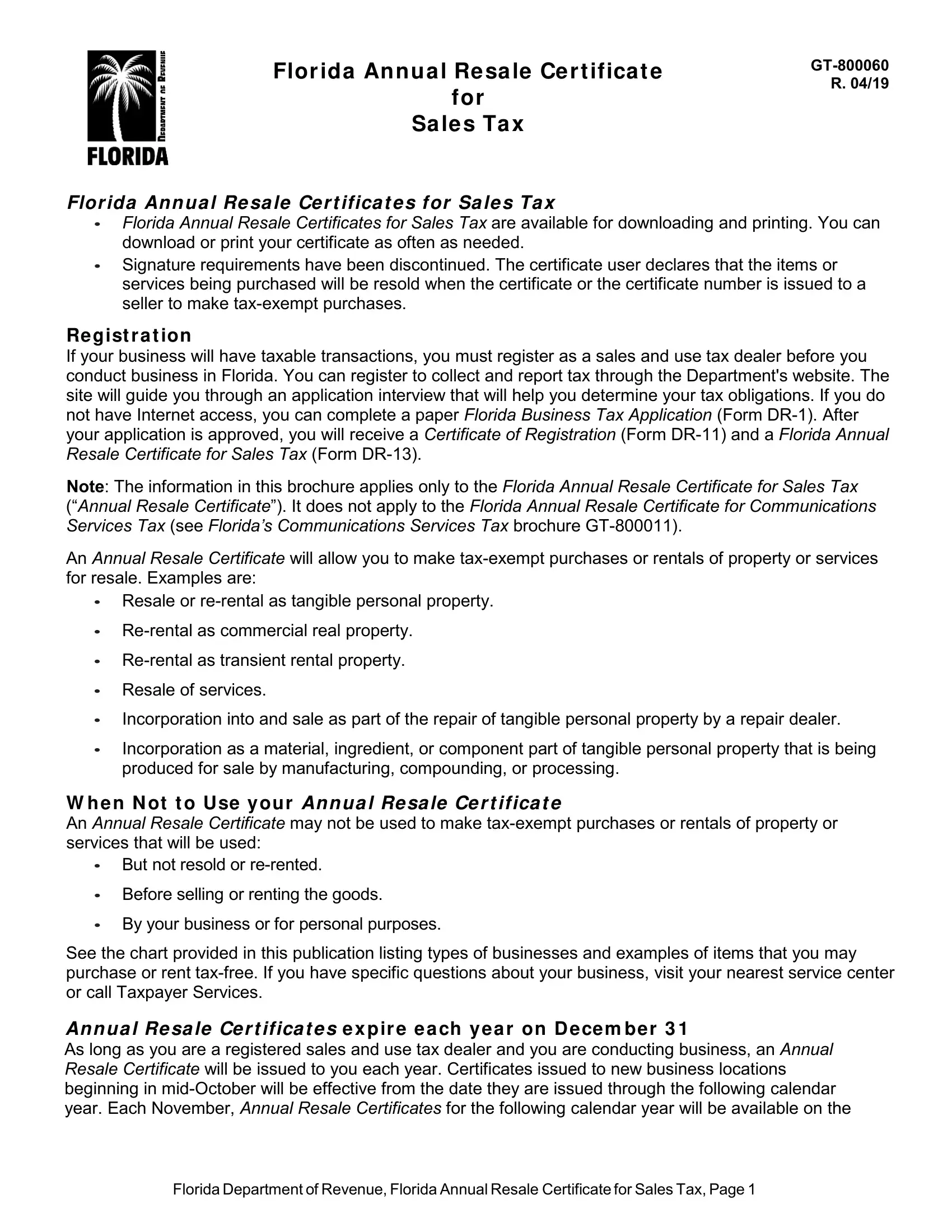
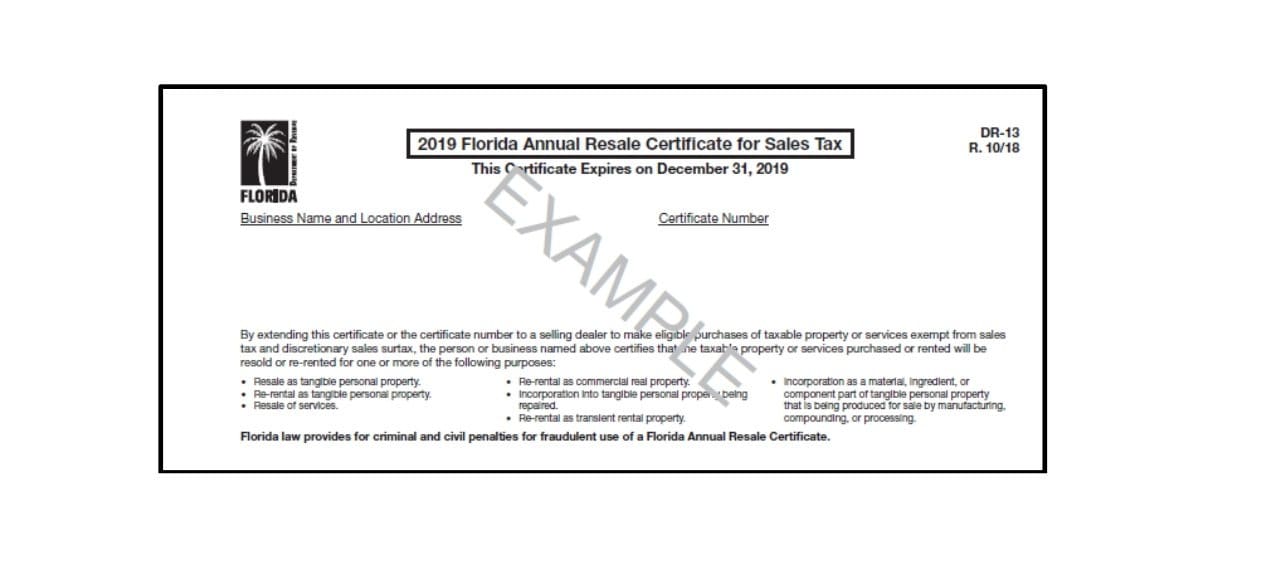
In most cases, if your business is already registered for sales tax and all information is accurate, the Florida Department of Revenue can issue the Resale Certificate almost immediately through Florida TaxConnect. You can usually download and print it directly from the portal. The certificate will typically have a validity period, often one year, with an expiration date clearly marked. It’s advisable to keep both a digital and physical copy of your certificate for your records and to provide to suppliers.
Maintaining Your Florida Resale Certificate: Beyond the Initial Setup
Obtaining your Florida Resale Certificate is a significant achievement for any entrepreneur, but the journey doesn’t end there. Proper maintenance and adherence to compliance guidelines are crucial for ensuring its continued validity and avoiding potential issues. For those embracing a flexible lifestyle, proactive management of these administrative tasks ensures uninterrupted business operations and sustained peace of mind, allowing more focus on creative pursuits and growth.
Record-Keeping Requirements
Diligent record-keeping is not just good business practice; it’s a legal requirement. When you use your Resale Certificate to make a tax-exempt purchase, you are essentially attesting that the items are for resale. The Florida Department of Revenue expects businesses to maintain records that substantiate these tax-exempt purchases. This includes:
- Copies of all Resale Certificates presented to your suppliers: This helps if there’s ever a question about why you didn’t pay tax on a particular purchase.
- Copies of your own Florida Resale Certificate: Always keep current copies accessible.
- Purchase invoices: Detailed invoices from your suppliers clearly showing the tax-exempt nature of the transaction.
- Sales records: Documentation of your sales of the purchased items, including sales invoices, receipts, and sales tax collected and remitted.
These records should be maintained for a minimum of three years, or longer if there is an ongoing audit or other specific instruction from the Florida Department of Revenue. Organized records are your best defense in the event of an audit and are indicative of a professionally managed business, regardless of its size or operational style.
Renewals and Validity
Most Florida Resale Certificates are valid for one year and must be renewed annually. The expiration date will be clearly printed on your certificate. The Florida Department of Revenue typically sends renewal notices via mail or email to the contact information on file as the expiration date approaches.
- Online Renewal: The renewal process is usually straightforward and can be completed through Florida TaxConnect. You’ll log in, navigate to your certificate section, and follow the prompts to renew.
- Timeliness is Key: Renewing your certificate before it expires ensures you can continue to make tax-exempt purchases without interruption. Allowing it to lapse means you would temporarily need to pay sales tax on your inventory purchases and then seek a refund, a cumbersome process that can disrupt cash flow and operational efficiency.
Staying on top of renewal dates is a small but critical administrative task that contributes to the smooth functioning of your business lifestyle. Consider setting calendar reminders well in advance of the expiration date.
Common Pitfalls and How to Avoid Them for a Smooth Business Lifestyle
Even seasoned entrepreneurs can encounter challenges if they’re not fully aware of the nuances of the Resale Certificate. Avoiding these common pitfalls ensures your business operations remain smooth and compliant:
- Misuse of the Certificate: As previously mentioned, using the certificate for personal purchases or items not intended for resale is a serious offense that can lead to penalties, fines, and interest charges. Always be clear about the purpose of each purchase.
- Outdated Information: Ensure your business’s contact information, address, and legal name are current with the Florida Department of Revenue. Incorrect information can lead to missed renewal notices or other critical communications.
- Lack of Documentation: Failing to maintain proper records of tax-exempt purchases and sales is a common audit trigger. Implement a consistent system for organizing all relevant invoices and certificates from day one.
- Not Collecting Sales Tax: Even with a Resale Certificate, your business is still responsible for collecting and remitting sales tax on all taxable sales made to end-consumers in Florida, unless specifically exempted. Ensure your point-of-sale system or e-commerce platform is correctly configured to calculate and apply sales tax.
- Assuming Blanket Exemption: Not all items purchased by a business are for resale, and not all services are exempt. Always verify the specific use of an item before applying the resale exemption.
By being meticulous and informed, entrepreneurs and digital nomads in Florida can leverage the Resale Certificate to their full advantage, maintaining a compliant, efficient, and ultimately more enjoyable business lifestyle in the Sunshine State. This proactive approach minimizes administrative burdens, allowing you to focus on innovation, customer engagement, and the growth of your unique venture.
LifeOutOfTheBox is a participant in the Amazon Services LLC Associates Program, an affiliate advertising program designed to provide a means for sites to earn advertising fees by advertising and linking to Amazon.com. Amazon, the Amazon logo, AmazonSupply, and the AmazonSupply logo are trademarks of Amazon.com, Inc. or its affiliates. As an Amazon Associate we earn affiliate commissions from qualifying purchases.