
California is renowned for its vibrant culture, innovative industries, and diverse lifestyle opportunities, attracting individuals from across the globe for both leisure and business. For those considering a temporary stay for work, a full relocation, or operating a business within the Golden State, understanding local labor laws is crucial for navigating professional life effectively. A common question that arises, particularly for those on business stays or involved in demanding industries like hospitality, is about overtime: Is it mandatory, and how does it impact the working lifestyle in California? Delving into these regulations offers insight into maintaining a healthy work-life balance and ensuring fair compensation in this dynamic state.

Understanding California’s Overtime Laws for Professional Lifestyle
Unlike many other states, California has some of the most comprehensive and employee-favorable overtime laws in the United States. These regulations are designed to protect workers from excessive hours without proper compensation, directly influencing the professional lifestyle of countless individuals. For business owners, adherence is paramount to avoiding costly legal issues and fostering a positive work environment.
The General Rule: When Overtime Kicks In
In California, non-exempt employees are generally entitled to overtime pay for hours worked beyond specific thresholds. This isn’t just about a 40-hour work week. The state’s unique rules include daily overtime:
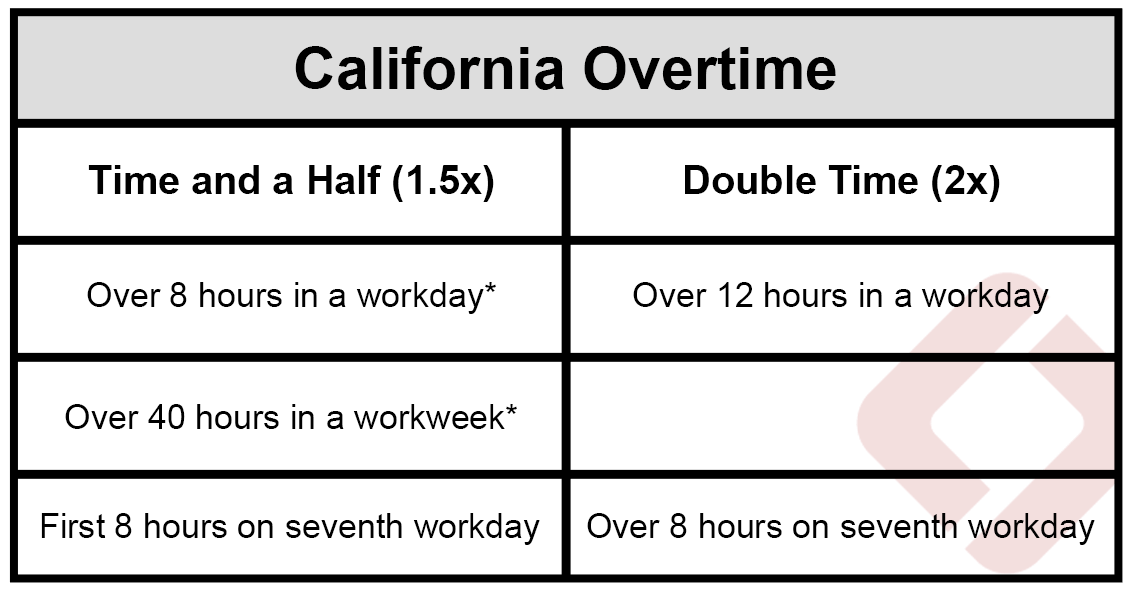
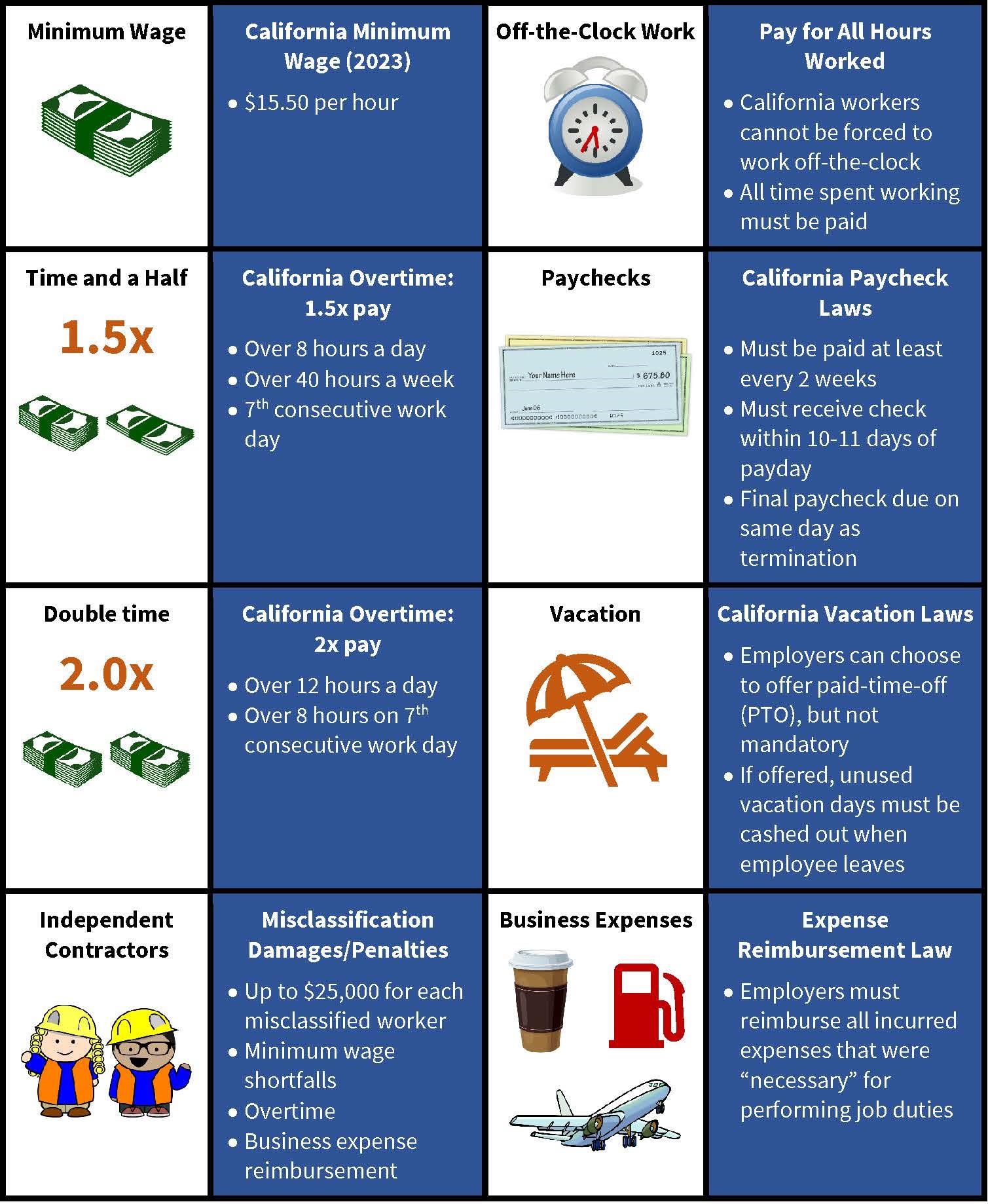
- Daily Overtime: Employees must be paid 1.5 times their regular rate of pay for all hours worked over eight hours and up to 12 hours in any workday.
- Weekly Overtime: Employees must also be paid 1.5 times their regular rate of pay for all hours worked over 40 hours in any workweek.
- Double Overtime: For truly extended work, employees are entitled to double their regular rate of pay for all hours worked over 12 hours in any workday.
- Seventh Consecutive Day Overtime: Working seven consecutive days in a workweek triggers special rules. The first eight hours on the seventh consecutive day must be paid at 1.5 times the regular rate, and any hours beyond eight on that seventh day must be paid at double the regular rate.
These provisions mean that employees on intense business trips or working within California’s demanding sectors like entertainment, tech, or even hospitality, can quickly accrue significant overtime if their schedules exceed these daily and weekly limits. This structure fundamentally shapes the expected working lifestyle, encouraging employers to manage schedules mindfully.
Exemptions That Impact Your Working Lifestyle
While the general rules are robust, it’s vital to understand that not all employees are eligible for overtime. California recognizes several exemptions, primarily based on the nature of the employee’s duties and salary. These “exempt” employees typically include:
- Executive Exemption: Applies to employees whose primary duty is management, who customarily and regularly direct the work of two or more other employees, and who have the authority to hire or fire (or whose suggestions are given particular weight). They must also earn a monthly salary equivalent to at least two times the state minimum wage for full-time employment.
- Administrative Exemption: Covers employees whose primary duty involves office or non-manual work directly related to the management or general business operations of the employer or the employer’s customers. They must regularly exercise discretion and independent judgment and meet the same salary threshold as executive exemptions.
- Professional Exemption: Applies to employees licensed or certified by the State of California in recognized professions (e.g., law, medicine, dentistry, optometry, architecture, engineering) or those performing work requiring specialized learning. They must also meet the salary threshold.
- Computer Software Professional Exemption: Specific to highly skilled computer professionals who primarily engage in duties requiring advanced knowledge in computer systems analysis, programming, or software engineering. This exemption has a higher minimum hourly rate or salary requirement than general exemptions.
- Outside Sales Exemption: Applies to employees who customarily and regularly work away from the employer’s place of business selling products or services. There is no salary test for this exemption.
These exemptions are strictly interpreted by California courts and the Division of Labor Standards Enforcement (DLSE). Misclassifying an employee as exempt can lead to significant penalties, making it a critical consideration for employers, especially those managing a workforce that might travel or operate remotely as part of a business stay model. For employees, understanding their classification is key to knowing their rights regarding overtime pay and maintaining a balanced professional lifestyle.
Special Rules for the Hospitality Sector
The hospitality industry, a cornerstone of California’s tourism and lifestyle economy, often involves irregular hours, peak seasons, and diverse roles. While the general overtime rules apply, certain nuances are worth noting. For instance, specific wage orders from the Industrial Welfare Commission (IWC) may contain provisions tailored to particular sectors, including hotels, restaurants, and other lodging establishments. These can affect meal and rest breaks, split shifts, and the calculation of the regular rate of pay when tips or commissions are involved. Employers in this sector must be particularly diligent in tracking hours and calculating pay to ensure compliance and support the well-being of their staff who are integral to the guest experience.
Navigating Overtime for Business Travelers and Digital Nomads
For professionals who frequently engage in business stays within California or operate as digital nomads, understanding the state’s overtime mandates is not just an employer’s concern but also a critical personal finance and lifestyle consideration. The blurring lines between work and leisure, especially when traveling, make precise knowledge of these laws even more important.
Implications for Remote Work and Business Stays
When an employee is temporarily in California for a business stay, or if a digital nomad chooses to work from the state, California labor laws can apply, even if the employer is based elsewhere. This is a crucial point for companies sending employees to California or hiring remote workers within the state. The location where the work is performed generally dictates which labor laws apply. Therefore, an employee on a “working vacation” or extended business trip who is non-exempt under California law would be entitled to California overtime for hours worked within the state. This impacts budgeting for business trips and structuring work assignments, underscoring the importance of legal counsel for multi-state employers.
Tracking Hours: A Key to Compliance and Fair Pay
For both employers and employees, meticulous record-keeping of hours worked is essential. Timekeeping systems should accurately capture all hours, including start and end times, meal periods, and any breaks. For business travelers, this might mean using reliable mobile apps or company portals to log hours consistently, especially when crossing time zones or adapting to new schedules during a stay. This diligent tracking not only ensures that overtime is correctly calculated and paid but also protects both parties in case of disputes. It’s a fundamental aspect of transparent and fair professional lifestyle management.
Overtime for a Sustainable California Lifestyle
Beyond the legalities, fair overtime practices contribute significantly to a sustainable working lifestyle, fostering employee morale and overall economic well-being. For a state that champions innovation and quality of life, these labor protections are integral to its identity.
Employer Responsibilities and Employee Rights
Employers have a clear responsibility to comply with all California overtime laws, including posting required notices, maintaining accurate records, and paying all wages, including overtime, promptly. Failure to do so can result in significant fines, back pay, and penalties. Employees, in turn, have the right to receive proper overtime pay, file claims for unpaid wages, and discuss their compensation without fear of retaliation. Understanding these rights empowers individuals to advocate for their professional well-being and helps ensure that working in California remains a positive and equitable experience.
Seeking Clarification and Support
Given the complexity of California’s labor laws, both employers and employees may find themselves needing clarification. Resources such as the DLSE website offer detailed information and guidance. For specific situations, consulting with a labor law attorney specializing in California employment law is highly recommended. This proactive approach ensures that individuals can enjoy the opportunities California offers, whether for a temporary business stay or as a long-term resident, with confidence in their professional rights and responsibilities. The clear regulations around overtime are a cornerstone of the state’s commitment to supporting a robust and fair working lifestyle for everyone.
LifeOutOfTheBox is a participant in the Amazon Services LLC Associates Program, an affiliate advertising program designed to provide a means for sites to earn advertising fees by advertising and linking to Amazon.com. Amazon, the Amazon logo, AmazonSupply, and the AmazonSupply logo are trademarks of Amazon.com, Inc. or its affiliates. As an Amazon Associate we earn affiliate commissions from qualifying purchases.