
Securing full custody of your child in Florida is a significant legal undertaking that impacts every aspect of a family’s lifestyle, from daily routines and educational choices to long-term planning and stability. For many parents, achieving full custody—more accurately termed “sole parental responsibility” and “majority time-sharing” in Florida law—is essential for establishing a consistent and predictable environment, fostering a desired upbringing, and enabling a stable family lifestyle that prioritizes the child’s well-being. Understanding the intricate legal landscape and procedural requirements is paramount for navigating this complex process successfully.
Understanding Parental Responsibility and Time-Sharing in Florida
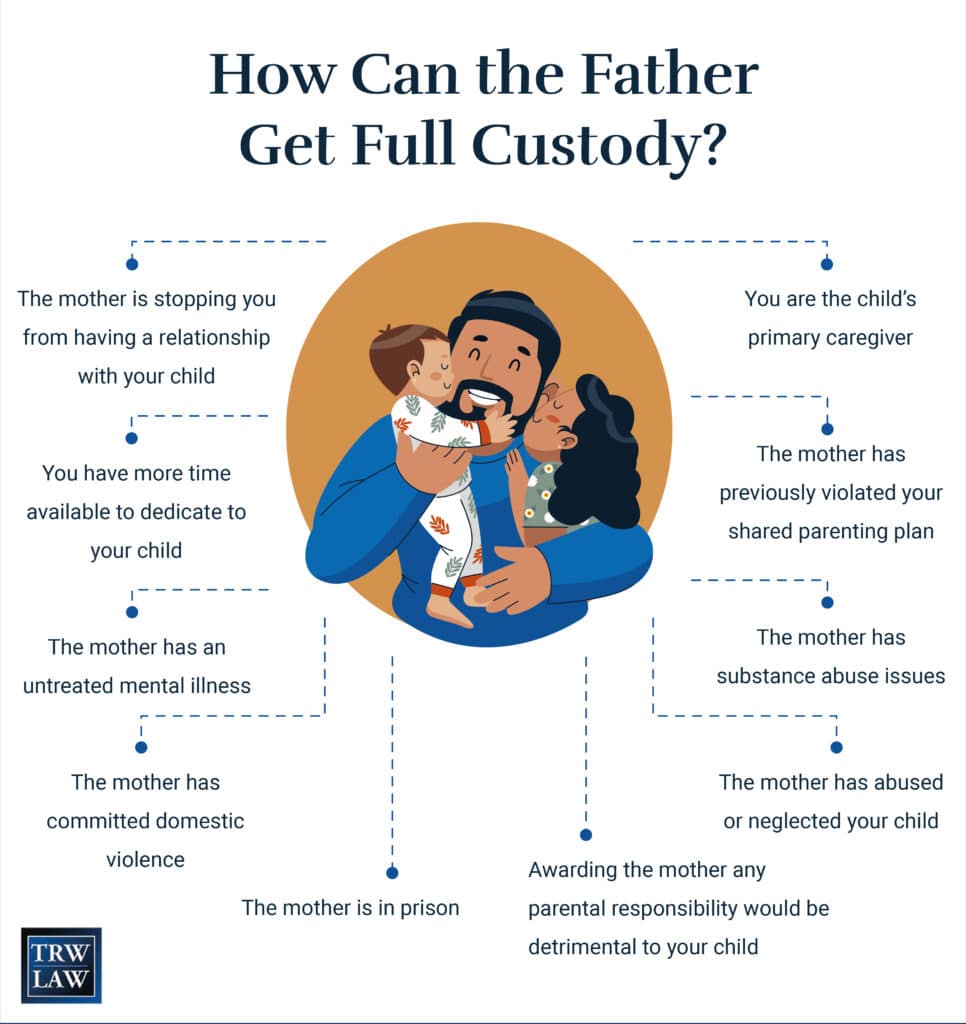
In Florida, the concept of “full custody” is broken down into two primary components: parental responsibility and time-sharing. While the term “full custody” often implies one parent having complete control, Florida law generally favors shared parental responsibility, meaning both parents have equal rights and obligations to make decisions concerning their child’s upbringing, education, healthcare, and religious training. Sole parental responsibility is awarded only in specific circumstances where it is deemed to be in the child’s best interest, typically due to issues of abuse, neglect, or demonstrated parental unfitness.
Legal Terminology: Beyond “Full Custody”
- Parental Responsibility: This refers to the ability to make decisions regarding the child.
- Shared Parental Responsibility: The default in Florida, where both parents confer on major decisions. This promotes a collaborative approach to the child’s lifestyle and upbringing.
- Sole Parental Responsibility: Granted when one parent is given the exclusive right to make decisions about the child’s life. This is often sought when one parent needs to unilaterally establish a particular lifestyle or protective environment for the child, or if the other parent is deemed incapable or dangerous.
- Time-Sharing (Physical Custody): This dictates the schedule for when the child spends time with each parent.
- Majority Time-Sharing: One parent has the child for the majority of overnights. This is what most people mean by “full custody” from a physical standpoint, allowing that parent to largely dictate the child’s daily lifestyle, school, and primary residence.
- Equal Time-Sharing: The child spends an approximately equal amount of time with both parents.
When a parent seeks “full custody,” they are typically requesting sole parental responsibility and majority time-sharing, enabling them to establish and maintain a primary lifestyle for the child without significant interference from the other parent.
The “Best Interests of the Child” Standard
Every decision made by a Florida court regarding parental responsibility and time-sharing hinges on the “best interests of the child” standard. This is not merely a suggestion but the cornerstone of all custody determinations. The court considers a comprehensive list of factors, including:
- The capacity and disposition of each parent to facilitate and encourage a close and continuing parent-child relationship, to honor the time-sharing schedule, and to be reasonable when changes are required.
- The anticipated division of parental responsibilities after the litigation, including the extent to which parental responsibility will be delegated to third parties.
- The capacity and disposition of each parent to provide a consistent routine for the child, such as daily schedules for homework, meals, and bedtime, directly shaping the child’s lifestyle.
- The geographic viability of the parenting plan, taking into consideration the needs of the children and the parents.
- The moral fitness of the parents.
- The mental and physical health of the parents.
- The child’s preference, if the child is of sufficient intelligence, understanding, and experience to express a preference.
- The home, school, and community record of the child.
- The capacity and disposition of each parent to protect the child from the effects of parental conflict.
- The developmental needs of the child and the capacity and disposition of each parent to meet those needs.
- Any history of domestic violence, child abuse, or neglect.
These factors demonstrate the court’s deep concern for the child’s overall well-being and the stability of their home life and lifestyle. A parent seeking full custody must present a compelling case that their proposed arrangement uniquely serves these best interests.
Key Steps in Seeking Sole Parental Responsibility and Majority Time-Sharing
The path to obtaining full custody in Florida is a structured legal process that requires meticulous preparation and adherence to legal protocols. Each step is crucial for building a strong case that underscores your capacity to provide a superior, stable lifestyle for your child.
Filing the Petition
The process begins by filing a Petition for Dissolution of Marriage (if married) or a Petition to Determine Paternity/Establish Parental Responsibility and Time-Sharing (if unmarried) with the appropriate Florida circuit court. This initial document outlines your request for sole parental responsibility and majority time-sharing, detailing why this arrangement is in your child’s best interests and how it supports a stable and thriving lifestyle. It’s imperative that this petition is thoroughly prepared, articulating clear reasons and presenting initial evidence to support your claims.
Mediation and Negotiation
Before a trial, Florida courts typically mandate mediation. This is an opportunity for both parents, guided by a neutral third-party mediator, to discuss and potentially agree on a parenting plan. While you are seeking full custody, successful mediation can sometimes lead to a mutually acceptable parenting plan that grants you the substantial control over the child’s lifestyle you desire, without the need for prolonged litigation. However, if an agreement isn’t reached, or if the circumstances necessitate court intervention for safety or other critical reasons, the case proceeds to litigation.
Court Hearings and Orders

If mediation fails, the case moves to contested litigation. This involves hearings where both parents present evidence, witness testimonies, and legal arguments before a judge. Your attorney will play a vital role in demonstrating why sole parental responsibility and majority time-sharing with you is essential for your child’s safety, stability, and overall lifestyle. The judge, after considering all factors and evidence, will issue a final judgment outlining the specifics of parental responsibility and the time-sharing schedule. This order legally empowers you to make primary decisions and provide the main residence for your child, solidifying the framework for their lifestyle.
Factors Influencing Custody Decisions
Judges in Florida meticulously evaluate various aspects of each parent’s life and relationship with the child. Understanding these factors is crucial for presenting a compelling case that aligns with the court’s focus on the child’s best interests and the stability of their lifestyle.
Parental Stability and Environment
The court places significant weight on each parent’s ability to provide a stable, nurturing, and safe environment. This includes a consistent home life, emotional support, and a predictable routine. Factors such as a parent’s living situation, employment stability, community involvement, and the presence of a supportive extended family network all contribute to the court’s assessment of stability. A parent who can demonstrate a well-established and positive lifestyle, capable of supporting the child’s physical, emotional, and educational needs, strengthens their case for full custody. This stability is key to shaping a child’s overall lifestyle, from daily activities to long-term well-being.
Child’s Preference
While not the sole determinant, a child’s preference can be considered by the court if the child is deemed mature enough to express a reasoned opinion. There is no specific age at which a child’s preference is automatically considered; instead, the court evaluates the child’s intelligence, understanding, and experience. If a child expresses a strong, well-reasoned desire to live primarily with one parent, it can influence the court’s decision, especially if that preference is linked to a perceived greater sense of stability, comfort, or alignment with their desired lifestyle.
Ensuring a Stable Lifestyle for Your Family
A key argument for seeking full custody often revolves around the ability to provide a stable, consistent, and well-managed lifestyle for the child. This encompasses:
- Educational Consistency: The ability to ensure the child remains in their current school district or attends a preferred school, maintaining educational stability.
- Routine and Predictability: Establishing regular schedules for meals, sleep, homework, and extracurricular activities, which are fundamental to a child’s healthy development and overall lifestyle.
- Healthcare Decisions: Having the primary authority to make crucial medical and dental decisions, ensuring continuity of care.
- Extracurricular Engagement: Facilitating participation in sports, arts, or other activities that enrich the child’s life and contribute to their personal growth and lifestyle.
- Relocation Considerations: If one parent needs to relocate for career or family reasons, obtaining full custody can simplify the legal process for moving the child, thus enabling a new family lifestyle more seamlessly.
Demonstrating a clear plan for these aspects of the child’s life powerfully supports a request for sole parental responsibility and majority time-sharing.
The Role of Legal Representation in Florida
Navigating Florida’s family law system without experienced legal counsel can be challenging and emotionally taxing. The stakes are incredibly high, as the outcome directly shapes your child’s future and your family’s lifestyle.
Navigating Complexities
A qualified Florida family law attorney understands the nuances of state statutes, court procedures, and the specific factors judges prioritize. They can help you gather compelling evidence, prepare persuasive legal arguments, and represent your interests effectively in mediation and court. From drafting precise petitions to cross-examining witnesses, an attorney ensures that your case is presented robustly, maximizing your chances of achieving the desired custody arrangement that supports your family’s chosen lifestyle.
Protecting Your Rights and Your Child’s Future
Ultimately, seeking full custody is about more than just legal rights; it’s about safeguarding your child’s future and your ability to provide the best possible lifestyle for them. An attorney can help you understand your rights, anticipate potential challenges, and develop a strategic approach to protect your child from conflict and instability. Their expertise is invaluable in helping you secure a parenting plan that reflects your commitment to your child’s well-being and allows you to nurture the family lifestyle you envision.

Life After Full Custody: Embracing Your Family Lifestyle
Once a court order for sole parental responsibility and majority time-sharing is in place, you gain the legal framework necessary to implement and maintain a consistent family lifestyle. This stability allows for proactive planning, whether it’s coordinating educational pursuits, managing healthcare, fostering extracurricular passions, or even planning family trips and experiences that enrich your child’s life. The successful resolution of a custody case provides a foundation of security and predictability, enabling you to focus on raising your child in an environment that aligns with your values and aspirations for their long-term well-being and happiness. It’s an empowering step towards shaping a positive and fulfilling lifestyle for your entire family.
LifeOutOfTheBox is a participant in the Amazon Services LLC Associates Program, an affiliate advertising program designed to provide a means for sites to earn advertising fees by advertising and linking to Amazon.com. Amazon, the Amazon logo, AmazonSupply, and the AmazonSupply logo are trademarks of Amazon.com, Inc. or its affiliates. As an Amazon Associate we earn affiliate commissions from qualifying purchases.