
San Francisco, a city celebrated for its iconic hills, vibrant culture, and breathtaking views, often finds itself entangled in a complex web of traffic congestion. While the picturesque charm of the city is undeniable, the daily reality for many is navigating its notoriously challenging roadways. Understanding the root causes of this persistent issue requires a multifaceted approach, delving into the city’s unique geography, its booming economy, and the evolving transportation landscape. This article aims to provide an insightful look into the persistent traffic woes that plague San Francisco, offering a comprehensive overview for residents and visitors alike.
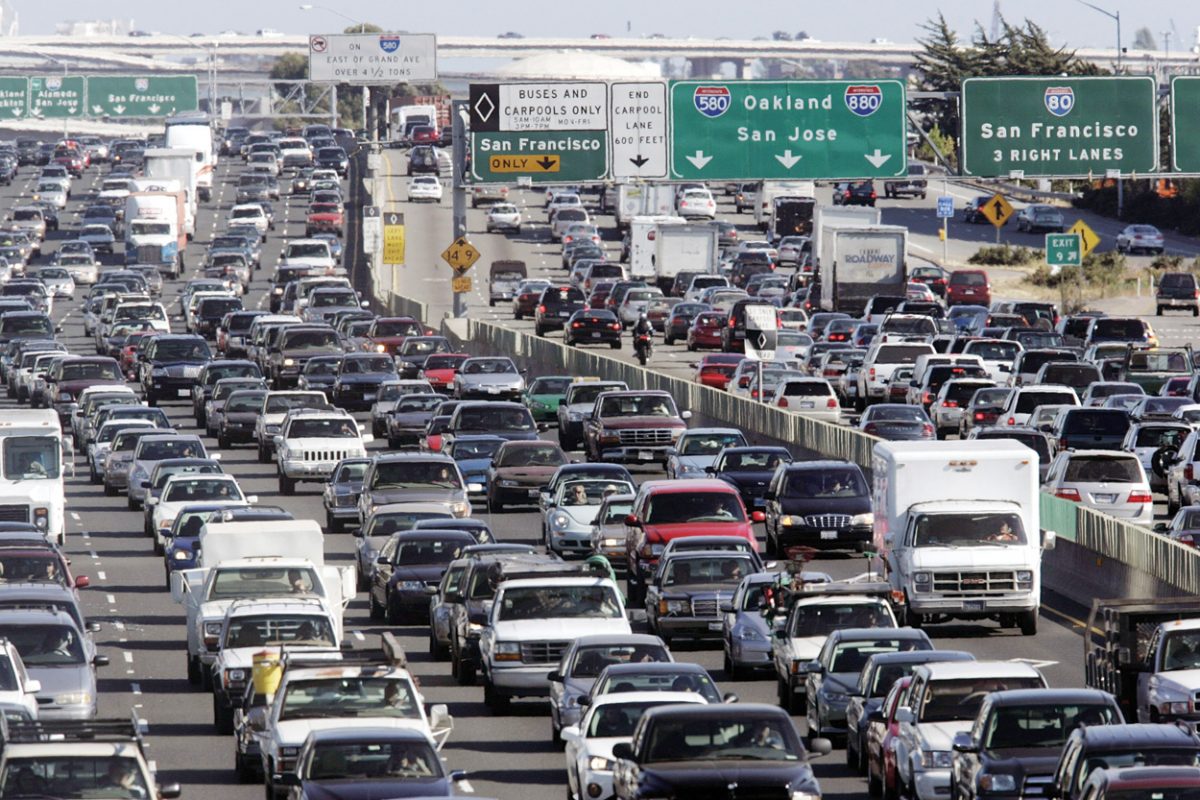
Navigating the Topological Tightrope: San Francisco’s Infamous Terrain
San Francisco’s legendary topography is a double-edged sword. The city’s dramatic hills and narrow streets, while contributing to its unique character and offering stunning vistas, inherently limit the capacity of its transportation infrastructure. Building and maintaining roadways on such challenging terrain are more complex and expensive, often leading to fewer direct routes and more circuitous paths for commuters.
The Gridlock Effect of Geography
The dense urban fabric of San Francisco, coupled with its limited landmass bordered by the Pacific Ocean and the San Francisco Bay, concentrates traffic into a relatively small area. This geographical constraint means that even minor disruptions can have a cascading effect, amplifying congestion across multiple routes. Major arteries like the Golden Gate Bridge and the Bay Bridge serve as critical chokepoints, funneling a significant volume of vehicles into and out of the city. When incidents occur on these vital links, the impact is immediate and far-reaching, paralyzing commutes and impacting daily life. The limited number of bridges connecting San Francisco to the mainland further exacerbates this problem, creating bottlenecks that are difficult to circumvent.
Limited Expansion Potential
Unlike sprawling metropolises that can more easily expand their road networks, San Francisco’s insular geography severely restricts its ability to widen existing roads or construct new ones. This lack of physical space means that the city must rely on optimizing existing infrastructure and promoting alternative modes of transportation rather than simply building more lanes, a strategy that often falls short of meeting the ever-increasing demand.
The Engine of Congestion: Economic Boom and Population Growth
San Francisco’s status as a global hub for technology and innovation has fueled an unprecedented economic boom and a significant surge in its population. This rapid growth, while a testament to the city’s vitality, has placed immense pressure on its transportation systems.
The Tech Exodus Inward
The meteoric rise of the tech industry in San Francisco and the surrounding Silicon Valley has drawn a large influx of workers, many of whom commute into the city daily. This demographic shift has dramatically increased the number of vehicles on the road, especially during peak commuting hours. The concentration of high-paying jobs in a relatively small geographic area creates a demand for transportation that outstrips the current supply, leading to a constant battle for road space.
Housing Affordability and Commuting Patterns
The exorbitant cost of housing in San Francisco forces many of its residents and workers to seek more affordable options in the surrounding Bay Area counties. This trend extends commute times and increases the volume of vehicles traveling into the city each day. Longer commutes, often involving hours spent on highways like US Route 101 or Interstate 880, contribute significantly to the daily traffic congestion. As the cost of living continues to rise, the distance many are willing or able to commute will likely increase, further straining the region’s transportation arteries.

Infrastructure Strain and Maintenance Challenges
The existing transportation infrastructure in San Francisco, much of which is aging, struggles to cope with the current demands. Furthermore, ongoing maintenance and construction projects, while necessary, can often create temporary but significant disruptions.
Aging Infrastructure Under Pressure
Many of San Francisco’s roadways, bridges, and public transit systems were built decades ago and are now facing the challenges of age and increased usage. The constant wear and tear, coupled with the limited capacity to upgrade or expand, means that the infrastructure is frequently operating at or near its breaking point. Potholes, deteriorating road surfaces, and outdated signal systems can all contribute to slower traffic flow and increased congestion. The sheer volume of daily use places a continuous strain on these systems, making comprehensive maintenance a monumental and ongoing task.
The Double Whammy of Construction and Accidents
San Francisco is a city in constant evolution, and with that comes inevitable construction. Road work, utility repairs, and new development projects are a common sight and often necessitate lane closures and detours. While essential for progress, these activities can significantly impede traffic flow, especially when multiple projects are underway simultaneously. Add to this the frequent occurrence of traffic accidents, which can bring traffic to a standstill, and the cumulative effect on daily commutes can be overwhelming. Even minor fender-benders on busy corridors can trigger significant backups that take hours to dissipate. The interplay between planned roadwork and unplanned incidents creates a perpetually dynamic and often unpredictable traffic environment.
The Evolving Transportation Landscape: Solutions and Challenges
Addressing San Francisco’s traffic problem requires a multi-pronged strategy that embraces innovation, encourages sustainable transportation, and invests in robust public transit. However, implementing these solutions is not without its own set of challenges.
The Promise and Peril of Ride-Sharing and Micro-Mobility
The rise of ride-sharing services like Uber and Lyft, alongside the proliferation of electric scooters and bike-sharing programs, has undeniably altered the transportation landscape. While these options offer convenience and alternatives to private car ownership, they have also contributed to congestion in their own ways. Increased numbers of ride-share vehicles cruising for passengers, and a lack of dedicated infrastructure for scooters and bikes in some areas, can add to street-level congestion. Finding the right balance and ensuring these services complement, rather than compete with, public transit is a critical challenge.
The Public Transit Imperative
A robust and efficient public transportation system is often touted as the ultimate solution to urban congestion. In San Francisco, the Muni bus and streetcar system, along with the BART regional rail, plays a vital role. However, these systems face their own challenges, including funding issues, aging infrastructure, and service reliability. Improving the frequency, accessibility, and efficiency of public transit is crucial to encouraging more people to leave their cars at home. Investments in expanding BART’s reach, modernizing the Muni fleet, and creating dedicated bus lanes are essential steps towards alleviating traffic.
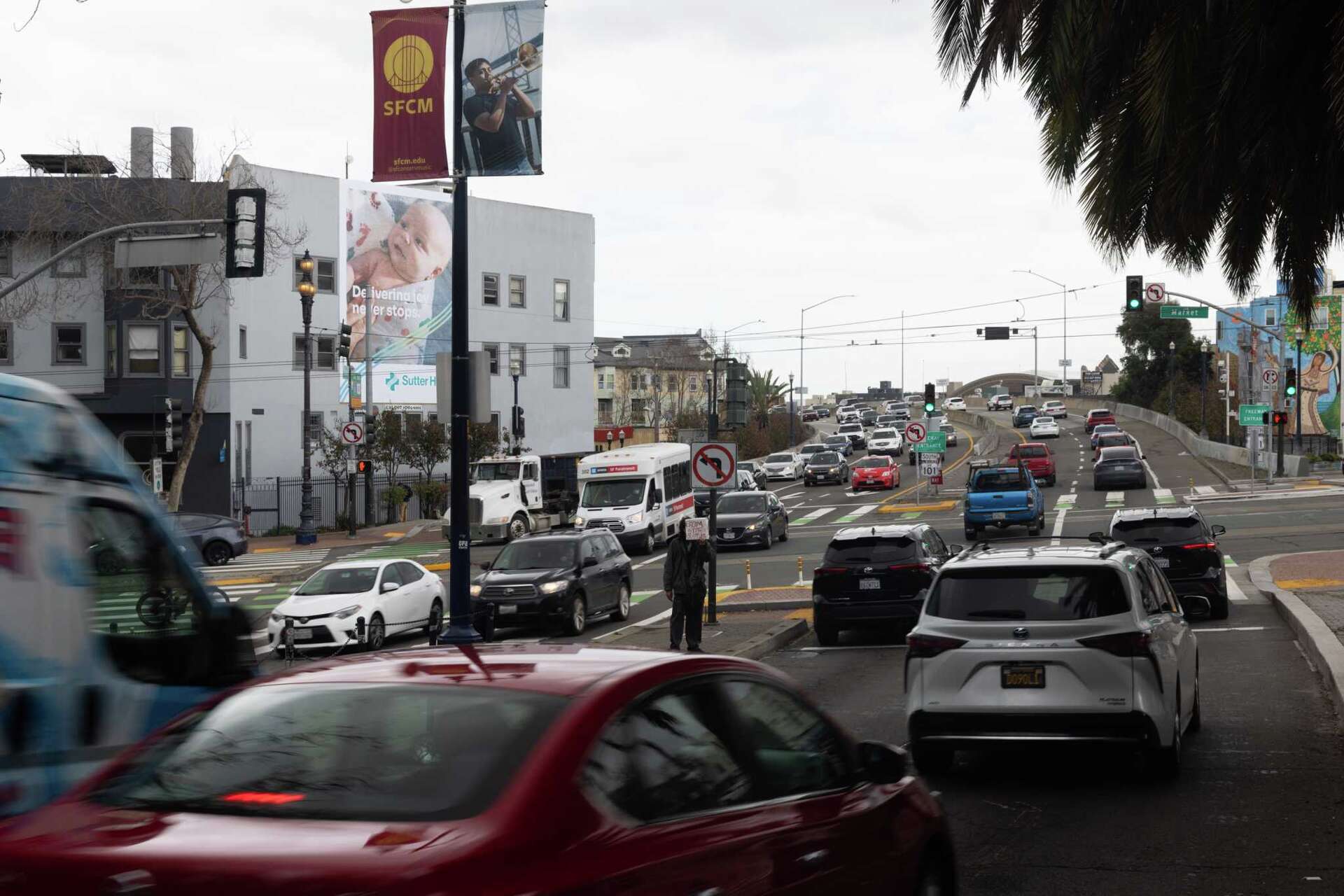
The Future of Mobility: Smart City Initiatives and Policy
San Francisco is actively exploring “smart city” initiatives aimed at optimizing traffic flow through technology. This includes intelligent traffic signal systems that adapt to real-time conditions, real-time traffic information apps, and pilot programs for autonomous vehicles. Furthermore, policymakers are grappling with strategies such as congestion pricing, enhanced bike lane infrastructure, and incentives for remote work to reduce the number of vehicles on the road. The success of these initiatives hinges on careful planning, public buy-in, and a commitment to continuous adaptation in the face of evolving urban mobility needs. The challenge lies in balancing innovation with equitable access and ensuring that technological advancements truly serve to improve the daily commute for all.
LifeOutOfTheBox is a participant in the Amazon Services LLC Associates Program, an affiliate advertising program designed to provide a means for sites to earn advertising fees by advertising and linking to Amazon.com. Amazon, the Amazon logo, AmazonSupply, and the AmazonSupply logo are trademarks of Amazon.com, Inc. or its affiliates. As an Amazon Associate we earn affiliate commissions from qualifying purchases.