
Navigating healthcare systems, especially for specific treatments like medical marijuana, is a crucial aspect of managing one’s lifestyle in a new or established location. For those residing in or considering a long-term stay in the Sunshine State, understanding “How To Get Medical Card In Florida” is essential for legal access to therapeutic cannabis. Florida, known for its vibrant culture and relaxed pace of life, offers a robust medical marijuana program designed to provide relief for patients with debilitating conditions. Acquiring a medical marijuana card not only ensures legal compliance but also integrates patients into a system that prioritizes their health and well-being, allowing them to lead a fuller, more comfortable lifestyle. This guide breaks down the process, offering insights into eligibility, application steps, and what to expect along the way.
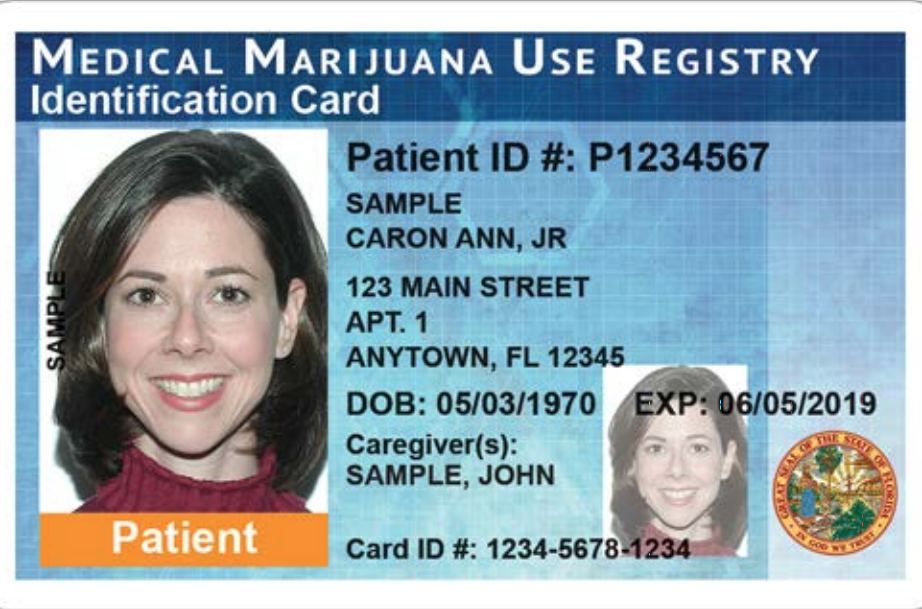
Understanding Florida’s Medical Marijuana Program
The journey to obtaining a medical marijuana card in Florida began with the passage of Amendment 2 in 2016, which significantly expanded the state’s existing Compassionate Use Act. This landmark legislation established a comprehensive framework for patient access to medical cannabis, overseen by the Office of Medical Marijuana Use (OMMU), a division of the Florida Department of Health. The program is designed to connect qualified patients with state-licensed physicians and dispensaries, ensuring that medical cannabis is prescribed, dispensed, and used according to strict regulations.
The core principle of Florida’s program is physician certification. Unlike some other states where medical cannabis recommendations might be more generalized, Florida mandates that a patient must establish a bona fide physician-patient relationship with a qualified doctor who has completed specific state-mandated training. This physician must diagnose the patient with one of the state’s qualifying medical conditions and determine that the benefits of medical marijuana outweigh the potential risks. This stringent approach aims to maintain the integrity of the program and ensure patient safety.
Furthermore, the program covers various forms of medical cannabis, including oils, edibles, tinctures, vaporization products, and even whole flower. This variety allows physicians to tailor treatment plans to individual patient needs and preferences, enhancing the overall quality of life for those seeking relief. Understanding the structure and intent of the program is the first vital step for anyone considering a medical marijuana card in Florida.
Eligibility Requirements: Who Qualifies?
Eligibility is the cornerstone of the medical marijuana program in Florida. Before embarking on the application process, it’s crucial to ascertain if you meet the state’s strict criteria. The requirements are twofold: residency and qualifying medical conditions.
Residency Requirements
To be eligible, an individual must be a permanent or seasonal resident of Florida.
- Permanent Residents: Must provide proof of residency, such as a Florida driver’s license or state ID card.
- Seasonal Residents: Defined as “any person who temporarily resides in Florida for a period of at least 31 consecutive days in each calendar year, has returned to the state at least two times, and maintains a temporary residence.” Seasonal residents must provide two forms of proof of residency, which can include a deed, mortgage, or lease agreement for a Florida residence, alongside a corresponding mailing address outside of Florida, a utility bill for the Florida residence, or a sworn statement from the individual.
Meeting these residency requirements is non-negotiable, as the program is designed to serve Florida residents.
Qualifying Medical Conditions
Florida has a specific list of debilitating medical conditions that qualify patients for a medical marijuana card. These include:
- Cancer
- Epilepsy
- Glaucoma
- HIV/AIDS
- Crohn’s disease
- Parkinson’s disease
- Multiple sclerosis (MS)
- Amyotrophic lateral sclerosis (ALS)
- Post-traumatic stress disorder (PTSD)
- Chronic nonmalignant pain (defined as pain that is caused by a qualifying medical condition or that originates from a qualifying medical condition and persists beyond the usual course of that qualifying medical condition)
- Medical conditions of the same kind or class as or comparable to the others listed
- A terminal condition diagnosed by a physician other than the qualified physician issuing the Physician Certification
- Chronic nonmalignant pain
It is the responsibility of the qualified physician to determine if a patient’s condition meets the criteria and if medical marijuana is an appropriate treatment. A thorough review of medical records and a comprehensive physical examination are standard procedures to establish eligibility. This physician-led assessment is critical for both patient safety and program compliance, ensuring that medical cannabis is prescribed judiciously for individuals who genuinely need it to improve their quality of life.
The Application Process: Step-by-Step
Once eligibility is confirmed, the application process for a Florida medical marijuana card is a structured, multi-step journey. Adhering to each step carefully ensures a smooth and timely approval.
Step 1: Schedule an Appointment with a Qualified Physician
The first and most crucial step is to consult with a Florida-licensed physician who is qualified to recommend medical cannabis. These physicians have completed specialized training required by the state. During this appointment, the doctor will:
- Review your medical history and current conditions.
- Conduct a physical examination.
- Determine if you have a qualifying medical condition.
- Assess whether the use of medical marijuana would be beneficial for your specific case.
- Establish a bona fide physician-patient relationship.

If the physician determines that you qualify, they will enter your information and their recommendation into the state’s Marijuana Use Registry. This registry is the centralized database managed by the OMMU.
Step 2: Register with the Marijuana Use Registry
After your physician enters your certification into the Marijuana Use Registry, you, the patient, will receive an email from the OMMU with your login credentials. You will then need to complete your online application. This involves:
- Creating an account on the Marijuana Use Registry portal.
- Uploading a clear, passport-style photograph taken within the last 90 days.
- Providing proof of Florida residency (e.g., Florida driver’s license or state ID card, or required documents for seasonal residents).
- Submitting the application fee.
Patients who are minors must have a qualifying physician’s recommendation and consent from a parent or legal guardian, who will also need to apply as a designated caregiver.
Step 3: Pay the Application Fee
A non-refundable application fee is required to process your medical marijuana Patient Identification Card. This fee must be paid either online via credit card or by mailing a check or money order to the OMMU. Timely payment is crucial to avoid delays in your application.
Step 4: Await Approval and Receive Your Card
Once your application, photograph, proof of residency, and payment are successfully submitted, the OMMU will review your submission. This review process typically takes 5-10 business days for online applications. If approved, you will receive an email notifying you of your approval and instructing you to log back into the Marijuana Use Registry to print your temporary Patient Identification Card. A physical card will then be mailed to you within a few weeks. The temporary card is valid for 30 days and allows you to legally purchase medical marijuana from licensed Medical Marijuana Treatment Centers (MMTCs) while you await your permanent card.
Costs, Renewals, and Navigating Dispensaries
Understanding the financial commitments and ongoing requirements is vital for integrating medical marijuana into your lifestyle in Florida.
Costs Involved
Several costs are associated with obtaining and maintaining a medical marijuana card:
- Physician Consultation Fees: These vary widely depending on the clinic and location but generally range from $150 to $300 for the initial visit, with follow-up visits costing less. These fees are not typically covered by insurance.
- State Application Fee: Currently $75, this fee is paid annually to the OMMU.
- Cost of Medical Marijuana Products: The price of cannabis products varies based on the type, potency, and quantity purchased from MMTCs.
Budgeting for these expenses is an important aspect of planning for ongoing medical marijuana treatment.
Annual Renewals
A medical marijuana card in Florida is valid for one year. To maintain legal access, both the physician certification and the state Patient Identification Card must be renewed annually.
- Physician Recertification: Patients must have an in-person follow-up visit with their qualified physician at least once every 7 months (210 days) to be recertified. The physician will review the patient’s progress, adjust dosages if necessary, and re-enter the patient’s information into the Marijuana Use Registry.
- State Card Renewal: Approximately 45 days before your card expires, the OMMU will send a renewal reminder. You must log back into the Marijuana Use Registry portal, submit a new photo (if required), update any personal information, and pay the annual $75 renewal fee.
It’s crucial to initiate the renewal process well in advance of your card’s expiration date to avoid any lapse in legal access.
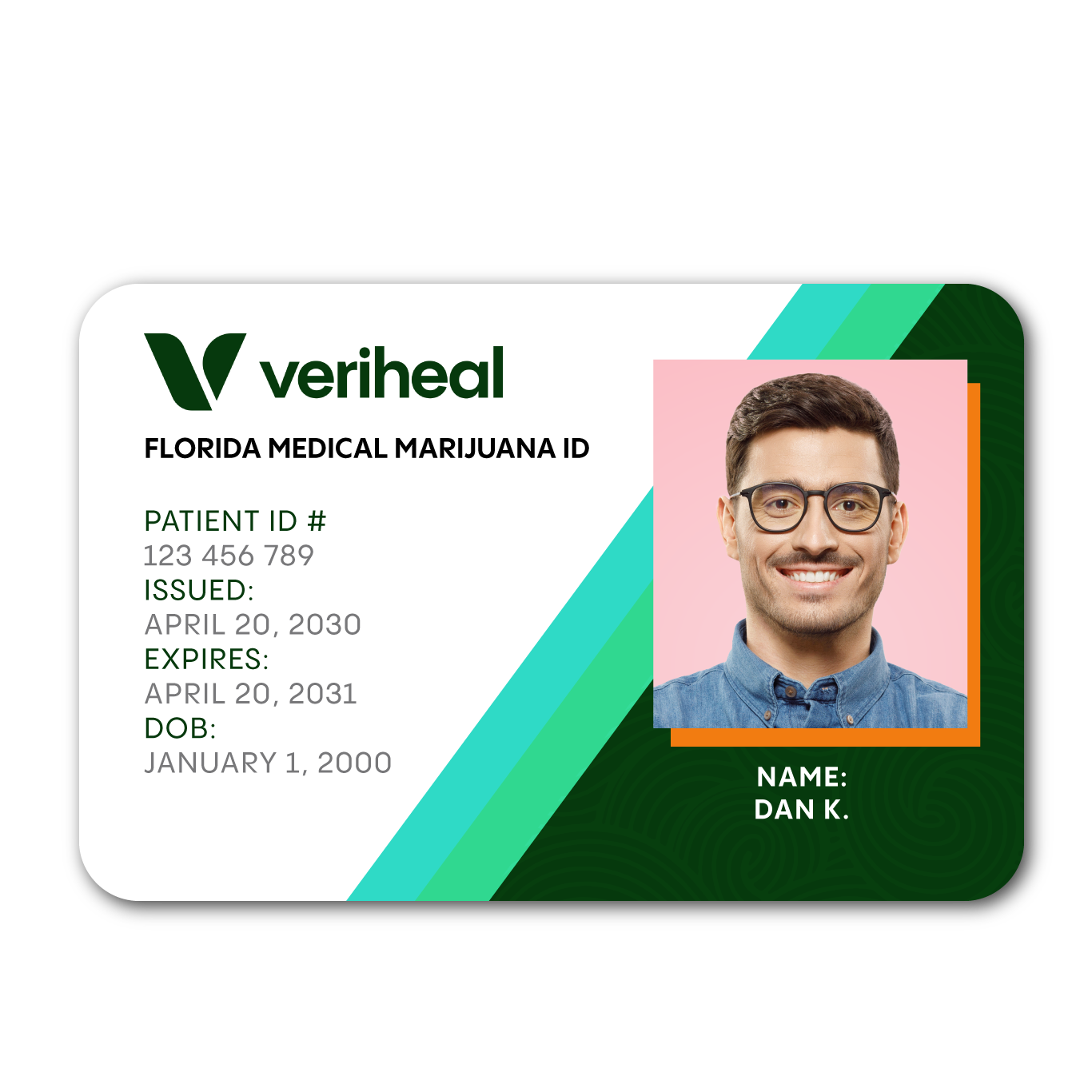
Navigating Medical Marijuana Treatment Centers (MMTCs)
Once you have your Patient Identification Card, you can legally purchase medical marijuana from any licensed Medical Marijuana Treatment Centers (MMTCs) in Florida. These facilities, often referred to as dispensaries, are regulated by the state and offer a variety of approved products.
- Product Selection: MMTCs provide a range of products, including flower, edibles, concentrates, oils, tinctures, and topicals. Pharmacists or trained staff at the dispensaries can offer guidance on product selection based on your physician’s recommendations and your personal needs.
- Purchase Limits: The OMMU sets limits on the amount of medical marijuana a patient can purchase over specific periods. These limits are tracked through the Marijuana Use Registry to ensure compliance.
Obtaining a medical card in Florida empowers individuals to manage their health conditions legally and effectively, enhancing their overall quality of life within the vibrant Florida community. The structured process, from physician consultation to regular renewals and dispensary visits, ensures a regulated and accessible pathway to medical cannabis for qualifying patients.
LifeOutOfTheBox is a participant in the Amazon Services LLC Associates Program, an affiliate advertising program designed to provide a means for sites to earn advertising fees by advertising and linking to Amazon.com. Amazon, the Amazon logo, AmazonSupply, and the AmazonSupply logo are trademarks of Amazon.com, Inc. or its affiliates. As an Amazon Associate we earn affiliate commissions from qualifying purchases.