
The legal landscape surrounding abortion is a complex and often evolving area of law. For travelers, residents, and individuals seeking reproductive healthcare in New Hampshire, understanding the current status of abortion legality is crucial. This guide aims to provide a clear overview of abortion laws in New Hampshire and its implications for those planning travel or residing within the state.
Understanding Abortion Rights in New Hampshire
New Hampshire has a unique legal framework regarding abortion, which has seen changes and challenges over time. The state’s approach is characterized by a balance between protecting individual reproductive autonomy and implementing certain regulations.

Key Legislation and Court Rulings
Historically, New Hampshire has upheld a woman’s right to choose, largely in line with federal protections established by Roe v. Wade. However, subsequent legal developments at the federal level have shifted the landscape. In New Hampshire, specific state laws govern abortion access.
One of the most significant state-level protections in New Hampshire has been the absence of a complete ban on abortion. Unlike some other states that have enacted near-total bans, New Hampshire has maintained access to abortion services. However, this does not mean that access is unrestricted.
The state has regulations in place, which can include requirements for:
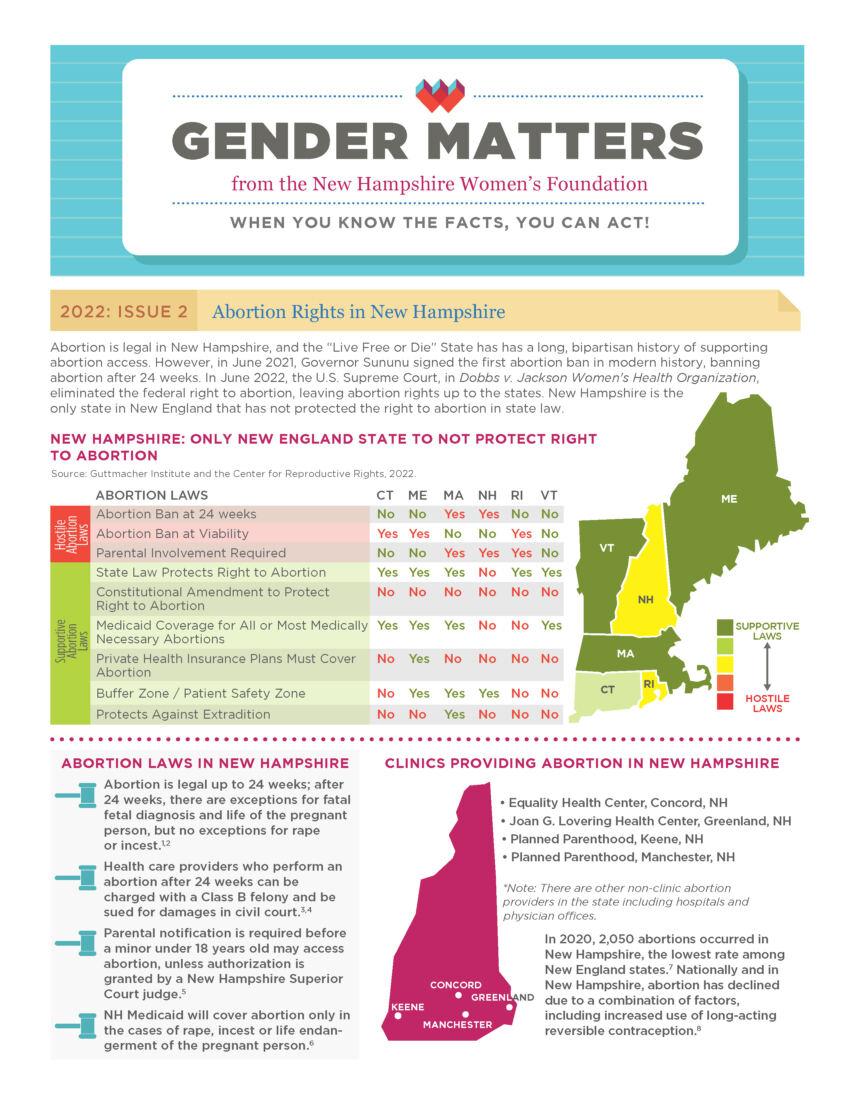
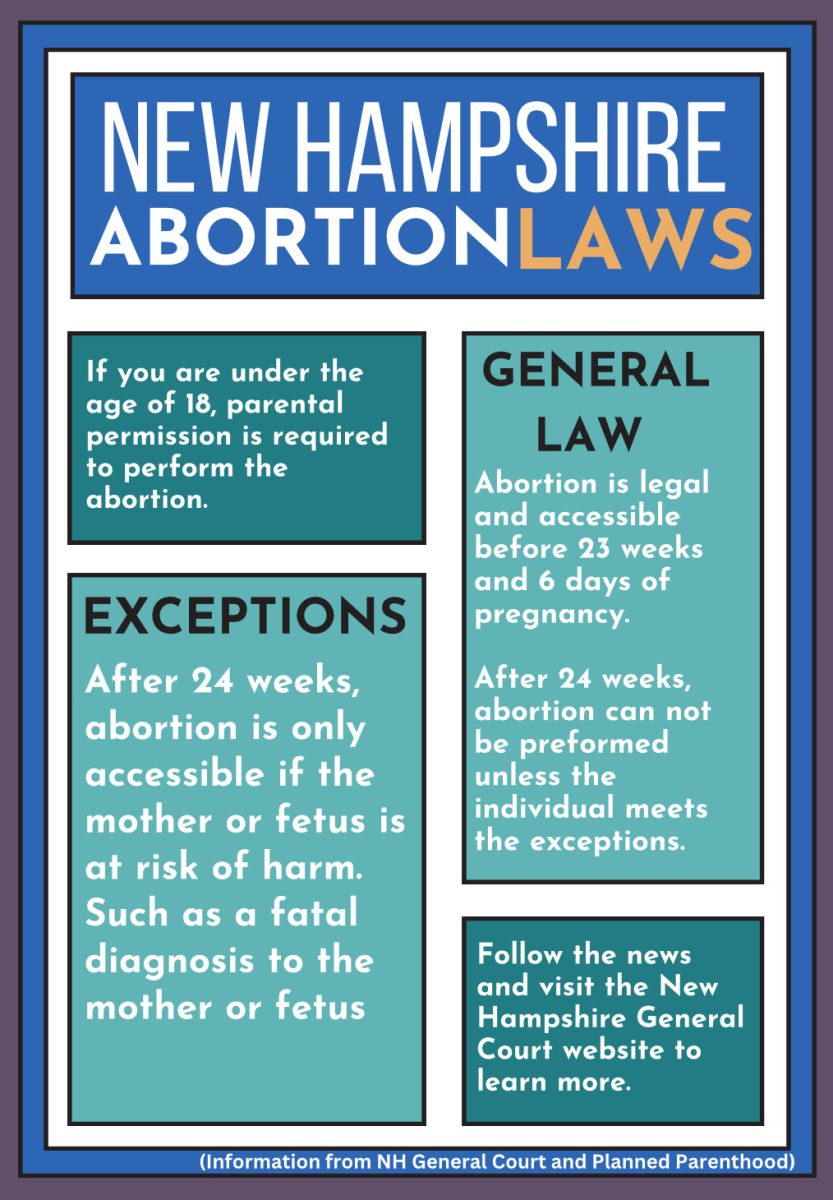
- Gestational Limits: While there isn’t a strict ban at any point in pregnancy, there are discussions and potential legislative efforts to introduce or modify gestational limits. Current practices generally align with what is considered medically viable and constitutionally permissible.
- Parental Involvement: For minors seeking an abortion, parental consent or notification laws may apply. These laws can vary and are often subject to legal challenges and exceptions, such as judicial bypass.
- Waiting Periods: Some states implement mandatory waiting periods between an initial consultation and the abortion procedure. The status of such requirements in New Hampshire should be verified with current state statutes and medical providers.
- Provider Regulations: Abortion providers in New Hampshire must adhere to specific licensing and facility requirements, which can influence the availability and accessibility of services.
It is essential to consult the most up-to-date information from official state legislative sources or legal experts to understand the precise details of these regulations.
Impact of Federal Decisions
The Supreme Court’s decision in Dobbs v. Jackson Women’s Health Organization in 2022 overturned Roe v. Wade, eliminating the federal constitutional right to abortion. This ruling returned the authority to regulate or ban abortion to individual states. For New Hampshire, this meant that existing state laws and any future legislative actions would determine the legality and accessibility of abortion.
Following the Dobbs decision, New Hampshire has not enacted a complete ban on abortion. The state’s abortion laws remain in effect, allowing for abortion access. However, the legal landscape continues to be a subject of ongoing political debate and potential legislative action. Advocacy groups on both sides of the issue actively engage in lobbying efforts, which could lead to future changes in the law.
Accessing Abortion Services in New Hampshire
Understanding the legality of abortion is only one aspect; practical access to services is another critical consideration for individuals. This involves knowing where to find providers, what to expect during a visit, and potential logistical challenges.
Finding Healthcare Providers
Individuals seeking abortion care in New Hampshire can find services through various healthcare facilities, including:
- Planned Parenthood: Planned Parenthood centers are a primary resource for reproductive healthcare, including abortion services, in many locations across the United States, including New Hampshire. They offer a range of services and often provide counseling and support.
- Independent Clinics: Several independent clinics specialize in abortion care and other women’s health services. These clinics can be found in major cities like Manchester and Portsmouth.
- Hospitals: Some hospitals may offer abortion services, particularly in cases of medical necessity or later-term abortions.
When seeking a provider, it is advisable to:
- Verify Services: Confirm that the facility offers the specific type of abortion service needed (e.g., medication abortion or procedural abortion).
- Check Insurance Coverage: Understand what is covered by your insurance plan, as out-of-pocket costs can vary.
- Inquire About Appointments: Ask about appointment availability, wait times, and any pre-appointment requirements.
What to Expect During a Visit
A typical appointment for abortion care in New Hampshire will involve a consultation with a healthcare provider. This will include:
- Counseling: Discussing the procedure, risks, benefits, and alternatives. This is often a mandatory part of the process.
- Medical Assessment: A review of your medical history, a physical examination, and potentially pregnancy testing and an ultrasound to confirm the gestational age.
- Procedure: The abortion procedure itself, which can be medication-induced (using pills) or a surgical procedure, depending on the stage of pregnancy and patient preference.
- Post-Procedure Care: Instructions on follow-up care, potential side effects, and when to seek further medical attention.
Depending on the specific regulations in New Hampshire, there might be a mandated waiting period between an initial consultation and the procedure itself. It is crucial to clarify this with your chosen provider.
Navigating Travel and Logistics
For individuals traveling to New Hampshire for abortion services, careful planning is essential. This includes:
- Travel Arrangements: Booking flights, train tickets, or planning your drive well in advance. Consider the duration of your stay, as you may need to remain in the area for a follow-up appointment.
- Accommodation: Securing lodging. Options range from hotels like the Eastern Slope Inn in North Conway to more budget-friendly motels or extended-stay apartments, depending on your needs and the proximity to your chosen clinic.
- Support Network: Arranging for a trusted friend or family member to accompany you for support during your appointment and recovery.
- Financial Planning: Budgeting for the procedure, travel, accommodation, and potential lost wages. Several organizations offer financial assistance for abortion care and related travel expenses.
Support Resources for Travelers and Residents
Navigating reproductive healthcare can be challenging, and various resources are available to provide support, information, and practical assistance to individuals in New Hampshire.
Financial and Practical Assistance
Several organizations are dedicated to helping individuals access abortion services by reducing financial barriers and providing logistical support. These may include:
- Abortion Funds: Many abortion funds operate at the state or regional level, offering financial assistance for the procedure itself, as well as for travel, lodging, and childcare. Examples include the Abortion Access Fund of New Hampshire or national networks that can direct individuals to local resources.
- Practical Support Organizations: These groups often provide volunteer drivers to transport individuals to and from appointments, help with finding affordable accommodation, and offer emotional support.
When reaching out to these organizations, be prepared to provide information about your situation, including your appointment date and location.
Legal Information and Advocacy
Understanding your rights is paramount. Organizations that focus on reproductive rights and justice can offer:
- Legal Hotlines: Providing up-to-date information on abortion laws, patient rights, and what to do if your rights are violated.
- Advocacy Groups: Engaging in legislative efforts to protect and expand abortion access in New Hampshire and across the country. These groups can also offer information on current political developments and how to get involved.
Emotional and Mental Health Support
The decision to have an abortion is personal, and seeking emotional support can be beneficial. Many clinics offer counseling services, and there are also independent therapists and support groups that specialize in reproductive health. These resources can help individuals process their emotions and make informed decisions.
Conclusion: A Continuously Evolving Landscape
In New Hampshire, abortion remains legal, and access to services is protected by current state law, despite the overturning of Roe v. Wade. However, the legal and political environment surrounding reproductive rights is dynamic. Individuals seeking abortion care, whether they are residents of New Hampshire or traveling to the state for services, should always seek the most current information from reliable sources. Staying informed about legislative developments, consulting with healthcare providers, and leveraging available support resources are essential steps in navigating this critical aspect of reproductive healthcare. The commitment to accessible and safe reproductive healthcare in New Hampshire continues to be a focal point for lawmakers, healthcare professionals, and advocacy groups alike.
LifeOutOfTheBox is a participant in the Amazon Services LLC Associates Program, an affiliate advertising program designed to provide a means for sites to earn advertising fees by advertising and linking to Amazon.com. Amazon, the Amazon logo, AmazonSupply, and the AmazonSupply logo are trademarks of Amazon.com, Inc. or its affiliates. As an Amazon Associate we earn affiliate commissions from qualifying purchases.