
The journey to securing housing assistance through the Housing Choice Voucher Program, commonly known as Section 8, can be a complex one, particularly within the diverse landscape of Louisiana. This federal program, administered locally by Public Housing Agencies (PHAs), aims to provide safe, decent, and affordable housing to low-income families, the elderly, and individuals with disabilities. Navigating the application process in the Pelican State requires a thorough understanding of eligibility criteria, the roles of various agencies, and the strategic steps involved in submitting a successful application. This guide will illuminate the path for residents of Louisiana seeking this vital form of housing support.

Understanding the Section 8 Program in Louisiana
The Housing Choice Voucher Program is designed to empower eligible low-income individuals and families to find and afford housing in the private market. Unlike traditional public housing, where residents live in properties owned and managed by PHAs, Section 8 vouchers allow recipients to choose their own accommodations, whether it’s an apartment, a single-family home, or a duplex, as long as the property meets program quality standards and the landlord agrees to participate.
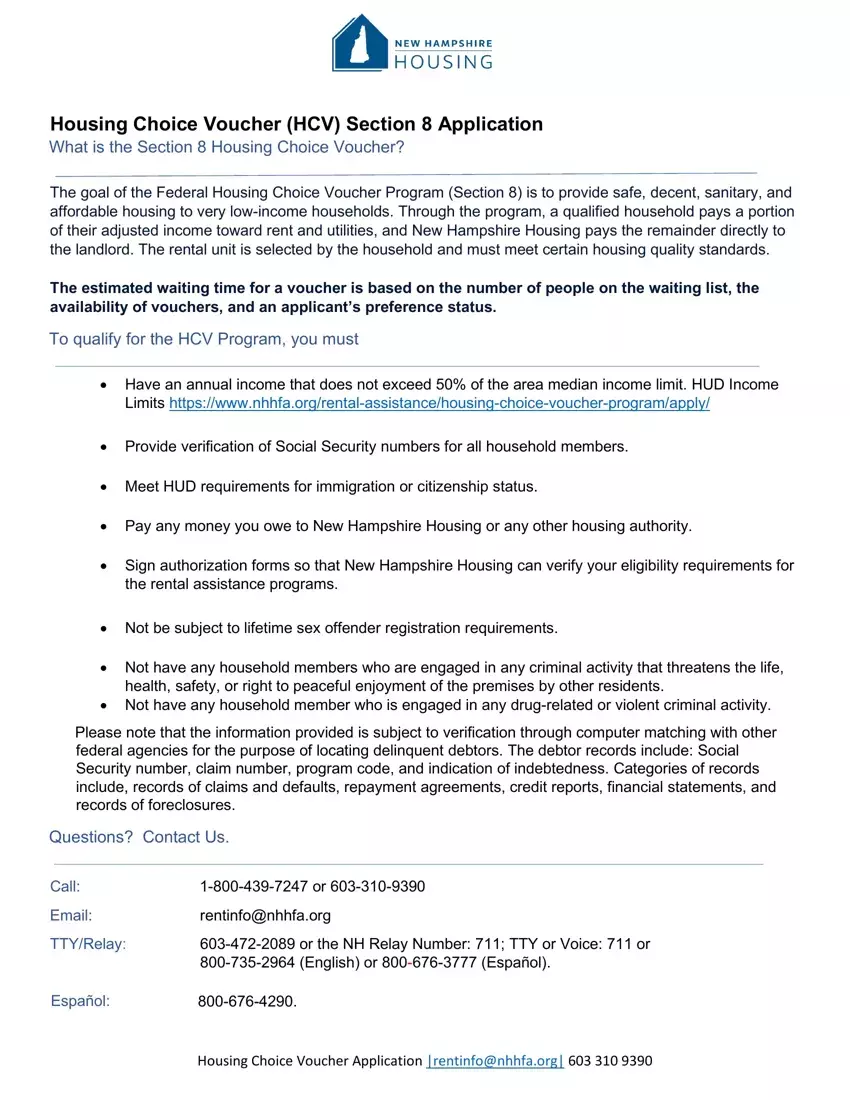
Eligibility Criteria
Eligibility for the Section 8 Program in Louisiana is primarily determined by income and family status. PHAs establish income limits based on the median income for the specific metropolitan area or county. Generally, applicants must have a household income below 50% of the area median income, although preference is often given to those at or below 30% of the median income.
Key factors considered in eligibility include:
- Annual Household Income: This is the most critical factor. PHAs verify income through pay stubs, tax returns, and other documentation.
- Family Status: The program prioritizes families, including single individuals, who meet the income requirements. Specific definitions of “family” are provided by HUD and are usually inclusive.
- Citizenship or Eligible Immigration Status: Applicants must be U.S. citizens or have eligible immigration status.
- Background Checks: PHAs may conduct criminal background checks on adult applicants to ensure program safety and integrity.
Local Administration: Public Housing Agencies (PHAs)
In Louisiana, the administration of the Section 8 Program falls under the purview of numerous Public Housing Agencies (PHAs). These agencies are responsible for managing waiting lists, processing applications, inspecting properties, and issuing vouchers. The specific PHA that serves an applicant depends on their county or city of residence. Major cities like New Orleans, Baton Rouge, and Shreveport have their own dedicated PHAs, while other parishes might be served by regional or state-level housing authorities. Identifying the correct PHA is the first crucial step in the application process.
The Role of HUD
The U.S. Department of Housing and Urban Development (HUD) is the federal agency that oversees the Housing Choice Voucher Program nationwide. While HUD sets the program’s rules and provides funding, the day-to-day operations, including application processing and voucher distribution, are delegated to the local PHAs. HUD also provides guidance and resources to both PHAs and prospective applicants.
Steps to Applying for Section 8 in Louisiana
The application process for Section 8 in Louisiana involves several distinct stages, from initial inquiry to securing a voucher. While the exact procedures can vary slightly between PHAs, the general framework remains consistent.
Step 1: Identify Your Local Public Housing Agency (PHA)
The initial and most vital step is to determine which PHA is responsible for administering the Section 8 Program in your specific area. You can typically find this information by:
- Searching Online: Use search engines with terms like “Louisiana Housing Authority [your parish/city name]” or “Louisiana Section 8 application [your zip code].”
- Contacting Your Local Government: City or parish offices may be able to direct you to the appropriate housing authority.
- Visiting the HUD Website: HUD’s website often provides a directory of PHAs by state and locality.
Once you’ve identified your PHA, visit their official website. This is where you will find the most accurate and up-to-date information regarding application periods, eligibility requirements specific to their jurisdiction, and instructions for applying.
Step 2: Gather Necessary Documentation
Before you begin the application, it’s essential to have all required documents readily available. This will expedite the process and prevent delays. Common documents include:
- Proof of Identity: Government-issued identification (e.g., driver’s license, state ID, passport) for all adult household members.
- Proof of Income: Recent pay stubs, W-2 forms, tax returns, Social Security benefit statements, unemployment records, or any other documentation verifying all sources of household income.
- Proof of Residency: Utility bills or lease agreements showing your current address.
- Birth Certificates: For all household members.
- Social Security Cards: For all household members.
- Disability Documentation: If claiming disability as a factor for priority or eligibility.
- Veterans Status Documentation: If applicable.
Step 3: Complete and Submit the Application
PHAs typically accept applications in a few ways:
- Online Portals: Many PHAs have online application systems, which are often the most efficient method.
- In-Person Submission: Some PHAs may offer in-person application assistance or require paper applications to be submitted at their offices.
- Mail-In Applications: Paper applications may be downloadable from the PHA website and can be mailed back.
When filling out the application, be meticulous and honest. Provide complete and accurate information for all sections. Any discrepancies or omissions can lead to delays or disqualification. Pay close attention to deadlines for application submission.
Step 4: Waiting List and Selection
Due to high demand, most PHAs in Louisiana have waiting lists for the Section 8 Program. Once your application is accepted, it will be placed on the waiting list. The length of the wait can vary significantly, ranging from a few months to several years, depending on funding levels and the number of applicants.
PHAs often use a preference system to prioritize applicants. Common preferences include:
- Extremely Low Income: Households at or below 30% of the area median income.
- Elderly or Disabled: Families with heads of household who are elderly or disabled.
- Veterans: Preference for honorably discharged veterans.
- Local Residency: Some PHAs give preference to applicants who have lived in the community for a certain period.
When your name reaches the top of the waiting list and funding becomes available, the PHA will contact you to confirm your continued interest and eligibility.
After Receiving a Voucher: Your Next Steps
Successfully navigating the application and waiting list is a significant achievement. The subsequent steps involve finding a suitable place to live and completing the lease-up process.
Step 5: Finding a Suitable Property
Once you are approved and receive a voucher, you will be given a specific timeframe (usually 60 to 120 days) to find a rental property. You are free to search for housing in the private market, but the landlord must agree to participate in the Section 8 Program.
- Search Broadly: Look for “For Rent” signs, check online rental listings, and ask friends and family for leads.
- Landlord Communication: Inform potential landlords that you will be using a housing voucher. Some landlords may be hesitant due to misconceptions about the program. Be prepared to explain the benefits, such as guaranteed rent payments from the PHA.
- Property Standards: The property must meet HUD’s Housing Quality Standards (HQS). This means it must be safe, decent, and sanitary. The PHA will conduct an inspection before approving the unit.
Step 6: Property Inspection and Lease Approval
Once you find a property and the landlord agrees to rent to you, you will submit a Request for Tenancy Approval (RTA) to your PHA. The PHA will then schedule an inspection of the property to ensure it meets HQS.
- Inspection Process: A PHA inspector will assess the property for safety hazards, structural integrity, and basic amenities like working plumbing and electricity.
- Rent Reasonableness: The PHA will also determine if the rent is “reasonable” compared to similar unassisted units in the area.
- Lease Signing: If the property passes inspection and the rent is deemed reasonable, the PHA will approve the unit. You will then sign a lease agreement with the landlord, and the PHA will sign a Housing Assistance Payments (HAP) contract with the landlord.
Step 7: Occupying Your New Home
After the HAP contract is executed, you can move into your new home. Your monthly rent payment will be a portion of your income (typically 30%), and the PHA will pay the remaining portion directly to the landlord.
It is crucial to maintain compliance with the program’s rules, including paying your portion of the rent on time and keeping the property in good condition. Failure to do so can jeopardize your voucher.
Tips for a Successful Section 8 Application in Louisiana
Applying for Section 8 can feel daunting, but with careful planning and persistent effort, you can navigate the process successfully.
Stay Informed and Proactive
- Regularly Check PHA Websites: Application opening dates and waiting list updates are frequently posted online.
- Attend PHA Information Sessions: Many PHAs offer workshops or informational meetings that can provide valuable insights and answer specific questions.
- Keep Contact Information Updated: Ensure the PHA has your current mailing address, phone number, and email address. Failure to respond to PHA communications can lead to your application being withdrawn.
Understand Local Nuances
While the federal program provides a framework, each PHA in Louisiana may have its own specific procedures, waiting list preferences, and application submission methods. Always refer to the official guidelines of the PHA serving your area. For instance, the application process in a rural parish might differ from that in a major metropolitan area like New Orleans.

Be Patient and Persistent
The waiting list for Section 8 vouchers can be long. It’s important to remain patient and persistent. Continue to monitor your application status and respond promptly to any requests from the PHA. If you are denied for any reason, understand the appeal process and consider reapplying if your circumstances change.
The Housing Choice Voucher Program is a lifeline for many individuals and families in Louisiana, offering a pathway to stable and affordable housing. By understanding the program’s structure, meticulously following the application steps, and staying informed, you can significantly increase your chances of successfully obtaining this vital housing assistance.
LifeOutOfTheBox is a participant in the Amazon Services LLC Associates Program, an affiliate advertising program designed to provide a means for sites to earn advertising fees by advertising and linking to Amazon.com. Amazon, the Amazon logo, AmazonSupply, and the AmazonSupply logo are trademarks of Amazon.com, Inc. or its affiliates. As an Amazon Associate we earn affiliate commissions from qualifying purchases.