
Texas, a state renowned for its vast landscapes and diverse wildlife, often sparks curiosity about the possibility of domesticating exotic animals. Among these inquiries, the question of owning a fox in the Lone Star State frequently arises. This exploration delves into the legalities, ethical considerations, and practical realities surrounding fox ownership in Texas, framed within the broader context of the state’s rich tourism and lifestyle offerings. While not a typical tourist attraction, understanding exotic pet laws contributes to a comprehensive appreciation of Texas’s unique environment and the lifestyle choices it permits.
Navigating Texas Exotic Pet Laws
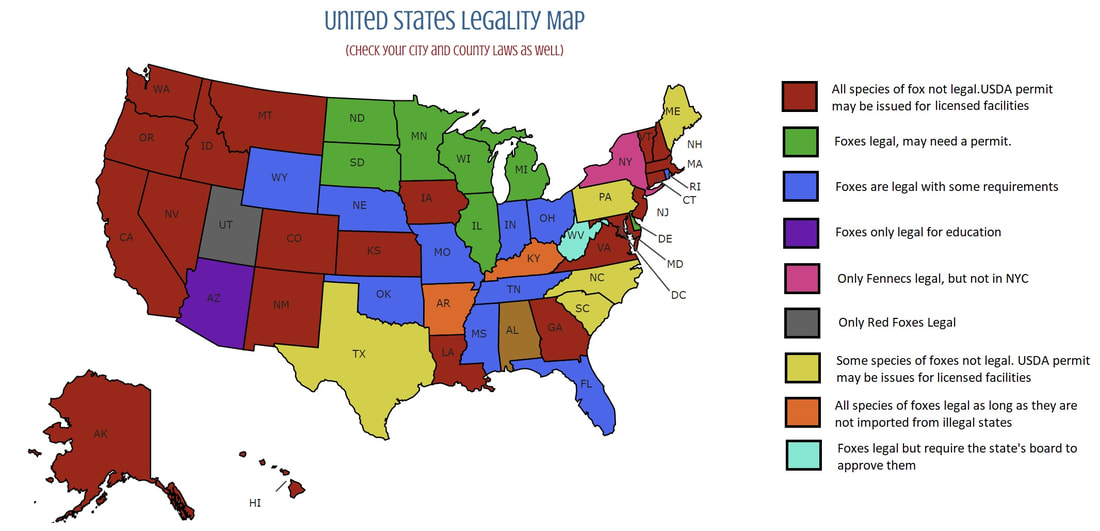
Texas distinguishes itself from many other states by having a relatively permissive approach to exotic animal ownership. However, this freedom is not without its regulations, particularly concerning species that could pose a risk to public safety or native ecosystems. The Texas Parks and Wildlife Department (TPWD) oversees regulations related to wildlife, including those that might be considered for private ownership.
Classification of Exotic Animals
The TPWD categorizes exotic animals to manage their possession and potential impact. Animals are often classified based on factors such as their native habitat, potential for disease transmission, and inherent dangers. Foxes, while native to North America, are often considered exotic when domesticated or when specific subspecies are involved. Understanding these classifications is paramount before considering any exotic pet acquisition.
The Role of Texas Parks and Wildlife Department
The Texas Parks and Wildlife Department plays a crucial role in defining which exotic animals can be legally owned by individuals in Texas. They maintain lists of prohibited species and species that require permits for possession. This regulatory framework is designed to balance the desires of exotic pet enthusiasts with the imperative to protect native wildlife, agricultural interests, and public health.
Specific Regulations for Canids
Foxes belong to the Canidae family, which includes wolves, coyotes, and domestic dogs. Regulations concerning canids, especially those not typically considered domesticated pets, can be complex. Texas law generally distinguishes between native wildlife and exotic species. While certain native foxes might be protected, the focus for ownership questions typically leans towards non-native or specifically bred exotic fox species.
Permits and Licenses
For certain exotic animals, obtaining permits or licenses from the TPWD is a prerequisite for legal ownership. These permits often involve demonstrating that the applicant can provide adequate housing, care, and security for the animal, as well as understanding the potential risks involved. The application process typically requires thorough documentation and adherence to specific husbandry standards.
Prohibited Species
Texas law explicitly prohibits the ownership of certain animals that are deemed dangerous or pose significant ecological threats. While a specific, blanket prohibition on all fox ownership might not exist, it is crucial to consult the most current TPWD regulations to ascertain if the particular fox species one is interested in is among those that are forbidden.
Is Owning a Fox a Viable Lifestyle Choice in Texas?
Beyond the legal framework, the decision to own a fox extends into the realm of lifestyle choices. This involves a deep understanding of the animal’s needs and a commitment to providing an environment that supports its well-being, as well as considering the implications for one’s daily life and engagement with Texas’s broader lifestyle.
The Nature of Foxes
Foxes, even those bred in captivity for generations, retain many of their wild instincts. They are not domesticated in the same way as dogs, which have been selectively bred for thousands of years to live alongside humans. This means they can be independent, possess strong prey drives, and may exhibit behaviors that are challenging for the average pet owner. Their dietary needs, social structures, and natural instincts differ significantly from those of cats and dogs.
Housing and Environmental Needs
Providing appropriate housing for a fox is a significant undertaking. They require secure, spacious enclosures that prevent escape and protect them from predators. These enclosures must be designed to accommodate their natural behaviors, such as digging, climbing, and exploring. This level of specialized housing is far beyond what is typically required for common domestic pets and can be a substantial investment, impacting one’s living space and lifestyle.
Creating a Safe Enclosure
A secure enclosure for a fox might involve reinforced fencing, secure roofing, and adequate depth for digging. The enclosure should also provide opportunities for enrichment, such as natural substrates, climbing structures, and hiding places, to prevent boredom and stress. This level of commitment to environmental design is critical for the animal’s welfare.
Climate Considerations
Texas experiences a wide range of temperatures, from extreme heat in the summer to occasional cold snaps in the winter. While foxes have adaptations for various climates, owners must ensure their pets are protected from extreme conditions. This might involve providing shaded areas, access to water, and appropriate shelter within their enclosures, especially during the notorious Texas heat.
Diet and Veterinary Care
Feeding a fox is a complex nutritional challenge. Their diet in the wild is varied and includes small mammals, birds, insects, and fruits. Replicating this balanced diet in captivity requires specialized knowledge and access to appropriate food sources. Furthermore, finding veterinarians with experience in treating exotic species, particularly canids like foxes, can be difficult and costly.
Specialized Nutritional Requirements

A fox’s diet needs to be carefully balanced to provide all the necessary nutrients. This often involves a mix of high-quality protein, such as commercially available raw meats or specially formulated diets, along with certain fruits and vegetables. Owners must research and adhere to these specific dietary needs to prevent health problems.
Access to Exotic Animal Veterinarians
Not all veterinary clinics are equipped to handle exotic pets. Owners of foxes in Texas must identify and establish relationships with veterinarians who have expertise in treating these animals. This can involve significant travel and higher costs for specialized care, which is an important lifestyle consideration.
Socialization and Behavior
Even when raised from a young age, foxes can be wary of humans and may not be as amenable to handling or interaction as domesticated animals. Their natural instincts for independence and their potential for nipping or biting, especially when startled or stressed, require careful management and socialization. Owners must be prepared for a different kind of relationship than they might have with a dog or cat.
Understanding Wild Instincts
It is crucial to remember that a fox is not a dog. Their behaviors are driven by instincts honed over millennia of survival in the wild. This means they may exhibit behaviors like marking territory, burying food, and vocalizing in ways that are unfamiliar to those accustomed to domestic pets.
Responsible Interaction and Training
While training a fox might be possible to some extent, it requires immense patience and a deep understanding of animal behavior. Owners must prioritize safety and avoid situations that could lead to stress or aggression for the animal, or harm to themselves or others.
Foxes as Part of the Texas Experience
The allure of owning an exotic animal like a fox is often tied to a desire for a unique lifestyle or a deeper connection with nature. In Texas, where outdoor activities and a spirit of independence are celebrated, the idea of a fox as a companion might seem appealing. However, the realities of responsible ownership often stand in contrast to the romanticized notion.
The “Exotic Pet” Lifestyle
Owning an exotic animal is not merely about having a pet; it’s about embracing a lifestyle that accommodates the animal’s specific needs. This can involve significant financial investment, time commitment, and a willingness to adapt one’s home and social life. For those considering a fox, it means a life that is intrinsically tied to the animal’s welfare and regulatory compliance.
Ethical Considerations and Conservation
Beyond personal desires, the ethics of owning exotic animals are a significant concern. Many exotic animals are sourced from the wild, which can have detrimental effects on wild populations. Even captive-bred animals may have specific needs that are difficult to meet in a domestic setting. Furthermore, the potential for escaped exotic pets to disrupt local ecosystems or spread diseases is a serious conservation issue that Texas actively seeks to mitigate.
Animal Welfare Standards
Ensuring the welfare of an exotic animal requires a commitment to meeting high standards of care that go beyond basic needs. This includes providing adequate space, proper diet, mental stimulation, and a safe environment. Failure to do so can lead to stress, illness, and behavioral problems for the animal.
The Impact on Native Wildlife
The introduction of exotic species into new environments can have profound and often negative impacts on native flora and fauna. Escaped exotic pets can become invasive species, competing with native wildlife for resources, preying on them, or spreading diseases. This is a critical consideration for any potential exotic pet owner in Texas.
Alternatives to Fox Ownership
For those captivated by foxes and other exotic animals, there are often more responsible and ethical ways to engage with them. Visiting reputable sanctuaries, zoos, or wildlife rehabilitation centers can provide opportunities to observe and learn about these animals without the complexities and ethical dilemmas of private ownership. These venues often offer educational programs that enhance the understanding of wildlife and conservation efforts.
Wildlife Sanctuaries and Rehabilitation Centers
Texas is home to numerous wildlife sanctuaries and rehabilitation centers that provide care for injured or orphaned native and exotic animals. These facilities offer a glimpse into the lives of these creatures and often educate the public on the importance of conservation and responsible wildlife interactions.
Educational Tourism and Experiences
Texas offers a wealth of opportunities for experiencing wildlife in its natural habitat or in controlled, educational settings. From national and state parks that protect native species to accredited zoos and educational centers, there are many ways to appreciate the diverse fauna of the state without the commitment of private ownership of exotic species.
Conclusion: Responsible Choices for Texas Residents
In conclusion, while the question “Can You Own A Fox In Texas?” might be met with a nuanced legal answer, the practical and ethical considerations are substantial. Texas’s regulations, while comparatively lenient, are in place to ensure responsible ownership and protect the state’s unique natural heritage. For those drawn to the mystique of owning a fox, a thorough understanding of the legal requirements, the immense commitment to specialized care, and the ethical implications is essential. Prioritizing the welfare of the animal and the health of the ecosystem should always guide such decisions, ensuring that the unique lifestyle and natural beauty of Texas are preserved for generations to come.
LifeOutOfTheBox is a participant in the Amazon Services LLC Associates Program, an affiliate advertising program designed to provide a means for sites to earn advertising fees by advertising and linking to Amazon.com. Amazon, the Amazon logo, AmazonSupply, and the AmazonSupply logo are trademarks of Amazon.com, Inc. or its affiliates. As an Amazon Associate we earn affiliate commissions from qualifying purchases.