
The Foundation: Understanding the Commercial Driver License
Acquiring a Commercial Driver License (CDL) in Florida represents a significant career decision, opening doors to a wide array of professional driving opportunities. Unlike a standard driver’s license, a CDL authorizes an individual to operate large, heavy, or placarded hazardous material vehicles in interstate and intrastate commerce. For many, it’s a pathway to a stable career, offering competitive wages and the freedom of the open road. Understanding the intricacies of the CDL process is the first critical step toward transforming this aspiration into a reality. The journey requires dedication, adherence to federal and state regulations, and a commitment to safety.
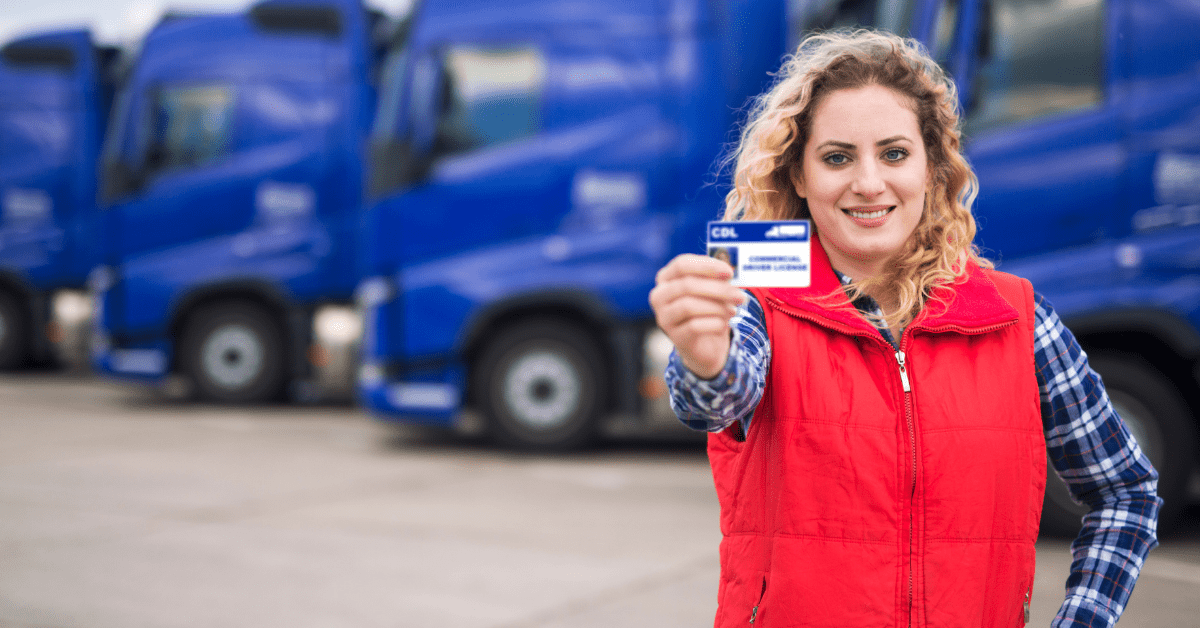
What is a CDL and Why Pursue One?
A CDL is a specialized license mandated by the Federal Motor Carrier Safety Administration (FMCSA) and administered by state Department of Highway Safety and Motor Vehicles (FLHSMV) in Florida. It’s required for operating vehicles such as tractor-trailers, buses, and tanker trucks. The reasons for pursuing a CDL are diverse. For some, it’s about entering a high-demand industry with a shortage of qualified drivers, ensuring job security. For others, it’s the appeal of a mobile career, exploring different regions while earning a living. The investment in time and resources for CDL training often translates into a robust return through increased earning potential and a flexible work environment, depending on the role. This career path offers a distinct lifestyle, often involving travel and autonomy.
Navigating CDL Classes and Endorsements
The CDL system is categorized into different classes based on the Gross Vehicle Weight Rating (GVWR) or Gross Combination Weight Rating (GCWR) of the vehicle, or the number of passengers it’s designed to carry. Each class permits the operation of different types of commercial vehicles:
- Class A CDL: Required for operating any combination of vehicles with a GCWR of 26,001 pounds or more, provided the GVWR of the vehicle(s) being towed is in excess of 10,000 pounds. This is typically for tractor-trailers, truck and trailer combinations, and flatbeds.
- Class B CDL: Necessary for operating a single vehicle with a GVWR of 26,001 pounds or more, or towing a vehicle not in excess of 10,000 pounds GVWR. This includes straight trucks, large buses, and dump trucks.
- Class C CDL: Applies to vehicles designed to transport 16 or more passengers (including the driver), or vehicles used to transport Hazardous Materials (HazMat) that do not meet the criteria for a Class A CDL or Class B CDL.
Beyond these classes, specific endorsements are required to operate certain types of vehicles or carry particular cargo. These include:
- Passenger Endorsement (P): For driving vehicles designed to transport 16 or more passengers.
- School Bus Endorsement (S): Required for driving a school bus.
- Tanker Endorsement (N): For transporting liquids or liquefied gases in a tank vehicle.
- Hazardous Materials Endorsement (H): Necessary for transporting hazardous materials that require placarding. This endorsement requires a federal background check.
- Doubles/Triples Endorsement (T): For pulling double or triple trailers (though triples are not permitted in Florida).
Each endorsement requires additional knowledge tests and sometimes a skills test. Choosing the right class and relevant endorsements aligns directly with one’s desired driving career and lifestyle.
Eligibility and Pre-requisites for a Florida CDL
Before embarking on the testing and training journey, prospective CDL applicants in Florida must satisfy several fundamental eligibility requirements. These prerequisites are in place to ensure that all commercial drivers meet strict safety and operational standards, safeguarding both the driver and the public. Understanding and fulfilling these criteria early on can streamline the application process and prevent unnecessary delays.
Meeting Florida Residency and Age Requirements
To apply for a CDL in Florida, an applicant must be a Florida resident. Proof of residency, such as utility bills, voter registration, or a Florida driver’s license, will be required by the FLHSMV.
Regarding age, there are two primary tiers:
- 18 years old: Individuals 18 and older can obtain a CDL for intrastate driving, meaning they can operate commercial vehicles only within the state of Florida.
- 21 years old: To operate a commercial vehicle across state lines (interstate commerce) or to transport Hazardous Materials, applicants must be at least 21 years old. This age requirement also applies to obtaining certain endorsements, such as the HazMat Endorsement.
These age distinctions are critical for planning one’s commercial driving career, particularly if interstate travel is a desired component of the lifestyle.
The Crucial DOT Medical Examination
All CDL applicants must pass a Department of Transportation (DOT) medical examination, conducted by a certified medical examiner listed on the FMCSA National Registry. This exam evaluates a driver’s physical and mental fitness to operate a commercial vehicle safely. Components of the exam typically include:
- Vision screening: Meeting minimum vision standards, with or without corrective lenses.
- Hearing test: Ability to perceive a forced whisper at a certain distance.
- Blood pressure: Maintaining blood pressure below certain thresholds, potentially with medication.
- Urinalysis: Screening for various medical conditions, including diabetes and kidney issues.
- Physical assessment: Evaluation of heart, lungs, neurological function, and general physical condition.
Upon passing, the driver receives a medical examiner’s certificate, which is valid for up to two years. This certificate must be submitted to the FLHSMV and kept current throughout the driver’s career. Failure to maintain a valid medical certificate will result in the disqualification of the CDL. This ongoing requirement underscores the importance of a healthy lifestyle for commercial drivers.
Your Driving Record Matters
A clean driving record is paramount for obtaining a CDL in Florida. The FLHSMV will review the applicant’s Motor Vehicle Records (MVR) for the past several years. Disqualifying offenses can include:
- Serious traffic violations, such as driving under the influence (DUI) or reckless driving.
- Leaving the scene of an accident.
- Using a commercial motor vehicle in the commission of a felony.
- Repeated serious traffic offenses within a certain timeframe.
Even non-commercial driving violations can impact CDL eligibility. A history of unsafe driving indicates a higher risk to potential employers and the public, often leading to a denial of a CDL application or, if already held, a suspension or revocation. Maintaining a safe and responsible driving history is not just a prerequisite but a continuous professional obligation for anyone aspiring to a commercial driving lifestyle.
Step-by-Step: The Application Process
Once the eligibility criteria are met, the practical journey to obtaining a Florida CDL begins. This involves several distinct stages, each designed to assess a candidate’s knowledge, skills, and readiness to safely operate commercial motor vehicles. A structured approach to this process will significantly increase the likelihood of success.
Obtaining Your Commercial Learner’s Permit (CLP)
The first official step is to acquire a Commercial Learner’s Permit (CLP). To do this, applicants must visit a FLHSMV office and:
- Present proof of identity, residency, and social security number.
- Submit a valid DOT medical examiner’s certificate.
- Pass the required knowledge tests for the CDL class and any endorsements desired. These tests cover general knowledge, air brakes, and combination vehicles, as well as specific endorsement areas like passenger transport or HazMat.
- Pay the applicable fees.
Once issued, the CLP allows the permit holder to practice driving a commercial vehicle on public roads, but only with a qualified CDL holder present in the passenger seat. The CLP is typically valid for one year, and there’s a mandatory waiting period of at least 14 days after obtaining the CLP before one can take the full CDL skills test. This supervised practice period is crucial for developing the hands-on skills necessary for the road test.
Mastering the Knowledge Tests
The knowledge tests are computer-based exams administered at a FLHSMV office. These tests are comprehensive and designed to ensure a thorough understanding of commercial vehicle operation, safety regulations, and specific vehicle systems. Areas covered include:
- General Knowledge: Covers basic safety rules, vehicle inspection, safe driving practices, hazardous material rules, and federal regulations.
- Air Brakes: Essential for drivers operating vehicles with air brake systems.
- Combination Vehicles: Specific knowledge for operating tractor-trailers.
- Endorsement-specific tests: For example, the Passenger Endorsement test focuses on passenger safety and emergency procedures.
Preparation is key. The Florida Commercial Driver License Handbook, available online and at FLHSMV offices, is the primary resource for studying. Numerous online practice tests and CDL training programs also offer valuable study aids. Passing these tests demonstrates foundational theoretical knowledge, which is critical before moving to practical skills.
Practical Training: Schools and Beyond
While self-study is possible for the knowledge tests, practical training is almost universally necessary for the skills portion. This usually involves enrolling in a certified CDL training school in Florida. These schools offer structured programs that teach everything from pre-trip inspections to advanced driving maneuvers. Key aspects of training include:
- Vehicle Familiarization: Understanding the components and functions of commercial vehicles.
- Pre-Trip Inspection: Learning how to thoroughly inspect a vehicle to ensure it’s safe to operate.
- Basic Vehicle Control Skills: Mastering backing maneuvers, parallel parking, and docking.
- On-Road Driving: Practicing safe driving practices on public roads, including shifting, turning, lane changes, and managing traffic.
Some companies offer employer-sponsored CDL training programs, where they cover the cost of training in exchange for a commitment to work for them for a certain period. This can be an attractive option for those looking to minimize upfront costs and secure a job immediately after licensing. The choice between independent schools and employer programs often shapes the initial phase of a commercial driver’s career and lifestyle.
Acing the CDL Skills Test
The final hurdle is the CDL Skills Test, which assesses an applicant’s practical ability to operate a commercial vehicle safely. This test is administered by a certified CDL examiner and consists of three parts:
- Pre-Trip Inspection: The applicant must demonstrate knowledge of the vehicle’s components and prove it is safe to drive by identifying and explaining various safety checks. This section is often the most challenging due to the sheer volume of items to remember.
- Basic Vehicle Control Skills Test: This involves performing a series of off-road maneuvers in a controlled environment, such as straight-line backing, offset backing, and parallel parking (alley dock). Precision and smooth vehicle handling are critical.
- On-Road Driving Test: The examiner accompanies the applicant on public roads, evaluating their ability to handle the vehicle in traffic, manage intersections, make turns, change lanes, and observe all traffic laws. This segment assesses real-world driving competency.
Failing any portion of the skills test requires retesting that specific section. Thorough practice and professional instruction are indispensable for passing this comprehensive evaluation.
Beyond the Test: Maintaining Your CDL and Career Path
Obtaining a CDL in Florida is not the end of the journey, but rather the beginning of a new professional chapter. Maintaining the license, staying compliant with regulations, and understanding the career landscape are vital for a successful and sustainable commercial driving lifestyle.
CDL Renewal and Medical Certification Compliance
A Florida CDL typically needs to be renewed every eight years. However, the accompanying DOT medical examiner’s certificate must be renewed more frequently, usually every two years, or sooner if specific medical conditions warrant closer monitoring. It is the driver’s responsibility to schedule and pass the medical exam before the current certificate expires and to submit the updated certificate to the FLHSMV. Failure to do so will result in the downgrade of the CDL to a non-commercial license, effectively preventing the driver from operating commercial vehicles. Additionally, specific endorsements, such as the HazMat Endorsement, require periodic background checks and renewals, typically every five years. Continuous compliance with these administrative requirements is non-negotiable for professional commercial drivers.
Career Opportunities in Florida for CDL Holders
Florida’s robust economy and position as a major transportation hub create diverse opportunities for CDL holders. The types of jobs available vary widely and can cater to different lifestyle preferences:
- Long-Haul (Over-the-Road) Driving: Involves interstate travel, often for weeks at a time, transporting goods across the country. This offers a mobile lifestyle but requires significant time away from home.
- Regional Driving: Focuses on transporting goods within a specific region, allowing drivers to be home more frequently, often on weekends.
- Local/Dedicated Driving: Involves daily routes, allowing drivers to be home every night. This includes roles like delivery drivers, sanitation workers, construction drivers, and bus drivers (e.g., transit buses, school buses).
- Specialized Transport: Driving for companies that transport specific types of cargo, such as bulk liquids (tankers), oversized loads, or hazardous materials. These roles often require additional endorsements and specialized training.
The demand for CDL drivers in Florida remains strong, offering a stable career path with varied work environments. From the bustling ports of Miami and Jacksonville to the agricultural heartland, commercial drivers are the backbone of the supply chain.

The Lifestyle of a Commercial Driver
The lifestyle associated with commercial driving is unique and offers both challenges and rewards. It demands adaptability, self-reliance, and a strong sense of responsibility. Drivers often spend long hours on the road, navigate diverse weather conditions, and adhere to strict Hours of Service (HOS) regulations to prevent fatigue.
Rewards include:
- Financial Stability: CDL careers often offer competitive salaries and benefits.
- Independence: Many drivers enjoy the autonomy of being on the road and managing their own schedule within regulatory limits.
- Travel and Exploration: Long-haul drivers get to see different parts of the country.
- Job Security: The demand for qualified commercial drivers is consistently high.
Challenges often involve:
- Time Away from Home: Especially for long-haul drivers, this can impact family life and social connections.
- Physical Demands: Long periods of sitting, combined with the need to load/unload in some roles, can be physically taxing.
- Regulatory Compliance: Adhering to numerous federal and state regulations, including HOS, which can be complex.
- Solitude: While some enjoy the independence, others may find the solitary nature of the job challenging.
For those considering a career as a commercial driver in Florida, understanding these lifestyle implications is as important as mastering the driving skills. It’s a calling that requires a specific mindset, but for the right individual, it offers a fulfilling and vital role in the nation’s economy.
LifeOutOfTheBox is a participant in the Amazon Services LLC Associates Program, an affiliate advertising program designed to provide a means for sites to earn advertising fees by advertising and linking to Amazon.com. Amazon, the Amazon logo, AmazonSupply, and the AmazonSupply logo are trademarks of Amazon.com, Inc. or its affiliates. As an Amazon Associate we earn affiliate commissions from qualifying purchases.