
When contemplating a journey to the American heartland, one question often surfaces: “Is Nebraska cold?” This query, while seemingly straightforward, unlocks a deeper understanding of the varied climatic experiences this expansive state offers, profoundly influencing how one might plan a visit. Nebraska, often perceived through a singular lens, actually presents a nuanced spectrum of weather patterns across its diverse regions and throughout its distinct seasons. For the traveler seeking authentic experiences, understanding Nebraska’s climate is paramount to selecting the optimal time for exploration, packing appropriately, and fully appreciating the natural beauty and cultural richness that await. This guide delves into the specifics of Nebraska’s weather, offering insights that will empower you to plan an unforgettable trip, whether your interests lie in outdoor adventures, historical exploration, or vibrant urban discovery.
Understanding Nebraska’s Climate Profile
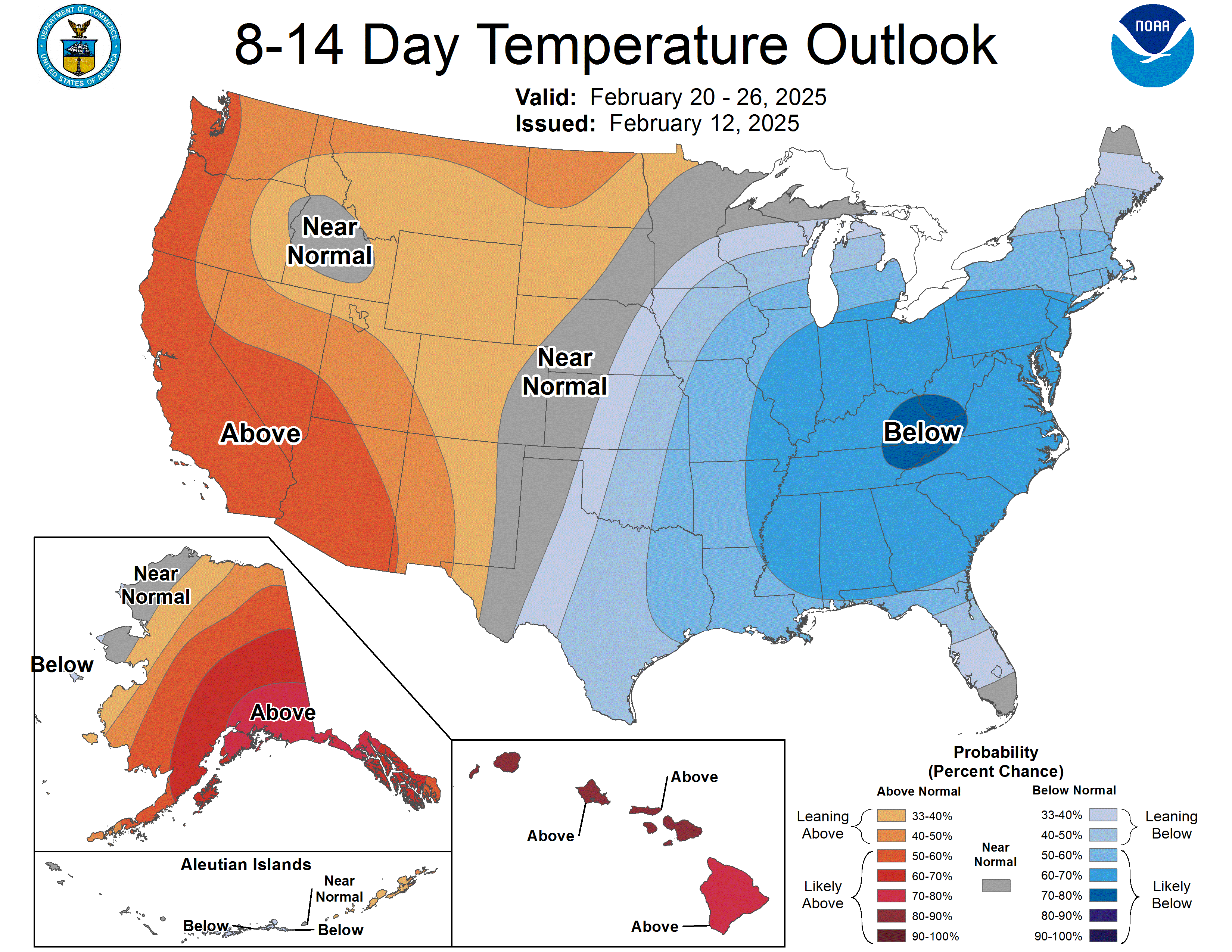
Nebraska’s climate is predominantly continental, characterized by significant temperature variations between seasons and even between day and night. This means that while summers can be quite warm, winters are decidedly chilly. The state sits in the path of many weather systems, leading to dynamic and sometimes unpredictable conditions.
Seasonal Temperature Trends
The defining characteristic of Nebraska’s climate is its distinct seasonality.
Summer (June – August)
Summers in Nebraska are typically warm to hot, with average high temperatures often in the high 80s Fahrenheit (around 31-32°C) and sometimes soaring into the 90s (32-37°C) or even triple digits (38°C+), especially in the western parts of the state. Humidity can be a factor, particularly in the eastern regions, making the heat feel more intense. Evenings generally offer some relief, with temperatures dropping into the comfortable 60s or 70s Fahrenheit (16-26°C). Thunderstorms are common during the summer months, often providing brief but intense downpours, and occasionally bringing severe weather.
Autumn (September – November)
Autumn is often considered one of Nebraska’s most pleasant seasons. September and October typically boast mild temperatures, with highs in the 60s and 70s Fahrenheit (16-26°C) and cooler nights. This is a beautiful time for scenic drives, as the leaves change color, particularly in the northeastern and central parts of the state. November sees a noticeable drop in temperature, with daytime highs often in the 40s and 50s Fahrenheit (4-15°C), and frost becoming more common.
Winter (December – February)
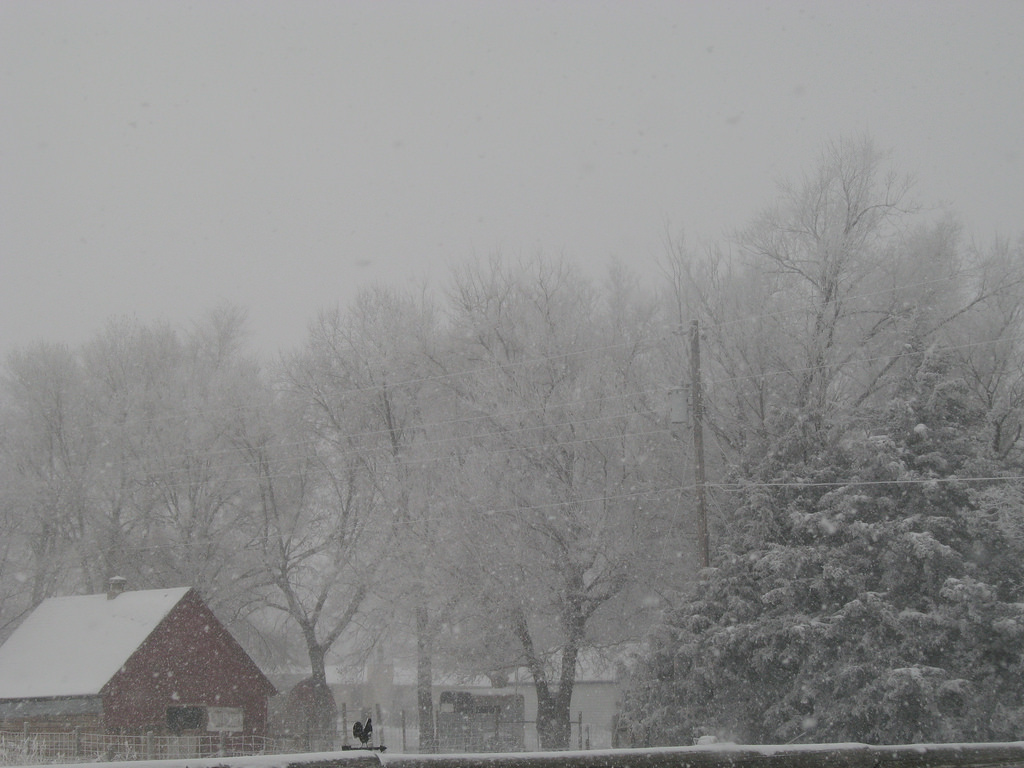
Nebraska winters are undeniably cold. Average high temperatures hover in the 20s and 30s Fahrenheit (-7 to 4°C), with overnight lows frequently dropping well below freezing, often reaching into the single digits or teens Fahrenheit (-18 to -7°C) and sometimes much colder, especially during arctic air intrusions. Snowfall is common, though its accumulation can vary significantly from year to year and across different regions. Eastern Nebraska tends to receive more consistent snowfall than the western panhandle. Wind chill factors can make the perceived temperature feel even colder.
Spring (March – May)
Spring in Nebraska is a transitional season, marked by increasing temperatures but also by a degree of unpredictability. March can still bring winter-like conditions, including snow and freezing temperatures. By April, warmer weather typically begins to emerge, with average highs in the 50s and 60s Fahrenheit (10-21°C). However, spring is also known for its volatile weather, including strong winds, severe thunderstorms, and the potential for late-season snowstorms. May generally settles into more consistently warm weather, with highs in the 70s Fahrenheit (21-26°C), though occasional cool snaps can occur.
Regional Climate Variations
While Nebraska shares a general continental climate, there are subtle regional differences that can influence your travel experience.
Eastern Nebraska
Eastern Nebraska, including areas around Omaha and Lincoln, experiences slightly higher humidity due to its proximity to the Missouri River. This can make summer days feel warmer and more muggy. Winters here are typically cold with more consistent snow cover compared to the west.
Central Nebraska
Central Nebraska, encompassing areas like Kearney, often experiences more dramatic temperature swings. It’s a transition zone, receiving moderate precipitation and experiencing significant seasonal shifts. The Platte River valley here is a significant ecological area, particularly for bird migration.
Western Nebraska
Western Nebraska, including the Nebraska Panhandle and cities like Scottsbluff, tends to be drier and experience more extreme temperature fluctuations. Summers can be exceptionally hot and dry, while winters, though cold, may see less persistent snow cover than the east, with more frequent chinook winds offering temporary warmth. The landscape here, characterized by the Chimney Rock National Historic Site and Scotts Bluff National Monument, is sculpted by wind and water over millennia.
Planning Your Nebraska Adventure: A Seasonal Approach
Understanding these climatic nuances is key to tailoring your visit to Nebraska for the best possible experience. The “cold” factor is most pronounced during winter, but even then, the state offers unique attractions and activities.
Springtime in Nebraska: A Season of Renewal and Variable Weather
Visiting Nebraska in the spring offers the promise of awakening landscapes and a vibrant return of wildlife. Early spring, particularly in March, can still feel quite wintery, with cold temperatures and the possibility of snow. However, by April and May, the state begins to bloom.
- Nature and Wildlife: This is an exceptional time for birdwatching. The central flyway, particularly along the Platte River, is a critical staging ground for millions of Sandhill Cranes during their spring migration. Witnessing this spectacle is a truly awe-inspiring experience. Wildflowers begin to dot the prairies, and the landscape transforms from dormant brown to vibrant green.
- Outdoor Activities: Hiking and exploring state parks like Indian Cave State Park or Chadron State Park become increasingly pleasant as the weather moderates. Remember to pack layers, as spring weather can shift rapidly from sunny and warm to cool and rainy.
- Urban Exploration: Cities like Omaha and Lincoln come alive with outdoor cafes and festivals as the weather improves. The Henry Doorly Zoo and Aquarium in Omaha is a world-class attraction, enjoyable in any season but particularly pleasant during spring.
Summer in Nebraska: Embracing the Heat and Outdoor Opportunities
Summers in Nebraska are warm and offer abundant opportunities for outdoor recreation and exploring the state’s vast agricultural landscapes. While the heat can be a consideration, it also fuels a lively atmosphere and allows for certain activities to truly shine.
- Agricultural Tourism: Summer is prime time for exploring Nebraska’s agricultural roots. Visit local farms, experience a farmers’ market in Grand Island, or learn about the state’s contribution to the nation’s food supply. The iconic Cornhuskers football season kicks off in the fall, but understanding Nebraska’s agricultural heritage is a year-round pursuit.
- Water Activities: With the warm temperatures, lakes and rivers become popular. Lake McConaughy, Nebraska’s largest reservoir, offers opportunities for boating, swimming, and fishing. The Niobrara River is renowned for its scenic beauty and opportunities for kayaking and tubing.
- Festivals and Events: Summer is a peak season for community festivals, county fairs, and outdoor concerts across the state. These events offer a fantastic glimpse into local culture and traditions. The heat is best managed by staying hydrated, seeking shade, and planning strenuous outdoor activities for the cooler morning or evening hours.
Autumn in Nebraska: A Visual Feast and Pleasant Temperatures
Many consider autumn to be Nebraska’s “golden season.” The temperatures are comfortable, the humidity drops, and the landscape is adorned with the vibrant colors of changing leaves.
- Scenic Drives and Fall Foliage: Regions with deciduous trees, particularly in eastern and northeastern Nebraska, offer breathtaking displays of fall color. A leisurely drive through the countryside, perhaps along the Scenic Highway 12, provides unparalleled views.
- Harvest Season: This is the time of harvest, and the state’s agricultural bounty is on full display. Many towns celebrate with harvest festivals, apple picking, and pumpkin patches. The cool, crisp air is perfect for exploring historic sites like the Strategic Air Command & Aerospace Museum or the Carnegie Arts Center in Beatrice.
- Mild Weather for Exploration: The mild daytime temperatures make it ideal for exploring the numerous state parks, hiking trails, and historical landmarks without the intensity of summer heat or the chill of winter.
Winter in Nebraska: Embracing the Cold and Unique Experiences
While “cold” is an accurate descriptor for Nebraska winters, it does not mean the state is uninviting. For those prepared for the chill, winter in Nebraska offers a distinct charm and a range of unique activities.
- Winter Landscapes and Solitude: The snow-covered prairies and plains offer a serene and stark beauty. It’s a time for appreciating the quietude of the landscape. National parks and historical sites, often less crowded in winter, provide a more intimate experience.
- Winter Sports and Activities: While not a major ski destination, Nebraska offers opportunities for ice fishing on its frozen lakes, cross-country skiing in state parks, and even sledding. The determined traveler might find opportunities for snowshoeing in quieter rural areas.
- Cozy Indoor Pursuits: Winter is the perfect time to explore Nebraska’s charming small towns, browse local shops, and enjoy the warmth of its diners and cafes. Museums like the Great Plains Art Museum in Lincoln or the Stuhr Museum of the Prairie Pioneer in Grand Island offer fascinating insights into the region’s history and culture. The anticipation of the College World Series in Omaha in the spring also provides a focal point as winter wanes.
Packing and Preparation for Nebraska’s Climate
Regardless of the season, proper packing is crucial for a comfortable and enjoyable trip to Nebraska.
Essential Items for All Seasons
- Layers: The key to managing Nebraska’s variable weather is layering. Pack lightweight tops, sweaters or fleeces, and a versatile outer layer.
- Comfortable Footwear: You’ll likely be doing a good amount of walking, whether exploring cities, trails, or historical sites.
- Sun Protection: Sunscreen, a hat, and sunglasses are essential year-round, as Nebraska can experience strong sunlight, even in colder months.
- Hydration: Always carry a reusable water bottle, especially during warmer months or when engaging in outdoor activities.
Season-Specific Considerations
- Spring and Autumn: Pack a waterproof jacket or umbrella, as rain showers are common. Lighter sweaters and long-sleeved shirts are ideal.
- Summer: Light, breathable clothing is a must. Include shorts, t-shirts, and perhaps a light long-sleeved shirt for sun protection or cooler evenings. Insect repellent can also be useful.
- Winter: Heavy coats, insulated waterproof boots, warm hats, gloves, and scarves are indispensable. Thermal base layers will significantly enhance comfort during colder periods. Consider bringing lip balm and moisturizer to combat dry, cold air.

Embracing the “Cold” and Beyond
So, is Nebraska cold? Yes, it certainly can be, especially during the winter months. However, this “cold” is a part of its character, shaping its landscapes, its seasons, and the resilience of its people. For the adventurous traveler, Nebraska’s climate presents an opportunity to experience the full spectrum of a continental climate, from the heat of summer to the crisp air of autumn and the profound stillness of winter. By understanding its weather patterns and planning accordingly, you can unlock the diverse beauty and rich experiences that make Nebraska a truly unique and rewarding destination. Whether you’re drawn by the wildlife of spring, the vastness of summer landscapes, the colors of autumn, or the quiet charm of winter, Nebraska offers a journey that is as varied and engaging as its climate itself.
LifeOutOfTheBox is a participant in the Amazon Services LLC Associates Program, an affiliate advertising program designed to provide a means for sites to earn advertising fees by advertising and linking to Amazon.com. Amazon, the Amazon logo, AmazonSupply, and the AmazonSupply logo are trademarks of Amazon.com, Inc. or its affiliates. As an Amazon Associate we earn affiliate commissions from qualifying purchases.