
Making the decision to relocate to Florida is often driven by the allure of its sunshine, beaches, and vibrant cultural landscape. However, a successful move is about more than just changing your address; it’s about embracing and adapting to a new lifestyle. Understanding the nuances of daily life, the economic landscape, and community dynamics is crucial for a smooth transition and long-term satisfaction in the Sunshine State. This guide delves into the lifestyle considerations that are essential for anyone planning a move to Florida.
Understanding the Florida Lifestyle
Florida’s lifestyle is distinct and multifaceted, shaped by its unique geography, climate, and diverse population. Before packing your bags, gaining a comprehensive understanding of what life truly entails here is paramount. It’s a state that offers a blend of relaxation and activity, catering to a wide array of preferences.
Climate and Outdoor Living
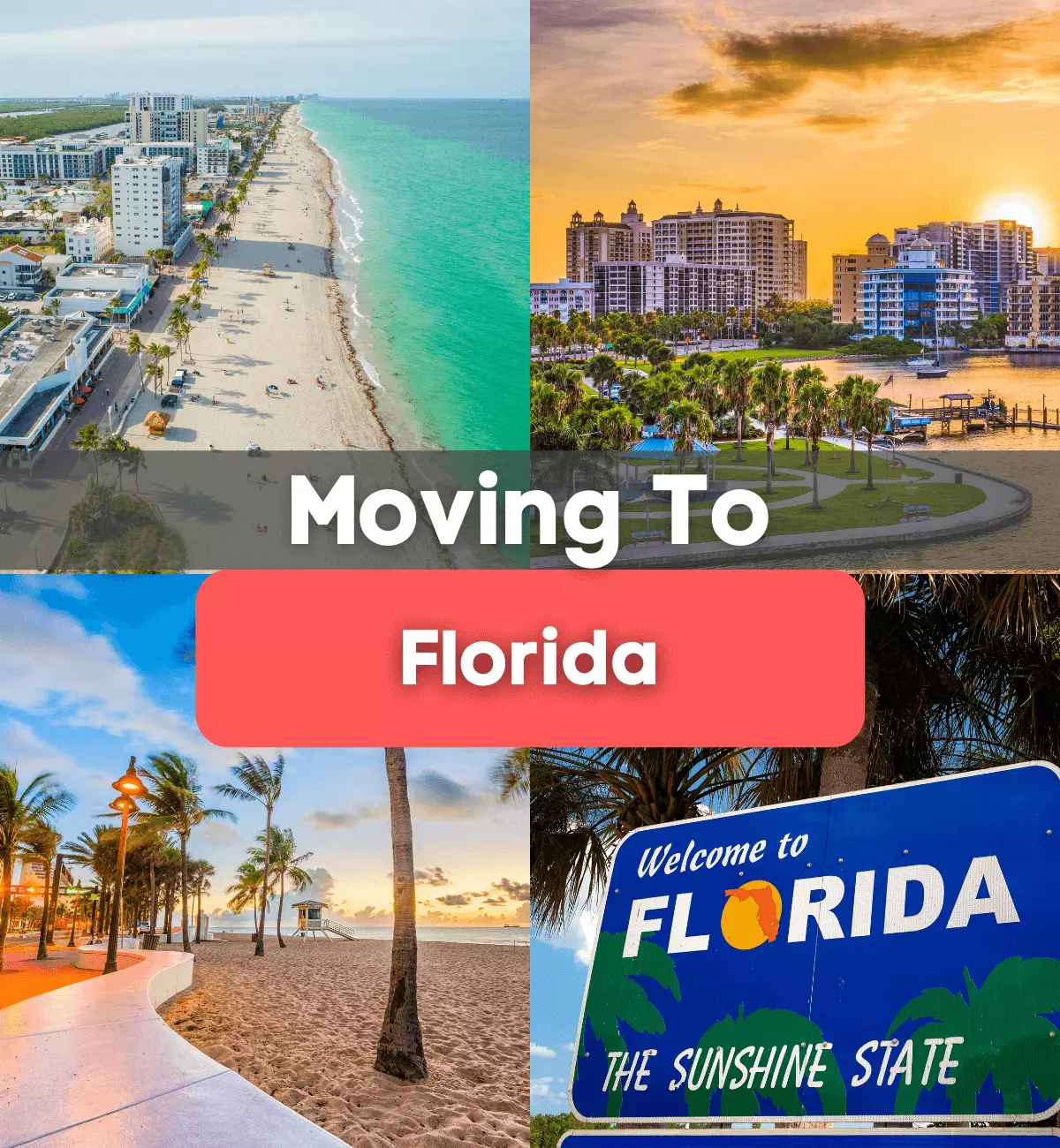
The subtropical to tropical climate is arguably Florida’s most defining characteristic. With year-round warmth, abundant sunshine, and mild winters, outdoor living is not just an option but a way of life. Residents spend significant time engaging in activities such as boating, fishing, golfing, swimming, and exploring the state’s numerous parks and natural reserves. This constant connection to nature heavily influences everything from fashion choices to home architecture. However, it also means adapting to hot, humid summers and the occasional hurricane season, requiring preparedness and a shift in daily routines during certain months. Understanding and appreciating this climate is fundamental to enjoying a Floridian lifestyle.
Diverse Culture and Communities
Florida is a melting pot of cultures, influenced by its proximity to the Caribbean and Latin America, as well as significant migration from other U.S. states. This diversity manifests in everything from culinary scenes to artistic expressions and community festivals. Major metropolitan areas like Miami offer a distinctly international flavor, while cities like St. Augustine boast rich historical roots. The state also has a large population of retirees, particularly along the Gulf Coast, fostering active adult communities with unique social dynamics. Choosing where to live often depends on the specific cultural environment and community vibe you seek, whether it’s a bustling urban center, a quiet beach town, or a family-friendly suburb.
Cost of Living Snapshot
While often perceived as an affordable state, the cost of living in Florida can vary significantly depending on the region. Housing costs, for instance, are considerably higher in popular coastal cities and major urban hubs like Miami, Fort Lauderdale, and Orlando compared to more inland or rural areas. Property taxes can be moderate, but homeowner’s insurance, particularly for properties in hurricane-prone zones, can be a substantial expense. On the upside, Florida has no state income tax, which can result in considerable savings for residents. Grocery and utility costs are generally on par with the national average, though air conditioning usage during summer months can lead to higher electricity bills. A thorough budget assessment tailored to your chosen location is essential for financial preparedness.
Planning Your Relocation: Practical Lifestyle Considerations
Relocating involves meticulous planning, and for Florida, this includes specific considerations that directly impact your future lifestyle. From employment opportunities to educational systems and healthcare access, these practical aspects are integral to establishing a stable and fulfilling life.
Job Market and Economy
Florida’s economy is robust and diversified, with key sectors including tourism, agriculture, international trade, aerospace, and advanced manufacturing. The state is also a growing hub for technology, finance, and healthcare. If you’re moving for work, researching the job market in your specific industry and preferred location is critical. Major cities like Orlando and Tampa offer diverse opportunities, while coastal regions might lean more towards tourism and hospitality. Networking within your industry prior to your move, leveraging online platforms, and understanding average salary expectations can significantly ease the transition into the local workforce. Entrepreneurship is also thriving, benefiting from the state’s favorable business climate.
Education and Family Life
For families with children, the quality of local schools is often a primary concern. Florida offers a mix of public, private, and charter schools, with performance varying significantly by district and individual institution. Websites that provide school ratings and parent reviews can be invaluable resources. Beyond formal education, the state provides a wealth of family-friendly activities, from theme parks in Orlando to science museums, wildlife sanctuaries, and numerous parks. When considering a move, investigating local community centers, youth sports leagues, and extracurricular programs will give you a clearer picture of the family lifestyle options available in different areas. Many communities are designed with families in mind, offering safe neighborhoods, parks, and recreational facilities.
Healthcare Access
Access to quality healthcare is a critical lifestyle factor for everyone, particularly for retirees and those with specific medical needs. Florida boasts a comprehensive network of hospitals, specialized clinics, and medical professionals, especially in its larger urban and retirement-heavy areas. Renowned medical centers like those in Gainesville (University of Florida Health) and Tampa (Tampa General Hospital) provide advanced care. It’s advisable to research healthcare providers, understand insurance coverage options within the state, and verify the availability of specialists in your chosen location. For those relocating with existing medical conditions, establishing relationships with new doctors and ensuring seamless transfer of medical records well in advance of the move is crucial for peace of mind.
Choosing Your Florida Home: Neighborhoods and Communities
The choice of your new neighborhood in Florida profoundly impacts your daily lifestyle. The state offers a vast spectrum of living environments, each with its unique character, amenities, and community feel. Carefully considering your preferences will ensure you find a place that truly feels like home.
Coastal vs. Inland Living
The decision between coastal and inland living is one of the most significant when moving to Florida. Coastal areas, such as Sarasota, Naples, or the communities along the Atlantic seaboard, offer immediate access to beaches, water sports, and typically higher property values due to demand and views. The lifestyle here often revolves around the ocean, with opportunities for boating, fishing, and beachfront relaxation. Inland areas, like those around Orlando or Lakeland, tend to be more affordable, less prone to hurricane impacts, and offer different recreational opportunities such as freshwater lakes, theme parks, and sprawling nature preserves. The pace of life can also be different, with coastal towns often having a more relaxed, vacation-like atmosphere, while inland cities may feel more centered on traditional commerce and suburban family life.
Urban vs. Suburban vs. Rural
Florida presents a range of urban, suburban, and rural options, each offering a distinct lifestyle. Urban centers like Miami, Tampa, or Jacksonville provide vibrant nightlife, diverse dining, cultural attractions, and often a denser population with more public transportation options. The lifestyle here is fast-paced and convenient for those who enjoy city amenities. Suburban communities, surrounding these major cities, cater more to families with good schools, parks, and a quieter pace of life, often requiring car dependency. Places like Winter Park near Orlando or Coral Gables in Miami-Dade County exemplify desirable suburban living. Rural areas, particularly in Central and North Florida, offer expansive spaces, agricultural living, and a strong sense of community, appealing to those seeking tranquility and a connection to nature.
Retirement Communities and Active Adult Lifestyles
Florida is renowned as a premier destination for retirees, leading to a proliferation of specialized retirement communities and active adult developments. These communities, such as The Villages or various 55+ communities across the state, are designed to foster social engagement and active lifestyles. They often feature extensive amenities like golf courses, clubhouses, fitness centers, and organized social activities. For those entering retirement, these communities offer a vibrant and supportive environment, making it easy to form new friendships and pursue hobbies. Understanding the various types of retirement communities – from independent living to assisted living – and their associated costs and services is essential for prospective residents seeking this particular lifestyle.
Integrating into Your New Florida Life
Once you’ve made the move and settled into your new home, the next phase is about actively integrating into the Florida lifestyle. This involves understanding local customs, transportation, and finding ways to connect with your new community.
Navigating Transportation
While some urban areas in Florida offer limited public transportation options, particularly Miami’s Metromover or Orlando’s SunRail, the state is largely car-dependent. Owning a vehicle is almost a necessity for most residents, especially for those living in suburban or rural areas. Be prepared for regular car usage, and familiarize yourself with Florida’s toll road system, which is extensive, particularly around major cities. Learning local traffic patterns, especially during tourist seasons or rush hour in populated areas, is also key. For those who enjoy cycling or walking, some communities, particularly newer developments and college towns like Gainesville or St. Petersburg, are becoming more pedestrian and bike-friendly, but generally, a car is king.
Embracing Local Activities and Recreation
To truly integrate, embrace the local activities that define the Florida lifestyle. This might involve frequent trips to the beach, exploring state parks, participating in water sports, or attending local festivals and events. Florida offers an incredible array of recreational opportunities, from deep-sea fishing off Key West to golfing on world-class courses or discovering the natural beauty of the Everglades. Learning about the unique wildlife, understanding local conservation efforts, and participating in outdoor events will quickly immerse you in the state’s culture. Even simple things like visiting farmer’s markets, trying fresh seafood, or attending a local sporting event can help you feel more connected.
Building Community Connections
Establishing a social circle is paramount for feeling at home in any new location. In Florida, this often involves engaging with local community groups, clubs, or volunteer organizations. Whether it’s joining a sports league, a book club, a civic association, or finding common interest groups through platforms like Meetup, actively seeking out opportunities to connect will enrich your experience. For families, school-based activities and parent groups are excellent ways to meet neighbors. For retirees, the structured activities within 55+ communities provide a built-in social network. Be open to new experiences and conversations, as the diverse population of Florida means there’s a good chance you’ll find like-minded individuals to share your new life with.
LifeOutOfTheBox is a participant in the Amazon Services LLC Associates Program, an affiliate advertising program designed to provide a means for sites to earn advertising fees by advertising and linking to Amazon.com. Amazon, the Amazon logo, AmazonSupply, and the AmazonSupply logo are trademarks of Amazon.com, Inc. or its affiliates. As an Amazon Associate we earn affiliate commissions from qualifying purchases.