
Understanding the economic landscape of a vibrant city like Miami is crucial for anyone considering a visit, a move, or engaging in its diverse economy. While the minimum wage directly impacts residents and businesses, its implications resonate broadly, influencing the cost of services, the affordability of tourism experiences, and the overall economic vitality that draws visitors to this dynamic Florida metropolis. This exploration delves into the current minimum wage in Miami, its historical context, and how it shapes the city’s unique appeal.
The Current Minimum Wage Landscape in Miami
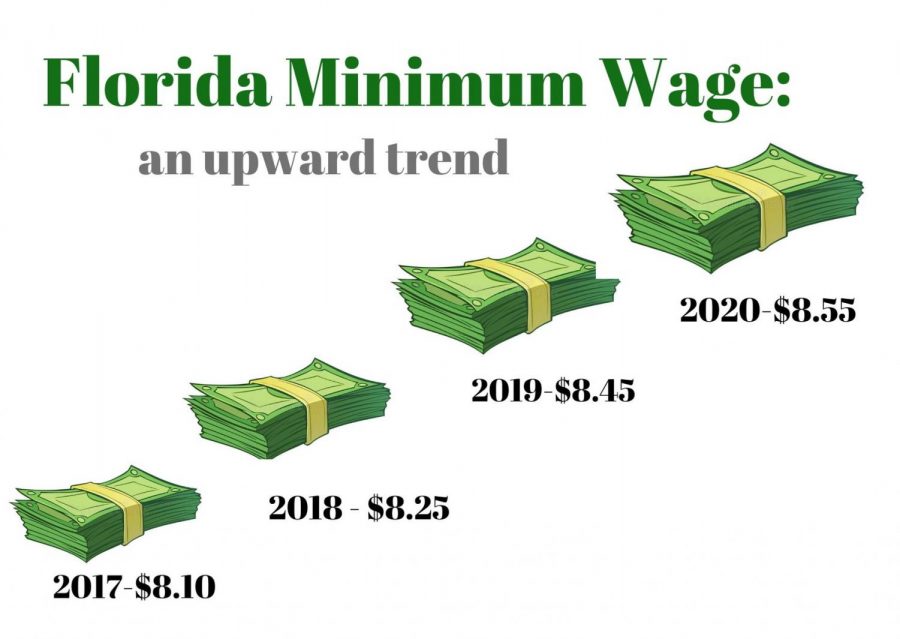
The minimum wage in Miami, like much of Florida, is governed by a state-level mandate that has seen gradual increases over recent years. As of January 1, 2024, the state minimum wage for most employees is $13.00 per hour. This represents a significant increase from previous years and is part of a legislative roadmap designed to bring the wage closer to a living wage over time.
It is important to note that while $13.00 is the state minimum, certain local ordinances or specific industry agreements could potentially establish higher wage floors. However, for the vast majority of workers in Miami, this state-mandated rate serves as the baseline. This hourly figure applies to all eligible employees, regardless of whether they are in the bustling hospitality sector, retail establishments along Ocean Drive, or service industries supporting the city’s constant influx of tourists and residents.
Tipped Employees: A Special Consideration
A critical distinction within minimum wage laws concerns employees who regularly receive tips, commonly found in Miami’s extensive restaurant and bar scene. For these employees, employers are permitted to pay a lower direct wage, known as the “tip credit” wage, provided that the employee’s tips, combined with this direct wage, meet or exceed the standard minimum wage.
As of January 1, 2024, the minimum wage for tipped employees in Florida is $10.00 per hour. This means that an employer can pay $10.00 per hour directly to a tipped employee. However, if the employee’s tips do not bring their total earnings up to $13.00 per hour for that pay period, the employer is legally obligated to make up the difference. This ensures that even tipped workers are guaranteed to earn at least the state minimum wage. This policy significantly impacts the earning potential and employment dynamics within Miami’s world-renowned culinary establishments, from casual beachside cafés to upscale dining rooms.
The Trajectory of Wage Increases
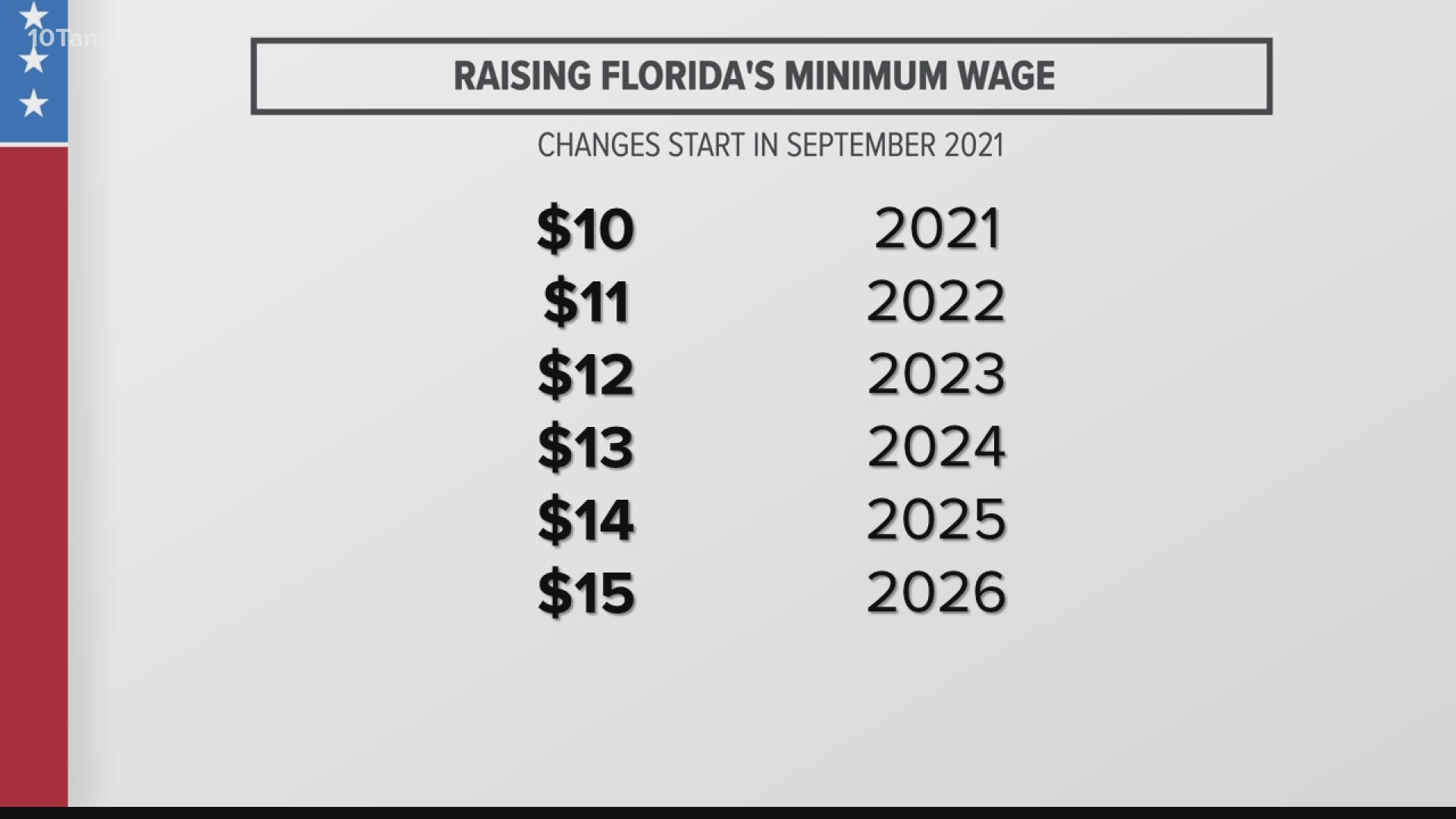
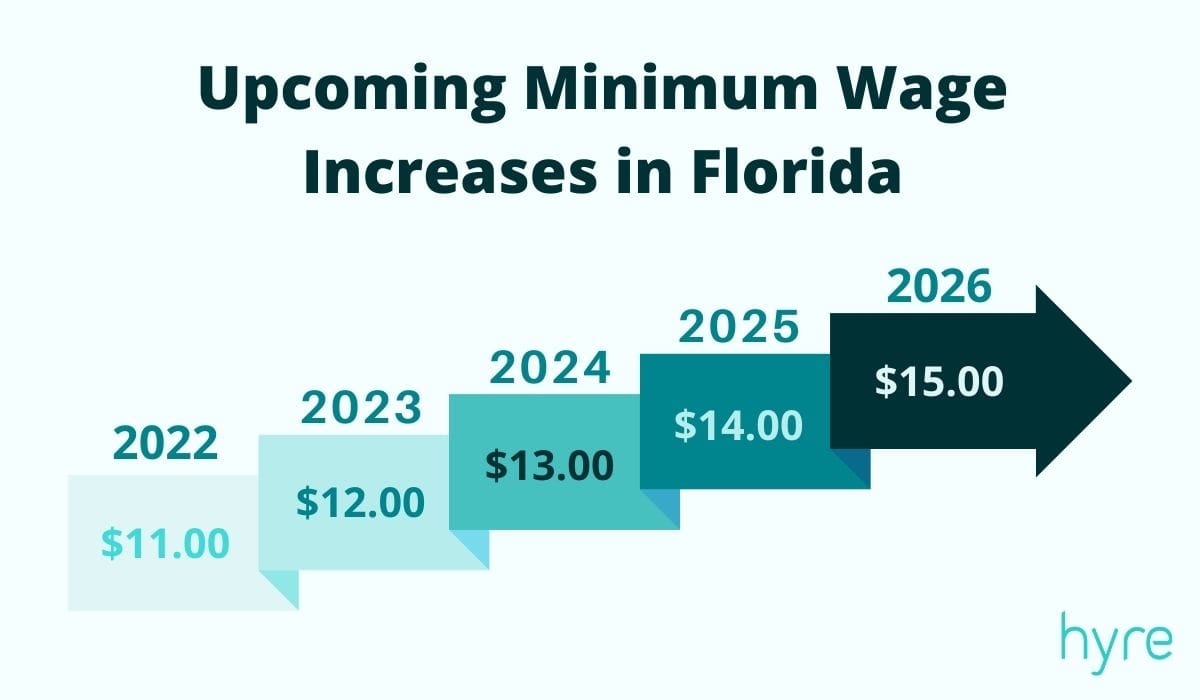
The current minimum wage in Miami is not static. It is part of a legislatively determined schedule that aims for incremental increases. In November 2020, Florida voters approved a ballot initiative to raise the minimum wage annually, beginning with $10.00 per hour in 2021 and increasing it by $1.00 each year thereafter until it reaches $15.00 per hour in 2026.
This planned progression means that the minimum wage is set to continue rising:
- 2025: $14.00 per hour
- 2026: $15.00 per hour
This consistent, legislated increase provides a degree of predictability for businesses and workers alike, allowing for strategic planning. For visitors, it signifies a city where labor costs are gradually aligning with a broader vision of economic fairness, which can influence pricing for services and goods.
The Impact of Minimum Wage on Miami’s Tourism and Lifestyle
The minimum wage in Miami has a palpable effect on the visitor experience and the city’s overall lifestyle. As a global hub for tourism, the hospitality and service industries are the lifeblood of its economy. The wages paid to those working in these sectors directly influence the cost of services that tourists encounter daily.
Service Costs and Visitor Budgets
From hotel staff cleaning rooms at luxurious resorts like the [Fontainebleau Miami Beach](https://lifeoutofthebox.com/ અfontainebleau-miami-beach) to the bartenders crafting cocktails in South Beach’s vibrant nightlife, a significant portion of the workforce earns at or near the minimum wage. As the minimum wage rises, businesses in these sectors may face increased labor costs. These costs can, in turn, be passed on to consumers through slightly higher prices for hotel rooms, restaurant meals, and other services.
For budget-conscious travelers, understanding these economic factors is key to planning a trip to Miami. While the city offers a spectrum of experiences, from ultra-luxury to more affordable options, the baseline cost of many services will be influenced by the prevailing wage rates. This means that a vacation to Miami might see subtle adjustments in the daily expenditure for meals, local transport, and gratuities, reflecting the city’s commitment to ensuring a fair wage for its workers.
Local Culture and Economic Inclusion
Beyond the direct economic impact on tourists, the minimum wage plays a vital role in shaping Miami’s social fabric and local culture. A higher minimum wage can contribute to greater economic stability for many residents, particularly those in entry-level positions within the service and retail sectors. This increased disposable income can, in turn, stimulate local economies as residents have more to spend on goods, services, and leisure activities within the city.
This economic inclusion is essential for maintaining the diverse and vibrant character of Miami. It allows more residents to participate in the city’s offerings, from enjoying its beaches and cultural attractions to dining at its diverse restaurants. For visitors seeking an authentic experience, a city where its workforce is fairly compensated often translates to a more welcoming and engaged local population, enhancing the overall richness of their visit.
Factors Influencing Minimum Wage Debates
The minimum wage is a persistent topic of discussion among economists, policymakers, and the public. In a dynamic city like Miami, several factors contribute to these ongoing debates.
Economic Growth and Inflation
Miami is a city characterized by rapid growth and a high cost of living, particularly in its desirable coastal areas. Debates around the minimum wage often consider whether the current rate adequately reflects the cost of living for individuals and families in the region. As inflation impacts the purchasing power of all wages, there is a continuous dialogue about whether the minimum wage should be adjusted more aggressively to keep pace.
The planned increases in Florida are a response to these concerns, aiming to gradually lift the wage floor to a level that can better support basic needs. For businesses, particularly small enterprises, the challenge lies in absorbing these rising labor costs while remaining competitive.
Industry-Specific Considerations
Different industries within Miami experience the impact of minimum wage laws differently. The hospitality sector, with its high volume of service-oriented jobs, is often at the forefront of these discussions. The reliance on tipped employees adds another layer of complexity, as seen with the distinct minimum wage rates for tipped versus non-tipped workers.
Other sectors, such as retail, healthcare support, and administrative services, also employ large numbers of minimum wage workers. The long-term effects of increasing labor costs on employment levels, pricing, and overall business viability are continuously studied and debated. For instance, understanding the minimum wage is also pertinent to those considering longer-term stays in Miami, influencing their budgeting for accommodation and daily expenses.
The Role of Local vs. State Mandates
While Florida has a state-level minimum wage, the question of whether individual cities or counties should have the authority to set their own higher minimum wages is a recurring point of contention in many parts of the United States. In Miami, a city with unique economic pressures and a distinct cost of living, such local control could lead to wages tailored more precisely to the city’s specific conditions.
However, state preemption laws in Florida currently prevent local governments from setting a minimum wage higher than the state’s. This means that the $13.00 per hour rate (and its future increases) applies uniformly across the state, including Miami-Dade County. Understanding this legal framework is essential for comprehending the wage floor in Miami.
Navigating Miami with Minimum Wage in Mind
For visitors and potential residents alike, a grasp of Miami’s minimum wage landscape offers valuable insight into the city’s economic pulse. It’s a factor that quietly influences everything from the cost of a morning café cortadito to the service received at a boutique hotel.
Planning Your Miami Budget
When planning your trip to Miami, factor in that service costs are influenced by labor wages. While Miami offers a vast array of price points, from budget-friendly hostels to opulent luxury resorts, an understanding of the minimum wage can help manage expectations. Tipping practices, a significant component of earnings for many in the hospitality industry, should also be considered within your overall spending. Generosity in tipping is not only a reflection of appreciation for good service but also a direct contribution to the livelihood of workers in a city where wages are designed to incrementally improve.
Long-Term Stays and Residency
For those considering a longer stay or moving to Miami, the minimum wage is a critical piece of information for assessing affordability. Understanding the earning potential for various entry-level and service-oriented positions, alongside the cost of living, is essential for financial planning. The ongoing increases in the minimum wage signal a positive trend for workers, gradually enhancing their economic stability. This trend, combined with Miami’s economic dynamism and cultural attractions, makes it an increasingly attractive prospect for those seeking both opportunity and a vibrant lifestyle.
The Broader Context of Florida
It is always beneficial to remember that Miami’s minimum wage is set at the state level. Therefore, understanding the trends and legislative decisions in Florida as a whole provides a comprehensive view. The state’s commitment to a phased increase of the minimum wage to $15.00 by 2026 demonstrates a forward-looking approach to economic policy that will continue to shape Miami for years to come. This consistent growth in the wage floor is a foundational element of the city’s evolving economic identity, impacting its appeal as a destination for both leisure and living.
LifeOutOfTheBox is a participant in the Amazon Services LLC Associates Program, an affiliate advertising program designed to provide a means for sites to earn advertising fees by advertising and linking to Amazon.com. Amazon, the Amazon logo, AmazonSupply, and the AmazonSupply logo are trademarks of Amazon.com, Inc. or its affiliates. As an Amazon Associate we earn affiliate commissions from qualifying purchases.