
For many individuals considering a move to or already residing in Florida, understanding the pathways to disability qualification is a critical aspect of securing a stable and fulfilling lifestyle. Whether facing unforeseen health challenges or planning for long-term support, navigating the complex system of disability benefits in the Sunshine State is essential for maintaining financial security and accessing necessary resources. This guide delves into the specifics of qualifying for disability in Florida, focusing on the federal programs that serve its residents, and how these benefits can profoundly impact one’s lifestyle.
Understanding the Landscape of Disability Support in Florida
While Florida boasts a vibrant economy and an appealing climate, it is also home to a significant population of individuals living with disabilities. The primary avenues for disability support in Florida stem from federal programs, administered by the Social Security Administration (SSA). These programs are designed to provide financial assistance to those who are unable to work due to a severe medical condition. While the federal framework is paramount, state-level agencies play a crucial role in managing the application process and offering supplementary services that enhance the quality of life for disabled residents.
Federal vs. State Programs
The two main federal disability programs are Social Security Disability Insurance (SSDI) and Supplemental Security Income (SSI). Both are managed by the Social Security Administration, but they serve different populations based on work history and financial need.
- SSDI: This program is for individuals who have worked long enough and recently enough, paying Social Security taxes on their earnings. It is essentially an insurance program; benefits are based on your past contributions.
- SSI: This is a needs-based program for low-income individuals who are aged, blind, or disabled, regardless of their work history. It provides a minimum income level for those with limited resources.
While Florida does not have its own separate, comprehensive state-funded cash disability benefits program akin to SSDI or SSI, it does administer the federal programs through its state agency, Disability Determination Services (DDS), which operates under the Department of Children and Families (DCF). Additionally, Florida offers various support services, such as Medicaid, vocational rehabilitation, and programs through the Agency for Persons with Disabilities (APD), which can complement federal disability payments and significantly impact a beneficiary’s lifestyle. Understanding this federal-state interplay is fundamental to qualifying for and maximizing disability support in Florida.
Key Eligibility Criteria for Federal Disability Benefits
Qualifying for either SSDI or SSI hinges on meeting stringent medical and, in some cases, non-medical criteria established by the Social Security Administration. The core requirement for both programs is a medically determinable physical or mental impairment that is expected to last for a continuous period of at least 12 months or result in death, and that prevents you from engaging in substantial gainful activity (SGA).
Medical Requirements
The medical evaluation process is rigorous. The Social Security Administration uses a five-step sequential evaluation process to determine if you are disabled:
- Are you working? If you are working and your earnings exceed the SGA limit ($1,550 per month for non-blind individuals in 2024, higher for blind individuals), you are generally not considered disabled.
- Is your condition “severe”? Your impairment must significantly limit your ability to do basic work activities, such as walking, standing, lifting, remembering, or understanding simple instructions.
- Is your condition on the Listing of Impairments? The Social Security Administration maintains a “Listing of Impairments” (commonly known as the “Blue Book”) that describes various medical conditions considered severe enough to prevent an individual from engaging in any gainful activity. If your condition meets or medically equals a listing, you are generally considered disabled.
- Can you do the work you did previously? If your condition doesn’t meet a listing, the Social Security Administration will assess whether your impairment prevents you from performing any of your past relevant work.
- Can you do any other type of work? If you can’t do your past work, the Social Security Administration will consider your age, education, past work experience, and residual functional capacity (RFC) to determine if you can adjust to any other type of work that exists in significant numbers in the national economy. If not, you may be found disabled.
The state’s Disability Determination Services (DDS) in Tallahassee and other offices throughout Florida are responsible for making these medical determinations based on medical records, reports from doctors, and possibly consultative examinations.
Work History Requirements (SSDI)
For SSDI, beyond the medical criteria, you must also meet specific work credit requirements. These credits are earned through working and paying Social Security taxes. The number of credits needed depends on your age when your disability began:
- Under age 24: You generally need 6 credits earned in the 3-year period ending when your disability started.
- Age 24 to 31: You need to have credit for working half the time between age 21 and the time you became disabled.
- Age 31 or older: You generally need 20 credits in the 10-year period ending with the year your disability began. The maximum number of credits needed for SSDI is 40.
These work credits ensure that only those who have contributed to the Social Security system receive benefits, directly linking your past work lifestyle to current financial security.
Income and Asset Limits (SSI)
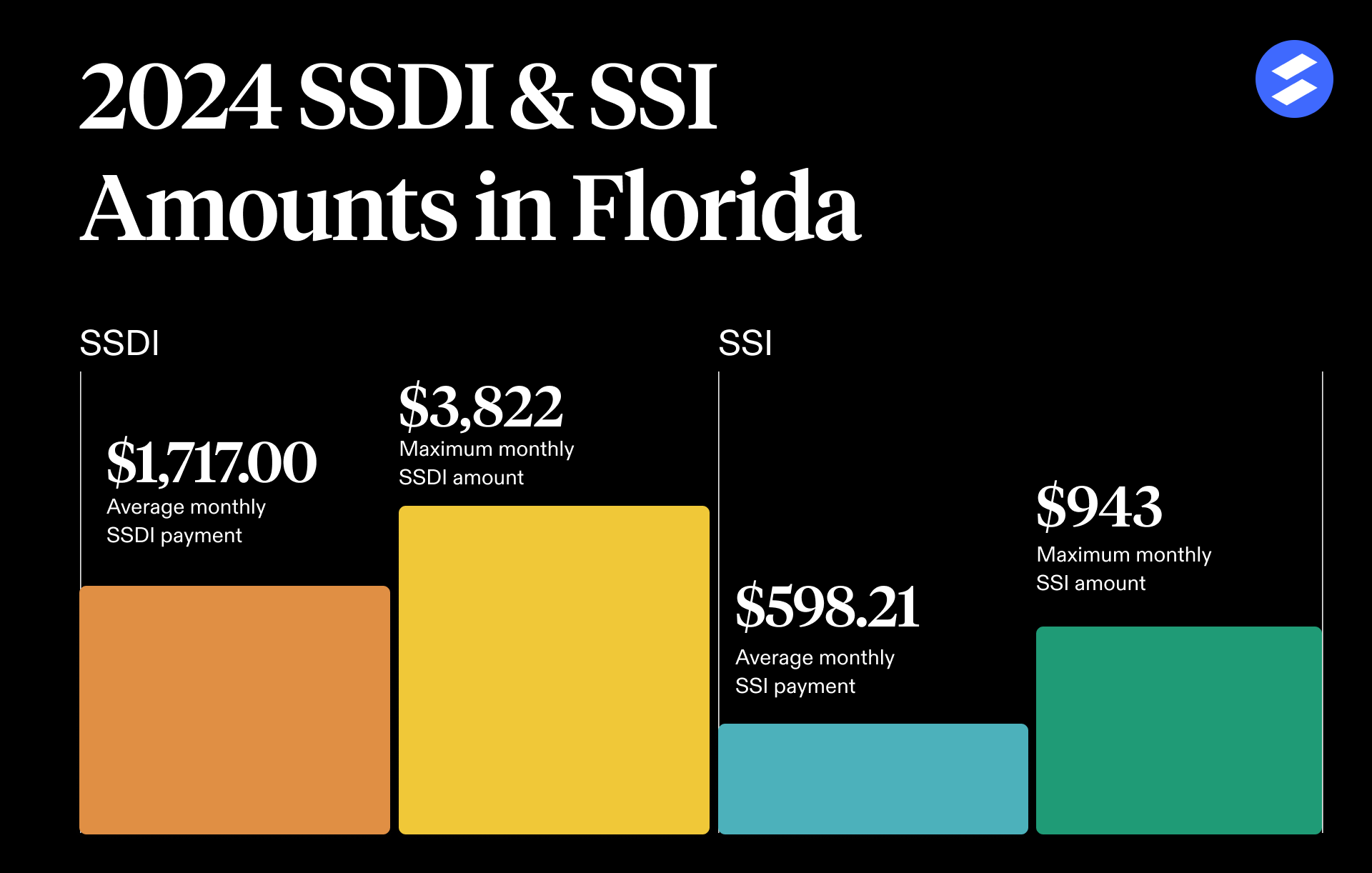
SSI is a safety-net program, so it has strict income and asset limits. For 2024, the federal benefit rate (FBR) is $943 per month for an eligible individual and $1,415 for an eligible couple. Your “countable income” reduces your SSI payment. Countable income includes wages, other benefits, and “in-kind” support (food or shelter received from others).
Asset limits are $2,000 for an individual and $3,000 for a couple. Certain assets are excluded, such as your primary residence, one vehicle, household goods, and personal effects. These limits are crucial for maintaining eligibility and directly affect the financial aspect of one’s lifestyle.
The Application Process: Navigating the System
Applying for disability benefits in Florida can be a lengthy and often challenging process. Understanding the steps involved is key to a successful application and minimizing delays, which is vital when one’s lifestyle depends on timely support.
Initial Application
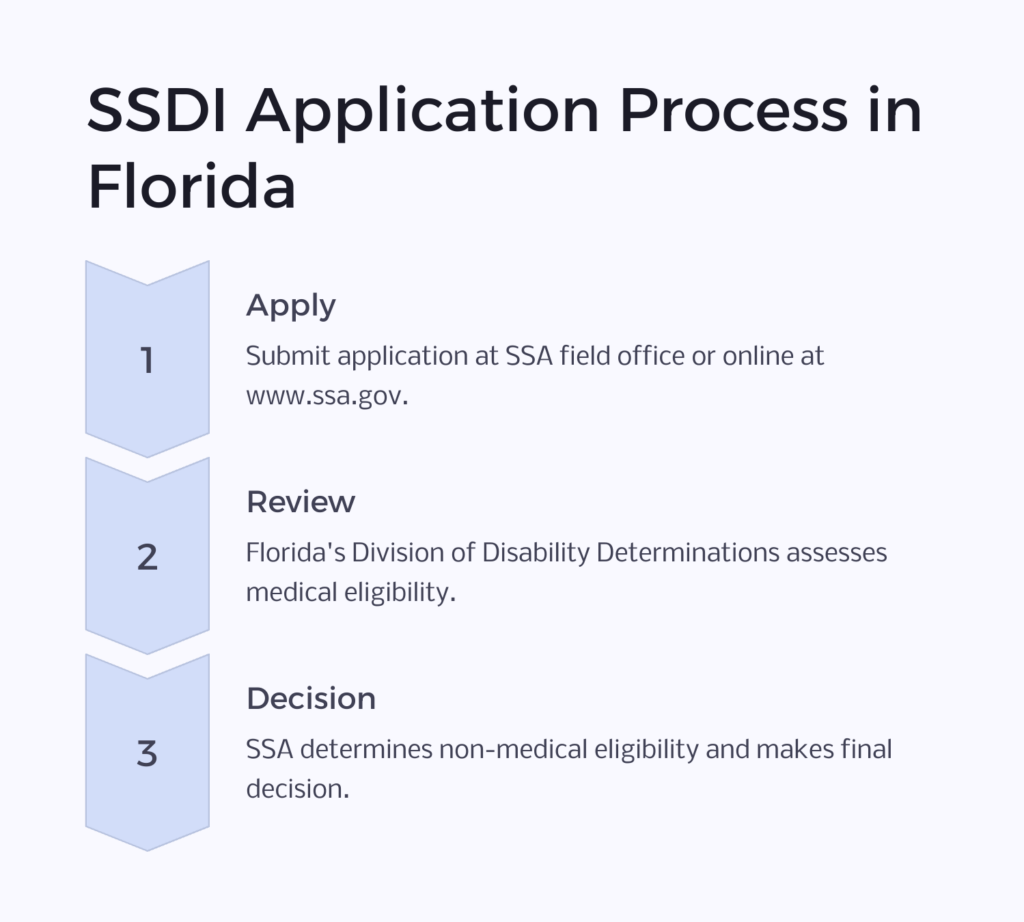
You can apply for disability benefits online at the Social Security Administration website, by phone, or in person at a local Social Security office in Florida. The initial application requires detailed information about your medical condition, treatment history, work history, and financial situation (for SSI). Once submitted, your application is reviewed by a local Social Security office for non-medical eligibility and then forwarded to Florida’s Disability Determination Services (DDS) for a medical decision. The DDS medical examiners and vocational experts will gather your medical records and assess your ability to work.
Reconsideration and Hearings
A significant percentage of initial applications are denied. If your application is denied, you have the right to appeal. The appeals process typically involves several stages:
- Reconsideration: This is the first level of appeal. Your case is reviewed by a different examiner at DDS who examines all the evidence, including any new medical information you provide.
- Hearing by an Administrative Law Judge (ALJ): If reconsideration is denied, you can request a hearing before an Administrative Law Judge (ALJ) within the Office of Hearings Operations (OHO). This is often the most critical stage, where you can present your case in person, with or without legal representation, and call witnesses (like doctors or vocational experts). Many successful appeals happen at this stage.
- Appeals Council Review: If the ALJ denies your claim, you can appeal to the Social Security Appeals Council, which reviews the ALJ’s decision for errors.
- Federal Court Review: The final step in the appeals process is to file a lawsuit in federal district court.
Navigating these appeals can be complex and time-consuming, sometimes taking years. Patience and persistence are vital for those seeking to secure their lifestyle through these benefits.
Maximizing Your Chances: Essential Tips and Resources
Successfully qualifying for disability in Florida often comes down to preparation and persistence. Taking proactive steps can significantly improve your chances and ensure you access the support needed for your lifestyle.
Gathering Comprehensive Documentation
The strength of your disability claim relies heavily on robust medical evidence. Ensure you:
- Maintain consistent medical treatment: Regular visits to doctors, specialists, and therapists for your disabling condition are crucial.
- Keep detailed records: Document all diagnoses, treatment plans, medications, hospitalizations, surgeries, and therapy sessions.
- Provide accurate contact information for all medical providers: This allows DDS to obtain records efficiently.
- Describe your limitations thoroughly: Explain how your condition impacts your daily activities, self-care, and ability to perform work-related tasks. Be specific about your pain levels, fatigue, and mental health symptoms.
Thorough documentation paints a clear picture of your medical challenges and their impact on your life, which is essential for the DDS examiners.
Seeking Professional Guidance
The disability application and appeals process can be overwhelming. Many applicants find it beneficial to seek assistance from disability attorneys or non-attorney representatives. These professionals specialize in disability law and can:
- Help you gather necessary medical evidence.
- Properly fill out complex forms.
- Represent you during hearings, including cross-examining vocational and medical experts.
- Understand the nuances of Social Security Administration regulations and Florida-specific processes.
While these services typically involve a fee (often a percentage of past-due benefits if your claim is approved), their expertise can significantly increase your likelihood of success and streamline the process, enabling you to focus on managing your health and lifestyle.
Understanding Your Rights
As an applicant, you have rights, including the right to legal representation, the right to review your file, and the right to appeal unfavorable decisions. Familiarizing yourself with these rights and resources, such as those provided by the Americans with Disabilities Act (ADA), empowers you throughout the process. Florida also offers various advocacy groups and legal aid services that can provide guidance and support for individuals navigating disability claims.

Enhancing Your Lifestyle in Florida with Disability Support
Qualifying for disability benefits in Florida is more than just receiving a check; it’s about securing a foundation that allows for a stable and improved lifestyle. With disability benefits, individuals can better manage healthcare costs, maintain housing, and access critical services.
For many, these benefits provide the financial stability needed to remain in Florida, benefiting from its warm climate and accessible environment. SSI recipients are often automatically eligible for Medicaid, which covers medical expenses, significantly easing the burden of healthcare costs. SSDI beneficiaries become eligible for Medicare after a 24-month waiting period. These healthcare benefits are vital for managing chronic conditions and maintaining overall well-being.
Furthermore, Florida offers numerous programs through the Agency for Persons with Disabilities (APD) and other state agencies, designed to assist individuals with disabilities in areas such as employment, independent living, and community integration. These support systems contribute to a higher quality of life, allowing individuals to participate more fully in their communities, pursue hobbies, and maintain social connections. The ability to access reliable transportation, assistive technology, and community-based services can transform daily living, moving individuals from a state of dependence to one of greater autonomy and engagement.
Ultimately, understanding and successfully navigating the disability qualification process in Florida is a crucial step towards securing a resilient and enriching lifestyle, ensuring that individuals with disabilities can thrive in the Sunshine State.
LifeOutOfTheBox is a participant in the Amazon Services LLC Associates Program, an affiliate advertising program designed to provide a means for sites to earn advertising fees by advertising and linking to Amazon.com. Amazon, the Amazon logo, AmazonSupply, and the AmazonSupply logo are trademarks of Amazon.com, Inc. or its affiliates. As an Amazon Associate we earn affiliate commissions from qualifying purchases.