
Understanding the nuances of insurance and legal frameworks is crucial for anyone planning a trip or considering a stay in a particular region. When it comes to insurance claims, especially those related to accidents, the distinction between “at-fault” and “no-fault” states can significantly impact the process and outcome for travelers and residents alike. This article delves into whether Texas operates as a no-fault state, exploring the implications for various aspects of travel and accommodation.
Understanding No-Fault vs. At-Fault Insurance
Before examining Texas’s specific system, it’s important to grasp the fundamental differences between no-fault and at-fault insurance.

At-Fault (Tort) States
In an at-fault, or tort, state, the party responsible for causing an accident is held liable for damages. This means that if you are involved in an accident, the insurance company of the at-fault driver will typically cover your medical expenses, property damage, and other related losses. The process usually involves:
- Determining Fault: An investigation is conducted to establish who is at-fault for the accident. This often involves police reports, witness statements, and evidence from the scene.
- Filing a Claim: The injured party files a claim with the at-fault party’s insurance company.
- Negotiation and Settlement: The insurance company will assess the damages and negotiate a settlement. If a settlement cannot be reached, a lawsuit may be filed.
This system can be beneficial if you are not at fault, as you are compensated by the party that caused the incident. However, it can also lead to lengthy legal battles and delays in receiving compensation, especially in complex cases.
No-Fault States
In contrast, a no-fault state operates under a different principle. Regardless of who caused the accident, each driver’s own insurance policy covers their own initial medical expenses and lost wages up to a certain limit. This is typically handled through Personal Injury Protection (PIP) coverage. The key features of a no-fault system include:
- Direct Compensation: Your own insurance company pays for your immediate costs, regardless of fault.
- Reduced Litigation: The aim is to reduce the number of lawsuits by ensuring prompt payment for minor to moderate injuries.
- Threshold for Lawsuits: In many no-fault states, you can only sue the at-fault driver for significant injuries (e.g., permanent disability, disfigurement, or death) that exceed a certain threshold.
No-fault systems are designed to expedite the claims process and provide quicker relief to accident victims. However, they may limit your ability to seek compensation from the at-fault party for pain and suffering unless your injuries meet specific criteria.
Texas: An At-Fault State
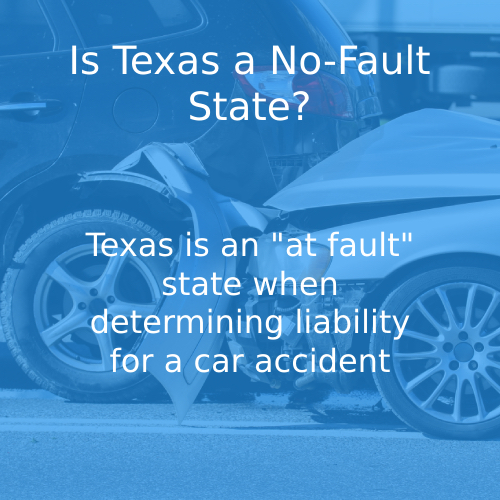
Texas operates as an at-fault or tort state when it comes to auto insurance and accident claims. This means that if you are involved in a car accident in Texas, the driver who is determined to be responsible for causing the collision will be held liable for the damages incurred by the other parties.
Implications for Travelers and Residents
For visitors and those considering extended stays, understanding Texas’s at-fault system has several practical implications, particularly concerning driving and potential accidents.
Vehicle Rental and Insurance
When renting a car in Texas, you will be presented with various insurance options. Given that it’s an at-fault state, it is highly advisable to ensure you have adequate coverage.
- Collision Damage Waiver (CDW) / Loss Damage Waiver (LDW): While not insurance, these waivers offered by rental companies can protect you from financial responsibility for damage to the rental vehicle itself. However, they typically do not cover liability for damage to other vehicles or injuries to other people.
- Liability Insurance: This is crucial in an at-fault state. It covers damages you cause to others. Rental companies offer this, but it’s often more expensive than purchasing it separately or ensuring your personal auto insurance or credit card coverage extends to rental vehicles.
- Personal Injury Protection (PIP) / Medical Payments (MedPay): While Texas is an at-fault state, it does mandate that insurance policies offer PIP coverage. This coverage can help pay for your own medical expenses and those of your passengers, regardless of who is at fault, up to the policy limits. It acts as a first layer of protection and can be particularly useful in the immediate aftermath of an accident before fault is definitively established.
Driving and Safety
The at-fault nature of Texas law incentivizes drivers to be more cautious and aware of their surroundings. If you are visiting a major city like Houston, Dallas, or Austin, traffic can be dense, and the stakes of an accident are higher due to the liability involved.
- Defensive Driving: It’s always recommended to practice defensive driving techniques, especially in unfamiliar areas. This includes maintaining a safe following distance, being aware of blind spots, and anticipating potential hazards.
- Traffic Laws: Familiarize yourself with Texas’s specific traffic laws, speed limits, and driving regulations. Ignorance of the law is generally not a valid defense in an accident claim.
Accommodation and Property Damage
While the primary focus of the no-fault vs. at-fault distinction relates to vehicle accidents, the principle of liability can extend to other situations during your travels, particularly concerning accommodation.
For instance, if an accident occurs within a hotel premises that is attributable to negligence on the part of the hotel, such as a slippery floor without proper signage or a malfunctioning amenity, the hotel may be held liable for damages. This falls under premises liability law, which is generally based on fault.
Similarly, if you are staying in a vacation rental, such as a villa or an apartment, and an incident occurs due to a property defect, the owner or management company could be held responsible if their negligence is proven. This underscores the importance of choosing reputable accommodation providers and being aware of your surroundings.
Steps to Take After an Accident in Texas
If you are involved in a car accident in Texas, here are the essential steps to take, keeping in mind the at-fault nature of the state:
- Ensure Safety: Check for injuries and move vehicles to a safe location if possible, away from traffic.
- Call 911: Report the accident to the police immediately, especially if there are injuries or significant property damage. A police report is crucial evidence in determining fault.
- Exchange Information: Exchange names, contact details, insurance information, and vehicle registration numbers with all parties involved.
- Document the Scene: Take photos and videos of the accident scene, including vehicle damage, road conditions, and any contributing factors.
- Seek Medical Attention: Even if you don’t feel injured, it’s advisable to get a medical evaluation. Some injuries, like whiplash, may not manifest symptoms immediately.
- Notify Your Insurance Company: Report the accident to your insurance provider promptly, regardless of whether you believe you were at fault.
- Consult an Attorney (If Necessary): If injuries are severe or liability is unclear, consider consulting with a personal injury attorney specializing in Texas accident law.
Comparative Analysis: Texas vs. Other States
Understanding how Texas fits into the national insurance landscape can provide valuable context. The United States has a mixed system of auto insurance, with many states adopting no-fault laws while others, like Texas, adhere to the at-fault principle.
No-Fault States in the US
Currently, twelve states have some form of no-fault insurance laws: Florida, Hawaii, Kansas, Kentucky, Massachusetts, Michigan, Minnesota, New Jersey, New York, North Dakota, Pennsylvania, and Utah. Each of these states has its own specific thresholds and rules regarding when a lawsuit can be filed.
At-Fault States and Their Advantages
The majority of states, including Texas, operate under the at-fault system. Proponents of this system argue that it is fairer, as the party responsible for causing harm is the one who pays for it. This can lead to a greater sense of accountability among drivers. Furthermore, in an at-fault state, individuals with severe injuries have a clearer path to seek compensation for all their losses, including pain and suffering, from the at-fault party.
However, the downside, as noted, can be longer claim processing times and a greater likelihood of legal disputes. For travelers, this means being extra vigilant about their insurance coverage and driving habits when visiting or residing in an at-fault state.
Conclusion: Navigating Texas with Confidence
In conclusion, Texas is definitively an at-fault state. This classification has significant implications for anyone driving or involved in an accident within its borders, whether they are a resident or a visitor. The at-fault system places the responsibility for damages on the party that caused the accident.
For travelers planning a trip to Texas, whether for leisure to explore cities like San Antonio or for business, it is paramount to ensure adequate insurance coverage for rental vehicles and personal safety. Understanding the rules of the road and the implications of the at-fault system can help you navigate your journey with greater confidence and peace of mind, ensuring that your travel experiences in the Lone Star State are enjoyable and safe. The focus on individual responsibility in Texas reinforces the importance of safe driving practices and comprehensive insurance policies for all road users.
LifeOutOfTheBox is a participant in the Amazon Services LLC Associates Program, an affiliate advertising program designed to provide a means for sites to earn advertising fees by advertising and linking to Amazon.com. Amazon, the Amazon logo, AmazonSupply, and the AmazonSupply logo are trademarks of Amazon.com, Inc. or its affiliates. As an Amazon Associate we earn affiliate commissions from qualifying purchases.