
Embracing Responsible Self-Defense: The Lifestyle Choice in Florida
For many residents and frequent visitors, the decision to obtain and maintain a concealed carry permit in Florida is more than just a legal formality; it’s a fundamental aspect of a chosen lifestyle centered on personal safety, preparedness, and responsible self-defense. This lifestyle prioritizes the ability to protect oneself and loved ones, fostering a sense of security and peace of mind in daily life. Florida, known for its sunshine and vibrant communities, also upholds strong Second Amendment rights, recognizing the importance of an individual’s right to bear arms. Renewing your Concealed Weapons or Firearms License (CWFL), often referred to as a concealed carry permit, is a critical step in upholding this lifestyle and ensuring continued legal compliance within the state’s regulatory framework. It’s a commitment to maintaining your preparedness and exercising your rights responsibly. Understanding the renewal process is therefore not just an administrative task, but an integral part of this personal safety philosophy.

The Renewal Process: Maintaining Your Lifestyle of Preparedness
Maintaining your CWFL in Florida is a straightforward process, provided you understand the requirements and timelines. The key is to be proactive and ensure all necessary steps are completed well before your current permit expires. This diligence reflects the commitment inherent in a lifestyle of preparedness.
Eligibility and Timing: Don’t Let Your Permit Lapse
The Florida Department of Agriculture and Consumer Services (FDACS) is the issuing authority for CWFLs. They generally send out renewal notifications approximately three to four months before your permit’s expiration date. However, it is ultimately your responsibility to track your expiration date and initiate the renewal.
- Renewal Window: You can typically renew your CWFL up to 180 days (approximately six months) before its expiration date and up to 90 days after it has expired. Renewing within this window helps avoid a lapse in your permit’s validity.
- Grace Period: Florida provides a 90-day grace period after your permit expires during which you can still renew it without having to reapply as a new applicant. During this grace period, however, your permit is not valid, and you are not legally permitted to carry a concealed weapon. This temporary suspension underscores the importance of timely renewal to maintain your lifestyle of uninterrupted preparedness.
- Lapse Beyond Grace Period: If your permit expires and you miss the 90-day grace period, you will be required to apply for a new CWFL as if you had never held one before. This means undergoing a new application process, including fingerprinting, background checks, and potentially providing new proof of competency, which can be a more time-consuming and involved process. Avoiding this scenario is paramount for those who prioritize seamless continuity in their concealed carry lifestyle.
- Basic Eligibility: To renew, you must continue to meet the basic eligibility requirements for a CWFL, which include being at least 21 years old (with some exceptions for military personnel), a U.S. citizen or permanent resident, and free from disqualifying criminal convictions or other statutory prohibitions.
Required Documentation: Gathering Your Essentials
The renewal process for an existing CWFL holder is significantly simpler than the initial application, primarily because your initial background checks and proof of competency are already on file. However, you will still need to provide certain documentation:
- Current CWFL: You’ll need your existing Concealed Weapon or Firearm License number.
- Florida Driver’s License or State-Issued Identification: This is crucial for identity verification. Ensure the address on your ID matches your current residence, or be prepared to update your address if it has changed.
- Renewal Application Form: Whether you apply online or via mail, you’ll complete a specific renewal application form. This form primarily confirms your continued eligibility and asks if there have been any changes in your background that might affect your qualification.
- Renewal Fee: There is a renewal fee associated with your application, which can be paid by credit card for online applications or by check/money order for mail-in submissions. The exact fee is subject to change, so always refer to the official FDACS website for the most current information.
- Fingerprints (Rarely for Renewal): For most standard renewals, new fingerprints are not required unless specifically requested by FDACS due to an issue with previous records or if there has been a significant lapse in your permit’s validity requiring a full reapplication. If new fingerprints are needed, you would typically complete them electronically at an approved LiveScan vendor.
- Passport-Style Photograph (Online Renewal): When renewing online, you may be prompted to upload a recent passport-style digital photograph. This helps ensure your photo on the renewed permit is current.
Navigating the Application: Online vs. Mail
FDACS offers two primary methods for renewing your CWFL: online and via mail. Both methods are effective, but the online option often provides a more streamlined experience, aligning with a modern, efficient approach to managing personal affairs.
The Online Advantage: Streamlining Your Renewal
The online renewal system is generally the preferred method for its speed and convenience, reflecting a proactive approach to maintaining your lifestyle choices.
- Step-by-Step Online Process:
- Visit the FDACS Website: Navigate to the official Florida Department of Agriculture and Consumer Services website section dedicated to CWFL renewals.
- Access the Renewal Portal: You will typically need to enter your current CWFL number, date of birth, and possibly other identifying information to access your renewal application.
- Review and Update Information: The online form will pre-populate much of your existing information. Carefully review all details, especially your address and contact information. If you’ve moved, ensure your new address is updated.
- Answer Eligibility Questions: You will be asked a series of questions to confirm your continued eligibility for the permit. Be truthful and accurate in your responses. Any disqualifying events since your last renewal must be disclosed.
- Upload Documents (if required): If prompted, upload a recent passport-style digital photograph. Ensure it meets the specified requirements.
- Pay the Renewal Fee: Submit the renewal fee using a credit or debit card through the secure online payment portal.
- Submit Application: Once all fields are completed and payment is processed, submit your application. You will typically receive a confirmation email with a reference number, which is vital for tracking your application’s status.
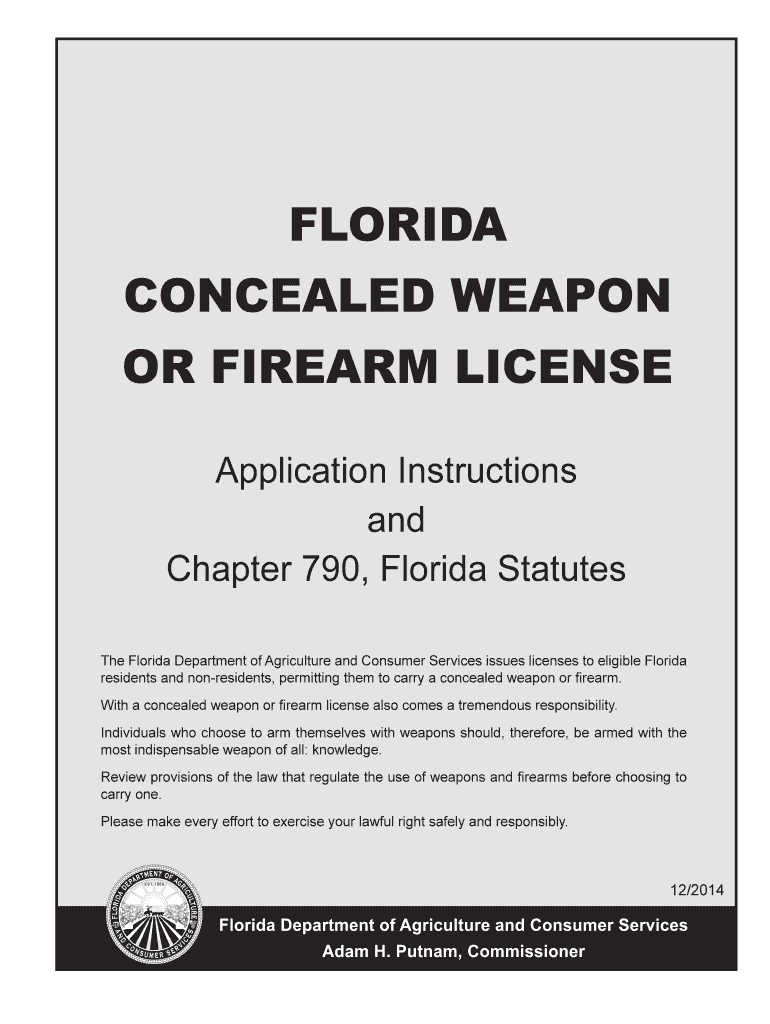
- Benefits: Online renewal is often faster, allows for immediate payment confirmation, and provides an easy way to track the status of your application. This efficiency aligns with a lifestyle that values quick and reliable administrative processes.
Traditional Mail-In Option: For Those Who Prefer Pen and Paper
While less immediate, the mail-in option remains available for those who prefer a physical process or do not have consistent internet access.
- Requesting a Packet: You can typically request a renewal packet by contacting FDACS directly, or sometimes download the necessary forms from their website.
- Completing Forms Accurately: Fill out all sections of the paper application form meticulously. Double-check for accuracy and ensure all required signatures are present.
- Enclosing Payment: Include a check or money order for the exact renewal fee, payable to FDACS. Do not send cash.
- Mailing Address: Send your completed application and payment to the specific mailing address provided by FDACS for CWFL renewals. Ensure you use certified mail with a return receipt for proof of mailing and delivery, especially given the importance of the document.
- Considerations: Mail-in applications generally have longer processing times compared to online submissions. Factor this into your timeline, especially if you are nearing your permit’s expiration date.
Post-Application: What to Expect and Common Pitfalls
Once you’ve submitted your renewal application, the waiting period begins. Understanding what to expect and how to address potential issues is crucial for maintaining your peace of mind and ensuring a smooth transition to your renewed permit.
Processing Times and Status Checks
- Average Duration: Processing times can vary depending on the volume of applications FDACS is handling. Typically, renewals are processed more quickly than initial applications, often within 30-60 days. However, it can take longer, especially if there are any discrepancies or if additional information is required.
- Checking Status: You can check the status of your application online via the FDACS website using your application reference number or your personal identifying information. This provides transparency and allows you to monitor progress, a key element of a controlled and prepared lifestyle.
Addressing Potential Issues and Denials
While most renewals proceed without incident, it’s wise to be aware of potential complications:
- Common Reasons for Delays or Denial:
- Incomplete Information: Failing to fill out the application entirely or accurately.
- Background Check Issues: If you’ve had any disqualifying legal issues since your last renewal, this will likely lead to denial. These issues can include certain felony convictions, domestic violence injunctions, or involuntary commitment to a mental institution.
- Address Discrepancies: Not updating your address with FDACS can lead to delays or issues with receiving your new permit.
- Payment Errors: Incorrect payment amount or issues with the payment method.
- What to Do if Denied: If your renewal is denied, FDACS will send you a letter explaining the reason. You typically have the right to appeal this decision. This usually involves submitting a written request for an administrative hearing and providing any evidence or documentation to support your case. It’s advisable to consult with an attorney specializing in firearm law in such situations.
- Importance of Updating Personal Information: Any change in your name or address must be reported to FDACS within 30 days. This can be done online or via mail and helps prevent issues during future renewals or if you are ever stopped by law enforcement. Maintaining accurate records is a vital part of responsible permit ownership.
The Importance of Continuous Education
While Florida does not typically require additional training or competency proof for CWFL renewals (as it does for initial applications), an integral part of a responsible self-defense lifestyle is continuous education.
- Stay Informed on Laws: Firearm laws can change. Regularly review Florida’s statutes regarding concealed carry, use of force, and where carry is prohibited. Resources like the FDACS website and reputable legal aid organizations offer updated information.
- Maintain Proficiency: Regular training at a shooting range helps maintain your proficiency and confidence, ensuring that if you ever need to use your firearm, you do so safely and effectively.
- Understanding Reciprocity: If your lifestyle involves travel outside of Florida, it’s critical to understand which states recognize your Florida CWFL. Each state has unique laws, and what is legal in Florida may not be elsewhere. Always research the laws of any state you plan to visit or travel through.

Integrating Your Renewed Permit into Your Florida Lifestyle
Successfully renewing your concealed carry permit is more than just receiving a new card; it’s about reaffirming your commitment to a lifestyle of personal responsibility and informed safety. It provides the continued peace of mind that comes with being prepared to protect yourself and your loved ones, allowing you to confidently engage in all aspects of your Florida life. By understanding and diligently following the renewal process, you uphold your commitment to responsible firearm ownership and ensure that this crucial aspect of your lifestyle remains uninterrupted and legally compliant.
LifeOutOfTheBox is a participant in the Amazon Services LLC Associates Program, an affiliate advertising program designed to provide a means for sites to earn advertising fees by advertising and linking to Amazon.com. Amazon, the Amazon logo, AmazonSupply, and the AmazonSupply logo are trademarks of Amazon.com, Inc. or its affiliates. As an Amazon Associate we earn affiliate commissions from qualifying purchases.