
For couples considering a move to, or an extended stay in, the Sunshine State, understanding the nuances of relationship recognition is a crucial aspect of lifestyle planning. Whether you’re relocating for work, retirement, or simply a prolonged escape, clarity on your marital status can profoundly impact everything from property ownership to healthcare decisions. The question of whether common law marriage is recognized in Florida is a frequent one, particularly for individuals accustomed to different legal frameworks in other states. The answer is nuanced, rooted in historical legal shifts, and carries significant implications for your lifestyle in Florida.

The Florida Stance on Common Law Marriage: Historical Context and Current Law
The legal landscape surrounding common law marriage in Florida is not static but rather a product of legislative evolution. To fully grasp its current status and how it might impact your lifestyle choices, it’s essential to look at its history.
A Look Back: When Common Law was Valid in Florida
Historically, Florida did indeed recognize common law marriages. This meant that a couple could be considered legally married without a formal ceremony or marriage license, provided they met specific criteria. Typically, these criteria included demonstrating an intent to be married, holding themselves out to the public as husband and wife, and cohabiting. For many couples of a certain generation, this informal recognition was a practical and accepted way of establishing a marital bond. This historical context is important because it still influences how out-of-state common law marriages are viewed.
The 1968 Cut-off: What Changed
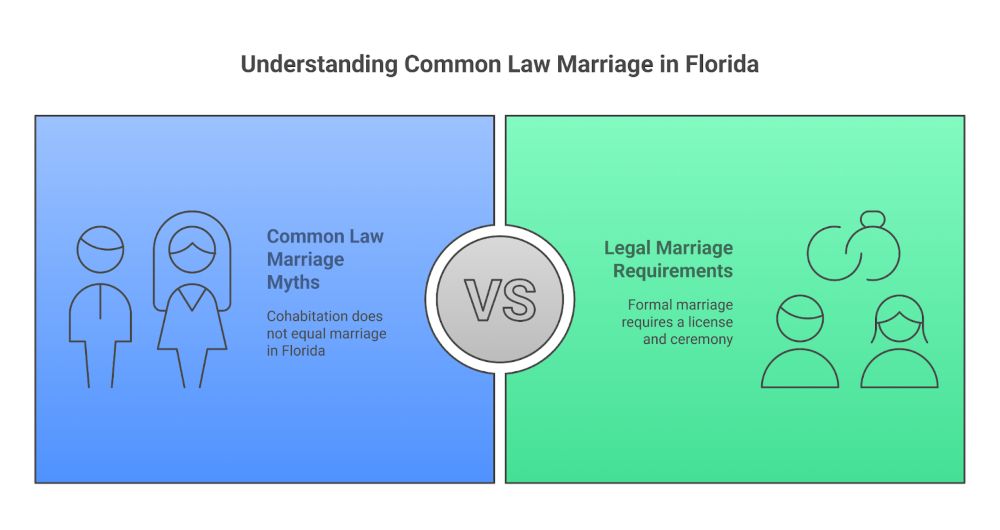
A significant turning point occurred on January 1, 1968. On this date, Florida officially abolished the practice of creating new common law marriages within its borders. This legislative change was a move towards standardizing marriage requirements, emphasizing the need for a formal ceremony and state-issued license. Therefore, for any couple establishing a relationship after this date, a common law marriage entered into within Florida is not recognized. This has profound implications for couples who may have lived together for decades in Florida without formalizing their union, leading to potential complexities in legal matters that would otherwise be straightforward for traditionally married couples.
Implications for Couples Moving to Florida from Other States
While Florida no longer permits the formation of new common law marriages, its position on relationships established elsewhere is distinct. This is a critical consideration for individuals and couples planning a lifestyle change that includes relocating to Florida.
The Principle of Comity: Out-of-State Common Law Marriages
Despite its own ban on creating new common law marriages, Florida adheres to the legal principle of “comity.” This principle dictates that a marriage validly entered into in another state or jurisdiction will generally be recognized in Florida, even if that type of marriage could not be created under Florida law.
What this means for your lifestyle planning is that if you and your partner formed a valid common law marriage in a state that recognizes it (e.g., Colorado, Iowa, Kansas, Montana, New Hampshire for inheritance purposes only, Oklahoma, Rhode Island, South Carolina, Texas, the District of Columbia), prior to moving to Florida, your common law marriage should be recognized in Florida. This recognition extends to all the rights and responsibilities typically associated with a formal marriage, from property division in case of divorce to spousal benefits.
Practical Considerations for Lifestyle and Planning
For couples who have established a common law marriage elsewhere and are now living or planning to live in Florida, certain practical steps can help solidify their recognized status and protect their lifestyle. It’s not enough to assume recognition; having documentation is key.
- Evidence of Common Law Marriage: Be prepared to demonstrate that your common law marriage was validly formed in the originating state. This might include joint tax returns, shared bank accounts, wills naming each other as spouse, insurance policies, or other documents where you identified yourselves as married.
- Estate Planning: Update your estate plans to reflect your marital status under Florida law. This includes wills, trusts, and designations for beneficiaries.
- Property Ownership: Ensure all property, especially real estate purchased in Florida, is titled correctly to reflect your marital relationship, if that is your intent.
- Legal Counsel: Consulting a Florida family law attorney is highly recommended to review your specific situation and ensure all aspects of your lifestyle and legal standing are properly addressed.
Understanding Your Legal Standing: Why it Matters for Your Florida Lifestyle
The distinction of whether your relationship is recognized as a marriage in Florida has far-reaching implications that directly impact your personal and financial lifestyle. From day-to-day decisions to long-term planning, your legal status as a couple dictates your rights and responsibilities.
Property Rights and Shared Assets
For married couples, Florida law generally provides specific protections and presumptions regarding property acquired during the marriage. This is crucial for lifestyle planning, especially concerning joint purchases like a home or vehicles, or shared financial investments. If you are recognized as common law married, these marital property rights would typically apply. However, if you are an unmarried couple who moved to Florida and established a relationship that would have been common law in another state but occurred after 1968 in Florida, you generally would not have the same automatic marital property rights. This can lead to significant complications in the event of a separation or death, affecting asset distribution and financial stability.
Healthcare Decisions and Inheritance
Another critical area impacted by marital status is healthcare decision-making and inheritance. Spouses typically have the legal authority to make medical decisions for an incapacitated partner, known as medical power of attorney, and are often the primary beneficiaries of an estate if a will is absent (intestate succession). For individuals in unrecognized common law relationships in Florida, these rights do not automatically exist. Without formal legal documents like durable powers of attorney for healthcare and comprehensive wills, a partner could be excluded from critical decisions or inheritance, potentially causing immense emotional and financial hardship during already difficult times. This highlights the importance of proactive legal planning to safeguard your lifestyle and your loved one’s future.
The Importance of Estate Planning
Regardless of your marital status, robust estate planning becomes paramount when navigating Florida’s legal framework. For legally recognized common law spouses, estate planning ensures that their wishes align with Florida statutes and protects their surviving partner. For couples who are not recognized as married in Florida, comprehensive estate planning is the only way to replicate many of the protections and benefits afforded to married couples. This includes drafting wills, setting up trusts, designating beneficiaries on all accounts, and executing healthcare directives and powers of attorney. These documents are essential components of responsible lifestyle management, ensuring your assets and your autonomy are protected.
Formalizing Your Relationship in Florida: Options for Couples
Given Florida’s non-recognition of new common law marriages, couples wishing to establish a legally binding relationship that offers marital protections must pursue formal avenues. This ensures their lifestyle and future are secured under state law.
The Traditional Marriage Route
The most straightforward way to gain full marital recognition and all associated rights and responsibilities in Florida is through a traditional marriage. This involves obtaining a marriage license from a Florida county clerk, followed by a ceremonial solemnization of the marriage by an authorized individual (such as a minister, judge, or notary public). This process immediately confers all the legal benefits and protections for property, inheritance, and decision-making, streamlining many aspects of lifestyle and financial planning. For couples moving from common law states, this can be a simple way to eliminate any ambiguity about their marital status in Florida.
Domestic Partnership Agreements and Other Legal Safeguards
For couples who prefer not to formally marry but still wish to protect their shared lifestyle and interests, Florida offers some alternative legal safeguards. While not conferring marital status, these can mimic many of the practical benefits.
- Domestic Partnership Agreements: These are contracts between two individuals who live together and share a common life, outlining their rights and responsibilities regarding finances, property, and support. While not universally recognized like marriage, they can provide a legal framework for many aspects of a shared life. Some Florida municipalities and counties also offer domestic partner registries, which may provide limited benefits or recognition within those local jurisdictions.
- Joint Ownership and Beneficiary Designations: For property and financial accounts, titling assets jointly with rights of survivorship, and explicitly designating each other as beneficiaries on bank accounts, retirement plans, and insurance policies, can ensure assets transfer as intended upon death.
- Powers of Attorney and Healthcare Directives: Executing durable powers of attorney for financial matters and advance directives for healthcare allows each partner to make decisions on behalf of the other in case of incapacitation. These documents are indispensable for ensuring a partner’s wishes are respected in critical situations.
These proactive legal measures are vital for any couple in Florida not formally married, ensuring their lifestyle is protected and their relationship’s integrity is legally recognized in practical terms, even if not as a marriage itself.
Navigating Florida as an Unmarried Couple: Lifestyle Adjustments and Protections
Living in Florida as an unmarried couple, particularly if your common law marriage isn’t recognized, requires careful planning and conscious adjustments to your lifestyle. Without the automatic legal protections afforded to married couples, proactive steps are essential to safeguard your individual and shared interests.
Financial Planning and Joint Accounts
One of the most immediate lifestyle adjustments for unmarried couples in Florida involves financial planning. While you can certainly maintain joint bank accounts and credit cards, it’s crucial to understand the legal implications. Unlike married couples, there are no automatic presumptions of equal ownership or shared responsibility for debts. Therefore, a clear understanding and potentially a written agreement about contributions, responsibilities, and ownership of joint funds are paramount. For significant investments or property, consider formalizing ownership through legal titles or contractual agreements. This ensures clarity and protects both partners’ financial lifestyle should the relationship end or one partner pass away.
Power of Attorney and Advance Directives
Beyond financial matters, personal well-being is a central aspect of anyone’s lifestyle. For unmarried couples, obtaining legal documents such as a Durable Power of Attorney for finances and an Advance Directive (which includes a Living Will and Designation of Health Care Surrogate) is non-negotiable. Without these, if one partner becomes incapacitated, the other may have no legal authority to make medical decisions or manage financial affairs, even after decades of cohabitation. These documents empower partners to act on each other’s behalf, ensuring that healthcare wishes are honored and financial continuity is maintained, providing immense peace of mind in planning for unforeseen circumstances and preserving a stable lifestyle.
Navigating the intricacies of relationship recognition in Florida requires informed decision-making. By understanding the state’s laws, and proactively addressing potential legal gaps, couples can ensure their lifestyle in [Florida](https://lifeoutofthebox.com/florida] is secure, protected, and aligned with their long-term goals.
LifeOutOfTheBox is a participant in the Amazon Services LLC Associates Program, an affiliate advertising program designed to provide a means for sites to earn advertising fees by advertising and linking to Amazon.com. Amazon, the Amazon logo, AmazonSupply, and the AmazonSupply logo are trademarks of Amazon.com, Inc. or its affiliates. As an Amazon Associate we earn affiliate commissions from qualifying purchases.