
For many planning a magical getaway to Orlando, the thought of a white winter wonderland might evoke cozy imagery. However, for those seeking the sun-drenched theme parks and year-round outdoor adventures Florida is famous for, the question “Is it snowing in Orlando, Florida?” is often asked with a hint of concern, or perhaps, wistful curiosity. The unequivocal answer is almost always a resounding “no.” While the idea of snow falling on Cinderella Castle might be enchanting, it’s an exceptionally rare phenomenon that does not factor into typical travel planning for this vibrant Central Florida destination.
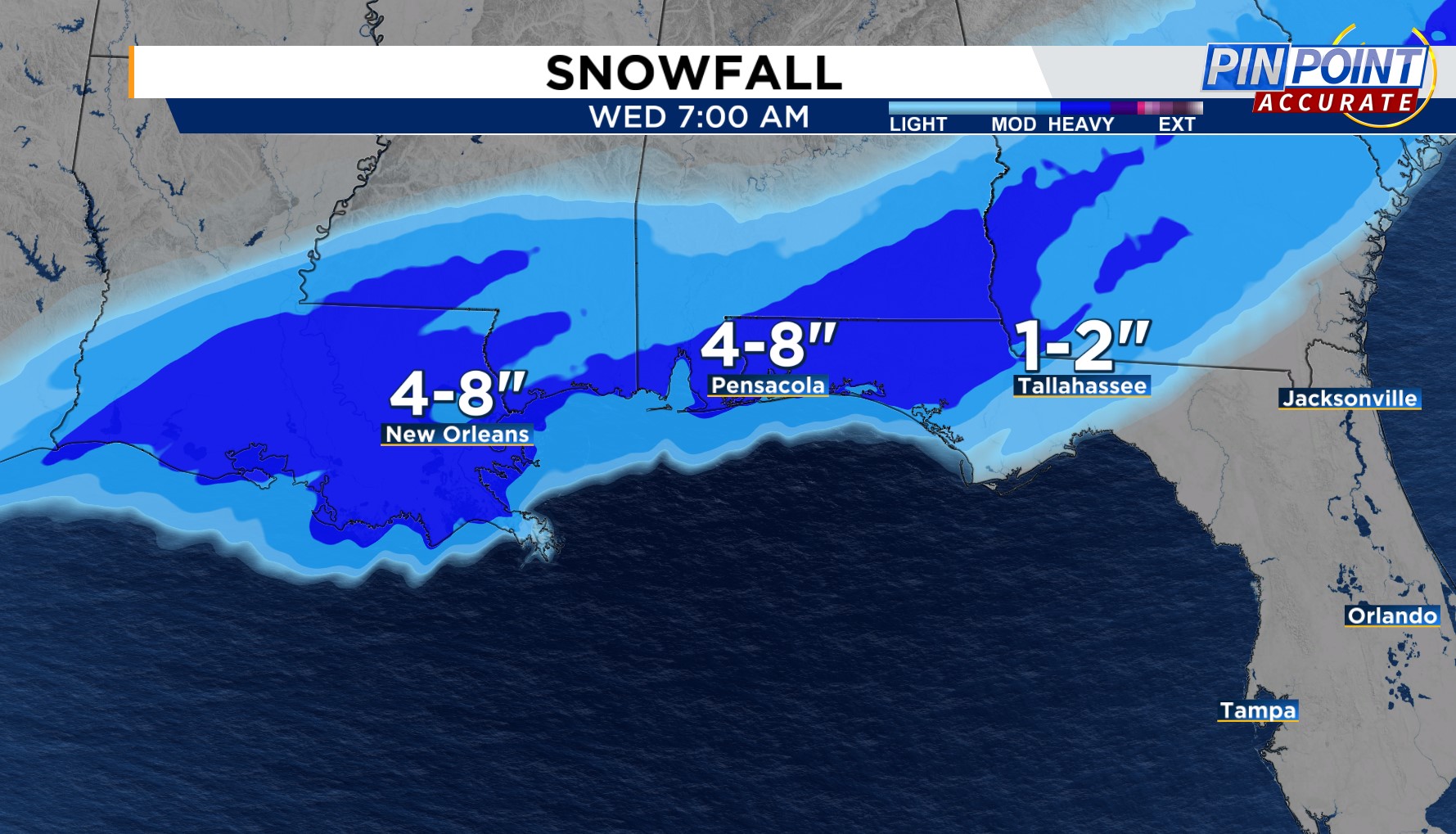
Orlando is nestled deep within what is affectionately known as the Sunshine State, a moniker earned through its consistently warm temperatures and abundant clear skies. Understanding Orlando’s climate is crucial for any traveler, as it dictates everything from what to pack to the ideal time to visit its world-renowned attractions.
The Sunshine State’s Climate Reality
Florida boasts a subtropical climate, characterized by hot, humid summers and mild to warm winters. This climate is defined by high temperatures year-round, significant humidity, and distinct wet and dry seasons. Snow, by definition, requires temperatures to be at or below freezing (32°F or 0°C) from the clouds to the ground, a condition that is exceedingly uncommon in Orlando.
During the winter months, from December to February, Orlando experiences its driest and coolest period. Daily high temperatures typically range from the low 70s to mid-70s Fahrenheit (21-24°C), with nighttime lows occasionally dipping into the 40s or 50s Fahrenheit (4-10°C). While these temperatures can feel brisk, especially to locals, they are far from the sustained freezing conditions necessary for snowfall. The sun remains a constant companion, making even cooler days feel pleasant and ideal for outdoor exploration.
A Historical Glimpse of Orlando’s Winter Weather
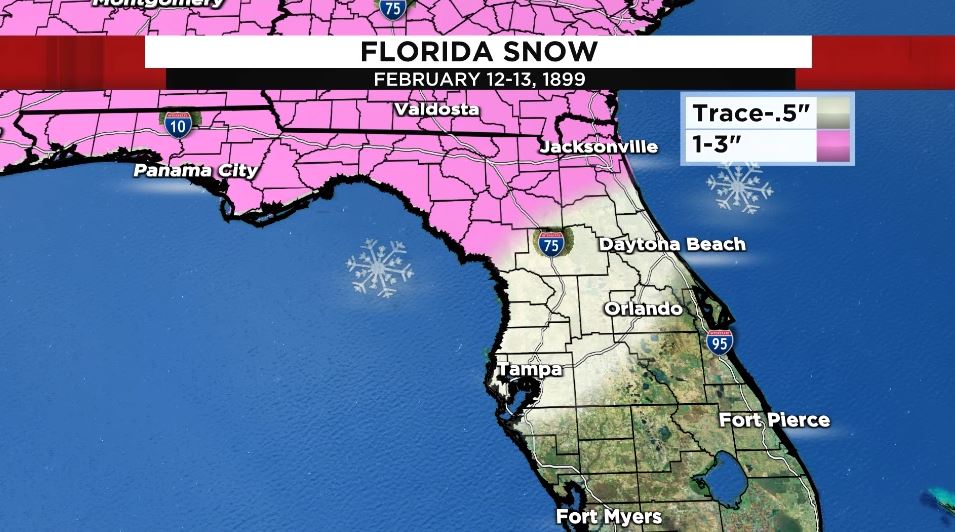
While snow in Orlando is practically a myth for daily life, history records a few exceptionally rare instances where a few flakes have fallen. The most significant snowfall in Florida’s recorded history occurred on February 12, 1899, when a major cold snap brought snow as far south as Miami. Orlando reportedly received a light dusting. More recently, on January 19, 1977, a memorable cold front saw a trace of snow and flurries across parts of Central Florida, including Orlando. Pictures from that day show very light accumulation on grass and cars, a truly remarkable event that became a local legend. Another very minor instance of flurries was reported in 2010.
These events are extraordinary deviations from the norm, occurring once in several decades and typically amounting to no more than a few visible flakes that melt upon contact with the warmer ground. They are statistical anomalies, not climatic trends, and certainly not something travelers should ever expect or plan for when visiting Orlando. The rarity of these occurrences only serves to highlight the pervasive warmth that defines Orlando’s climate.
What to Expect: Orlando in Winter
Instead of bracing for snow, travelers to Orlando during the winter months (roughly December through February) should anticipate delightful, mild weather that offers a welcome respite from colder climates elsewhere. These months are often considered among the best times to visit, thanks to the comfortable temperatures and lower humidity.
Daytime highs are consistently pleasant, ranging from the low to mid-70s Fahrenheit (21-24°C), perfect for exploring theme parks or enjoying a round of golf. Evenings can be cooler, with temperatures dropping into the 40s or 50s Fahrenheit (4-10°C), especially after sunset. While these lows are not freezing, they can feel chilly, particularly for those used to warmer Florida nights. Rainfall is also at its lowest during this dry season, meaning more consistent sunny days for outdoor activities.
Packing for Your Orlando Winter Trip
Given the typical winter conditions, strategic packing is key. Layers are your best friend. During the day, light clothing such as shorts, t-shirts, and sundresses are often sufficient, especially when active in the theme parks. However, as the sun begins to set, the temperature can drop noticeably. It’s advisable to carry a light to medium jacket, a sweater, or a cardigan. For cooler evenings, especially in late December and January, a warmer jacket, long pants, and closed-toe shoes will ensure comfort. If visiting water parks or pools, remember that while air temperatures might be warm, water temperatures can be quite cool unless heated. Most major resorts heat their pools year-round, but it’s always good to check.
Ideal Conditions for Theme Parks and Outdoor Activities
The mild winter weather in Orlando is a significant advantage for travelers. Walking miles around Walt Disney World Resort, Universal Orlando Resort, or SeaWorld Orlando is far more comfortable without the intense heat and humidity of summer. This means less sweating, less fatigue, and a more enjoyable overall experience. The cooler temperatures are also perfect for outdoor dining, strolling through Disney Springs or Universal CityWalk, or enjoying attractions like ICON Park on International Drive. For nature enthusiasts, exploring Orlando’s numerous parks, gardens, and natural springs, or venturing further afield to places like the Kennedy Space Center Visitor Complex or the Everglades, is much more pleasant when the weather is not excessively hot.
Beyond Snow: Unique Winter Experiences in Orlando
While snow may be off the table, Orlando’s winter season offers a distinct charm and a host of unique experiences that make it an incredibly appealing travel destination. It’s a time when the city truly comes alive with festive spirit and comfortable conditions.
Holiday Festivities and Events
December is arguably one of the most magical times to visit Orlando, as the entire destination transforms into a holiday wonderland. Walt Disney World Resort, in particular, goes all out with elaborate decorations, festive parades, and special events. Magic Kingdom hosts “Mickey’s Very Merry Christmas Party” (a separately ticketed event), while EPCOT celebrates with the “International Festival of the Holidays.” Hollywood Studios features festive projections on the Tower of Terror, and Animal Kingdom offers stunning animal-themed décor.
Universal Orlando Resort also embraces the season with “Grinchmas” at Islands of Adventure and holiday parades and decorations throughout Universal Studios Florida, including special shows in The Wizarding World of Harry Potter. SeaWorld Orlando offers its own “Christmas Celebration” with dazzling lights and themed shows. Beyond the major parks, areas like Disney Springs and Universal CityWalk also feature extensive decorations, live entertainment, and unique shopping opportunities, creating an incredibly festive atmosphere without a single snowflake in sight.
Enjoying Orlando’s Natural Beauty
The comfortable winter temperatures are perfect for exploring Orlando’s less-heralded natural side. Take a leisurely stroll around Lake Eola Park in downtown Orlando, where swan boats glide across the lake and the cityscape provides a picturesque backdrop. Visit Bok Tower Gardens, a stunning National Historic Landmark known for its beautiful carillon tower and lush, tranquil landscapes, which are particularly vibrant in the cooler months.
For those interested in Florida’s unique wildlife, winter is an excellent time for wildlife viewing, especially manatees that seek warmer waters in the natural springs. Airboat tours through the wetlands also become a more comfortable experience without the intense summer heat. The mild weather extends the window for enjoying outdoor sports like golf, tennis, and cycling, making Orlando a prime destination for active travelers.
Planning Your Orlando Getaway
Understanding Orlando’s climate and the lack of snow is fundamental to planning a successful and enjoyable trip. The reality of its mild winters opens up possibilities for different types of travel experiences compared to other destinations.
Best Time to Visit Orlando
For many, the winter months, specifically from January through early May, offer the best balance of pleasant weather and manageable crowd levels (outside of major holidays and school breaks). The cool, dry air makes extended days at the theme parks much more comfortable. While summer brings warmer temperatures and frequent afternoon thunderstorms, it also coincides with peak family travel and larger crowds. Fall (September to November) offers a similar balance, with cooling temperatures and the festive atmosphere of Halloween events at the parks.
Ultimately, the “best” time to visit depends on individual priorities:
- Mild Weather & Fewer Crowds (Generally): Late January, February (excluding Presidents’ Day week), late April, early May, late August, early September.
- Holiday Festivities: December (expect larger crowds, especially closer to Christmas and New Year’s).
- Budget Travel: Late August and September often see lower prices due to the start of the school year and the peak of hurricane season (though direct hits are rare).

Navigating Orlando’s Peak and Off-Peak Seasons
Travelers should be aware that “off-peak” in Orlando is a relative term. Major holidays, school breaks (like spring break in March/April, Thanksgiving, Christmas, and New Year’s), and summer vacation periods are always busy, regardless of weather. During these times, you’ll encounter larger crowds, longer wait times for attractions, and higher prices for accommodations and flights.
Conversely, periods like late January, February (after MLK Day and before Presidents’ Day), and portions of late August and September typically offer slightly fewer crowds and potentially better deals. Even during these times, however, it’s wise to plan ahead, make reservations, and utilize tools like Genie+ at Disney or Express Pass at Universal to maximize your time.
In conclusion, while the question “Is it snowing in Orlando, Florida?” may occasionally arise, the answer firmly establishes Orlando as a year-round warm-weather travel destination. Its subtropical climate ensures that snow is a near impossibility, allowing visitors to instead focus on packing for mild temperatures, enjoying sun-drenched days, and immersing themselves in the unparalleled array of attractions and experiences that define a trip to this iconic Florida city. Travelers can rest assured that their magical vacation will be filled with sunshine, not snowflakes.
LifeOutOfTheBox is a participant in the Amazon Services LLC Associates Program, an affiliate advertising program designed to provide a means for sites to earn advertising fees by advertising and linking to Amazon.com. Amazon, the Amazon logo, AmazonSupply, and the AmazonSupply logo are trademarks of Amazon.com, Inc. or its affiliates. As an Amazon Associate we earn affiliate commissions from qualifying purchases.