
North Florida, a region celebrated for its diverse landscapes, from pristine coastlines and expansive forests to intricate freshwater springs and winding rivers, often beckons travelers with its natural beauty. However, like any ecological system, it is susceptible to environmental fluctuations, including periods of drought. For prospective tourists planning a visit to Florida‘s northern reaches, understanding the current water conditions is paramount, as drought can significantly influence the travel experience, available activities, and the overall enjoyment of this unique destination.
Understanding North Florida’s Climate and Water Resources
North Florida is characterized by a humid subtropical climate, typically experiencing hot, humid summers and mild winters. Rainfall is generally abundant, with a distinct wet season from late spring through early autumn, often fueled by convective thunderstorms and tropical systems. This generous precipitation sustains the region’s lush ecosystems, vital freshwater systems, and contributes to the high quality of life and diverse tourism offerings.
Typical Weather Patterns and Ecological Significance
The weather patterns in North Florida are crucial for its ecological balance. The regular rainfall replenishes the Floridan Aquifer, one of the world’s most productive aquifers, which in turn feeds the region’s iconic springs. These springs, like Ichetucknee Springs and Silver Springs, are not just natural wonders; they are vital habitats for diverse wildlife and significant tourist attractions, offering opportunities for swimming, snorkeling, diving, and kayaking. Beyond the springs, the consistent moisture supports vast pine forests, cypress swamps, and salt marshes, all integral components of the region’s biodiversity and recreational appeal.
The Role of Water in North Florida’s Appeal
Water is an undeniable cornerstone of North Florida’s tourism identity. From the expansive beaches of Jacksonville and St. Augustine to the tranquil rivers like the St. Johns River that crisscross the interior, aquatic environments dictate much of the visitor experience. Boating, fishing, paddleboarding, and wildlife viewing along riverbanks and coastlines are immensely popular. Even inland attractions, such as state parks and nature preserves around cities like Gainesville and Tallahassee, rely on healthy water levels to maintain their trails, ecosystems, and scenic beauty. A significant reduction in water availability due to drought can therefore have widespread implications for virtually every aspect of a tourist’s visit.
Current Drought Status and Its Implications for Visitors
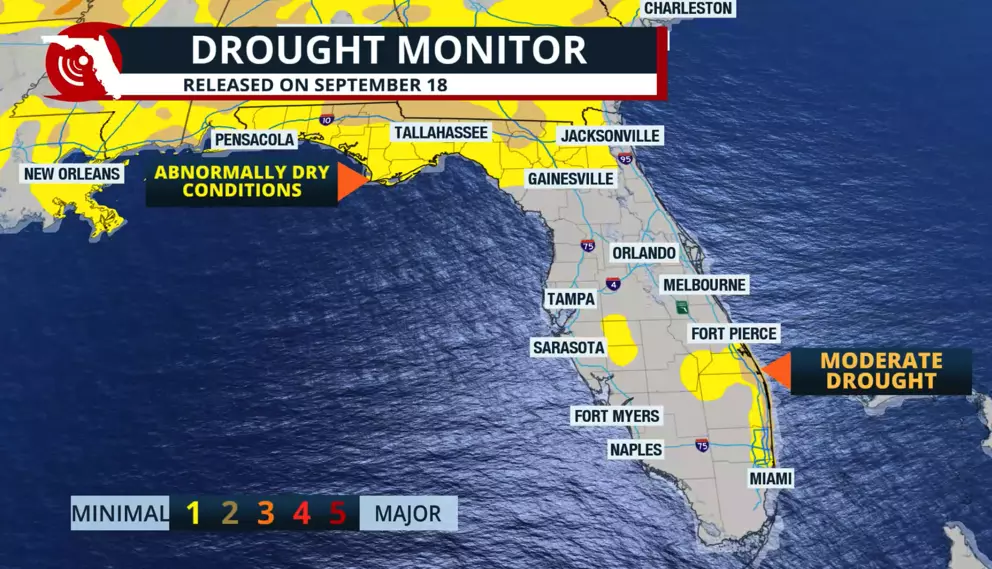
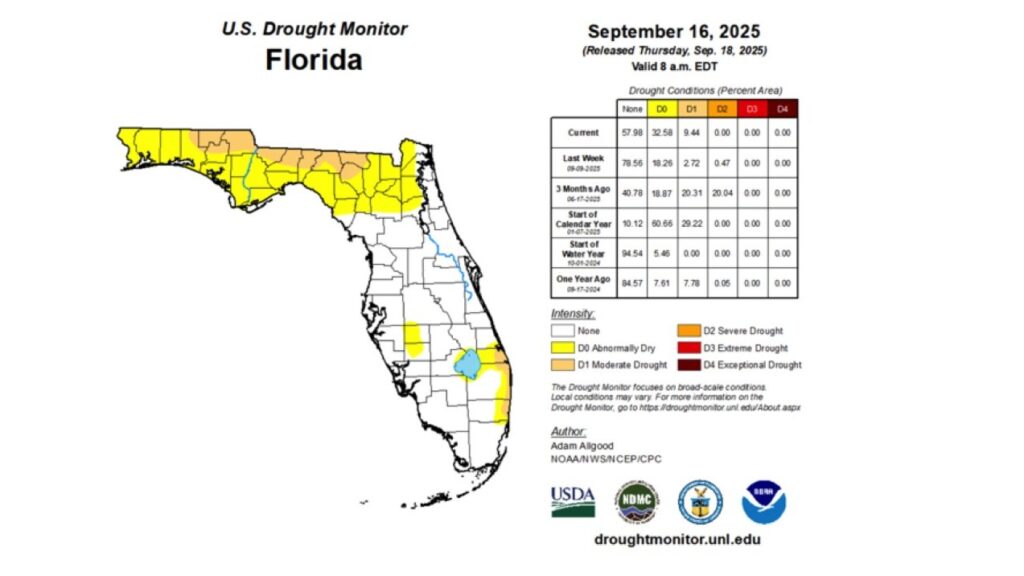
Assessing the drought status in North Florida requires consulting official sources, as conditions can fluctuate rapidly based on rainfall patterns. Typically, drought conditions are categorized by severity, ranging from abnormally dry to exceptional drought, each carrying different implications for water usage and environmental impact.
How Drought Conditions Are Monitored
Various agencies, including the U.S. Drought Monitor and the Florida Water Management Districts, regularly monitor rainfall, streamflow, groundwater levels, and soil moisture to determine the presence and severity of drought. These assessments are usually updated weekly, providing the most current information. For tourists, checking these resources before and during a trip is a proactive step in responsible travel planning. Local news outlets and tourism boards also often provide localized updates that can be highly relevant.
Direct Impacts on Popular Tourist Activities
Should North Florida experience a drought, several popular tourist activities could be directly affected:
- Springs and Rivers: Lower water levels in springs can reduce flow, impact clarity, and potentially make some areas less accessible for swimming, snorkeling, or tubing. River-based activities like kayaking, canoeing, and boating may encounter shallower channels, requiring greater caution or even leading to temporary closures of certain stretches.
- Fishing: Drought can alter fish behavior and habitat, making fishing more challenging. Lower water levels can concentrate fish in smaller areas, but also make them more susceptible to stress, impacting catch-and-release success.
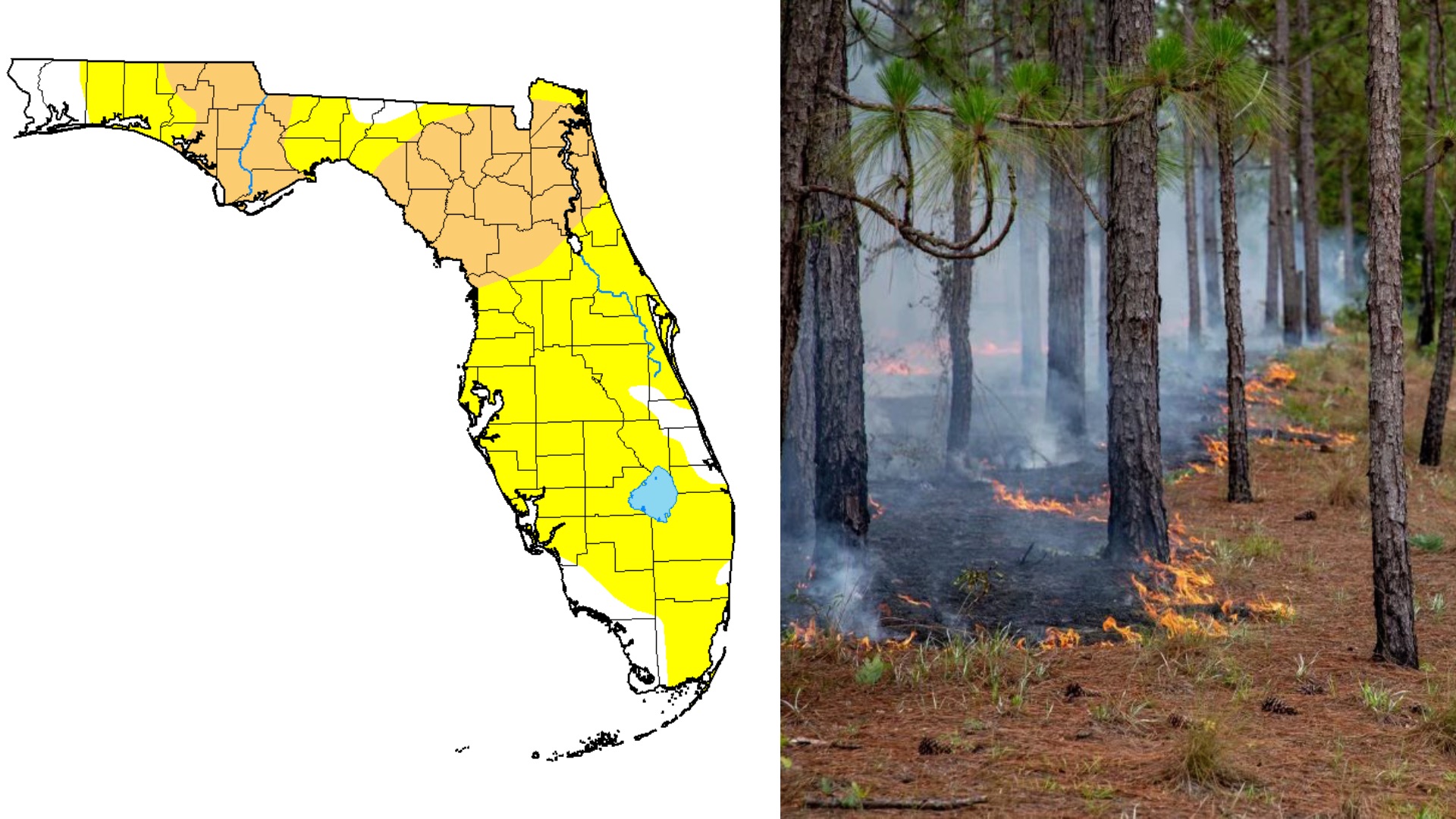
- Hiking and Nature Trails: While trails themselves might remain open, the landscape may appear less vibrant. Reduced water in wetlands and ponds could affect birdwatching opportunities and sightings of other wildlife dependent on these habitats. Furthermore, dry conditions significantly increase the risk of wildfires, potentially leading to trail closures in state parks and national forests.
- Beaches: While coastal beaches are less directly affected by inland freshwater droughts, the overall environmental consciousness may be heightened, encouraging visitors to conserve resources even at the coast.
Indirect Effects on Local Ecosystems and Aesthetics
Beyond direct activity impacts, drought subtly influences the broader tourism experience. The natural beauty that draws so many to North Florida can be diminished. Landscapes may appear parched, vegetation stressed, and the vibrancy of freshwater systems reduced. Wildlife may be less visible as animals seek out remaining water sources or alter their routines. These aesthetic and ecological changes, while perhaps not immediately obvious, can collectively alter the immersive natural experience North Florida typically offers. Local communities, whose livelihoods often depend on a thriving tourism sector, may also implement water restrictions, which could impact hotel amenities like pools or specific local events.
Navigating North Florida During Dry Spells: Tips for Tourists
A drought does not necessarily mean canceling a trip to North Florida, but it does necessitate thoughtful planning and responsible behavior. Tourists have a significant role to play in supporting the region’s environmental health during dry periods.
Responsible Water Usage Practices
Conservation becomes paramount during a drought. Tourists should be mindful of their water footprint throughout their stay. This includes:
- Shorter Showers: Keep showers brief and turn off the water while soaping up.
- Towel and Linen Reuse: Participate in hotel programs that allow for reusing towels and linens to reduce laundry frequency.
- Mindful Toilet Flushing: Avoid unnecessary flushing.
- Reporting Leaks: Promptly report any leaks in accommodation facilities to staff.
- Outdoor Activities: Be aware of any local ordinances regarding car washing or lawn watering if staying in a vacation rental.
- Swimming Pools: Understand that some public or private pools might face restrictions on refilling.
These small actions, collectively, can make a meaningful difference in conserving precious water resources.
Adapting Your Itinerary: Alternative Activities
Should specific water-based activities be limited by drought conditions, North Florida still boasts a wealth of alternative attractions. This is an opportune time to explore:
- Historical Sites: St. Augustine, the nation’s oldest continuously inhabited European-established settlement, offers centuries of history, from the Castillo de San Marcos to quaint cobblestone streets.
- Museums and Galleries: Cities like Jacksonville, Gainesville, and Tallahassee feature impressive art museums, science centers, and historical museums that offer enriching indoor experiences.
- Dining and Local Culture: Dive into North Florida’s culinary scene, exploring farm-to-table restaurants, fresh seafood eateries, and vibrant local markets. Attend cultural festivals or live music events that showcase the regional flair.
- Inland State Parks (with caution): While water levels may be low, many state parks still offer opportunities for hiking and biking, provided there are no wildfire warnings or specific trail closures. Always check park websites for current conditions.
- Shopping and Entertainment: Explore local boutiques, craft breweries, and entertainment venues in urban centers.
Embracing these alternatives can lead to unexpected discoveries and a deeper appreciation for the region’s diverse offerings beyond its aquatic attractions.
Staying Informed: Reliable Information Sources
Prior to and during your trip, make it a habit to consult official and local sources for the most up-to-date information on drought conditions and their impacts:
- Florida Water Management Districts: These districts (e.g., St. Johns River Water Management District, Suwannee River Water Management District) provide detailed regional data.
- U.S. Drought Monitor: Offers a national overview, with state-specific breakdowns.
- Florida Department of Environmental Protection (FDEP): Provides information on environmental conditions and regulations.
- Local Tourism Boards and Chambers of Commerce: Often have specific advisories for visitors.
- Individual Park and Attraction Websites: Always check the direct website for any specific attraction you plan to visit, as they will have the most current information regarding closures or operational changes.
Being informed allows tourists to make educated decisions and adjust plans accordingly, ensuring a smooth and enjoyable visit.
Supporting Sustainable Tourism in North Florida
Responsible tourism goes hand-in-hand with sustainability, particularly during periods of environmental stress like a drought. By making conscious choices, tourists can help mitigate negative impacts and contribute to the long-term health of North Florida’s natural and cultural resources.
Choosing Eco-Conscious Operators
When booking tours, activities, or accommodations, prioritize businesses that demonstrate a commitment to environmental stewardship. Look for certifications, stated policies on water conservation, waste reduction, and support for local ecosystems. Many eco-tour operators actively promote sustainable practices and educate their guests on local environmental challenges, providing a more insightful and responsible experience. Opting for guides who are knowledgeable about water conservation and local wildlife protection can enhance your understanding and minimize your footprint.
Respecting Local Regulations and Conservation Efforts
Adherence to local regulations, whether formal water restrictions or informal conservation pleas, is crucial. This includes observing fire bans in parks, staying on marked trails, properly disposing of waste, and minimizing disturbance to wildlife, especially when animals may be under stress due to dry conditions. Your visit is an opportunity to be a good steward of the environment, leaving North Florida as beautiful, if not more so, than you found it, ensuring its appeal for future generations of travelers. By actively participating in conservation efforts and making informed choices, tourists contribute significantly to the resilience and enduring allure of this unique Florida region, even when facing environmental challenges like drought.
LifeOutOfTheBox is a participant in the Amazon Services LLC Associates Program, an affiliate advertising program designed to provide a means for sites to earn advertising fees by advertising and linking to Amazon.com. Amazon, the Amazon logo, AmazonSupply, and the AmazonSupply logo are trademarks of Amazon.com, Inc. or its affiliates. As an Amazon Associate we earn affiliate commissions from qualifying purchases.