
The Boston Marathon is not just a race; it’s a pilgrimage for runners, a testament to dedication, and an iconic travel experience steeped in athletic history. For many, the journey to Boston begins long before arriving in Massachusetts, often years in advance, with the singular goal of achieving the elusive qualifying time. Understanding these standards is the first crucial step in planning your travel to participate in one of the world’s most prestigious road races.
The Allure of Boston: A Runner’s Dream Destination
The draw of the Boston Marathon is multifaceted, making it a bucket-list destination for marathoners worldwide. It’s the oldest annual marathon, dating back to 1897, and its rich tradition, challenging course, and fervent spectator support create an unparalleled atmosphere. Successfully registering for and completing this event is a crowning achievement in a runner’s career, a testament to disciplined training and a deep passion for the sport.

A Legacy of Excellence and Challenge
The Boston Marathon course itself is legendary, running 26.2 miles from the small town of Hopkinton to the bustling streets of Boston. It’s famous for its undulating terrain, culminating in the notorious Heartbreak Hill in Newton during the latter stages of the race. This challenging profile, combined with the unpredictable New England weather often encountered on Marathon Monday in April, means that simply finishing is a triumph. Yet, for the vast majority, the greatest challenge lies even before the starting gun: meeting the stringent qualifying standards set by the Boston Athletic Association (BAA).
More Than Just a Race: A Travel Experience
Securing a spot in Boston is not just about logging miles; it’s about planning a unique travel experience. From the moment a runner qualifies, the excitement builds for the trip to Massachusetts. This includes meticulous planning for flights, accommodation, race logistics, and perhaps even some sightseeing in this historic city. The journey to Boston becomes as much a part of the accomplishment as the race itself, representing the culmination of years of training and dedication to earn a spot at the pinnacle of marathon running.
Deciphering Boston Marathon Qualifying Standards
The core of the Boston Marathon’s mystique lies in its “qualifying time” standard. Unlike many other major marathons that offer lottery entries or charity bibs as primary access points, the Boston Marathon prioritizes time qualifiers. This merit-based entry system ensures a field of highly dedicated and accomplished runners, contributing to the race’s competitive nature and elite status.
Age and Gender Categories
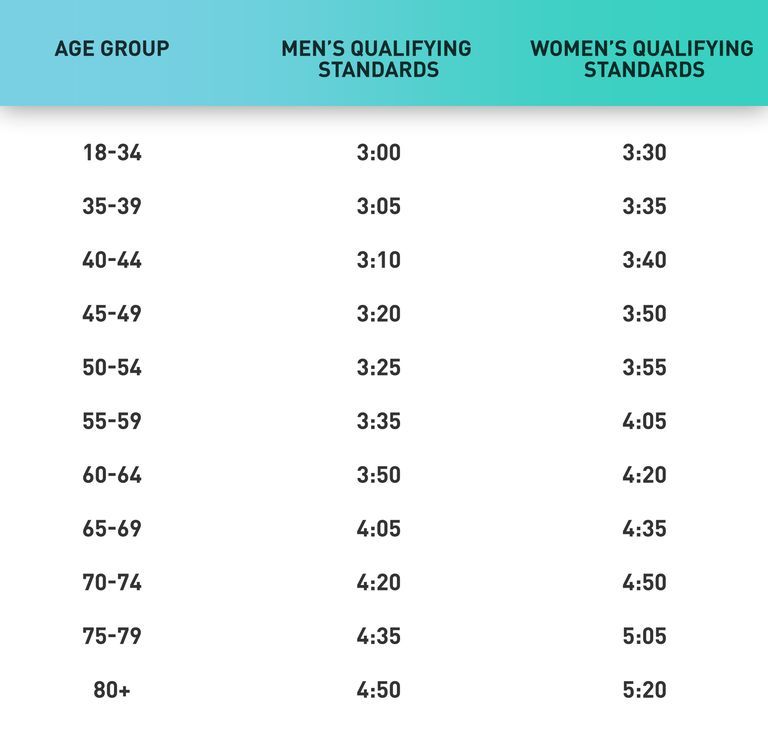
Qualifying times are specific to age and gender, acknowledging the physiological differences in athletic performance. The standards are updated periodically, so it is imperative for aspiring participants to consult the official Boston Athletic Association (BAA) website for the most current information for their target race year. Generally, the times become progressively slower as age increases, but they remain challenging across all categories. For example, a male runner aged 18-34 might need to complete a marathon in 3 hours 00 minutes 00 seconds, while a female runner in the same age group would need 3 hours 30 minutes 00 seconds. These are illustrative examples, and official times should always be verified. The age group is determined by the runner’s age on the date of the Boston Marathon itself, not on the date of their qualifying race.
The “Buffer” Time Phenomenon
Simply meeting the stated qualifying time is often not enough to guarantee entry. Due to the overwhelming number of applicants who achieve the standards, the Boston Athletic Association (BAA) typically accepts runners based on how much faster they are than their age and gender qualifying standard. This creates a “buffer” time. For instance, if 30,000 runners qualify for 25,000 available spots, the BAA might then only accept those who ran 2 minutes faster than their standard, then 5 minutes faster, and so on, until the field is filled. This means that merely hitting the standard might not secure entry; aiming for a time significantly faster than your category’s stated minimum is a prudent strategy. This competitive aspect adds another layer of challenge and prestige to the event, making the journey to Boston even more rewarding when successful.
Valid Qualifying Races
To submit a qualifying time, runners must complete a certified marathon course. This means the race must be sanctioned by a national governing body (like USA Track & Field in the United States or equivalent federations internationally) and have a certification number. The course must adhere to strict measurement standards, typically overseen by the Association of International Marathons and Distance Races (AIMS) or the International Association of Athletics Federations (IAAF) for international races. Virtual races, relay races, or uncertified courses are not accepted. The qualifying window is also specific, typically within a set period (e.g., since September of the previous year for the upcoming Marathon Monday). Many runners plan their travel to other major marathons, such as the Chicago Marathon, New York City Marathon, or Berlin Marathon, specifically with the goal of achieving their Boston qualifying time.
The Path to Hopkinton: Crafting Your Strategy
Achieving a Boston qualifying time demands more than just running; it requires strategic planning, meticulous training, and often, an entire travel itinerary built around a target race.
Training Regimen and Race Selection
The first step is a dedicated training plan tailored to your goal time. This typically involves several months of consistent running, including speed work, long runs, and recovery. Beyond training, selecting the right qualifying race is paramount. Look for fast, flat courses known for personal bests. Ideal qualifying races often feature cool weather, minimal elevation changes, and excellent course support. Researching past race results and weather patterns for potential qualifying marathons can significantly impact your success. Travel to these qualifying races is an investment, both in time and finances, but it’s a necessary step on the journey to Boston.
Pacing and Race Day Execution
On qualifying race day, disciplined pacing is crucial. Going out too fast can lead to hitting the wall and missing your goal. Practicing race-day nutrition and hydration during training runs is also vital. The mental aspect is just as important as the physical; staying focused, managing discomfort, and visualizing success can make all the difference. Remember, the goal is not just to finish, but to finish with a time that puts you comfortably within — or ideally, well under — your Boston standard.
Beyond the Time: The Application Process and Alternative Routes
Even with a qualifying time in hand, the journey to Boston isn’t complete without navigating the application process.
When and How to Apply
The application window for the Boston Marathon is typically a specific week in September, nearly seven months before Marathon Monday. The Boston Athletic Association (BAA) employs a rolling admission system, starting with the fastest qualifiers and working backward. This is where the “buffer” time becomes critical; those with the fastest times relative to their standard are accepted first, then the next fastest, until the field is full. It is crucial to have all documentation, including your official qualifying race results, ready for submission.

What If You Don’t Qualify? Charity Entries and Tour Groups
For those who don’t meet the stringent qualifying times, or for whom the buffer time prevents entry, there are alternative avenues to experience the Boston Marathon. Many official charities partner with the Boston Athletic Association (BAA) to offer bibs to runners who commit to raising a significant amount of money. This option allows individuals to support a cause they believe in while still achieving their dream of running Boston. Additionally, certain tour operators offer travel packages that include guaranteed race entry. These packages often provide comprehensive travel arrangements, from flights and accommodation to pre-race logistics and post-race celebrations, making the entire journey to Boston seamless, albeit at a premium cost.
Planning your travel to Boston for the marathon, whether as a time qualifier or through a charity bib, is an exciting undertaking. It’s a journey that culminates in one of the most memorable athletic and travel experiences an individual can have, becoming part of a storied tradition that unites runners from around the globe.
LifeOutOfTheBox is a participant in the Amazon Services LLC Associates Program, an affiliate advertising program designed to provide a means for sites to earn advertising fees by advertising and linking to Amazon.com. Amazon, the Amazon logo, AmazonSupply, and the AmazonSupply logo are trademarks of Amazon.com, Inc. or its affiliates. As an Amazon Associate we earn affiliate commissions from qualifying purchases.