
Florida, often synonymous with perpetual sunshine and balmy breezes, is a magnet for travelers seeking respite from colder climates. Its reputation as the Sunshine State is well-earned, drawing millions to its pristine beaches, world-famous theme parks, and vibrant cultural hubs. However, even this subtropical paradise is not entirely immune to the caprices of weather. The question of whether a cold front is coming to Florida is a pertinent one for any traveler planning a visit, as such a shift can significantly alter the expected travel experience. Understanding Florida’s unique climatic patterns and how they are influenced by cold fronts is key to preparing for an enjoyable and adaptable journey.

Understanding Florida’s Weather Dynamics
Florida’s geography, stretching from the temperate north to the tropical south, makes its weather patterns surprisingly diverse. While it largely enjoys a subtropical climate characterized by mild winters and hot, humid summers, it is susceptible to cold fronts, particularly during the cooler months.
The Allure of the Sunshine State
Travelers flock to Florida primarily for its outdoor attractions. The promise of warm weather allows for year-round enjoyment of its stunning coastline, from the pristine sands of South Beach in Miami to the tranquil shores of the Gulf Coast near Clearwater Beach. Theme parks like Walt Disney World and Universal Studios Florida in Orlando thrive on fair weather, as do the countless opportunities for boating, fishing, and exploring natural landscapes such as the Everglades National Park. This consistent pleasant weather forms the backbone of the state’s tourism industry and shapes traveler expectations.
What a Cold Front Means for Florida
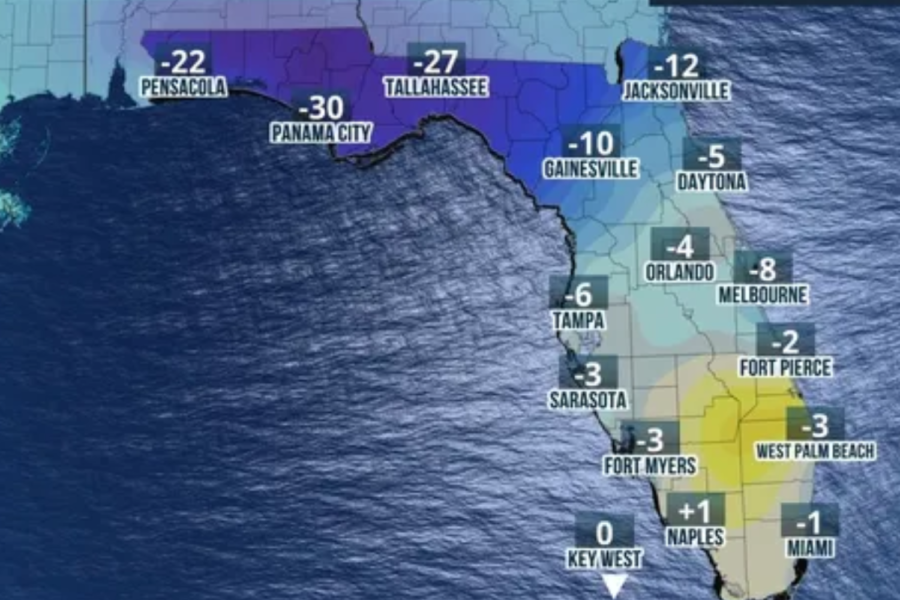
A cold front in Florida typically involves a mass of cooler, drier air pushing south, displacing the warmer, humid air. This can lead to a noticeable drop in temperatures, often accompanied by strong winds and, occasionally, rain. While “cold” in Florida rarely means freezing temperatures outside of the northernmost regions, it can bring daytime highs down into the 50s and 60s Fahrenheit (10-20 Celsius) and nighttime lows into the 30s and 40s (0-10 Celsius), especially in central and northern Florida. In the southernmost parts, like the Florida Keys and Miami, the dip is usually less severe but still noticeable, potentially bringing temperatures into the 60s during the day.
Such weather shifts are most common from late fall through early spring (November to April). While these fronts usually pass relatively quickly, lasting anywhere from a few days to a week, their arrival necessitates a shift in travel plans and expectations. For visitors anticipating a purely tropical experience, a cold front can be an unexpected variable that requires adaptation.
Impact on Florida Travel Experiences
The arrival of a cold front can significantly influence how travelers experience Florida’s diverse offerings. What might be an ideal activity one day could become less appealing the next, prompting visitors to reconsider their itinerary.
Beach & Water Activities
For many, a trip to Florida is synonymous with beach days and water sports. Sunbathing, swimming, snorkeling, and paddleboarding are prime attractions. However, a cold front makes these activities far less inviting. Stronger winds can churn the ocean, making swimming less comfortable and potentially creating stronger currents. The drop in air temperature, combined with cooler water, means that even dedicated beachgoers might find themselves retreating indoors. Water parks, which rely heavily on warm weather, may operate on reduced schedules or close certain attractions if temperatures drop too low. Travelers focused on marine life excursions, like kayaking in Tarpon Springs or snorkeling in Key West, might find the experience less comfortable without proper thermal gear.
Theme Parks & Outdoor Attractions
Florida’s theme parks are designed for all-weather enjoyment, but a cold front can still impact the experience. While many rides and attractions operate normally, water rides may close, and outdoor shows could be canceled or modified. The lower temperatures, especially with wind, can make spending an entire day outdoors feel quite chilly, diminishing the usual park magic. Lines for indoor attractions might lengthen, and visitors will need to dress in layers. Similarly, exploring natural attractions like the St. Johns River or taking airboat tours in the Everglades might require warmer clothing than typically anticipated for Florida.
Florida’s Natural Wonders
Even Florida’s incredible natural ecosystems, from the vast wetlands of the Everglades to the pristine springs of Ocala National Forest, are affected. While a cold front might deter some from extensive hiking or kayaking, it can offer unique opportunities for wildlife viewing. Manatees, for instance, often seek refuge in warmer spring waters when the surrounding air and ocean temperatures drop, making it an excellent time to visit places like Crystal River to see them. However, travelers should be prepared for cooler conditions and ensure they have appropriate outerwear for exploring these often exposed environments.
Adjusting Your Florida Travel Itinerary
When a cold front is on the horizon, flexibility and foresight become your best travel companions. Adapting your itinerary can turn a potentially disappointing weather event into an opportunity to explore Florida from a different perspective.
Packing Smart for Variable Weather
The single most crucial adjustment for a cold front in Florida is in your packing. Forget the notion that only swimsuits and sandals are necessary. Include layers: light sweaters, long-sleeved shirts, a medium-weight jacket, and perhaps even a pair of jeans or long pants. A light scarf or beanie can also be surprisingly useful, especially if planning to be outdoors in the evenings or early mornings. Don’t forget comfortable closed-toe shoes suitable for walking, rather than relying solely on flip-flops. While the sun might still be bright, the air can be crisp, and dressing in layers allows you to adjust throughout the day.
Embracing Indoor Alternatives
Florida boasts a wealth of indoor attractions that come alive during cooler weather.
- Museums and Galleries: Cities like St. Petersburg are home to world-class institutions such as The Dalí Museum, while Orlando offers numerous unique cultural experiences. Miami features an array of art districts and museums, including the Frost Science Museum.
- Aquariums and Zoos: While partially outdoors, places like the Florida Aquarium in Tampa or SeaWorld in Orlando often have extensive indoor exhibits that provide entertainment away from the chill.
- Shopping and Entertainment Complexes: Major cities are replete with large shopping malls, entertainment districts, and indoor activity centers (e.g., arcades, bowling alleys, trampoline parks) that can fill a cooler day. Disney Springs or CityWalk offer dining, shopping, and entertainment options.
- Historic Sites: Explore the rich history of St. Augustine, the nation’s oldest city, with its numerous historic buildings, museums, and Fort Matanzas.
Culinary Adventures and Nightlife
Cooler evenings can be perfect for exploring Florida’s vibrant culinary scene. From upscale dining in Palm Beach to casual seafood shacks on the Atlantic Coast in Daytona Beach, a cold front offers an excuse to cozy up indoors with a warm meal and a refreshing drink. Many restaurants and bars feature outdoor seating with heaters, allowing for an open-air experience even on a cooler night. Exploring local breweries, distilleries, or wine bars can also be a delightful way to spend an evening.
Best Time to Visit and Weather Resources
While cold fronts are a possibility, they are not a constant feature of Florida weather. Strategic planning and staying informed are key to managing their impact on your travel.
Seasonal Expectations
The likelihood of encountering a significant cold front is highest during the traditional winter months, from December through February. During this period, daytime temperatures across much of the state can range from the low 60s to high 70s Fahrenheit (15-25 Celsius). While many visitors find these temperatures ideal for outdoor activities without the intense summer heat and humidity, it’s also when cold fronts are most impactful. Spring (March-May) and Fall (October-November) generally offer the most consistently pleasant weather, with fewer severe cold fronts and less intense heat than summer. Summer (June-September) is characterized by high heat, humidity, and frequent afternoon thunderstorms, but very rarely cold fronts. For travelers seeking guaranteed warmth for beach activities, the shoulder seasons or even carefully planned winter trips to the southernmost areas like Key West might be preferable, always keeping an eye on the forecast.
Essential Weather Tracking Tools
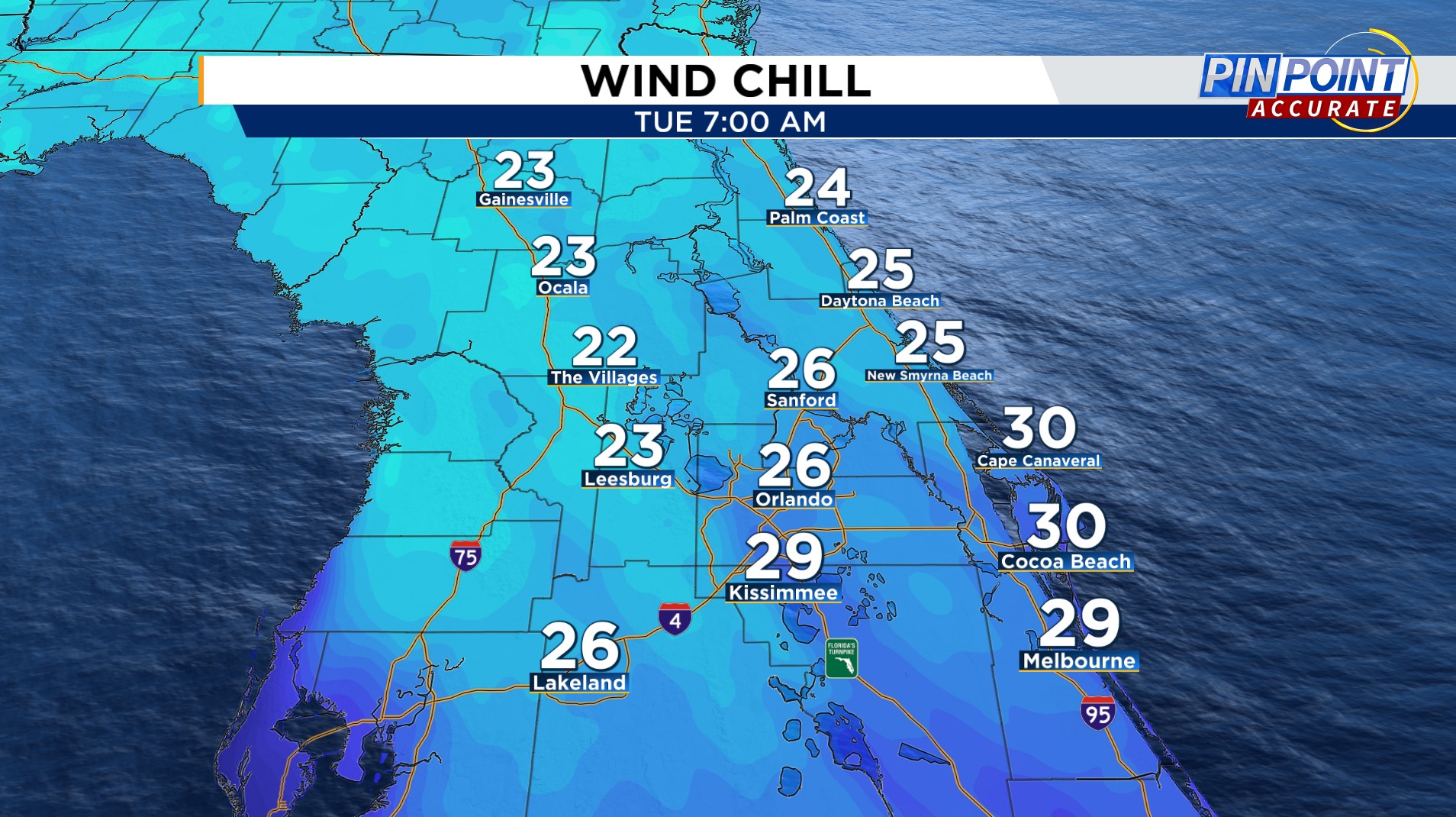
Before and during your trip to Florida, make it a habit to check reliable weather forecasts. Reputable sources like the National Weather Service (NWS) provide detailed and up-to-date information, including cold front tracking and temperature predictions. Many weather apps offer localized forecasts, including hourly breakdowns, which can be invaluable for planning daily activities. Pay particular attention to both daytime highs and nighttime lows, as the temperature swing can be significant. Also, check for wind chill factors, especially if planning water activities or spending prolonged periods outdoors. Being informed allows you to adjust your attire and activities proactively, ensuring a seamless and enjoyable travel experience regardless of what the Florida skies bring.
LifeOutOfTheBox is a participant in the Amazon Services LLC Associates Program, an affiliate advertising program designed to provide a means for sites to earn advertising fees by advertising and linking to Amazon.com. Amazon, the Amazon logo, AmazonSupply, and the AmazonSupply logo are trademarks of Amazon.com, Inc. or its affiliates. As an Amazon Associate we earn affiliate commissions from qualifying purchases.