
Navigating Financial Distress: A Lifestyle Crossroads in Florida
Financial distress can cast a long shadow over every aspect of one’s lifestyle. In Florida, a state often associated with sun-drenched beaches and vibrant communities, the reality of overwhelming debt can severely restrict personal freedom, limit opportunities, and erode the quality of life. The constant burden of mounting bills, collection calls, and the inability to meet basic financial obligations can lead to immense stress, impacting mental and physical well-being, relationships, and the ability to plan for any future beyond immediate survival. It strips away the spontaneous joys and the secure foundation upon which a fulfilling lifestyle is built, replacing them with anxiety and a sense of entrapment.
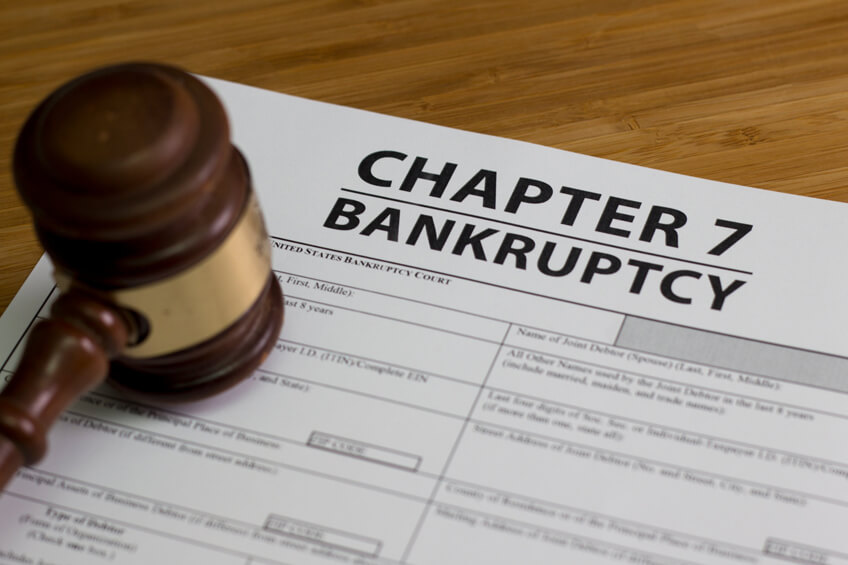
The Weight of Debt: Impact on Personal Freedom and Lifestyle Choices
When debt becomes unmanageable, it doesn’t just affect your bank account; it infiltrates your entire existence. The freedom to choose where you live, what you eat, how you relax, and even where you work can be severely curtailed. For many in Florida, the dream of a vacation, homeownership, or even a simple family outing can feel like an impossible luxury. Each financial decision is dictated by the need to service debt, leaving little room for personal growth, leisure, or investment in one’s own future. This state of constant financial pressure often leads to a cycle of poverty and limited opportunity, making it difficult to envision or achieve a lifestyle of true independence and comfort. It’s a pervasive issue that can stifle ambition, foster feelings of inadequacy, and ultimately prevent individuals from engaging fully with the rich experiences life in Florida has to offer. The inability to escape the grip of debt can dictate career choices, housing situations, and even social interactions, fundamentally reshaping an individual’s lifestyle in ways that are often undesirable and profoundly limiting.
When Chapter 7 Becomes a Consideration: A Path to Reclaim Your Financial Narrative
For individuals and families in Florida facing insurmountable debt, Chapter 7 bankruptcy often emerges as a powerful, albeit serious, option for reclaiming control over their financial narrative and, by extension, their lifestyle. This legal process, often referred to as “liquidation bankruptcy,” offers a fresh start by discharging most unsecured debts, such as credit card balances, medical bills, and personal loans. The decision to file for Chapter 7 is rarely taken lightly, often coming after years of struggling, belt-tightening, and exploring other debt relief alternatives. However, when the burden of debt becomes oppressive and repayment seems impossible, Chapter 7 provides a legally sanctioned pathway to shed those obligations and begin rebuilding one’s financial life from a clean slate. It represents not an end, but a strategic pause and reset, allowing individuals to halt creditor harassment, stop wage garnishments, and re-establish a sense of financial stability. By providing this immediate relief and a clear path forward, Chapter 7 can be a critical step toward restoring personal dignity, reducing stress, and ultimately enabling the pursuit of a more balanced and fulfilling lifestyle in Florida. It’s about taking proactive steps to regain financial agency and carve out a future unburdened by past financial missteps or unforeseen circumstances.
Understanding Chapter 7 Bankruptcy and Its Lifestyle Implications
Chapter 7 bankruptcy is a federal legal process designed to give debtors a “fresh start” by discharging most of their unsecured debts. While it’s a legal mechanism, its implications for one’s daily life and future lifestyle are profound. It’s a structured approach to addressing financial insolvency that has specific rules, particularly concerning eligibility and asset protection, which are crucial for anyone in Florida considering this path.
The Core Principles of Chapter 7: Liquidation and a Fresh Start
At its heart, Chapter 7 bankruptcy operates on two core principles: liquidation and a fresh start. Liquidation means that a bankruptcy trustee may sell some of your non-exempt assets to pay off creditors. However, the term “liquidation” often sounds more daunting than it is in practice for most individual filers. A significant majority of Chapter 7 cases are “no-asset” cases, meaning the debtor’s property is entirely covered by exemptions, and thus, no assets are sold. The “fresh start” principle is the ultimate goal, allowing individuals to emerge from bankruptcy free from the burden of most unsecured debts. This discharge of debt is transformative, immediately alleviating the relentless stress and pressure that unmanageable debt imposes on one’s lifestyle. It enables a reset, providing the mental and financial space to begin rebuilding a sustainable financial future, potentially leading to greater lifestyle choices and stability than before. This newfound freedom from debt can empower individuals to focus on saving, planning, and investing in experiences and assets that truly enhance their quality of life in Florida.
Eligibility and the Means Test: Qualifying for a New Financial Beginning
To ensure that Chapter 7 bankruptcy is reserved for those truly in need, federal law imposes specific eligibility criteria, the most significant of which is the “Means Test.” This test evaluates your income and expenses to determine if your income is below the median income for a household of your size in Florida. If your income is below the median, you generally qualify for Chapter 7. If your income exceeds the median, the test further analyzes your disposable income after deducting allowed expenses. If you still have sufficient disposable income to pay a meaningful portion of your unsecured debts, you may be deemed ineligible for Chapter 7 and might instead consider Chapter 13 bankruptcy, which involves a repayment plan. The Means Test serves as a gatekeeper, ensuring that the fresh start offered by Chapter 7 is directed towards individuals whose financial lifestyle is genuinely overwhelmed, rather than those who could reasonably repay their debts. Successfully passing the Means Test is a crucial step towards confirming that Chapter 7 is a viable path for your new financial beginning, allowing you to move forward with the bankruptcy process with confidence.
Key Lifestyle Assets: What’s Protected in Florida?
A common concern for individuals considering Chapter 7 bankruptcy is the fate of their assets, particularly those essential for maintaining their lifestyle. Florida offers a robust set of “exemption laws” that protect certain types and amounts of property from being sold by the bankruptcy trustee. These exemptions are designed to allow debtors to keep enough property to maintain a basic standard of living post-bankruptcy. Key exemptions in Florida include:
- Homestead Exemption: Florida has one of the strongest homestead exemptions in the U.S., protecting an unlimited amount of equity in your primary residence, up to half an acre within a municipality or 160 contiguous acres outside. This is a crucial protection for homeowners, allowing them to keep their family home and maintain housing stability.
- Personal Property Exemption: Debtors can exempt up to $1,000 in personal property (e.g., furniture, electronics, clothing). If the homestead exemption is not used (e.g., for renters), this increases to $4,000.
- Motor Vehicle Exemption: Up to $1,000 in equity in a single motor vehicle is exempt.
- Wildcard Exemption: If the homestead exemption is not fully utilized, there’s an additional “wildcard” exemption that can be applied to any personal property, often up to several thousands of dollars, allowing for greater flexibility in protecting various assets.
- Retirement Accounts: Most qualified retirement accounts, such as IRAs and 401(k)s, are fully exempt under federal law, ensuring that your long-term financial security and retirement lifestyle are protected.
- Wages: Current wages are generally exempt from garnishment under Florida law, further protecting your ability to earn and live.
Understanding these exemptions is vital because they determine what assets you can retain, directly influencing your post-bankruptcy lifestyle. A knowledgeable bankruptcy attorney in Florida can help you maximize these protections, ensuring that you can emerge from Chapter 7 with the necessary foundational assets to rebuild your life. For most individuals, careful planning and the application of these exemptions mean they can complete Chapter 7 without losing any significant property.
The Chapter 7 Filing Process: Steps Towards a Revitalized Lifestyle
Initiating a Chapter 7 bankruptcy involves a series of structured legal steps, each designed to facilitate the discharge of debt and guide you toward a revitalized financial lifestyle. While the process can seem complex, understanding each stage empowers you to navigate it effectively and confidently.
Essential Preparations: Document Gathering and Credit Counseling
The initial phase of filing Chapter 7 in Florida is all about meticulous preparation. Before you can even draft the bankruptcy petition, you must gather a comprehensive array of financial documents. This includes pay stubs, tax returns for the past several years, bank statements, credit card statements, mortgage and loan documents, property deeds, and any records related to investments or significant assets. This thorough collection of information is crucial for accurately completing the detailed bankruptcy forms and providing a complete financial picture to the court and your trustee. Simultaneously, federal law mandates that all individuals filing for bankruptcy complete an approved credit counseling course within 180 days before filing. This course, often conducted online or over the phone, aims to provide an overview of personal financial management and explore alternatives to bankruptcy. While it might seem like an extra hurdle, viewing it as an opportunity for financial introspection can be beneficial. It’s a foundational step towards reshaping your financial habits and laying the groundwork for a more responsible and sustainable lifestyle once your debts are discharged. These preparations, while demanding, are instrumental in ensuring a smooth filing process and setting the stage for your financial recovery.
The Petition and Automatic Stay: Immediate Relief for Your Daily Life
Once all necessary documents are compiled and the credit counseling requirement is met, your bankruptcy attorney will prepare and file the official bankruptcy petition with the U.S. Bankruptcy Court in Florida. This extensive document includes schedules detailing all your assets, liabilities, income, expenses, and creditors. The moment this petition is filed, a powerful legal injunction known as the “Automatic Stay” immediately goes into effect. This stay is one of the most significant immediate benefits of filing, as it legally prohibits most creditors from continuing collection activities. This means collection calls must stop, lawsuits for debt collection are paused, wage garnishments are halted, and foreclosures or repossessions are temporarily suspended. For someone overwhelmed by debt, the Automatic Stay provides instant, profound relief from daily harassment and pressure, offering much-needed breathing room. It allows you to take stock of your situation without constant external pressure, giving you a chance to reset your focus and begin charting a course for a less stressful financial lifestyle. This immediate cessation of creditor activity is often the first tangible sign that a fresh start is truly within reach.
The Meeting of Creditors: A Formal Step Towards Financial Clarity
Approximately 20 to 40 days after filing your Chapter 7 petition, you will be required to attend a “Meeting of Creditors,” also known as a 341 meeting, named after the section of the bankruptcy code that mandates it. This meeting is typically held at a federal building in Florida, but it is generally a relatively brief and straightforward proceeding. Despite its name, creditors rarely attend these meetings. Instead, you will meet with your assigned bankruptcy trustee, who is a court-appointed official responsible for overseeing your case. The trustee’s primary role is to verify the information in your petition, ask questions under oath about your assets, debts, income, and expenses, and determine if there are any non-exempt assets that could be liquidated to pay creditors. You’ll be asked to confirm the accuracy of your submitted documents and may be asked clarifying questions about your financial history or specific transactions. While it’s a formal legal procedure, it’s not typically an adversarial interrogation. Having your attorney present can provide comfort and ensure the meeting proceeds smoothly. This meeting is a crucial step in the bankruptcy process, moving you closer to the discharge of your debts and reinforcing your commitment to financial clarity and a revitalized lifestyle.
The Role of the Trustee: Administering Your Path to Freedom
The bankruptcy trustee plays a pivotal role in the Chapter 7 process, acting as an impartial administrator of your bankruptcy estate. Their responsibilities include reviewing your petition and schedules, conducting the Meeting of Creditors, and identifying any non-exempt assets that could be sold to satisfy your creditors. As discussed, most individual Chapter 7 cases in Florida are “no-asset” cases, meaning the trustee finds no property to liquidate after applying state and federal exemptions. If non-exempt assets are identified, the trustee’s role shifts to gathering and selling those assets, distributing the proceeds to creditors according to legal priority. The trustee also looks for any potential fraudulent transfers or preferences made by the debtor prior to filing, ensuring fairness to all creditors. After the Meeting of Creditors and any necessary asset administration, the trustee will typically file a report with the court. Their oversight ensures the integrity of the bankruptcy system and helps facilitate your journey towards financial freedom. Once the trustee has completed their duties and the court grants your discharge, the legal mechanism of Chapter 7 has effectively administered your path to a fresh start and a renewed financial lifestyle.
Post-Bankruptcy Life: Rebuilding Your Lifestyle in Florida
Receiving a Chapter 7 discharge is a monumental step, but it marks the beginning, not the end, of your journey toward a robust financial lifestyle. The period immediately following bankruptcy is crucial for establishing new habits and strategies that will ensure long-term financial health and open up new lifestyle opportunities in Florida.
Restoring Financial Health: Credit Repair and Budgeting Strategies
One of the most pressing tasks after a Chapter 7 discharge is to begin the process of credit repair and establish sustainable budgeting strategies. While bankruptcy remains on your credit report for 7-10 years, you can start rebuilding your credit score almost immediately. Strategies include obtaining a secured credit card, where you deposit funds that become your credit limit, or a small credit builder loan. Using these responsibly – making small purchases and paying them off in full and on time – will demonstrate your renewed creditworthiness. Simultaneously, robust budgeting becomes paramount. With discharged debts no longer consuming your income, you have a unique opportunity to create a realistic and disciplined budget. This involves tracking income and expenses, differentiating between needs and wants, and allocating funds towards savings for emergencies, retirement, and future goals. Developing a strong financial plan and adhering to it is essential for preventing future debt accumulation and for cultivating a secure and prosperous lifestyle in Florida. This disciplined approach to managing your money will empower you to make informed financial decisions and pursue your lifestyle aspirations with confidence.
Envisioning a New Future: Lifestyle Opportunities Beyond Debt
The discharge of Chapter 7 bankruptcy frees you from the shackles of past debt, opening up a world of new lifestyle opportunities. Without the constant pressure of creditors, you can begin to envision a future where financial freedom allows for greater choice and enjoyment. This might mean finally being able to save for a down payment on a home, pursuing educational opportunities that enhance your career prospects, or even planning that long-dreamed-of vacation within Florida or beyond. The absence of overwhelming debt allows you to allocate your resources towards experiences and assets that truly enrich your life. It means less stress, more peace of mind, and the ability to focus on personal growth, hobbies, and relationships that contribute positively to your well-being. This renewed sense of financial stability provides the foundation upon which you can build a lifestyle that is not just free from debt, but also rich in experiences, security, and personal fulfillment, making the most of all that life in Florida has to offer.
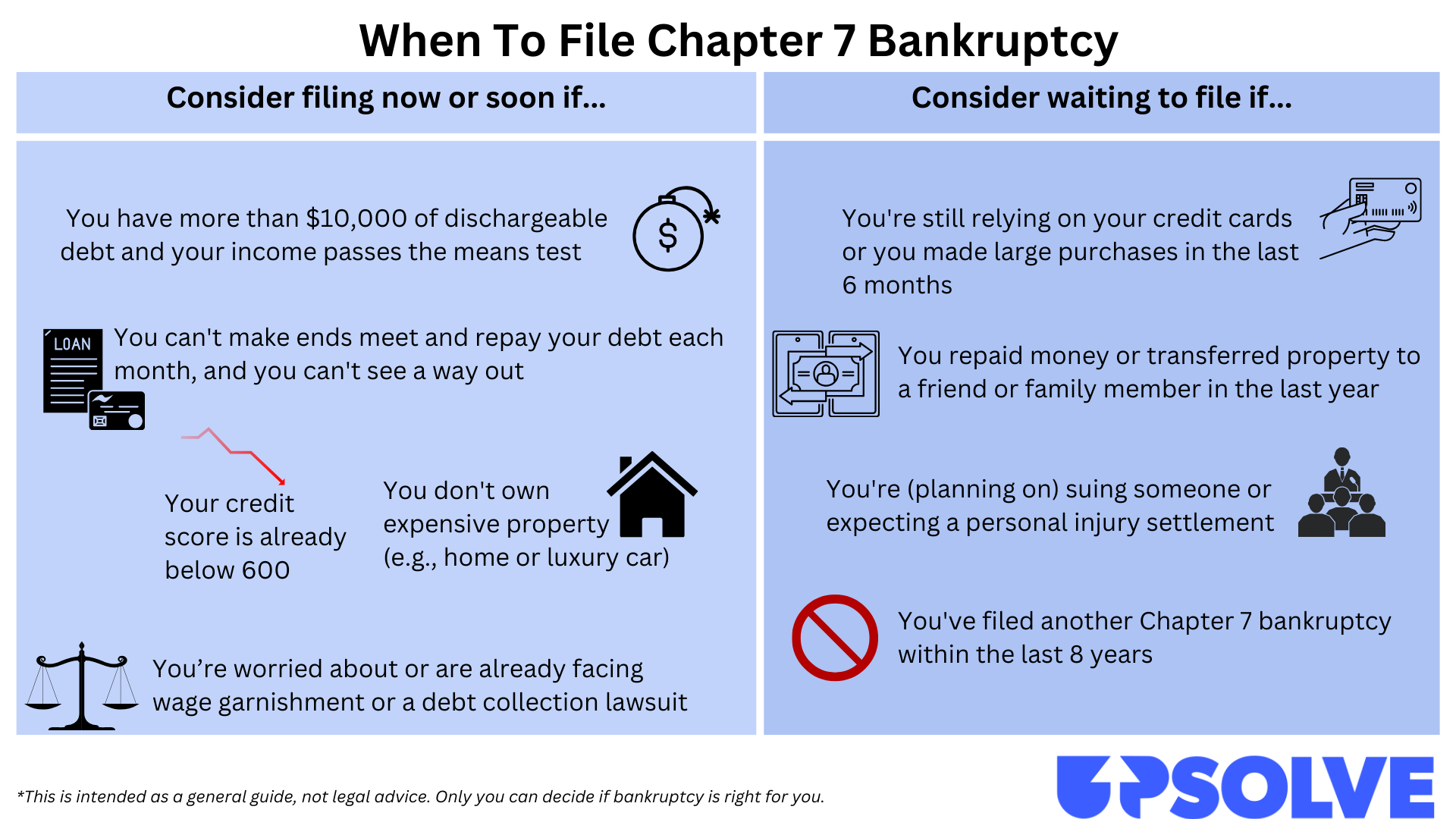
Long-Term Financial Planning: Sustaining Your Revitalized Lifestyle
To truly sustain your revitalized lifestyle after bankruptcy, long-term financial planning is indispensable. This involves not just budgeting and credit repair, but also setting clear financial goals and developing strategies to achieve them. Consider establishing an emergency fund equivalent to several months of living expenses to cushion against unforeseen financial setbacks. Explore investment options appropriate for your risk tolerance and future aspirations, such as contributing to retirement accounts or a savings plan for significant purchases. Furthermore, educating yourself on personal finance, seeking advice from financial planners, and regularly reviewing your budget and financial goals are crucial steps. The discipline and knowledge gained through the bankruptcy process, coupled with proactive planning, can transform your relationship with money. This comprehensive approach to long-term financial planning ensures that the fresh start granted by Chapter 7 bankruptcy evolves into a durable foundation for a stable, thriving, and truly independent lifestyle in Florida for years to come.
LifeOutOfTheBox is a participant in the Amazon Services LLC Associates Program, an affiliate advertising program designed to provide a means for sites to earn advertising fees by advertising and linking to Amazon.com. Amazon, the Amazon logo, AmazonSupply, and the AmazonSupply logo are trademarks of Amazon.com, Inc. or its affiliates. As an Amazon Associate we earn affiliate commissions from qualifying purchases.