
When planning a trip to Gainesville, Florida, one of the prominent features that often captures a traveler’s attention is the sprawling and vibrant campus of the University of Florida. For many visitors, especially those considering college tours, attending a sporting event, or simply exploring the cultural heart of the city, a fundamental question arises: Is the University of Florida a public or private institution? Understanding its status is not merely an academic detail; it provides crucial insights into the university’s character, its accessibility to the public, and its significant role in shaping the travel experience in the region.
Understanding the University of Florida’s Status
The University of Florida stands as a proud testament to public higher education. It is unequivocally a public university, part of the State University System of Florida. This designation carries profound implications for its mission, funding, and ultimately, its identity as a destination for travelers.
Public vs. Private Explained for Travelers
For a traveler, the distinction between a public and private university primarily boils down to ownership, funding, and mission. Public universities, like the University of Florida, are funded largely by state governments and are accountable to the public and its elected officials. Their primary mission often includes serving the state’s residents by providing accessible education, conducting research for public benefit, and contributing to regional economic and cultural development. This public mandate typically translates to a more open campus environment, a broader range of public events, and a deeper integration into the local community.
Private universities, conversely, rely heavily on tuition fees, endowments, and private donations. While they also serve a broader community, their focus and operational models can differ, sometimes resulting in less public accessibility or a more exclusive feel. Knowing that the University of Florida is public immediately signals that it is an institution rooted in community service, welcoming to visitors, and integral to the fabric of Gainesville and the state of Florida.
The Financial Backing and Its Implications
As a public institution, the University of Florida receives significant financial support from the state of Florida. This funding allows it to keep tuition relatively lower for in-state residents, making higher education more accessible. From a traveler’s perspective, this public backing often means that the university invests in infrastructure and programs that benefit not just students and faculty, but also the wider public. This can manifest in state-of-the-art sports facilities, publicly accessible museums, botanical gardens, and arts venues that enrich the travel experience in Gainesville. The university’s commitment to public service extends to offering a plethora of resources and events that are open and often free or low-cost for visitors, making it an attractive destination for cultural immersion and entertainment.
A Hub of Activity: What Public Status Means for Visitors
The University of Florida’s public identity means it is more than just an educational institution; it is a dynamic hub of activity that significantly contributes to Gainesville’s allure as a travel destination. Its open policies and commitment to community engagement create a welcoming environment for tourists.
Campus Accessibility and Openness
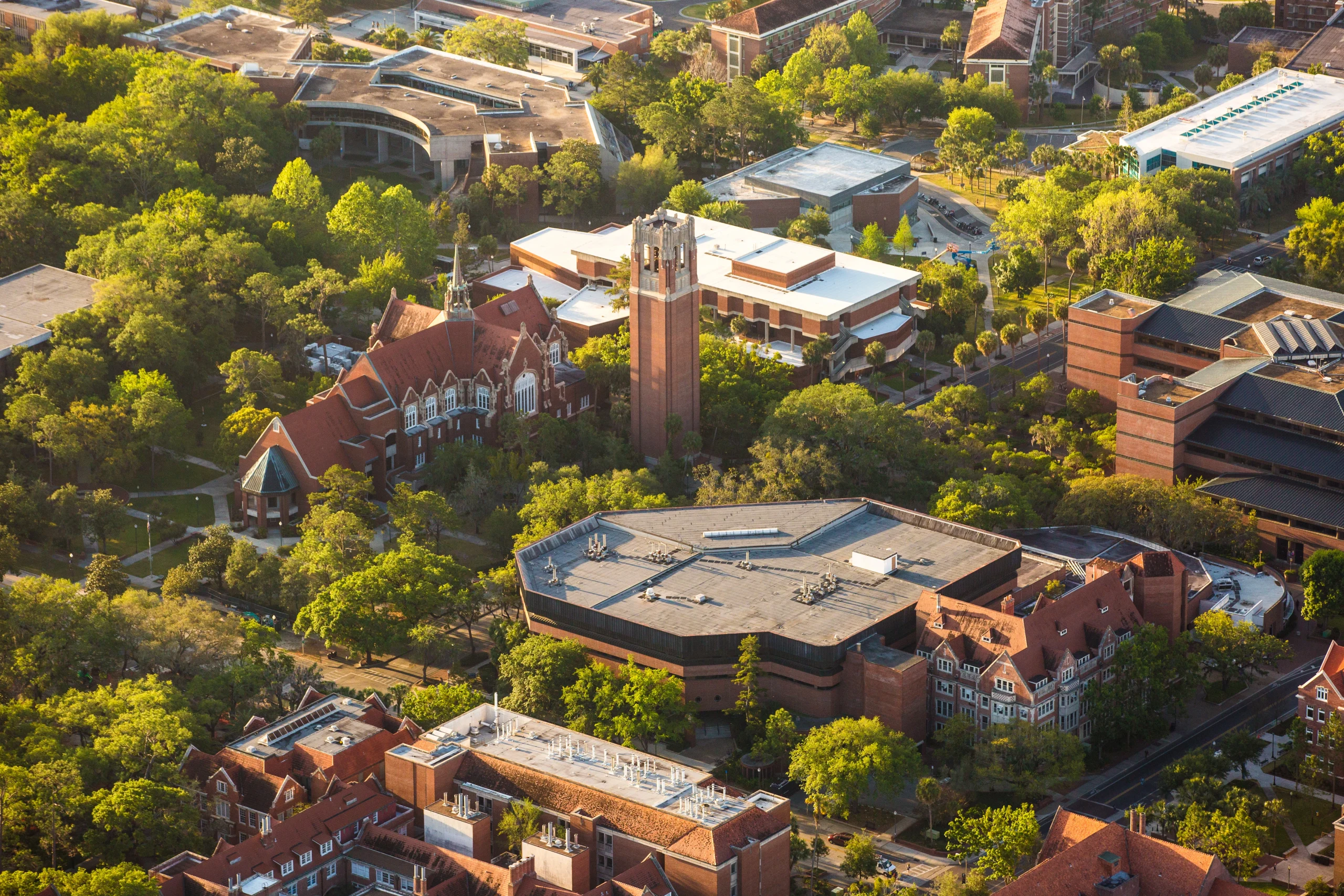
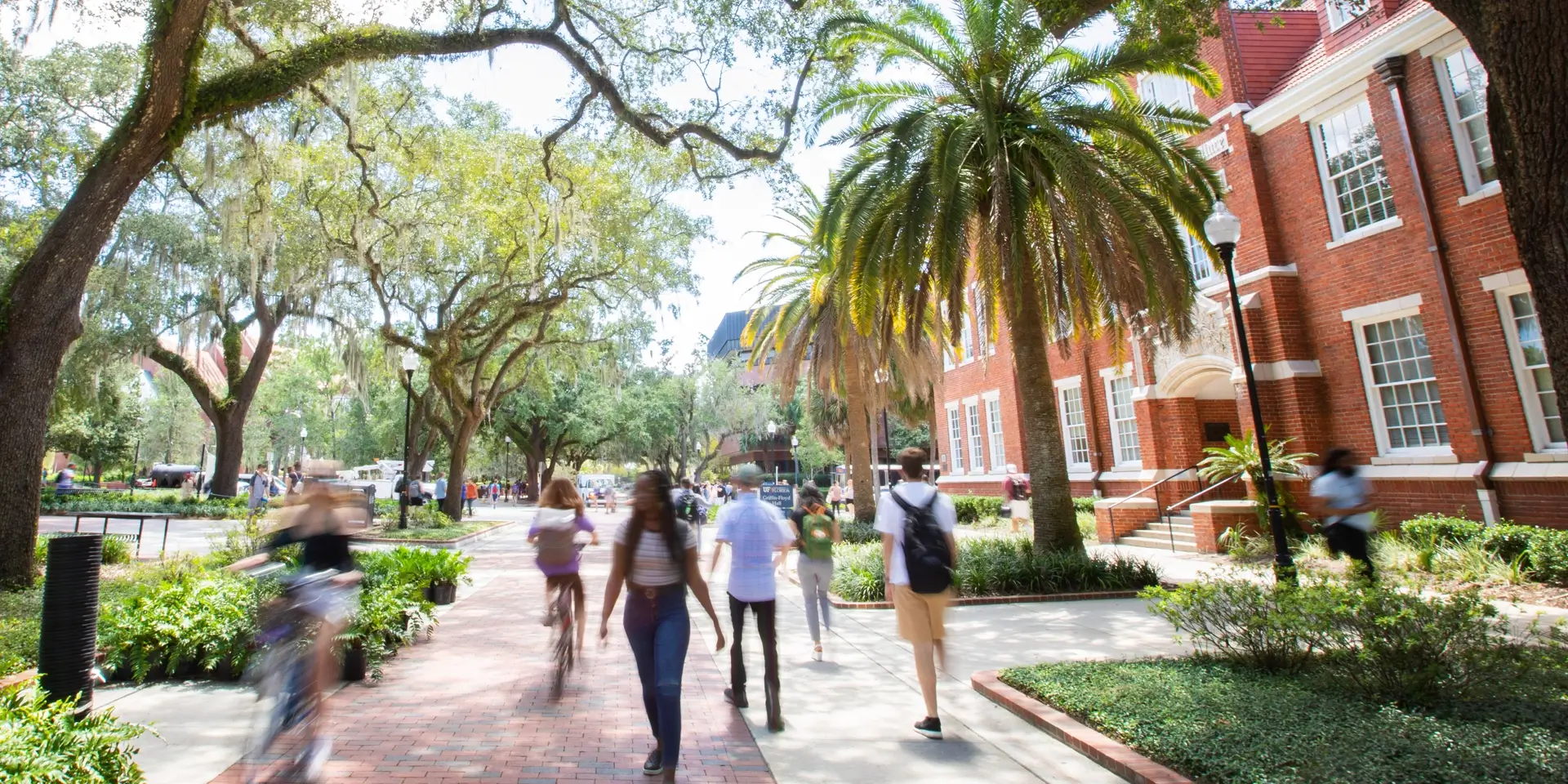
Unlike some private institutions with more restrictive access, the University of Florida campus generally welcomes visitors to explore its grounds, admire its historic architecture, and utilize many of its public spaces. Travelers can stroll through the picturesque University of Florida Campus, visit various departmental buildings, and enjoy the green spaces without needing special permission. The public nature fosters an environment where visitors can truly get a feel for the academic and student life, whether they’re prospective students, alumni, or simply curious tourists. Parking, while sometimes challenging during peak academic hours or major events, is generally available in designated visitor lots, further supporting accessibility.
Events, Arts, and Sports for the Public
One of the most appealing aspects of a public university for travelers is the sheer volume and variety of public events. The University of Florida is renowned for its vibrant cultural and athletic scene, much of which is open to the public.
Sporting Spectacles
As home to the Florida Gators, the university hosts NCAA Division I athletic events that draw thousands of fans. Attending a football game at Ben Hill Griffin Stadium (affectionately known as “The Swamp”), a basketball game at the Stephen C. O’Connell Center, or a baseball game at Condron Family Ballpark is an quintessential Gainesville experience. The public nature of the university ensures that tickets are available for purchase by anyone, making it a key attraction for sports enthusiasts visiting Florida.
Cultural Enrichment
Beyond sports, the University of Florida is a powerhouse of arts and culture. The Phillips Center for the Performing Arts regularly hosts national and international touring acts, from Broadway shows to world-class musicians. The Harn Museum of Art showcases impressive collections ranging from African to modern art, offering free admission to the public. Similarly, the Florida Museum of Natural History, also located on campus, provides engaging exhibits on the state’s natural and cultural heritage, including the popular Butterfly Rainforest, often with free general admission. These cultural institutions are not exclusive academic enclaves but are designed to educate and entertain the broader community and its visitors.
University of Florida’s Impact on Gainesville as a Destination
The University of Florida’s public status is not just about internal operations; it profoundly shapes Gainesville itself, transforming it into a dynamic and appealing destination. The synergy between the university and the city creates a unique environment that draws various types of travelers.
Economic Contributions and Local Vibrancy
As a major public institution, the University of Florida is one of the largest employers in Gainesville and a significant economic driver for North Central Florida. Its presence supports a thriving ecosystem of restaurants, shops, and entertainment venues that cater to both the student population and visitors. The influx of students, faculty, and staff, along with alumni and sports fans, keeps the city vibrant year-round. This economic activity translates into a robust tourism infrastructure, with a wide array of accommodation options, diverse dining experiences, and a lively downtown area that complements the academic environment. Travelers benefit from the amenities and services that have developed to support such a large and active university community.
Research, Innovation, and State Pride
The University of Florida’s role as a public research university means it is at the forefront of innovation in various fields, from agriculture and medicine to engineering and environmental science. While some research may seem abstract to the casual traveler, its impact is felt throughout the state. Discoveries made here contribute to Florida’s economy, health, and sustainability, fostering a sense of state pride that resonates with residents and visitors alike. This reputation for excellence further burnishes the university’s image as a destination, drawing academics, professionals, and curious minds to Gainesville for conferences, collaborations, or simply to be near a hub of intellectual activity.
Planning Your Visit to the University of Florida
For travelers keen on experiencing what the University of Florida has to offer, understanding its public status simplifies planning and enhances the visit.
Exploring the Campus and Surrounding Areas
Visitors are encouraged to explore the University of Florida Campus. Consider a self-guided walking tour to admire the Spanish Revival architecture, the serene Lake Alice, and the iconic Century Tower. Maps are usually available at visitor centers or online. Beyond the main campus, the surrounding areas of Gainesville offer a youthful and dynamic atmosphere, with numerous cafes, bookstores, and boutiques that cater to the university crowd. The city’s extensive network of parks and natural areas, like the Paynes Prairie Preserve State Park, are also easily accessible and provide excellent opportunities for outdoor recreation.

Nearby Attractions and Accommodation
Being a public university deeply integrated into its city, the University of Florida benefits from a strong support system of local attractions and accommodation. Travelers can find a range of hotels and guesthouses both near the campus and in Downtown Gainesville, suitable for various budgets. Many establishments are accustomed to hosting university visitors, whether they are attending orientation, a sporting event, or an academic conference. The city’s public transportation system also provides convenient access to and from the campus, connecting it with other key areas of interest in Gainesville.
In conclusion, the University of Florida is unequivocally a public university, and this status is a significant asset for any traveler visiting Gainesville. It guarantees an institution deeply committed to public access, community engagement, and a rich array of cultural, athletic, and intellectual experiences that are open and welcoming to all who venture to this vibrant corner of Florida.
LifeOutOfTheBox is a participant in the Amazon Services LLC Associates Program, an affiliate advertising program designed to provide a means for sites to earn advertising fees by advertising and linking to Amazon.com. Amazon, the Amazon logo, AmazonSupply, and the AmazonSupply logo are trademarks of Amazon.com, Inc. or its affiliates. As an Amazon Associate we earn affiliate commissions from qualifying purchases.