
The Colorado River is more than just a waterway; it’s the lifeblood of the American Southwest, a ribbon of azure and emerald carving its way through some of the most spectacular landscapes on Earth. From its humble beginnings high in the Rocky Mountains to its historically grand, yet now often elusive, terminus in the Gulf of California, this iconic river tells a story of geological wonder, human ingenuity, and the intricate balance of nature. For travelers, adventurers, and those seeking to understand the natural history of the continent, tracing the Colorado River’s journey is an unparalleled experience, weaving through national parks, vibrant cities, and serene desert oases. This article will embark on a comprehensive exploration of the Colorado River’s complete traverse, highlighting its majestic course, the incredible landmarks it defines, and the rich tapestry of travel and tourism opportunities it presents along its historic path.

The Genesis: A Mountainous Birthplace in the Rockies
The epic journey of the Colorado River commences not with a roaring cascade, but with a gentle trickle high above the timberline in the northern reaches of Colorado. Its true source is often pinpointed at La Poudre Pass in Rocky Mountain National Park, where snowmelt and glacial runoff collect at an elevation of over 10,100 feet (approximately 3,078 meters). This pristine, rugged environment, characterized by alpine tundra, subalpine forests, and a dramatic skyline, provides the nascent river with its initial sustenance.
The Rocky Mountain National Park area, a designated UNESCO Biosphere Reserve, is a testament to the raw beauty of the American West. Here, the river starts its descent, flowing southwest through narrow valleys and lush meadows. This segment of the Colorado River is often overlooked by tourists rushing to its more famous downstream sections, but it offers a unique, tranquil experience. Visitors to this region can enjoy serene hiking trails, abundant wildlife viewing opportunities – from elk to bighorn sheep – and a profound sense of connection to nature. Accommodation options range from rustic campgrounds within the park to charming cabins and boutique hotels in nearby gateway towns like Grand Lake and Estes Park. These early stretches, far from the dams and development that mark its later course, offer a glimpse into the river’s wild, untamed spirit, making them an ideal destination for those seeking a peaceful, immersive natural experience before the river gathers its strength.
From Trickle to Torrent: The Upper Colorado’s Early Descent
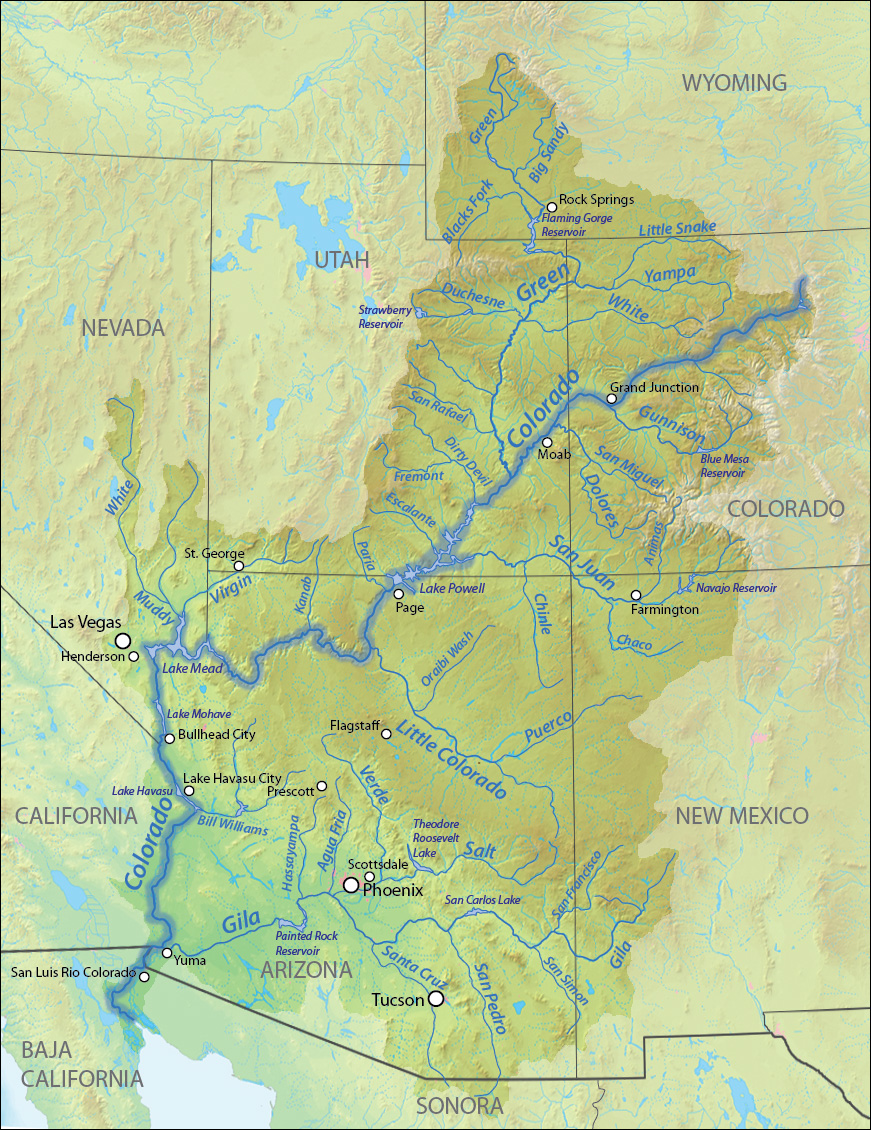
As the Colorado River descends from its mountainous birthplace, it begins to gain volume and velocity, fed by numerous tributaries winding through the scenic landscapes of Colorado. The initial hundreds of miles see the river transform from a high-altitude stream into a significant waterway, carving through the Colorado Plateau. This upper basin, encompassing parts of Colorado, Utah, Wyoming, and New Mexico, is a land of vibrant geology, where erosion has sculpted canyons, mesas, and buttes into otherworldly forms.
Popular spots along this section include the scenic canyons near Glenwood Springs, where hot springs provide a luxurious respite after a day of rafting or hiking. Moab, Utah, often hailed as the adventure capital of the Southwest, sits on the banks of the Colorado River and serves as a gateway to Arches National Park and Canyonlands National Park. Here, travelers can embark on thrilling white-water rafting expeditions, explore world-class mountain biking trails, or enjoy breathtaking scenic drives. Accommodation in Moab ranges from family-friendly hotels and motels to upscale resorts and vacation rentals, catering to all types of lifestyles and budgets. The unique red rock formations, combined with the river’s presence, create a dramatic backdrop for countless outdoor activities, drawing visitors from across the globe to experience its raw beauty.
The Mighty Middle: Carving Through Iconic Landscapes
The middle section of the Colorado River is arguably its most famous, where its powerful waters have spent millennia sculpting some of the planet’s most recognizable and breathtaking natural landmarks. This segment sees the river flow through Utah and Arizona, showcasing an awe-inspiring display of geological history and human engineering.
Undoubtedly, the crown jewel of this journey is the Grand Canyon National Park. Here, the Colorado River has carved a chasm roughly 277 miles (446 km) long, up to 18 miles (29 km) wide, and over a mile (1.6 km) deep, revealing billions of years of Earth’s history in its stratified rock layers. Experiencing the Grand Canyon is a bucket-list item for many, offering perspectives from its North and South Rims, adventurous hikes into its depths, and exhilarating white-water rafting trips along the river itself. Accommodation within the park includes historic lodges like the El Tovar Hotel and Bright Angel Lodge, providing visitors with unique opportunities for an immersive stay amidst the canyon’s grandeur. For those preferring luxury travel, nearby resorts offer upscale amenities and stunning views.
Further downstream, the river’s power has been harnessed by monumental engineering feats that have profoundly shaped the American West. The Glen Canyon Dam, near Page, Arizona, impounds the river to create Lake Powell, a vast reservoir with nearly 2,000 miles of shoreline. This emerald lake, nestled amidst towering red rock formations, is a haven for houseboating, kayaking, and watersports, offering a unique blend of adventure and relaxation. The nearby Antelope Canyon and Horseshoe Bend are other iconic natural attractions that draw millions, creating a vibrant tourism economy in the area. Page offers a range of hotels and lodges, making it a convenient base for exploring these natural wonders.

Continuing its journey, the Colorado River enters Nevada, where another colossal structure, the Hoover Dam, stands as a testament to human engineering prowess. Completed during the Great Depression, this massive concrete arch-gravity dam created Lake Mead, the largest reservoir in the United States by volume (though currently facing severe drought challenges). The Hoover Dam is a major tourist attraction, offering guided tours that delve into its history and engineering. Its proximity to Las Vegas, just a short drive away, means visitors can combine an educational tour of this historic landmark with the vibrant nightlife and luxury accommodations of one of the world’s premier entertainment destinations. From the architectural marvels of Las Vegas hotels and resorts to the tranquil beauty of Lake Mead and the sheer scale of the Grand Canyon, this segment of the river’s course is a journey through contrasts, showcasing both nature’s grandeur and humanity’s transformative power.
A Lifeline for the Southwest: Water, Power, and Recreation
The Colorado River’s importance extends far beyond its scenic beauty; it is a critical resource for over 40 million people across seven U.S. states (Colorado, Wyoming, Utah, Nevada, Arizona, California, and New Mexico) and two Mexican states (Baja California and Sonora). The dams along its course provide hydroelectric power, irrigate millions of acres of farmland, and supply drinking water to major metropolitan areas like Los Angeles, Phoenix, and San Diego.
This extensive river system supports a diverse range of recreational activities, catering to various lifestyles. White-water rafting on the Colorado is legendary, with trips ranging from half-day excursions suitable for families to multi-day expeditions through the Grand Canyon. For those seeking a more relaxed experience, scenic boat tours on Lake Mead or Lake Powell offer unparalleled views of the desert landscape. Fishing, kayaking, paddleboarding, and waterskiing are also popular pastimes. The river corridor is also a vital flyway for migratory birds, making it a hotspot for birdwatching and eco-tourism.
Around these major reservoirs and river towns, accommodation choices abound. From luxury resorts offering spa services and gourmet dining, such as the Hyatt Regency Lake Tahoe Resort, Spa and Casino (though Lake Tahoe is not on the Colorado River, similar luxury options exist near it), to budget-friendly hotels and RV parks, there’s something for every traveler. Many resorts along the river cater to family trips, offering kid-friendly amenities and activities, while others focus on providing a serene escape for couples or a convenient base for business stays. The tourism sector thrives on the river’s natural and engineered wonders, ensuring that visitors have access to a wide array of services and experiences.
The Delta and Demise: An Arid Conclusion in Mexico
Historically, the Colorado River’s journey culminated in a sprawling, verdant delta at the head of the Gulf of California, also known as the Sea of Cortez, in Mexico. This immense estuary, once teeming with life, covered nearly 3,000 square miles (7,770 square km) and supported a rich ecosystem of unique flora and fauna, including millions of migratory birds and diverse marine species. It was a place where the fresh water of the river met the salty embrace of the ocean, creating a vibrant ecological transition zone.
However, the intensive demands placed upon the river for agriculture, hydroelectric power, and municipal water supply throughout its course have drastically altered its final act. Today, the Colorado River rarely reaches the Gulf of California as a flowing body of water. Most of its volume is diverted upstream, leaving only a dry, dusty riverbed for the last 100 miles or so of its historic path through the Sonoran Desert in Mexico. This environmental transformation is a stark reminder of the challenges facing shared water resources in arid regions.
Efforts are underway, through international agreements and conservation initiatives, to periodically release “pulse flows” of water into the delta to try and restore some of its ecological function. These efforts, though modest compared to the delta’s historical grandeur, highlight a growing awareness of the need for ecological restoration and sustainable water management. For those interested in eco-tourism and environmental conservation, visiting the remnants of the Colorado River Delta offers a poignant perspective on human impact and resilience. While traditional tourism infrastructure is less developed in this arid region compared to the upstream attractions, visitors can engage with local communities and learn about ongoing conservation efforts.
The story of the Colorado River’s end is a complex one, reflecting the delicate balance between human needs and environmental preservation. It serves as a powerful case study for the entire Colorado River Basin, urging a lifestyle of conscious consumption and appreciation for natural resources. The delta, though diminished, still holds ecological significance and represents a critical piece of the river’s complete narrative, reminding us of its immense historical presence and the ongoing challenges of its future.
The Enduring Legacy and Future of a Legendary River
The journey of the Colorado River, from its icy alpine origins to its parched desert delta, is a compelling narrative of geography, geology, and human civilization. It is a river that has shaped the landscape, supported civilizations for millennia, and continues to be a central feature of travel, tourism, and lifestyle in the American Southwest. Its waters have carved majestic canyons, filled vast reservoirs that draw millions of visitors for recreation, and provided the sustenance for booming cities and agricultural empires.
For those planning to explore its wonders, the Colorado River offers a diverse range of experiences. Whether seeking the solitude of its headwaters in Rocky Mountain National Park, the adrenaline rush of white-water rafting through the Grand Canyon, the relaxation of a houseboat vacation on Lake Powell, or a luxurious stay in a resort overlooking Lake Mead near Las Vegas, the river provides countless opportunities for adventure and discovery. The region’s vibrant local culture, diverse food scenes, and a plethora of activities ensure that every traveler finds their perfect itinerary. From budget travel options like camping and hostels to high-end hotels and villas, accommodation along the river’s path is as varied as the landscapes it traverses.
The Colorado River stands as a monument to nature’s power and a symbol of critical environmental stewardship. Its story is not just about where it begins and ends, but about the incredible journey it takes, the lives it touches, and the enduring inspiration it provides. As visitors flock to its shores and canyons, they become part of its ongoing narrative, bearing witness to its beauty, understanding its challenges, and appreciating its irreplaceable role in the fabric of the American West. The preservation and sustainable management of this incredible natural landmark remain paramount, ensuring that future generations can continue to embark on their own journeys along the course of the mighty Colorado.
LifeOutOfTheBox is a participant in the Amazon Services LLC Associates Program, an affiliate advertising program designed to provide a means for sites to earn advertising fees by advertising and linking to Amazon.com. Amazon, the Amazon logo, AmazonSupply, and the AmazonSupply logo are trademarks of Amazon.com, Inc. or its affiliates. As an Amazon Associate we earn affiliate commissions from qualifying purchases.