
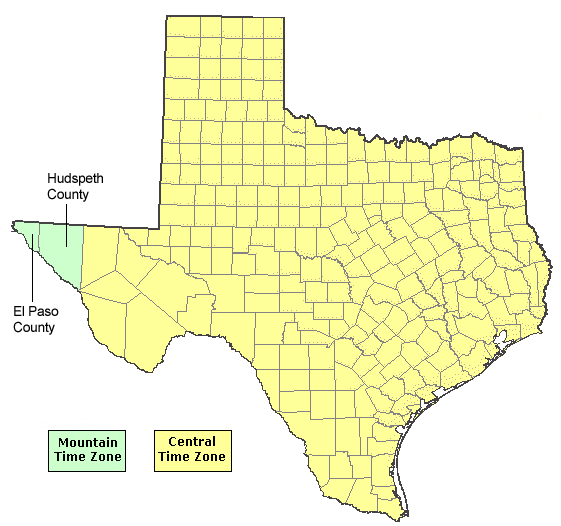
Yes, Dallas, Texas operates on Central Time (CT). For anyone planning a trip, considering a move, or conducting business with this vibrant United States city, understanding its time zone is fundamental. This crucial piece of information impacts everything from flight schedules and hotel bookings to coordinating business meetings and planning leisure activities, ensuring a smooth and enjoyable experience. Whether you’re flying in from the East Coast, the West Coast, or an international destination, knowing that Dallas observes Central Time is the first step in navigating your journey effectively.
Understanding Dallas’s Time Zone
Dallas proudly sits within the Central Time Zone, a region spanning a large portion of the central United States, parts of Canada, and Mexico. This designation means its local time is typically six hours behind Coordinated Universal Time (UTC) during standard time, and five hours behind during daylight saving time.
Central Standard Time (CST) and Central Daylight Time (CDT)
Like most of the United States, Dallas observes Daylight Saving Time. This means the city experiences two distinct periods regarding its time zone throughout the year:
- Central Standard Time (CST): From early November to mid-March, Dallas operates on CST, which is UTC-6. During this period, clocks are “set back” one hour, aligning with the standard astronomical time for its longitude.
- Central Daylight Time (CDT): From mid-March to early November, the city switches to CDT, which is UTC-5. Clocks are “sprung forward” one hour to make better use of natural daylight, shifting an hour of daylight from the morning to the evening.
For travelers, this seasonal shift is incredibly important. A flight arriving in March could experience a time change mid-air, while a business meeting scheduled for early November needs careful confirmation of the precise time zone. Always double-check your dates and ensure your devices automatically update to the correct local time.
Geographical Context and Implications
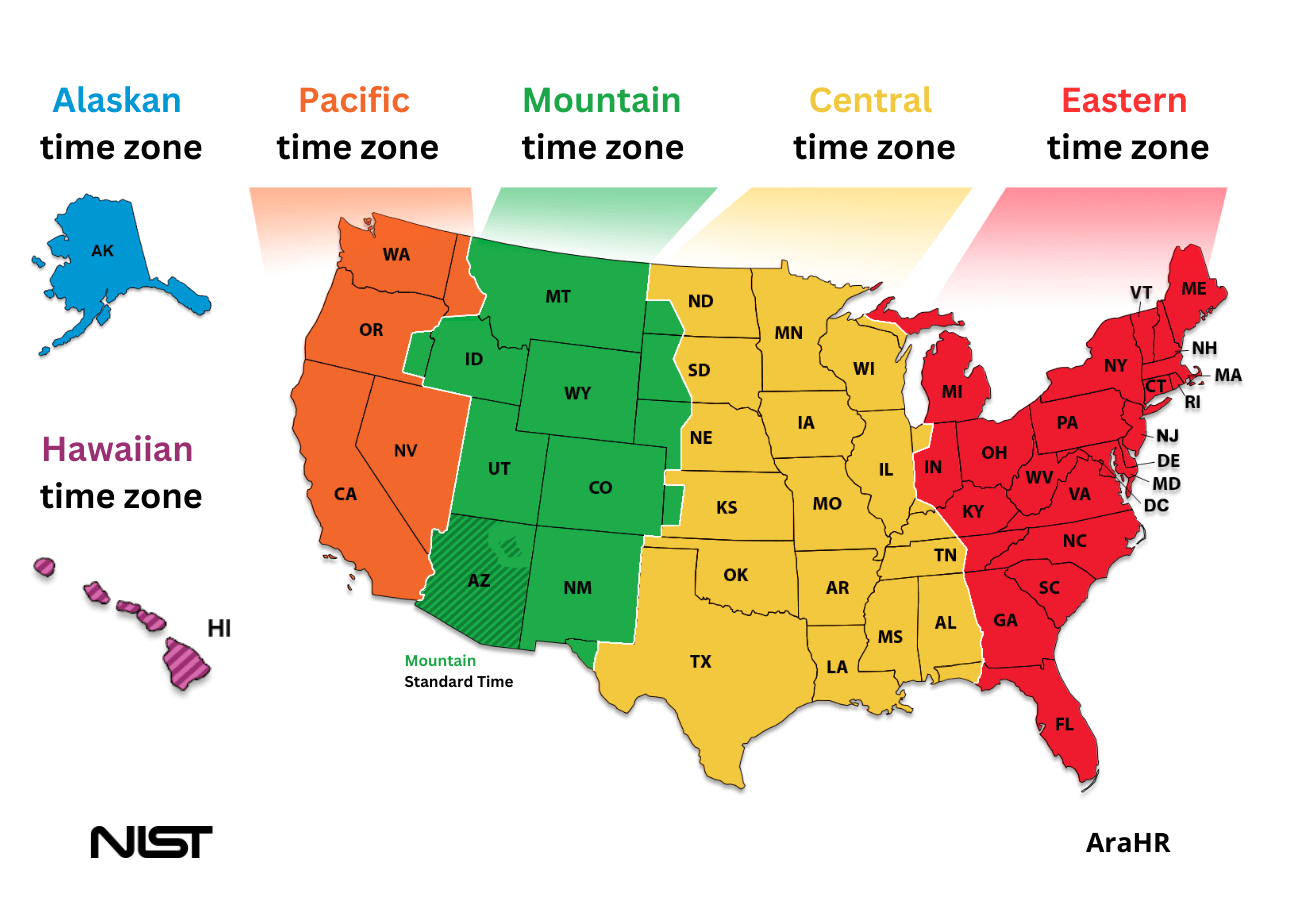
The Central Time Zone encompasses a vast geographical area, including states like Texas, Oklahoma, Kansas, Nebraska, Iowa, Missouri, Arkansas, Louisiana, Mississippi, Illinois, Wisconsin, Minnesota, and parts of Michigan, Indiana, Kentucky, and Tennessee. This wide expanse means that business communications, travel plans, and even simple phone calls across state lines often remain within the same time zone, simplifying coordination compared to crossing into Eastern or Mountain Time.
For Dallas specifically, its central location within the United States makes it a significant hub for travel, commerce, and tourism. Being in Central Time allows for relatively convenient scheduling with both East Coast (one hour ahead) and West Coast (two hours behind) cities. This strategic positioning contributes to Dallas’s prominence as a national and international gateway, supporting its bustling airport, thriving business districts, and vibrant tourism industry.
Planning Your Trip: Time Zone Considerations for Travelers
When planning a visit to Dallas, accounting for Central Time is paramount for a smooth and enjoyable experience. From booking flights to scheduling your itinerary, every detail can be impacted by time zone differences, especially for those traveling long distances.
Flights, Layover, and Jet Lag
For many travelers, the biggest impact of time zones is felt during air travel. Dallas/Fort Worth International Airport (DFW) is one of the busiest airports in the world, serving millions of passengers annually.
- Arrivals: If you’re flying from the East Coast, you’ll effectively “gain” an hour upon arrival in Dallas, which can be a pleasant surprise. Conversely, those flying from the West Coast will “lose” two hours. International travelers will need to calculate their specific time difference from UTC or GMT to Dallas’s Central Time.
- Departures: When departing Dallas for the East Coast, remember you’ll effectively lose an hour upon arrival. Heading west will see you gaining time.
- Layovers: Be meticulous when reviewing layover times, especially if your journey involves crossing multiple time zones. A quick layover might become tighter if you miscalculate the time difference between your origin, connecting airport, and final destination.
- Jet Lag: Traveling across time zones, particularly from east to west or vice-versa, can lead to jet lag. Arriving in Dallas from the East Coast typically results in less severe jet lag as you’re moving “backwards” in time. However, coming from the West Coast or international destinations can cause more noticeable effects. Strategies to mitigate jet lag include adjusting your sleep schedule gradually before departure, staying hydrated, avoiding excessive caffeine and alcohol, and trying to adapt to local time as soon as you arrive.
Business and Leisure Scheduling
For business travelers, understanding the Central Time Zone is non-negotiable. Meetings, conference calls, and deadlines must be precisely coordinated to avoid costly errors. A 9 AM meeting in Dallas is 10 AM in New York City and 7 AM in Los Angeles. This difference can influence everything from optimal booking times for corporate suites to the availability of meeting rooms.
Leisure travelers also benefit greatly from this awareness. Imagine booking tickets for a matinee show at the Winspear Opera House or a timed entry to the Dallas World Aquarium. A slight miscalculation could mean missing your slot or arriving too early. When booking tours, restaurant reservations, or checking attraction operating hours, always confirm they are listed in Dallas local time. This attention to detail ensures your precious vacation time is spent enjoying the city rather than dealing with scheduling mishaps.
Experiencing Dallas: Attractions, Hotels, and Local Life
Dallas offers a rich tapestry of experiences, from world-class museums and historic landmarks to vibrant dining scenes and luxury shopping. The city’s Central Time Zone influences how both residents and visitors experience these facets of local life.
Top Dallas Landmarks and Their Best Visiting Times
Many of Dallas’s premier attractions are best enjoyed with time in mind. For instance, the Sixth Floor Museum at Dealey Plaza, which chronicles the assassination of President John F. Kennedy, opens its doors in the morning. Arriving shortly after opening hours (e.g., 10 AM CT) can help avoid peak crowds, allowing for a more reflective and immersive experience. Similarly, ascending the Reunion Tower for panoramic city views is spectacular at sunset. Knowing the precise sunset time in Dallas (which changes with daylight saving) allows you to book your visit to the GeO-Deck perfectly, transforming your casual sightseeing into an unforgettable memory.
The Dallas Arts District, home to the Dallas Museum of Art and the Nasher Sculpture Center, often hosts evening events and late openings. Checking their schedules in local CT ensures you don’t miss out on special exhibitions or performances. Even exploring outdoor spaces like Klyde Warren Park is enhanced by understanding the time; morning visits are cooler for walks and yoga, while afternoon sees more food trucks and families.
Accommodation Choices and Time Zone Impact
Accommodation in Dallas ranges from luxurious downtown hotels to cozy boutique stays and extended-stay apartments. The time zone directly affects booking and check-in/check-out procedures. Most hotels, such as the Omni Dallas Hotel or the Hyatt Regency Dallas, adhere strictly to local Dallas time for these operations. If you’re arriving on an early morning flight from the West Coast, you might find yourself in Dallas a few hours earlier than your body clock expects, potentially leading to an early arrival at your hotel before standard check-in. It’s always wise to inform your hotel of an early arrival if possible, or consider booking an extra night if you need immediate access to your room.
Conversely, if you’re departing Dallas on a late flight, checking out by 11 AM or 12 PM CT is standard. Hotels may offer late check-out options for an additional fee, or provide luggage storage. For business travelers utilizing extended-stay options or serviced apartments, coordinating services like cleaning or concierge assistance will always be based on local Central Time. Understanding these nuances helps avoid unnecessary stress and ensures a smooth transition into and out of your accommodation.
Navigating Time Across the United States and Beyond
While Dallas resides firmly in the Central Time Zone, effective travel and communication often require an understanding of how time shifts across other regions. This broader perspective is especially valuable for those frequently traveling across the United States or engaging with international partners.
Traveling East and West
The contiguous United States is divided into four main time zones: Eastern, Central, Mountain, and Pacific.
- Eastern Time (ET): One hour ahead of Central Time. Major cities include New York City, Miami, and Atlanta.
- Central Time (CT): This is Dallas’s zone.
- Mountain Time (MT): One hour behind Central Time. Cities like Denver and Phoenix (which largely doesn’t observe Daylight Saving Time) fall into this zone.
- Pacific Time (PT): Two hours behind Central Time. Major metropolitan areas include Los Angeles, San Francisco, and Seattle.
For example, if it’s 3 PM in Dallas (CT), it’s 4 PM in Chicago (ET, not correct, Chicago is CT) – correction: if it’s 3 PM in Dallas (CT), it’s 4 PM in New York City (ET), 2 PM in Denver (MT), and 1 PM in Los Angeles (PT). This one-hour increment makes calculating time differences relatively straightforward within the continental United States. However, the addition of Daylight Saving Time means that locations that do not observe it (like most of Arizona) can temporarily shift their relationship to Dallas time.
International travelers will deal with much larger time differences. London, for instance, is typically six hours ahead of Dallas (during CDT, it’s 6 hours ahead; during CST, it’s 7 hours ahead, assuming London is on BST/GMT). A 9 AM meeting in Dallas would be 3 PM or 4 PM in London, requiring careful planning for transatlantic communications.
Tips for Time Zone Management
- Always Confirm Local Times: When making reservations, booking flights, or scheduling calls, explicitly ask for the time in “Dallas time” or “Central Time” to avoid ambiguity.
- Use World Clock Apps: Many smartphone apps and online tools provide accurate world clocks that automatically account for Daylight Saving Time. These are invaluable for managing multiple time zones.
- Set Device Clocks to Automatic: Ensure your smartphone, laptop, and other devices are set to automatically update their time zone, which typically uses network data or GPS to determine the correct local time upon arrival.
- Prioritize Sleep: When traveling, especially across multiple time zones, prioritize getting enough sleep. A well-rested traveler is better equipped to adjust to new time zones and enjoy their trip.
- Adapt Quickly: Try to adopt the local time as soon as you arrive. Eat meals at local times, try to stay awake during the day, and sleep at night, even if it feels unnatural initially.
- Communicate Clearly: For business, always specify the time zone when scheduling meetings or deadlines (e.g., “10 AM CT” or “3 PM London Time”). This simple habit can prevent misunderstandings.
In conclusion, Dallas, Texas is indeed in the Central Time Zone, and recognizing this fact is fundamental to seamless travel, efficient business, and an enriching exploration of the city. By understanding the intricacies of CST and CDT, and applying smart time management strategies, you can ensure your visit to Dallas is as organized and enjoyable as possible, allowing you to fully immerse yourself in all the wonders this dynamic city has to offer.
LifeOutOfTheBox is a participant in the Amazon Services LLC Associates Program, an affiliate advertising program designed to provide a means for sites to earn advertising fees by advertising and linking to Amazon.com. Amazon, the Amazon logo, AmazonSupply, and the AmazonSupply logo are trademarks of Amazon.com, Inc. or its affiliates. As an Amazon Associate we earn affiliate commissions from qualifying purchases.