
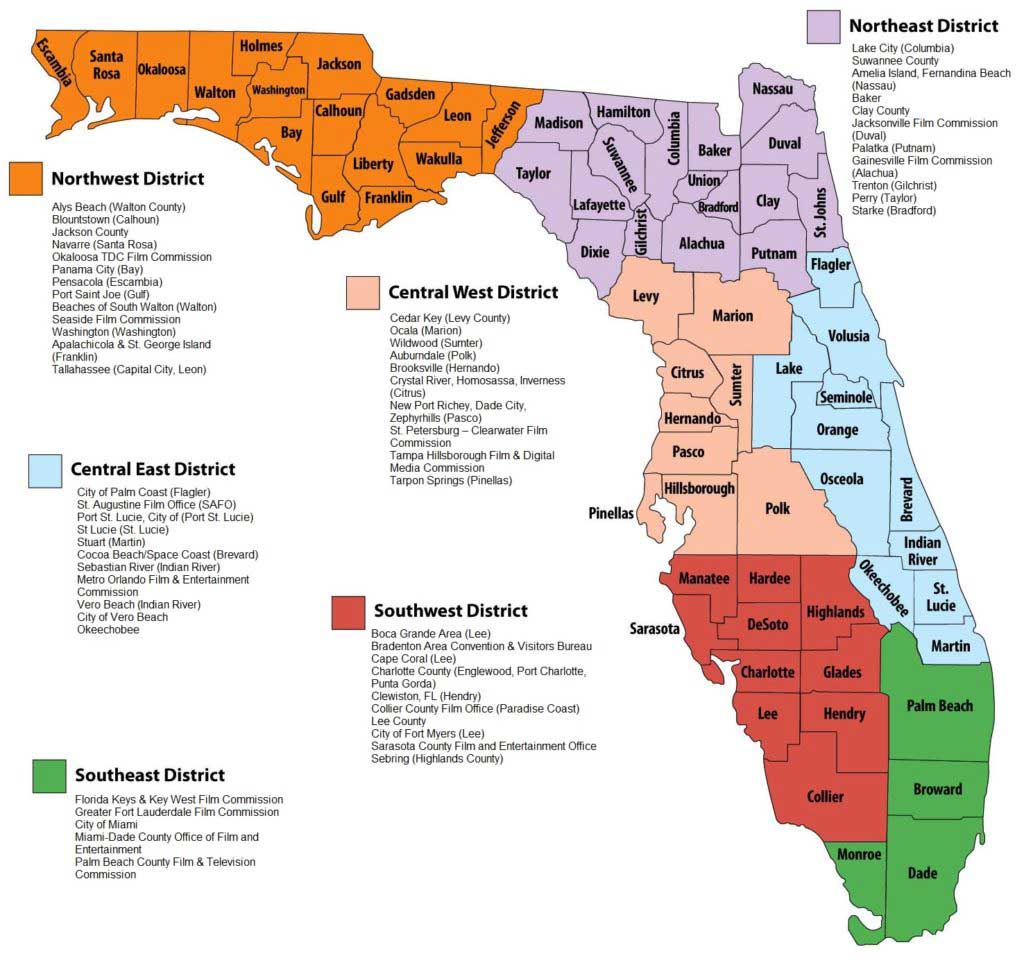
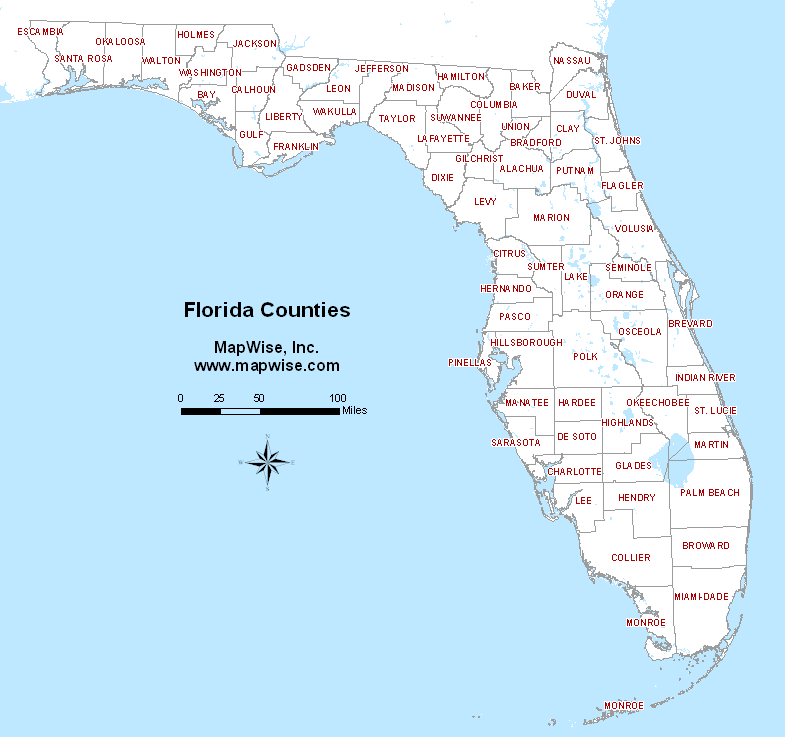
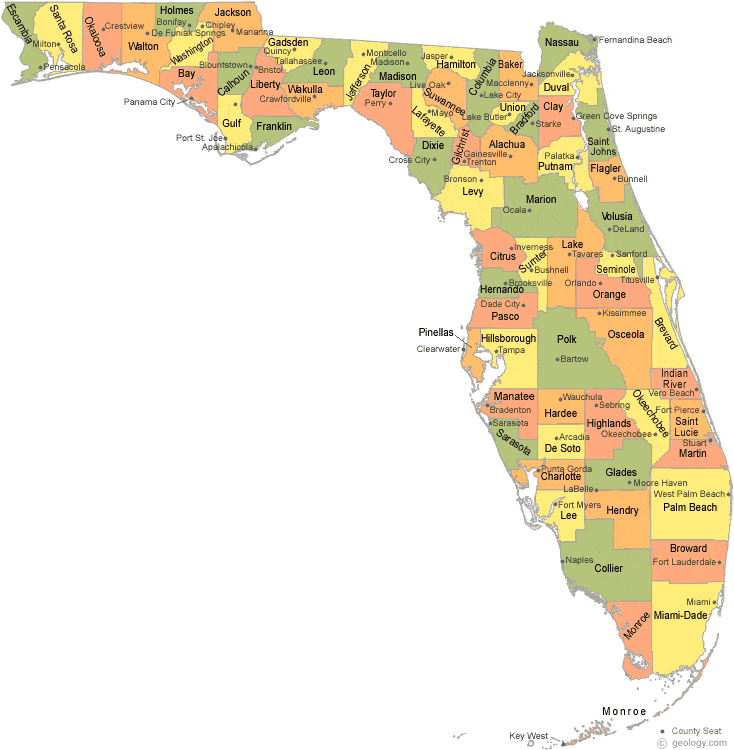
The question “What county is Florida in?” often stems from a common misconception, particularly for those unfamiliar with the United States’ geographical organization. To clarify, Florida is not a county; it is a sovereign state, one of the 50 states that comprise the U.S. As such, Florida contains counties within its borders, rather than being contained within a larger county itself. Understanding this fundamental distinction is the first step toward appreciating the vast and diverse travel experiences the Sunshine State offers, as its distinct regions and 67 counties each boast unique attractions, cultures, and landscapes.
Understanding Florida’s Unique Geography: A State of Its Own
Florida’s identity as a peninsula stretching into the Atlantic Ocean and the Gulf of Mexico defines much of its appeal as a premier travel destination. Its unique position influences everything from its tropical climate to its rich biodiversity and distinct cultural blend.
The Sunshine State Defined
Florida is bordered by Georgia and Alabama to the north, the Atlantic Ocean to the east, and the Gulf of Mexico to the west. This geographical layout provides it with thousands of miles of coastline, making beaches a central feature of its tourism industry. Beyond the sun-drenched shores, Florida’s interior offers a surprising array of landscapes, from the sprawling wetlands of the Everglades National Park to the expansive pine forests and freshwater springs of its northern and central regions. Its political structure as a state grants it its own governor, state legislature, and judicial system, operating independently of any county jurisdiction.
Dispelling the Misconception
The idea of a state being “in” a county is a reversal of the actual administrative hierarchy in the U.S. Counties are administrative subdivisions of a state, created to help manage local governance, law enforcement, and public services more efficiently across a state’s territory. Florida is divided into 67 such counties, each with its own county seat and local government, catering to the specific needs and characteristics of its residents and contributing to the diverse tapestry of the state. For travelers, understanding these county divisions is key to planning itineraries that capture the essence of different Florida experiences, from the historic streets of St. Augustine in St. Johns County to the vibrant nightlife of Miami Beach in Miami-Dade County.
The Tapestry of Florida’s 67 Counties: A Traveler’s Guide
Each of Florida’s 67 counties offers a distinct flavor, shaping the state into a mosaic of travel opportunities. Grouping these counties into broader regions helps travelers understand the prevailing themes and attractions.
North Florida’s Historic Charms and Natural Beauty
North Florida encompasses the Panhandle and the upper reaches of the peninsula, characterized by rolling hills, historic cities, and a more Southern cultural influence. Duval County, home to Jacksonville, offers urban attractions and access to the St. Johns River. Leon County is where the state capital, Tallahassee, resides, rich in history and live oak-lined streets. Further east, St. Johns County boasts St. Augustine, the nation’s oldest continuously inhabited European-established settlement, complete with the imposing Castillo de San Marcos and Ponce de Leon’s Fountain of Youth Archaeological Park. Coastal counties like Nassau County offer the tranquil shores of Amelia Island. Inland, Alachua County is home to the vibrant college town of Gainesville and numerous freshwater springs, while Marion County features the expansive Ocala National Forest, ideal for outdoor adventurers. Along the Panhandle, Escambia County includes Pensacola, offering military history and pristine beaches, while Okaloosa County and Bay County are famous for Destin and Panama City Beach respectively, known for their “Emerald Coast” waters and family-friendly resorts.
Central Florida’s Theme Park Magic and Lakes
Central Florida is arguably Florida’s most famous region, primarily due to its world-renowned theme parks. Orange County is the epicenter, hosting Orlando and a significant portion of Walt Disney World Resort and Universal Orlando Resort, as well as SeaWorld Orlando along International Drive. Neighboring Osceola County, encompassing Kissimmee and parts of Lake Buena Vista, also plays a crucial role in the theme park ecosystem. Further east, Brevard County, known as the Space Coast, is home to the Kennedy Space Center Visitor Complex and Daytona Beach’s legendary motorsport history. Westward, Hillsborough County boasts Tampa, a vibrant city with its own attractions like Busch Gardens Tampa Bay, while Pinellas County offers the award-winning beaches of St. Petersburg and Clearwater. Polk County features LEGOLAND Florida Resort and the natural beauty surrounding Lake Wales.
South Florida’s Beaches, Culture, and Everglades
South Florida is a vibrant mix of urban sophistication, diverse cultures, and unique natural ecosystems. Miami-Dade County is its undisputed heart, with the bustling metropolis of Miami, the iconic South Beach, and cultural enclaves like Little Havana and the Wynwood Walls. To its north, Broward County features Fort Lauderdale, known as the “Venice of America” for its extensive canal system, and Palm Beach County offers the luxurious resorts and upscale shopping of Palm Beach. Inland, parts of these counties border the vast Everglades National Park and Biscayne National Park, offering unparalleled opportunities for wildlife viewing and outdoor adventure.
The Gulf Coast’s Pristine Shores and Laid-back Vibe
While some Gulf Coast counties are in North Florida or Central Florida, the Southwest Florida section of the Gulf Coast deserves special mention. Collier County is home to upscale Naples, known for its fine dining and pristine beaches, and serves as a major gateway to the Everglades National Park and the Ten Thousand Islands. To its north, Lee County features Fort Myers, a popular spot for shelling on Sanibel Island and Captiva Island. Further north, Sarasota County offers cultural attractions and the renowned white sands of Siesta Key Beach. These areas provide a more relaxed and luxurious travel experience compared to the bustling theme park regions.
The Florida Keys: Island Paradise at the Southern Tip
Extending southwest from the tip of the Florida peninsula is the unique chain of islands known as the Florida Keys, all contained within Monroe County. This region offers a distinct island lifestyle, famous for its world-class fishing, diving, and laid-back atmosphere. From Key Largo, home to John Pennekamp Coral Reef State Park, through the scenic drive of the Overseas Highway passing Bahia Honda State Park, to the southernmost point in the continental U.S., Key West, the Keys are a truly unparalleled destination. Further afield, accessible only by boat or seaplane, is Dry Tortugas National Park, a remote cluster of islands with crystal-clear waters and historic Fort Jefferson.
Navigating Florida: How Counties Shape Your Travel Experience
Understanding Florida’s county structure is more than just a geographical exercise; it’s a practical guide for planning diverse and efficient travel itineraries.
Planning by Region: What Each County Cluster Offers
Rather than thinking of Florida as a monolithic entity, travelers can conceptualize their trips based on county clusters. For instance, a family seeking theme park thrills would focus on Orange County and Osceola County. History buffs might prioritize St. Johns County and Leon County. Beach lovers have choices across almost every coastal county, each offering a slightly different vibe, from the lively shores of South Beach in Miami-Dade County to the tranquil, shell-laden beaches of Sanibel Island in Lee County. Recognizing that distinct experiences are often concentrated within specific counties or contiguous county groups allows for more focused and satisfying travel.
Discovering Local Gems Beyond the Main Attractions
While major cities and theme parks garner significant attention, many of Florida’s’s hidden gems are found in its less-traveled counties. Exploring counties like Highlands County around Lake Placid reveals pristine natural beauty and agricultural landscapes, offering a stark contrast to the coastal bustle. Collier County, beyond Naples, provides access to the wild heart of the Everglades. These excursions into lesser-known counties can provide authentic cultural encounters, unique local cuisine, and serene natural settings that define a truly immersive travel experience.
Logistical Considerations: Travel Within and Between Counties
Travelers should be aware of distances between counties, especially in a state as large as Florida. While some attractions are easily accessible from a central county (e.g., Walt Disney World Resort straddles Orange and Osceola Counties), others may require significant travel. For example, journeying from Miami-Dade County to the Panhandle’s Emerald Coast (like Okaloosa County) can take an entire day of driving. Public transportation options also vary greatly by county, with major metropolitan areas like Miami and Orlando offering more robust systems than rural counties. Renting a car is often the most practical way to explore the full breadth of what Florida has to offer, particularly when planning multi-county itineraries.
Key Counties for Diverse Travel Itineraries
To illustrate the diversity, here are a few key counties that stand out as travel destinations:
Miami-Dade County: Urban Excitement and Coastal Beauty
Miami-Dade County is a global hub, offering a fusion of Latin American culture, Art Deco architecture, and world-class beaches. Travelers can explore the vibrant street art of the Wynwood Walls, savor Cuban coffee in Little Havana, or relax on the iconic sands of South Beach. Beyond the city, the county offers gateways to the natural wonders of Biscayne National Park and the eastern edge of the Everglades National Park.
Orange County: The Heart of Theme Parks
Synonymous with magical getaways, Orange County is the primary destination for families and thrill-seekers. Anchored by Orlando, it hosts major attractions like Walt Disney World Resort (partially), Universal Orlando Resort with Universal Studios Florida and Islands of Adventure, and SeaWorld Orlando. The concentration of entertainment, dining, and shopping options on International Drive makes it an easy county to navigate for focused entertainment trips.
Collier County: Gateway to the Everglades and Gulf Coast Luxury
For those seeking a more upscale and nature-focused experience, Collier County on the Southwest Florida coast is ideal. Its jewel, Naples, offers luxury shopping, exquisite dining, and access to pristine Gulf of Mexico beaches. Crucially, Collier County serves as a primary entry point to the western side of the Everglades National Park, allowing for airboat tours and wildlife viewing in this unique wetland ecosystem.
Monroe County: The Unique Allure of the Florida Keys
Stretching over 100 miles, Monroe County encompasses the entire Florida Keys chain, offering an unparalleled tropical island experience within the continental U.S. From the vibrant nightlife and historic charm of Key West to the exceptional snorkeling and diving opportunities at John Pennekamp Coral Reef State Park in Key Largo, Monroe County is a haven for water sports, relaxation, and stunning sunsets.
St. Johns County: History, Beaches, and Old-World Charm
St. Johns County offers a step back in time with St. Augustine, America’s Oldest City. Its narrow cobblestone streets, historic forts like the Castillo de San Marcos, and Spanish colonial architecture provide a rich historical backdrop. Beyond the history, the county also boasts beautiful Atlantic Ocean beaches at St. Augustine Beach and Ponte Vedra Beach, offering a blend of cultural immersion and coastal relaxation.
In conclusion, while Florida is not contained within a county, its 67 distinct counties are the key to unlocking the myriad of travel adventures available across this captivating state. By understanding its geographical and administrative divisions, travelers can more effectively plan trips that cater to their specific interests, whether it’s theme park thrills, historic explorations, serene beach getaways, or immersive natural encounters.
LifeOutOfTheBox is a participant in the Amazon Services LLC Associates Program, an affiliate advertising program designed to provide a means for sites to earn advertising fees by advertising and linking to Amazon.com. Amazon, the Amazon logo, AmazonSupply, and the AmazonSupply logo are trademarks of Amazon.com, Inc. or its affiliates. As an Amazon Associate we earn affiliate commissions from qualifying purchases.