
Navigating the historic streets of a city like Boston presents unique challenges for any traveler, and for those embarking on a journey in an oversized vehicle, these challenges are amplified. The question of whether an Recreational Vehicle (RV) can traverse the city’s vital arteries, particularly its tunnels, is a critical piece of information for any RVer planning a visit. This guide delves into the specifics of Boston tunnels and RV accessibility, ensuring a smoother, safer, and more enjoyable experience for all.
Understanding Boston’s Tunnel Network
Boston’s transportation infrastructure is a complex tapestry of historic roads and modern engineering marvels. Among these are several tunnels that serve as crucial conduits for vehicular traffic, connecting different parts of the metropolitan area. However, these tunnels were not designed with the dimensions of modern RVs in mind, leading to potential restrictions and limitations.

The Big Dig and Its Implications
A significant portion of Boston’s tunnel system is a result of the ambitious Central Artery/Tunnel Project, often referred to as the “Big Dig.” While this massive undertaking aimed to alleviate traffic congestion and modernize the city’s core, it also introduced new tunnels with specific height and width restrictions. Understanding these restrictions is paramount for RV drivers.
The tunnels that are most relevant to this discussion include:
- The Sumner Tunnel: This is one of the oldest tunnels connecting East Boston to downtown Boston. It has historically had stricter height limitations.
- The Ted Williams Tunnel: A more modern tunnel, also connecting East Boston to the mainland, this tunnel was designed to accommodate larger vehicles, including trucks. However, specific dimensions must still be considered.
- The Callahan Tunnel: This tunnel runs parallel to the Sumner Tunnel and shares similar, often restrictive, height and width parameters.
The primary concern for RV drivers is the height of the vehicle. Many RVs, especially those with added rooftop accessories like air conditioners or satellite dishes, can easily exceed the clearance heights of tunnels not designed for large commercial trucks.
RV Dimensions and Tunnel Clearances: A Crucial Match
The success of an RV driving through a Boston tunnel hinges on a precise match between the RV’s dimensions and the tunnel’s clearance.
Key Dimensions to Measure
Before even considering driving into a tunnel, RV owners must have accurate measurements of their vehicle. This includes:
- Overall Height: This is the most critical measurement. It must include all rooftop features, such as air conditioning units, vents, satellite domes, and antennas. It’s advisable to add a buffer of at least 6 inches to the measured height to account for road variations and potential inaccuracies.
- Width: While less commonly an issue than height, the overall width of the RV, including mirrors, awnings, and any protruding elements, is also a factor.
- Length: The length of the RV can affect maneuverability within the tunnel and on the approach.
Researching Official Tunnel Clearances
Official sources are the most reliable for determining tunnel clearances. Transportation authorities, such as the Massachusetts Department of Transportation (MassDOT), provide critical information regarding weight, height, and width restrictions for their roadways and tunnels.
- Sumner Tunnel: Historically, the Sumner Tunnel has had a height restriction of approximately 12 feet 6 inches (3.81 meters). This is a significant constraint for many standard RVs.
- Ted Williams Tunnel: This tunnel generally offers higher clearances, often accommodating vehicles up to 16 feet (4.88 meters) in height, similar to truck routes. However, verifying the exact current clearance is always recommended.
- Callahan Tunnel: Similar to the Sumner Tunnel, the Callahan Tunnel typically has a height restriction that can exclude many RVs.
It is imperative to consult the most up-to-date information from MassDOT or relevant signage before attempting to enter any tunnel. Road conditions, temporary construction, or modifications can alter clearances without much notice.
Alternative Routes and Strategies for RVs in Boston
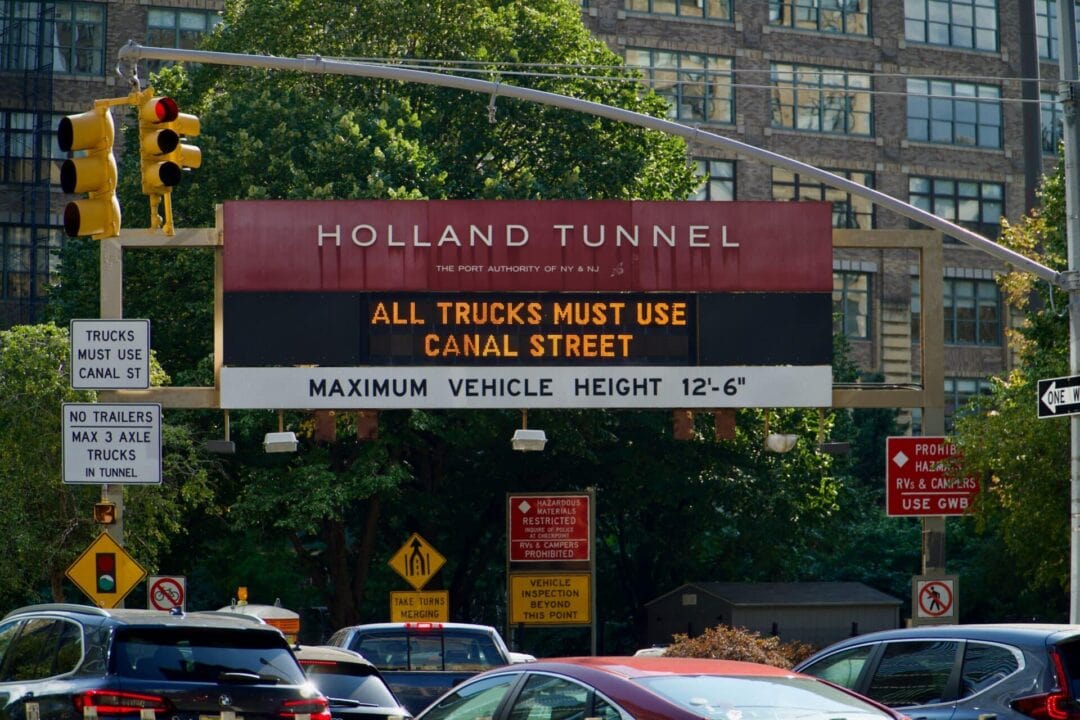
Given the potential for height restrictions, driving an RV directly through many Boston tunnels may not be feasible or advisable. Fortunately, there are often alternative routes and strategies that allow RVers to reach their destinations within the city or navigate around it.
Navigating Around the City
For RVs that cannot safely clear the tunnel heights, the most practical approach is to bypass the most restrictive routes. This often involves utilizing the Massachusetts Turnpike (I-90), which offers greater clearance and is a primary artery for larger vehicles.
- I-90 East/West: The Massachusetts Turnpike provides a significant east-west corridor and can be used to circumnavigate the downtown area. For instance, if arriving from the west and heading towards the coast, using the Turnpike to bypass the city center and then approaching from the east might be a viable option.
- I-93 (The Northern Artery): While parts of I-93 also run through tunnels, the elevated sections and those designed for heavier traffic often have better clearance. Understanding the specific segments of I-93 is important.
Utilizing Bridges and Surface Streets
While tunnels are a primary concern, bridges also present potential clearance issues. However, Boston has a network of bridges that might offer alternatives.
- Tobin Bridge: This is a significant bridge, and while it has height restrictions, they are generally more accommodating than some tunnels for larger vehicles. RVers heading into or out of areas north of the city may find this a useful alternative.
- Surface Streets: For RVs of moderate height, navigating some of the city’s surface streets might be possible. However, this requires careful attention to local signage, as many city streets have overhead obstacles like traffic lights, signs, and low-hanging branches that can pose risks. Maneuvering large RVs on narrow, historic streets can also be extremely challenging.
The Importance of Navigation Tools and Local Knowledge
Modern navigation tools can be a lifesaver for RVers. Many GPS devices and apps offer RV-specific routing, which takes into account known vehicle restrictions.
- RV-Specific GPS: Devices like those from Garmin or dedicated apps can be programmed with the dimensions of your RV, helping to avoid roads and tunnels with insufficient clearance.
- Online Resources and Forums: The RV community is an invaluable source of information. Online forums and social media groups dedicated to RV travel often feature discussions about navigating specific cities, including Boston. Fellow RVers may share real-time updates and practical advice.
- Calling Ahead: For specific routes or if unsure, contacting MassDOT or local law enforcement for guidance can be a prudent step.
Parking Your RV in Boston
Even if you manage to navigate your RV into Boston, finding a place to park it can be a significant hurdle. The city’s urban density and historic layout mean that large parking lots suitable for RVs are scarce within the immediate downtown core.
Designated RV Parking Areas
While not abundant, there are some options to consider:
- The Seaport District: This area, with its more modern development, may offer some larger parking facilities. However, availability and overnight restrictions should be thoroughly researched.
- Suburban Lots and Park-and-Ride Facilities: Often, the most practical solution is to park the RV in a secure lot outside the city center and utilize public transportation to explore Boston. Many commuter rail stations offer parking, and from there, you can easily hop on a train into the city.
- Campgrounds and RV Parks: For those staying for a longer period, identifying RV parks or campgrounds within a reasonable commuting distance of Boston is the ideal scenario. These facilities provide hookups and a secure place to leave your vehicle while you explore the city using public transport.
Public Transportation as a Complement
Once your RV is parked, embracing Boston’s excellent public transportation system is key. The Massachusetts Bay Transportation Authority (MBTA), affectionately known as the “T,” offers subways, buses, and commuter rail lines that can efficiently take you to major attractions like the Freedom Trail, Fenway Park, or the North End.

Conclusion: Planning is Paramount
Driving an RV through Boston tunnels is not an impossibility, but it requires meticulous planning, accurate measurements, and a thorough understanding of the city’s infrastructure. The Ted Williams Tunnel is generally the most accommodating for taller vehicles, while the Sumner and Callahan Tunnels pose significant challenges. For many RVers, utilizing alternative routes around the city, such as the Massachusetts Turnpike, and parking the RV in a secure location outside the core before exploring via public transit, will be the most sensible and stress-free approach. Prioritizing safety and adhering to official guidance will ensure that your Boston adventure is a memorable one for all the right reasons.
LifeOutOfTheBox is a participant in the Amazon Services LLC Associates Program, an affiliate advertising program designed to provide a means for sites to earn advertising fees by advertising and linking to Amazon.com. Amazon, the Amazon logo, AmazonSupply, and the AmazonSupply logo are trademarks of Amazon.com, Inc. or its affiliates. As an Amazon Associate we earn affiliate commissions from qualifying purchases.