
Florida’s Enduring Appeal to Seniors and Retirees
Florida has long been synonymous with retirement, sunshine, and a relaxed lifestyle. Its magnetic pull for seniors isn’t just a marketing slogan; it’s a demographic reality shaping the state’s social fabric, economy, and healthcare landscape. The “Sunshine State” consistently ranks among the top destinations for retirees, attracting individuals seeking a warm climate, diverse communities, and a plethora of activities tailored to an active senior lifestyle. This influx of older adults naturally translates into a significant and growing population of Medicare beneficiaries, making Florida a critical hub for understanding senior healthcare trends.
The Sunshine State’s Demographic Landscape
The demographic profile of Florida stands out nationally due to its high concentration of residents aged 65 and over. This demographic trend has been consistent for decades, fueled by both internal migration within the United States and international retirees. Major metropolitan areas like Miami, Tampa, Orlando, and the more retirement-centric communities in Southwest Florida and along the Gulf Coast, have robust infrastructure and services catering specifically to this age group. The state’s commitment to providing a supportive environment for its senior population is evident in everything from accessible transportation to specialized healthcare facilities.
Factors Drawing Seniors to Florida
Several key factors contribute to Florida’s enduring popularity as a retirement destination, directly influencing its large Medicare population:
- Favorable Climate: The most obvious draw is the year-round warm weather, which allows for outdoor activities and mitigates the health challenges often associated with colder climates.
- Tax Advantages: Florida is one of the few states with no state income tax, which is a significant financial benefit for retirees living on fixed incomes or drawing from retirement accounts.
- Cost of Living: While real estate has seen appreciation, the overall cost of living, particularly outside major urban centers, can still be attractive compared to other popular retirement states.
- Healthcare Infrastructure: As a state with a large senior population, Florida has developed an extensive network of hospitals, specialized clinics, and senior care facilities. Cities like Gainesville (home to UF Health Shands Hospital) and Tampa (with Tampa General Hospital) are recognized for their advanced medical care.
- Active Lifestyle Opportunities: From golf courses and beaches to cultural events and community centers, Florida offers an abundance of activities that promote physical and social engagement for seniors. Communities like The Villages exemplify this lifestyle, designed almost exclusively for retirees with a focus on leisure and social interaction.
These elements combine to create a compelling lifestyle proposition, drawing retirees and, by extension, a substantial cohort of Medicare beneficiaries to the state.
Understanding the Medicare Landscape in Florida
Given Florida’s demographic makeup, the question of how many Medicare beneficiaries reside within its borders in 2024 is central to understanding the state’s healthcare needs and economic dynamics. While precise, final enrollment figures for 2024 will only be available later in the year, projections and historical trends provide a clear picture.
Projecting 2024 Medicare Enrollment Figures
Based on data from the Centers for Medicare & Medicaid Services (CMS) and various actuarial reports, Florida consistently ranks as one of the top states, often second only to California or Texas, in terms of total Medicare enrollment. In recent years, Florida’s Medicare population has approached, and sometimes exceeded, 5 million beneficiaries.
For 2024, considering the steady migration of seniors to the state and the aging of the existing population, it is highly probable that the number of Medicare beneficiaries in Florida will be close to or exceed 5.2 to 5.4 million individuals. This figure encompasses both those aged 65 and older and younger individuals qualifying for Medicare due to certain disabilities or end-stage renal disease (ESRD). This substantial number underscores the critical importance of Medicare in sustaining the lifestyle and well-being of a significant portion of Florida’s residents.
The Dynamics of Medicare Advantage in Florida
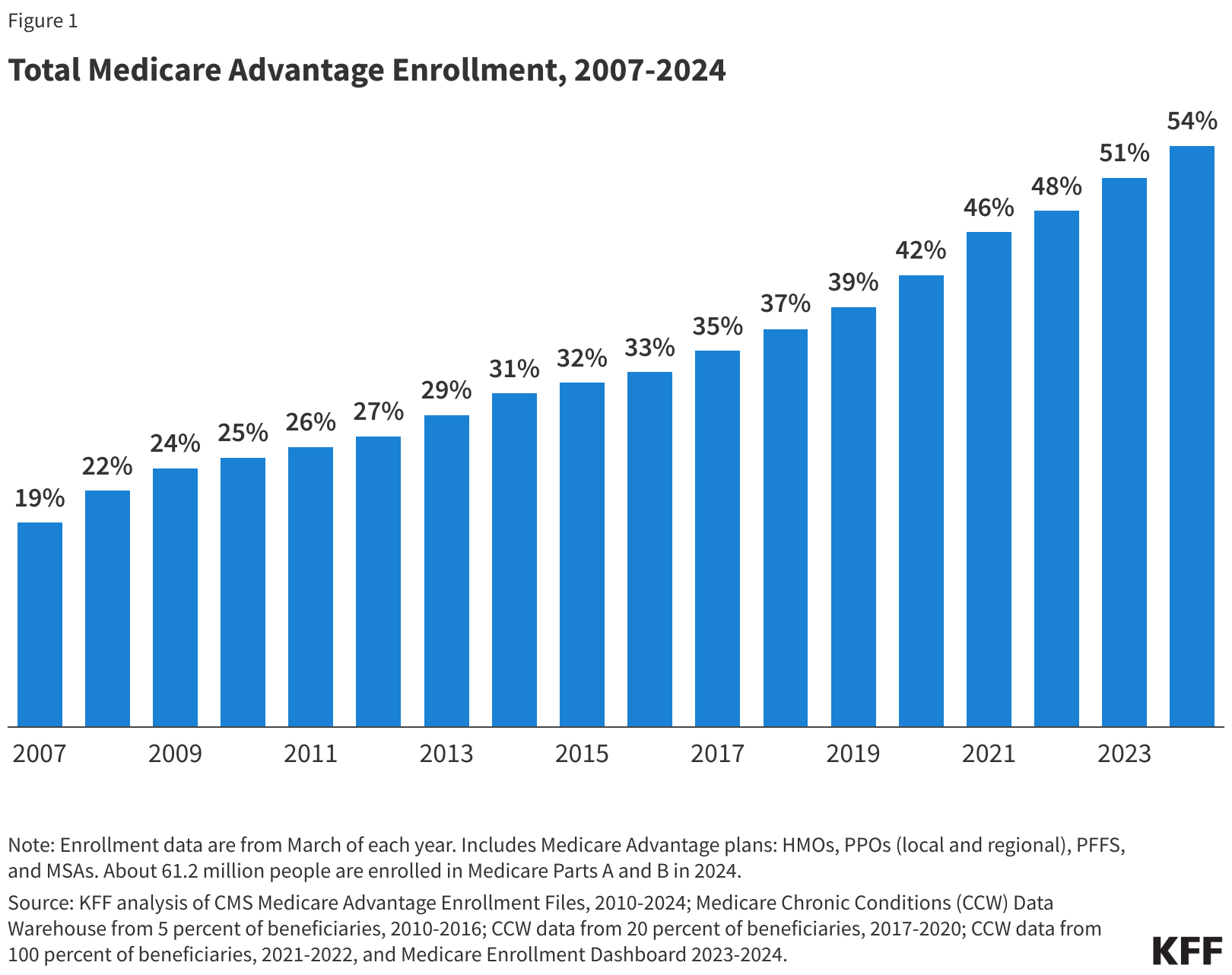
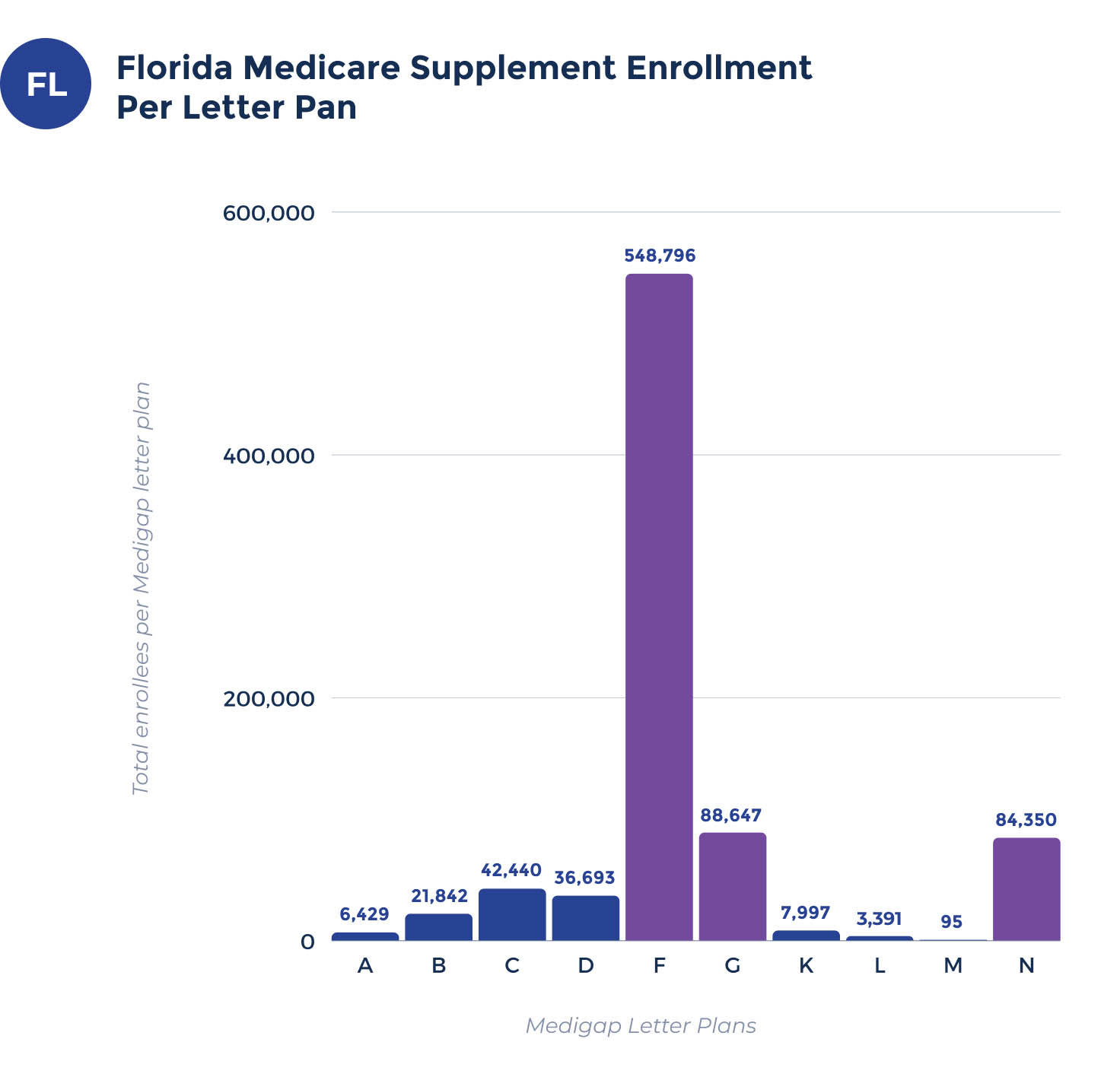
A particularly notable aspect of Florida’s Medicare landscape is the overwhelming preference for Medicare Advantage plans. While Original Medicare remains an option, a vast majority of Florida beneficiaries choose to enroll in Medicare Advantage (Part C) plans. These plans, offered by private insurance companies approved by Medicare, often include additional benefits not covered by Original Medicare, such as vision, dental, hearing, and even gym memberships, which align perfectly with the active and comprehensive lifestyle many Florida seniors seek.
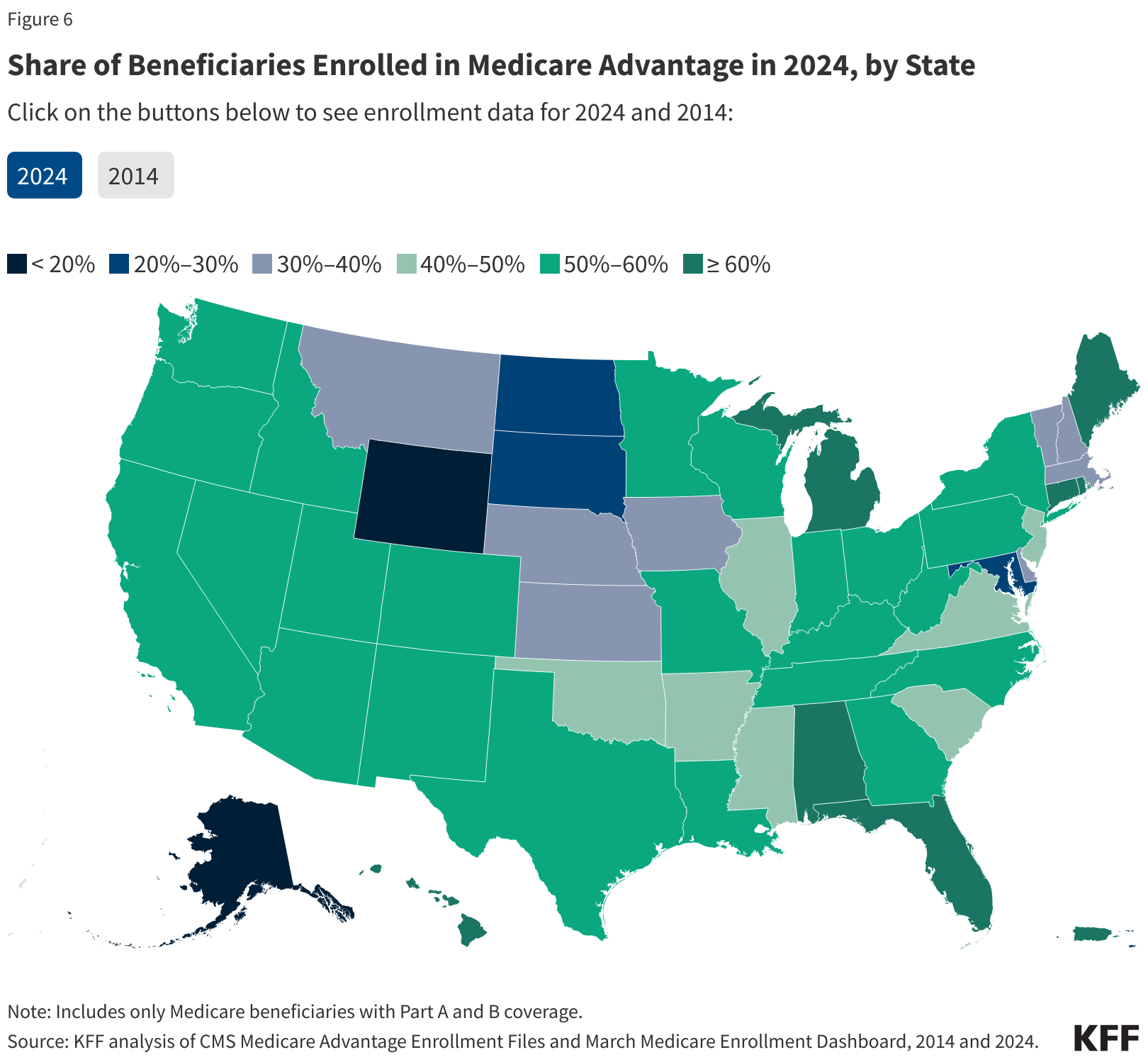
Florida consistently leads the nation in Medicare Advantage enrollment penetration, with over 60% of its beneficiaries opting for these plans. This trend is expected to continue in 2024, demonstrating the market’s responsiveness to senior preferences for integrated care and supplemental benefits. The competitive nature of the Medicare Advantage market in Florida, with numerous providers like Humana, UnitedHealthcare, and Blue Cross Blue Shield of Florida, offers beneficiaries a wide array of choices, allowing them to select plans that best fit their individual health and lifestyle needs.
The Impact of a Large Medicare Population on Florida’s Lifestyle and Economy
The sheer volume of Medicare beneficiaries has profound implications for Florida, shaping its economy, infrastructure, and overall lifestyle. This demographic reality isn’t just a number; it represents a powerful force driving demand for specific services and influencing policy decisions.
Healthcare Infrastructure and Services
To support millions of Medicare enrollees, Florida has developed a robust and specialized healthcare infrastructure. This includes:
- Hospitals and Medical Centers: Numerous hospitals across the state, from large academic medical centers like the University of Miami Health System to community hospitals, have geriatric departments and specialists catering to the unique needs of older adults.
- Specialized Clinics: An abundance of clinics focusing on cardiology, orthopedics, neurology, and other age-related conditions is available, particularly in areas with high senior populations such as Sarasota, Naples, and Palm Beach.
- Home Health and Long-Term Care: The demand for home healthcare services, assisted living facilities, and skilled nursing facilities is exceptionally high, leading to a flourishing industry that provides crucial support for seniors needing varying levels of care.
- Pharmaceutical Services: A dense network of pharmacies ensures easy access to medications, a vital component of ongoing senior health management.
This extensive healthcare ecosystem contributes significantly to Florida’s economy, creating jobs and attracting medical professionals, further enhancing the state’s appeal as a place to age gracefully.
Community Planning and Senior-Centric Amenities
The presence of millions of Medicare beneficiaries also impacts community planning and the development of amenities. Florida communities, especially those designed with seniors in mind, often feature:
- Accessible Design: Public spaces, residential communities, and transportation systems are frequently designed with accessibility in mind, including ramps, wide sidewalks, and senior-friendly public transit options.
- Recreational Facilities: From senior centers offering classes and social events to golf courses, pickleball courts, and walking trails, the emphasis is on fostering an active and engaged lifestyle.
- Volunteer and Social Opportunities: Many Florida seniors contribute actively to their communities through volunteering, social clubs, and civic organizations, enriching the overall social fabric.
- Retail and Service Industries: Businesses catering to the needs and preferences of older adults, from specialized retail to financial planning and legal services, thrive in the state, creating a comprehensive support system for the senior lifestyle.
This integration of senior needs into the state’s planning and economic activity highlights how deeply the Medicare population shapes the very essence of living in Florida.
Navigating Healthcare Choices as a Florida Senior
For the millions of Medicare beneficiaries in Florida, making informed healthcare decisions is a fundamental aspect of maintaining their desired lifestyle. The abundance of options can be empowering, but also overwhelming without proper guidance.
Key Considerations for Medicare Beneficiaries
When selecting Medicare coverage, Florida seniors typically weigh several factors:
- Provider Network: Ensuring their preferred doctors and hospitals are in-network is crucial, especially for those who have established long-term relationships with healthcare providers.
- Prescription Drug Coverage: Given the importance of medication management, evaluating the formulary and costs associated with Part D (prescription drug plans or embedded in Medicare Advantage) is paramount.
- Supplemental Benefits: For many, the added perks of Medicare Advantage, such as dental, vision, hearing, and fitness programs, significantly enhance their quality of life and contribute to their overall wellness lifestyle.
- Cost-Sharing: Understanding deductibles, co-payments, and out-of-pocket maximums helps manage healthcare expenses, which is a major concern for individuals on fixed incomes.
- Travel and Mobility: For those who travel frequently, whether within Florida or outside the state, understanding how their plan covers care away from home is vital.
These considerations enable Florida seniors to tailor their healthcare coverage to their personal circumstances and lifestyle preferences, ensuring peace of mind.
Resources for Informed Decisions
To assist beneficiaries in making these complex decisions, numerous resources are available:
- SHIP (State Health Insurance Assistance Program): Florida operates the Serving Health Insurance Needs of Florida (SHINE) program, which provides free, unbiased counseling on Medicare and other health insurance options.
- Medicare.gov: The official government website offers comprehensive information, plan comparison tools, and personalized assistance.
- Insurance Agents and Brokers: Licensed professionals specializing in Medicare plans can help beneficiaries navigate the options available in their specific Florida county.
The significant number of Medicare beneficiaries in Florida for 2024 is more than just a statistic; it reflects a vibrant, active, and growing senior population whose healthcare choices are deeply intertwined with their desired lifestyle in the Sunshine State. Understanding this demographic is key to appreciating Florida’s unique character and its role as a premier destination for retirement living.
LifeOutOfTheBox is a participant in the Amazon Services LLC Associates Program, an affiliate advertising program designed to provide a means for sites to earn advertising fees by advertising and linking to Amazon.com. Amazon, the Amazon logo, AmazonSupply, and the AmazonSupply logo are trademarks of Amazon.com, Inc. or its affiliates. As an Amazon Associate we earn affiliate commissions from qualifying purchases.