
Florida, known for its pristine beaches, vibrant cities, and world-class attractions, draws millions of residents and visitors seeking a particular lifestyle, whether it’s leisurely retirement, dynamic business opportunities, or unforgettable family vacations. Understanding the financial landscape, particularly sales tax, is crucial for anyone managing a budget in the Sunshine State. The sales tax rate directly impacts the cost of everyday living, from groceries to luxury goods, and significantly influences the overall affordability of various lifestyle choices within Florida.
Understanding Florida’s General Sales Tax
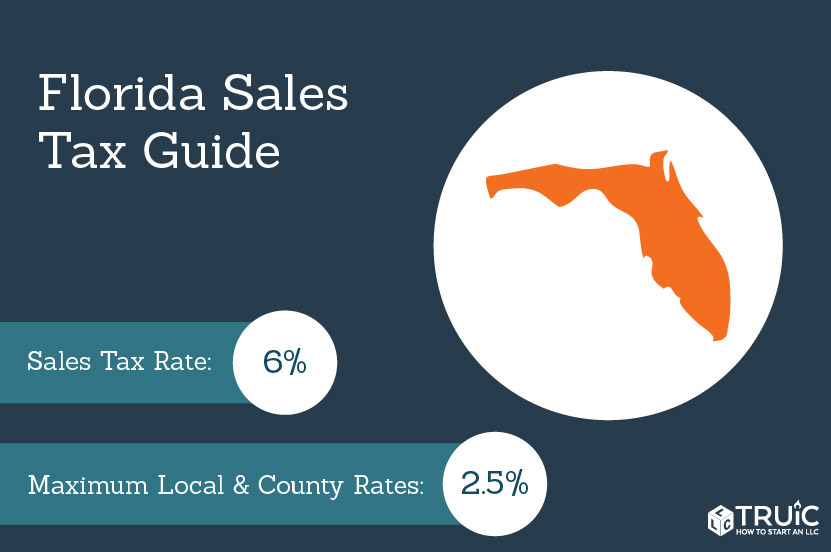
At its core, Florida levies a statewide sales tax rate of 6%. This rate applies to a vast array of goods and many services purchased within the state. For residents, this means that most retail items, from clothing and electronics to furniture and building materials, will incur this additional percentage at the point of sale. For visitors, this rate affects souvenirs, resort wear, and almost anything purchased from a store during their stay.
However, it’s not universally applied to everything. Crucially for managing household budgets and travel expenses, certain essential items are exempt from Florida’s sales tax. Most notably, groceries are generally exempt, which offers a significant relief for families and individuals on a budget. Prescription medicines, certain non-prescription drugs, and medical services are also typically exempt, contributing to the state’s appeal for retirees and those prioritizing healthcare access. These exemptions are vital considerations when planning a monthly budget or estimating trip costs, directly influencing disposable income and overall spending power for various lifestyles.
Local Option Sales Surtaxes: The County-Specific Impact
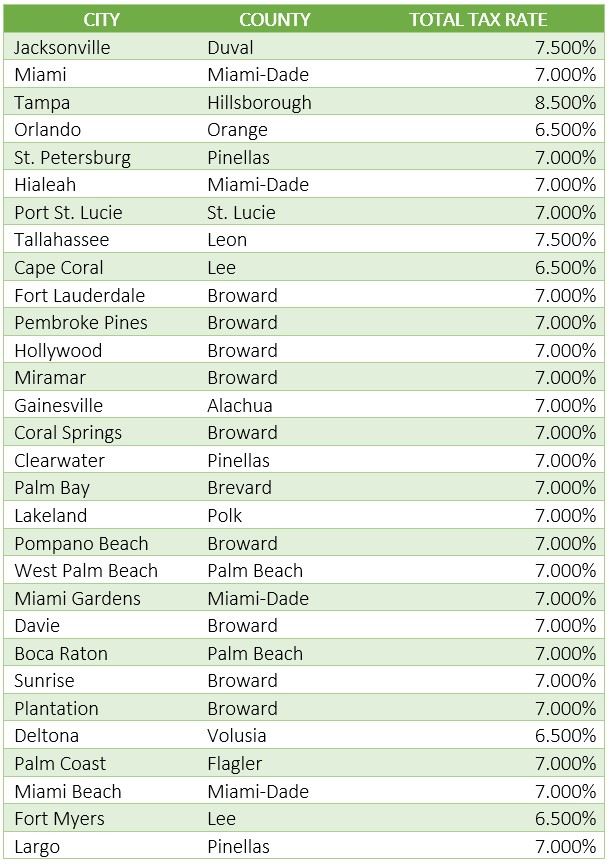
While the 6% statewide rate is a constant, the final sales tax rate an individual pays in Florida can vary significantly due to local option sales surtaxes. These surtaxes are additional sales taxes imposed by individual counties, often to fund specific local projects such as infrastructure improvements, public transportation, or school facilities. This means that the total sales tax rate can climb higher than 6%, sometimes reaching up to 8.5% in certain areas.
For example, a shopper in Miami-Dade County might pay a different total sales tax rate than someone purchasing an identical item in Orange County or Broward County. These county-specific additions are not uniform and can change, making it essential for both long-term residents and transient visitors to be aware of the rates in the specific locales they frequent. This variability directly impacts budget travel plans, as the cost of goods and services can differ based purely on geography within the state. A family planning a budget-conscious trip to Orlando needs to factor in Orange County’s surtax, while a business traveler in Fort Lauderdale would consider Broward County’s rate. Understanding these localized impacts is key to effective financial planning, whether for a permanent move, a seasonal stay, or a short vacation.
Sales Tax and Key Lifestyle Expenses in Florida
The application of sales tax extends beyond simple retail purchases, permeating various aspects of daily life and travel in Florida. Understanding how it affects major expenditure categories is crucial for managing any lifestyle budget.
Accommodation and Lodging
For travelers, the cost of accommodation is often the largest single expense. In Florida, hotels, motels, vacation rentals, and even long-term stays (less than six months) are subject to the standard statewide sales tax, plus any applicable county surtaxes. Beyond this, many counties also impose a “tourist development tax,” sometimes called a bed tax or resort tax, which can add an additional percentage on top of the sales tax. This tax, typically ranging from 1% to 6%, is specifically earmarked for tourism-related projects and marketing. For instance, booking a stay in Orlando will involve the general sales tax plus Orange County’s tourist development tax. This cumulative effect significantly increases the final price of a hotel room or rental property, a critical consideration for budget travelers, luxury seekers, and business visitors alike. Failing to account for these taxes can lead to unexpected expenses that strain a carefully planned travel budget.
Dining and Entertainment
Dining out is a popular activity in Florida, from casual beachside cafes to high-end restaurants in Miami. Sales tax applies to all prepared food and beverages purchased in restaurants, cafes, and bars. This means that every meal out will have the 6% state sales tax, plus any local county surtax, added to the bill. Similarly, tickets to Florida’s famous theme parks, such as Walt Disney World Resort in Orlando or Universal Orlando Resort, as well as admission to other attractions like museums, concerts, and sporting events, are subject to sales tax. For families planning a vacation centered around these attractions, or individuals enjoying the local entertainment scene, factoring in these taxes is essential for an accurate spending forecast. It can significantly impact the overall cost of a luxury trip or a budget-friendly outing.
Retail Purchases
Whether it’s shopping for new clothes in Palm Beach, picking up souvenirs in St. Augustine, or purchasing electronics in Jacksonville, retail purchases are generally subject to Florida’s sales tax. While groceries are exempt, many other consumer goods are not. This affects everything from daily necessities to larger discretionary purchases. For residents, this is an ongoing consideration for their household budgets. For tourists, it adds to the cost of anything they might buy to remember their trip or enhance their stay. Budget-conscious shoppers might consider purchasing certain items outside of high-tax areas if feasible, although the difference per item may be marginal. However, on large purchases, the cumulative effect of a percentage point or two can be substantial.
Vehicle Rentals and Other Services
Renting a car is a common necessity for many visitors exploring Florida and can be a significant expense for business travelers or long-term residents without their own vehicle. Sales tax, along with other specific rental car surcharges and fees, applies to vehicle rentals. This means the advertised daily rate for a car will not be the final price paid. Beyond rentals, many other services, particularly those involving tangible goods or specific types of labor, may also be subject to sales tax. For instance, repairs that include parts will typically have sales tax applied to those parts. Understanding these nuances helps in accurately calculating the full cost of various services required for daily living or business operations.
Planning Your Florida Budget: Sales Tax Considerations
Effective financial planning in Florida hinges significantly on understanding and accurately accounting for sales tax. Whether you’re moving to the state, planning an extended stay, or just visiting for a short vacation, integrating sales tax into your budget calculations is paramount for financial clarity and avoiding unexpected expenses.
For budget-conscious individuals and families, the state and local sales tax rates necessitate a proactive approach. When estimating costs for everyday purchases, dining out, or even major expenditures like electronics, it’s prudent to add a buffer percentage to the sticker price. While the statewide rate is 6%, for general budgeting purposes, especially in major metropolitan areas, using an average of 7% to 7.5% for most taxable goods and services can provide a more realistic estimate, accounting for common county surtaxes. For specific high-cost items or categories like accommodation, researching the exact county sales tax and tourist development tax rates for your destination, be it Orlando, Miami, or Tampa, is absolutely critical.
The impact of sales tax on overall affordability cannot be overstated. For budget travelers, a higher total sales tax rate means that every dollar spent on goods and services will stretch less far. This may influence choices regarding dining (e.g., cooking more meals versus eating out), accommodation (e.g., choosing a less expensive area), and entertainment. Conversely, for those accustomed to a luxury lifestyle, while the percentage might seem small, the cumulative effect of sales tax on high-value purchases—from designer goods to lavish resort stays—can add up to a substantial amount. Being aware allows for more accurate financial allocation, ensuring funds are available for desired experiences without unexpected shortfalls.
Furthermore, the importance of checking local rates when planning trips to different Florida cities extends beyond accommodation. The cost of shopping for souvenirs, eating at local restaurants, or attending events can fluctuate based on the specific county’s surtax rate. A road trip across multiple counties means potentially encountering different total sales tax rates at each stop. Savvy travelers and residents alike incorporate this variable into their financial strategy, ensuring they are prepared for the true cost of living and enjoyment in the diverse regions of Florida. Knowing the exact sales tax rates for the specific areas you plan to visit or reside in will empower you to make more informed financial decisions, ultimately enhancing your lifestyle experience in the Sunshine State.
LifeOutOfTheBox is a participant in the Amazon Services LLC Associates Program, an affiliate advertising program designed to provide a means for sites to earn advertising fees by advertising and linking to Amazon.com. Amazon, the Amazon logo, AmazonSupply, and the AmazonSupply logo are trademarks of Amazon.com, Inc. or its affiliates. As an Amazon Associate we earn affiliate commissions from qualifying purchases.