
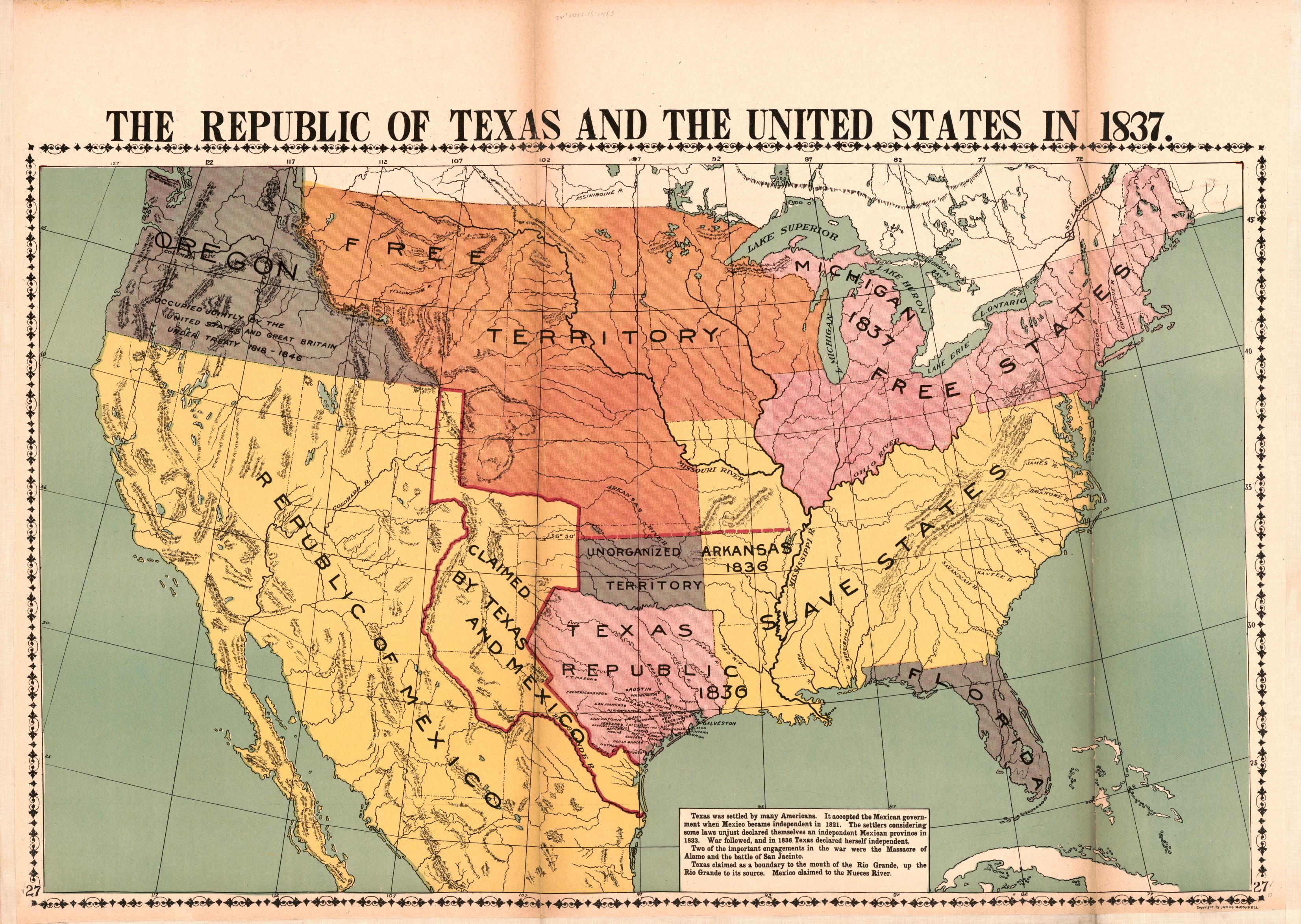
The history of Texas is a tapestry woven with threads of independence, conflict, and remarkable resilience. For those exploring the rich heritage of this vast state, understanding its period as a sovereign nation is paramount. The question, “When was Texas a republic?” unlocks a pivotal era, stretching from 1836 to 1845. This decade-long interlude as the Republic of Texas is a foundational element of the Texan identity and a significant chapter in American history. It was a time of nation-building under immense pressure, forging a unique political and social landscape that continues to influence the state today. Exploring this period offers a deeper appreciation for the landmarks, cultural nuances, and the very spirit that defines Texas.
The Dawn of Independence: From Revolution to Republic
The path to independence for Texas was arduous, marked by rebellion against the centralist policies of Mexico. The Texian Revolution, a conflict that ignited in 1835, culminated in the Texas Declaration of Independence on March 2, 1836. This bold declaration, penned at Washington-on-the-Brazos, formally severed Texas from Mexican rule, establishing it as a new nation. The ensuing struggle for survival was fierce, most notably with the heroic, albeit tragic, defense of the Alamo in San Antonio and the Goliad Massacre.
The Fight for Freedom
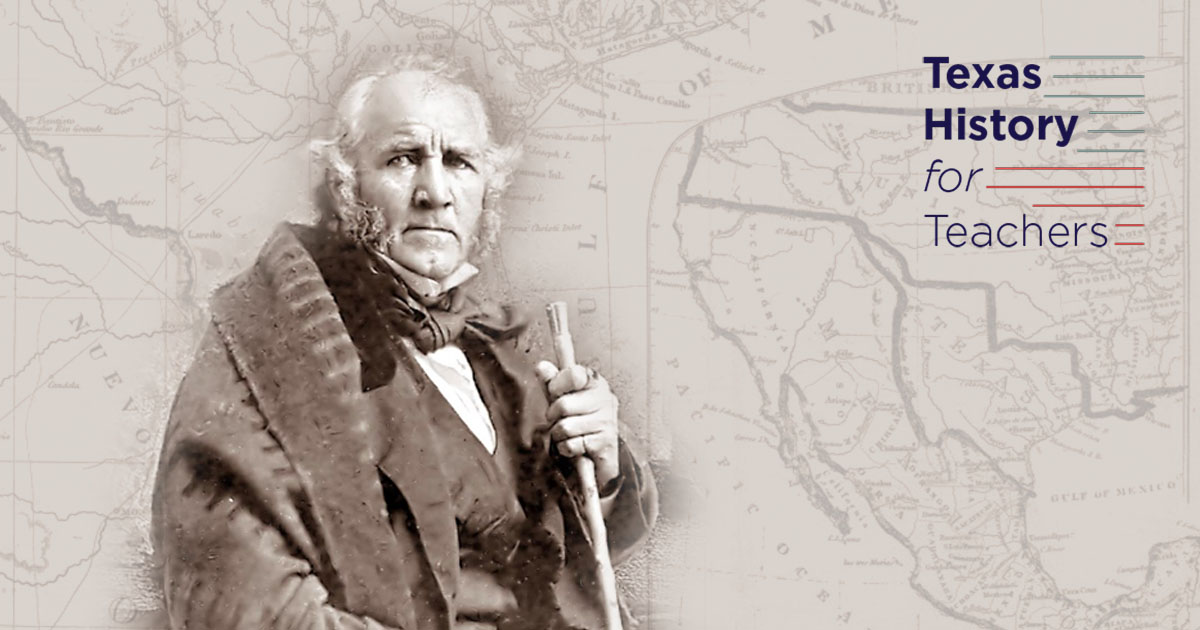
The early days of the revolution were characterized by a series of skirmishes and battles as Texian forces, comprised of settlers, adventurers, and idealists, rallied against the Mexican Army under the command of President Antonio López de Santa Anna. Key figures like Sam Houston, Stephen F. Austin, and William B. Travis emerged as leaders, shaping the course of the conflict. The cry of “Remember the Alamo!” became a rallying point, fueling the Texian cause.
Establishing a New Nation
Following the decisive victory at the Battle of San Jacinto on April 21, 1836, where Sam Houston‘s forces surprised and defeated Santa Anna‘s army, Texas secured its de facto independence. With the immediate threat of reconquest diminished, the newly formed republic began the monumental task of establishing its own government, constitution, and institutions. This period, from 1836 to 1845, saw Texas navigate the complexities of self-governance, international relations, and internal development.
Governance and Challenges of the Republic
The Republic of Texas was more than just a dream of independence; it was a functioning, albeit often precarious, nation. Its leaders faced a daunting array of challenges, from establishing a stable economy and defending its vast borders to gaining international recognition and managing a diverse and sometimes fractious populace. The period was marked by ambitious projects, political rivalries, and the ever-present shadow of potential conflict with Mexico.
Presidential Leadership
During its nine years of existence, the Republic of Texas had several presidents, each grappling with the unique demands of leading a young nation. Sam Houston served two non-consecutive terms, his leadership marked by a focus on diplomacy and economic stability. Mirabeau B. Lamar, another significant figure, pursued an expansionist policy and championed the idea of Texas as a major power, even advocating for the relocation of Mexican archives from Mexico City. Other presidents, such as Anson Jones, David G. Burnet, and Peter Hansborough Bell, also contributed to the republic’s development, facing challenges like border disputes, Native American conflicts, and financial instability.
Economic Realities
The economy of the Republic of Texas was largely agrarian, with cotton being the primary export crop. However, the republic struggled with a chronic shortage of capital and a limited banking system. Issuing currency was a constant challenge, leading to periods of inflation and a reliance on credit. Trade routes, particularly with the United States, were vital for the republic’s survival, facilitating the import of manufactured goods and the export of raw materials. The dream of a thriving, self-sufficient economy was a constant aspiration, though often hampered by external pressures and internal limitations.
Foreign Relations and Recognition

Securing recognition from foreign powers was a critical objective for the Republic of Texas. While the United States was a strong supporter and eventually annexed Texas, other nations were more hesitant. Great Britain and France, concerned with Mexican sovereignty and their own economic interests, maintained a more cautious stance. Diplomatic missions were sent abroad, seeking treaties and alliances that would legitimize the republic on the world stage. This quest for international acceptance was a defining feature of the republic’s foreign policy.
Landmarks of a Republic Era
The legacy of the Republic of Texas is etched into the very landscape of the state. Numerous historical sites and landmarks stand as testaments to this pivotal era, offering tangible connections to the people, events, and struggles that shaped a nation. Visiting these locations provides an immersive experience into the early days of Texian governance and the lives of its citizens.
Monuments to Independence
Washington-on-the-Brazos, the site of the Texas Declaration of Independence, remains a central landmark. Here, visitors can explore the Star of the Republic Museum, which preserves artifacts and exhibits detailing the republic’s formation and early years. The nearby San Jacinto Battlefield State Historic Site commemorates the decisive battle that secured Texian independence, with a towering monument that stands as a proud symbol of the republic’s victory.
Forts and Frontiers
The defense of the republic’s vast frontiers was a constant concern. Historic forts, such as Fort Sam Houston in San Antonio (though its primary military history extends beyond the republic period, its origins are intertwined with the era’s defensive needs) and various frontier posts established to protect settlers from Native American raids and potential Mexican incursions, offer glimpses into the rugged realities of life in the young republic. These sites, though many are now in ruins or have been extensively rebuilt, evoke the spirit of the pioneers and soldiers who defended the republic’s borders.
Presidential Homes and Government Sites
While no grand presidential palaces were built, sites associated with the republic’s leaders and government are significant. Sam Houston’s home, the Steamboat House in Huntsville, provides insight into the life of the republic’s most influential figure. The former capitol buildings, though the exact locations and structures evolved, represent the centers of power and governance during the republic’s existence. Exploring these historical markers allows for a deeper understanding of the daily operations and the aspirations of the Republic of Texas.
The Transition to Statehood
The existence of the Republic of Texas was, by design, a temporary phase. The desire for annexation by the United States grew throughout the republic’s existence, fueled by economic opportunities, shared cultural ties, and the promise of greater security. However, the issue of slavery, a deeply divisive matter in the United States, complicated the annexation process for many years.
Debates and Decisions
Annexation was a hotly debated topic within Texas. Some Texans believed the republic was strong enough to stand alone, while others saw statehood as the path to prosperity and security. In the United States, the prospect of admitting another slave state raised significant political objections in the Northern states. Ultimately, after considerable negotiation and political maneuvering, and with the election of James K. Polk in 1844, who campaigned on a platform of expansion, the path to annexation became clearer.
The End of an Era, The Beginning of Another
On December 29, 1845, Texas officially became the 28th state of the United States. This marked the end of its nine-year journey as an independent republic and the beginning of a new chapter as part of a larger nation. The transition was not without its challenges, including border disputes that eventually contributed to the Mexican-American War (1846-1848). However, the dream of joining the United States was finally realized, solidifying Texas‘s place in the American union. The spirit of the republic, however, persisted, contributing to the unique identity and fierce independence that continues to define Texas today. Its period as a republic remains a vital and fascinating chapter, one that continues to draw explorers, historians, and admirers to its storied past.
LifeOutOfTheBox is a participant in the Amazon Services LLC Associates Program, an affiliate advertising program designed to provide a means for sites to earn advertising fees by advertising and linking to Amazon.com. Amazon, the Amazon logo, AmazonSupply, and the AmazonSupply logo are trademarks of Amazon.com, Inc. or its affiliates. As an Amazon Associate we earn affiliate commissions from qualifying purchases.