
Unveiling California’s Aquatic Emblem: The Golden Trout
The question, “What is the State Fish of California?” leads to the discovery of a truly spectacular natural landmark: the Golden Trout (Oncorhynchus mykiss aguabonita). This exquisite fish, renowned for its vibrant coloration and elusive nature, holds a special place in the heart of California’s natural heritage. Designated as the official state fish in 1947, the Golden Trout is more than just an aquatic creature; it is a living symbol of the state’s pristine wilderness, embodying the rugged beauty and conservation ethic that define much of California’s high country. Its existence is intrinsically linked to the glacial meltwaters and remote alpine lakes of the Sierra Nevada mountain range, making it a unique natural landmark that beckons adventurers and conservationists alike.
A Symbol of Wilderness and Conservation
The Golden Trout’s designation reflects California’s deep commitment to preserving its natural environment. It represents the delicate balance of high-altitude ecosystems and the critical importance of maintaining wild, untamed spaces. For many, catching a glimpse of a Golden Trout in its natural habitat is an experience akin to reaching a remote summit or witnessing a rare celestial event – a testament to perseverance and a reward for venturing into the wilderness. Its status as a state symbol has significantly bolstered conservation efforts aimed at protecting its fragile habitats from human impact, climate change, and the encroachment of non-native species.
Distinguishing Features and Habitat
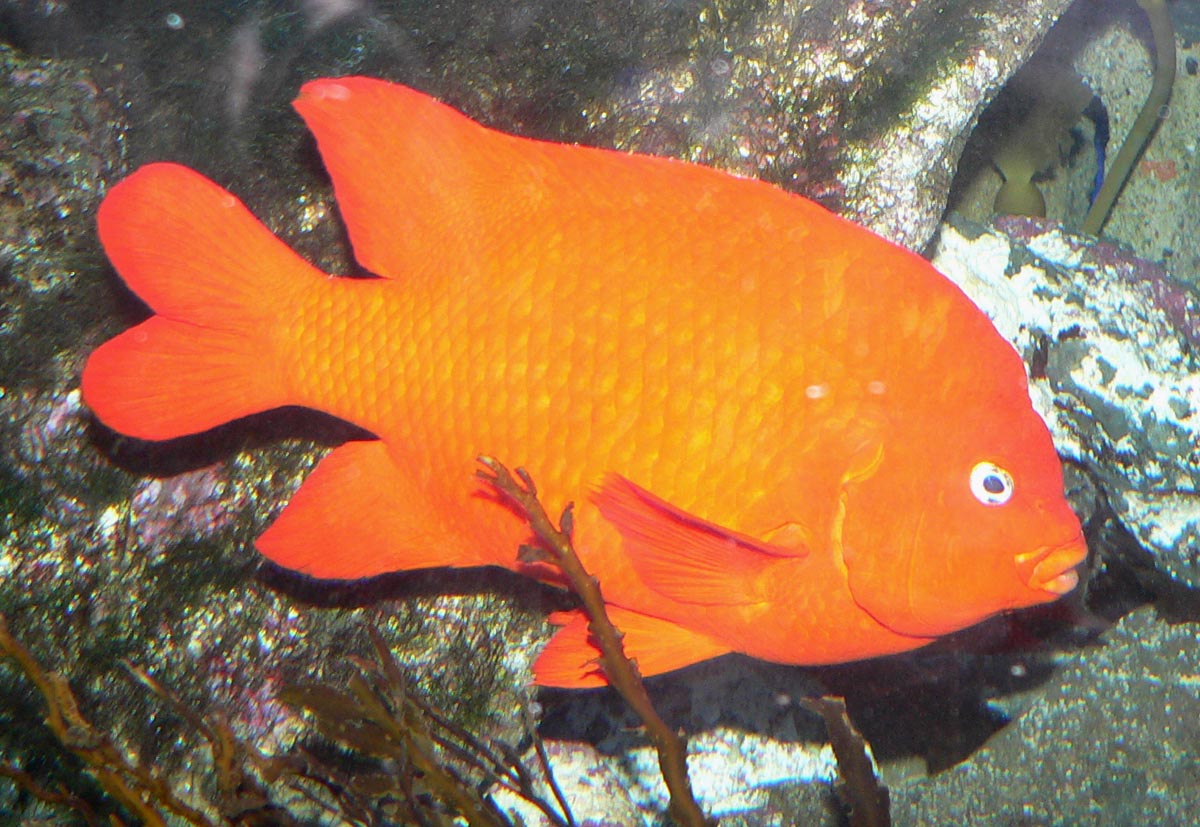
What makes the Golden Trout so iconic are its striking aesthetics. Its flanks shimmer with brilliant gold and bronze hues, often punctuated by a distinctive red-orange stripe running along its lateral line, and vertical parr marks that fade as the fish matures. The fins are typically bright orange, tipped with white or yellow, adding to its regal appearance. These vivid colors serve as camouflage against the gravelly, often gold-tinted streambeds and lake bottoms of its high-altitude environment.
Native only to the headwaters of the Kern River in the Sierra Nevada, primarily in the South Fork Kern River and its tributaries, the Golden Trout thrives in cold, clear, oxygen-rich waters. These habitats, typically found at elevations ranging from 6,000 to 10,000 feet, are characterized by short growing seasons, sparse vegetation, and extreme winter conditions. The isolation of these pristine environments has allowed the Golden Trout to evolve its unique coloration and genetic purity, distinguishing it from other trout species. Its existence is a testament to natural adaptation and the specific ecological niches found within California’s towering mountain ranges.
The Journey to Statehood: A Legacy of Preservation
The recognition of the Golden Trout as California’s state fish is a story deeply intertwined with the exploration and appreciation of the state’s natural wonders. This landmark designation was not merely an arbitrary choice but the culmination of decades of fascination and scientific study of a species that truly embodies the spirit of the Sierra Nevada wilderness.
Early Recognition and Scientific Discovery
The existence of these spectacularly colored trout was first documented by indigenous peoples of the Sierra Nevada who undoubtedly admired and depended on them. For the broader scientific community, the Golden Trout remained largely unknown until the late 19th century. Early explorers and naturalists venturing into the remote Kern River drainage were captivated by its beauty.
It was Barton Warren Evermann, a prominent ichthyologist, who formally described the species in 1905, giving it the scientific name Salmo aguabonita, which translates to “beautiful water salmon.” His expeditions into the high Sierra Nevada were instrumental in bringing this unique fish to the attention of the scientific world and the public. Evermann’s work highlighted the fish’s distinctiveness and its limited, isolated range, sparking early interest in its preservation. The allure of the Golden Trout quickly grew, becoming a coveted prize for anglers and a symbol for nascent environmental movements championing the protection of wild spaces.
Legislative Action and Environmental Ethos
The move to officially designate the Golden Trout as the state fish gained momentum in the years following World War II. California was experiencing a period of rapid growth and increased development, making the preservation of its natural landmarks and wildlife all the more crucial. Conservation groups, anglers, and nature enthusiasts rallied behind the proposal, seeing the fish as a perfect emblem for the state’s rugged beauty and its commitment to protecting its unique biodiversity.
In 1947, the California State Legislature formally adopted Assembly Bill 75, officially making the Golden Trout the state fish. This legislative action was more than just a ceremonial gesture; it represented a foundational element of California’s developing environmental ethos. By recognizing a native species so intimately tied to its high-altitude wilderness, the state solidified its dedication to managing and protecting these invaluable natural resources. The Golden Trout’s journey to statehood is a landmark in itself, illustrating the evolving relationship between humans and the natural world, and setting a precedent for environmental stewardship that continues to shape California’s policies today.

Where to Encounter This Natural Treasure
For those inspired by California’s natural landmarks and wishing to connect with its aquatic emblem, encountering the Golden Trout in its native habitat is an unforgettable experience. However, reaching these pristine locations requires effort, respect for the environment, and often, significant wilderness travel. The Golden Trout is a creature of the high Sierra Nevada, meaning its domain is typically rugged, remote, and breathtakingly beautiful.
High Sierra Havens
The primary native range of the Golden Trout is within the headwaters of the Kern River and its tributaries, particularly the South Fork Kern River, high up in the mountains east of the Great Central Valley. Key areas include the Golden Trout Wilderness, which is situated within the Inyo National Forest and the Sequoia National Forest. This wilderness area was specifically established in part to protect this iconic species and its habitat.
Other notable locations where pure strains of Golden Trout can be found include the high elevation streams and lakes near Mount Whitney, the highest peak in the contiguous United States. Within Sequoia National Park and Kings Canyon National Park, efforts have been made to restore native Golden Trout populations in areas where they were historically present. Specific streams like Volcanic Creek and other isolated tributaries of the Kern River are critical strongholds. Access to these areas often involves multi-day backpacking trips, navigating challenging terrain, and adhering to strict wilderness regulations. The journey itself becomes part of the experience, offering unparalleled opportunities to immerse oneself in the grandeur of the Sierra Nevada.
Conservation Efforts and Responsible Viewing
Due to its limited native range and vulnerability, the Golden Trout is considered a species of special concern. Conservation initiatives are actively underway to protect its genetic integrity and restore its populations. These efforts include the removal of non-native trout species that compete for resources or hybridize with the Golden Trout, as well as habitat restoration projects.
For visitors hoping to see or fish for Golden Trout, responsible practices are paramount. A California fishing license is required, and anglers must adhere to specific regulations, including catch-and-release practices in many areas to ensure the species’ survival. The “leave no trace” principle is essential in these delicate high-alpine environments. Observing these beautiful fish, even without catching them, offers a profound connection to California’s wild heart. Understanding and respecting their role as a living landmark contributes to their ongoing preservation for future generations.
Beyond the Symbol: The Golden Trout’s Ecological Role
While the Golden Trout stands as a prominent natural landmark and a symbol of California’s wilderness, its significance extends far beyond its emblematic status. Ecologically, this species plays a crucial role in its high-altitude aquatic environments, serving as an indicator of ecosystem health and contributing to the delicate balance of the Sierra Nevada’s pristine waters. Understanding its ecological function deepens our appreciation for this remarkable fish.
Indicator Species and Ecosystem Health
The Golden Trout, like many specialized high-alpine species, acts as an excellent indicator of environmental quality. Its reliance on cold, clear, well-oxygenated water means that fluctuations in water temperature, sediment load, or chemical composition can directly impact its survival. A healthy population of Golden Trout signals a thriving, undisturbed aquatic ecosystem. Conversely, declines in their numbers can alert scientists and conservationists to broader environmental issues, such as climate change impacts leading to warmer water temperatures, habitat degradation from overuse, or the effects of atmospheric deposition.
Furthermore, as a native predator, albeit a small one, the Golden Trout plays a role in regulating invertebrate populations within its stream and lake habitats. This contributes to the overall biodiversity and stability of these unique food webs. Their presence is a natural filter and a sign that the complex web of life in the Sierra Nevada is functioning as it should, making them a living landmark of ecological integrity.

Challenges and Future Outlook
Despite its protected status, the Golden Trout faces significant challenges that threaten its long-term survival. The most pressing threats include habitat degradation, primarily from historic livestock grazing and poorly managed recreational use, and perhaps most critically, the presence of non-native trout species. Introduced species like rainbow trout and brown trout compete with Golden Trout for food and habitat, and rainbow trout can hybridize with Golden Trout, diluting their unique genetic purity. Climate change also presents a looming threat, as warming temperatures could reduce the amount of suitable cold-water habitat in the future.
Conservation efforts are ongoing and multi-faceted. These include extensive surveys to identify pure genetic strains, the establishment of barrier waterfalls or human-made barriers to prevent the upstream migration of non-native fish, and the removal of non-native species from critical Golden Trout waters. Hatchery programs also exist to propagate pure strains for reintroduction into restored habitats. The dedication of organizations like the California Department of Fish and Wildlife and various wilderness groups is crucial in safeguarding this iconic species. The future of the Golden Trout as a natural landmark of California’s wilderness depends on continued scientific research, robust conservation strategies, and the sustained appreciation and responsible engagement of all who venture into its high-alpine domain. Its survival is a testament to the ongoing commitment to protect California’s irreplaceable natural heritage.
LifeOutOfTheBox is a participant in the Amazon Services LLC Associates Program, an affiliate advertising program designed to provide a means for sites to earn advertising fees by advertising and linking to Amazon.com. Amazon, the Amazon logo, AmazonSupply, and the AmazonSupply logo are trademarks of Amazon.com, Inc. or its affiliates. As an Amazon Associate we earn affiliate commissions from qualifying purchases.