
Navigating the Legal Landscape of the Sunshine State for Visitors
When planning a trip to the vibrant shores and diverse attractions of Florida, most travelers focus on pristine beaches, thrilling theme parks, and captivating natural wonders. However, understanding a destination’s legal framework, even at a fundamental level, can be an invaluable “tip” for any responsible tourist. While Marsy’s Law might not be on the typical vacation itinerary, its presence in Florida’s constitution significantly shapes the civic environment and provides crucial protections, particularly for those who might unfortunately become victims of crime during their travels. This awareness contributes to a more informed and secure experience, allowing visitors to appreciate not just the recreational aspects but also the underlying commitment to safety and justice that underpins the local culture.

An Overview for Florida Visitors
Florida, a magnet for millions of domestic and international tourists annually, strives to offer a safe and welcoming environment. Marsy’s Law, officially known as the Florida Victims’ Rights Amendment, enhances constitutional rights for victims of crime. For a tourist, this means that should an unfortunate incident occur – such as theft, assault, or any other criminal act – the state has provisions designed to ensure their rights and well-being are prioritized throughout the justice process. It’s a layer of civic infrastructure that, while hopefully never needed, provides a critical safety net. Understanding this law isn’t about anticipating trouble, but rather about appreciating the comprehensive approach Florida takes to protect everyone within its borders, including temporary visitors. This understanding can foster a deeper sense of security, allowing travelers to relax and enjoy their experiences with greater peace of mind, knowing that a robust system is in place to support them if necessary.
The Origins and Core Principles of Marsy’s Law
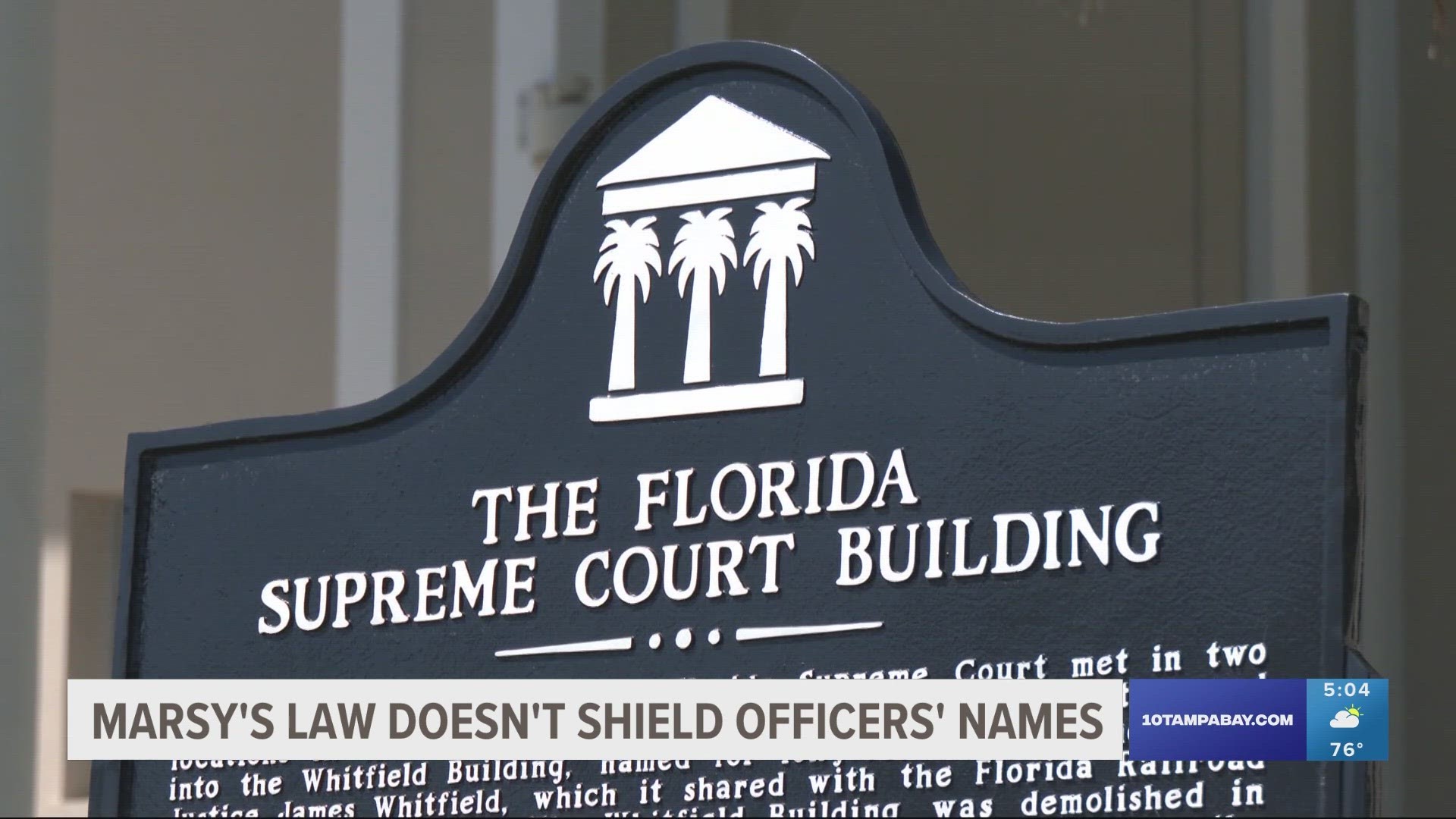
Marsy’s Law is not unique to Florida; it’s a nationwide movement to ensure victims’ rights are constitutionally protected, akin to the rights afforded to the accused. The movement began in California after the murder of Marsy Nicholas in 1983, whose family experienced profound insensitivity and lack of information from the justice system. In Florida, voters overwhelmingly approved the amendment in 2018, integrating it into the state’s constitution.
The core principles of Marsy’s Law revolve around empowering victims with a suite of enforceable rights. Prior to its enactment, victims often felt marginalized in the legal process, struggling to obtain information, participate in proceedings, or even feel safe. This amendment sought to rectify these imbalances by establishing clear, unequivocal protections. For tourists, this means that the state of Florida actively upholds the dignity and safety of all individuals affected by crime, regardless of their residency status. It underscores a commitment to restorative justice and ensures that even temporary residents have the legal standing to navigate complex situations with support and clarity. This proactive stance on victim support enhances Florida’s reputation as a destination that cares for the safety and welfare of all who visit.
Key Rights Afforded to Victims Under Marsy’s Law
For visitors to Florida, understanding the specific provisions of Marsy’s Law can provide crucial reassurance. Should the unexpected happen, knowing these rights can help streamline interactions with law enforcement and the judicial system, minimizing distress during an already difficult time. These rights are designed to provide a sense of control and participation for victims, a departure from previous systems where victims often felt like mere witnesses to a process unfolding around them.
Rights to Information and Protection
One of the cornerstones of Marsy’s Law is the victim’s right to information. This includes the right to timely notice of and presence at all public proceedings involving the criminal conduct, including those where the defendant has a right to be present. For a tourist, this means they would be informed about arrests, court dates, release from custody, and other critical developments related to their case. Furthermore, victims have the right to reasonable protection from the accused and any person acting on behalf of the accused. This is particularly relevant for those who might feel vulnerable or concerned about their safety after an incident. It includes considerations for personal safety, such as being provided with information on available services to ensure their protection, and even considerations regarding their travel back home, should they be required to stay longer for legal proceedings. The law also grants victims the right to prevent the disclosure of information or records that could be used to locate or harass them or their family members, further enhancing their privacy and security. These protections are vital for maintaining peace of mind, especially for individuals far from their usual support networks.
The Right to Be Present and Heard
Marsy’s Law grants victims the right to be present at, and heard in, all public proceedings involving the criminal conduct. This includes plea proceedings, sentencing, and any parole or release hearings. For a tourist, this means their voice and perspective are considered an integral part of the justice process. While attending every hearing might be impractical or impossible for a visitor, the law ensures that their impact statement can be presented, often through a victim advocate or written submission. This empowers victims, allowing them to express the emotional, physical, and financial toll the crime has taken. It acknowledges that a crime impacts more than just the state; it profoundly affects individuals. This participation can be crucial for a victim’s healing process and provides a sense of closure, knowing that their experience was acknowledged and weighed in the judicial outcome. This human-centered approach adds another dimension to Florida’s commitment to a just and equitable environment for all.

Restitution and Prompt Conclusion
Victims also have the right to full and timely restitution from the convicted offender for all losses suffered, including physical, psychological, and economic injury. For a tourist who might experience theft or damage to property, this right ensures a legal pathway to recover losses. While the process of obtaining restitution can be complex, Marsy’s Law enshrines this as a constitutional right, underscoring the state’s obligation to assist victims in this recovery. Additionally, victims have the right to a prompt conclusion of the case, thereby minimizing the emotional and logistical burden that prolonged legal proceedings can impose. For travelers, who often have fixed schedules and limited time away from home, the emphasis on a prompt conclusion is particularly beneficial, helping to reduce the disruption to their travel plans and personal lives. These provisions collectively demonstrate Florida’s dedication to supporting crime victims comprehensively, from their immediate safety to their eventual recovery and closure.
How Marsy’s Law Impacts Your Florida Experience
While the primary aim of a Florida vacation is enjoyment and relaxation, understanding the state’s legal environment, particularly regarding victim rights, contributes to a holistic appreciation of the destination. It’s an aspect of “local culture” that speaks to civic responsibility and community care.
Ensuring Safety and Well-being for Travelers
The very existence of Marsy’s Law implicitly signals Florida’s commitment to maintaining a safe environment. By strengthening victim protections, the law reinforces the idea that criminal behavior will be met with a robust justice system that also cares for those harmed. For travelers, this means a destination where authorities are equipped and constitutionally mandated to support victims. This proactive legal framework contributes to the overall sense of security that tourists experience. It’s a testament to Florida’s broader efforts to protect residents and visitors alike, making it a more appealing and trustworthy place to explore. When considering destinations, the safety and support infrastructure, even if subtly present, play a significant role in a traveler’s peace of mind.
Resources for Victims Visiting Florida
Should a visitor become a victim of crime in Florida, various resources are available, often enhanced by the provisions of Marsy’s Law. Local law enforcement agencies and State Attorney’s Offices typically have dedicated victim services units. These units provide information, support, and advocacy throughout the legal process. They can help victims understand their rights under Marsy’s Law, assist with obtaining restitution, connect them with counseling services, and facilitate communication with prosecutors. For non-resident victims, these services are particularly crucial, as they might be unfamiliar with the local system and need assistance navigating logistics, especially if they must extend their stay or return for court proceedings. Many non-profit organizations also operate across Florida, offering additional support to crime victims, often working in conjunction with official agencies. This network of support ensures that even when far from home, victims have access to comprehensive assistance, reflecting Florida’s dedication to the welfare of all individuals.
Responsible Tourism and Community Awareness
Engaging in responsible tourism extends beyond environmental consciousness and supporting local economies; it also includes an awareness of a destination’s civic fabric. Understanding laws like Marsy’s Law helps visitors grasp the comprehensive nature of public safety and justice.
Promoting a Safe Environment for All
Tourists are integral to the local communities they visit, and their safety is paramount. By understanding that Florida has enshrined strong victim protections, travelers gain insight into the state’s commitment to a secure environment. This knowledge promotes a sense of shared responsibility; while visitors enjoy the state’s many offerings, they also benefit from and contribute to a community where justice and safety are prioritized. A destination that actively protects victims’ rights signals a stable and caring society, fostering mutual respect between visitors and hosts. This civic awareness enriches the travel experience, moving it beyond mere consumption of attractions to an appreciation of the social infrastructure that makes such experiences possible.
Beyond the Beaches: Understanding Local Governance
While Florida’s iconic beaches and theme parks are undoubtedly the main draws, a deeper understanding of its governance and legal frameworks offers a more complete picture of the state. Learning about Marsy’s Law is an example of exploring the “local culture” in a less conventional but equally important way. It reveals how the state protects its people and visitors, showcasing an often-unseen but vital aspect of its identity. This kind of awareness helps foster more informed, empathetic, and responsible global citizens, enriching their understanding of the world far beyond postcard-perfect views. It encourages travelers to look beyond superficial attractions and appreciate the comprehensive efforts that go into making a destination safe, just, and welcoming for everyone.
LifeOutOfTheBox is a participant in the Amazon Services LLC Associates Program, an affiliate advertising program designed to provide a means for sites to earn advertising fees by advertising and linking to Amazon.com. Amazon, the Amazon logo, AmazonSupply, and the AmazonSupply logo are trademarks of Amazon.com, Inc. or its affiliates. As an Amazon Associate we earn affiliate commissions from qualifying purchases.