
Orlando, Florida, renowned globally as a premier travel destination, offers more than just world-class theme parks and attractions; it presents a distinct subtropical climate that significantly shapes the visitor experience. Understanding the temperature patterns in Orlando is crucial for any traveler planning a trip, influencing everything from packing choices and activity scheduling to the overall enjoyment of the sunshine state. Unlike many northern destinations with distinct four seasons, Orlando’s weather is primarily characterized by hot, humid summers and mild, drier winters, with pleasant transitional periods in between.
Understanding Orlando’s Subtropical Climate
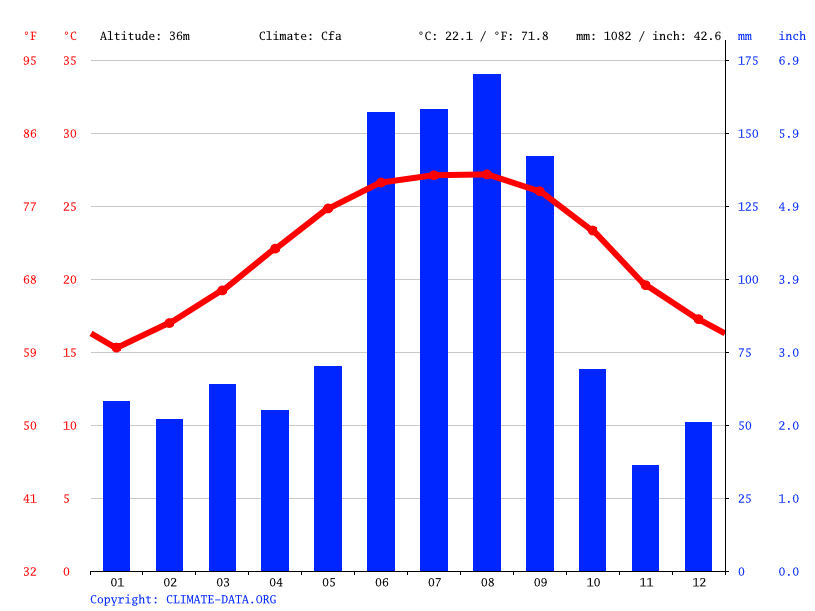
Orlando, situated in the central part of Florida, benefits from a humid subtropical climate. This classification means it experiences hot, rainy summers and mild to cool, relatively dry winters. The city’s proximity to the equator ensures ample sunshine throughout the year, but the varying intensity of solar radiation and the influence of oceanic patterns dictate the daily temperatures and overall weather conditions. This consistent warmth is a major draw for tourists seeking an escape from colder climates, yet it also necessitates careful planning to make the most of a visit.
The Role of Humidity
Perhaps as important as the temperature itself, humidity plays a pivotal role in defining Orlando’s climate. During the summer months, humidity levels often hover between 80% and 90%, making even moderate temperatures feel significantly hotter and more oppressive. This high humidity is a direct result of the warm waters of the Gulf of Mexico and the Atlantic Ocean providing ample moisture to the air. Travelers should anticipate that the “feels like” temperature, often referred to as the heat index, will frequently exceed the actual air temperature, especially from May through September. Conversely, winter brings lower humidity, making the cooler temperatures feel crisp and refreshing, offering a stark contrast to the summer’s heavy air.
Seasonal Variations
While the sun is a constant, Orlando’s seasons offer distinct experiences:
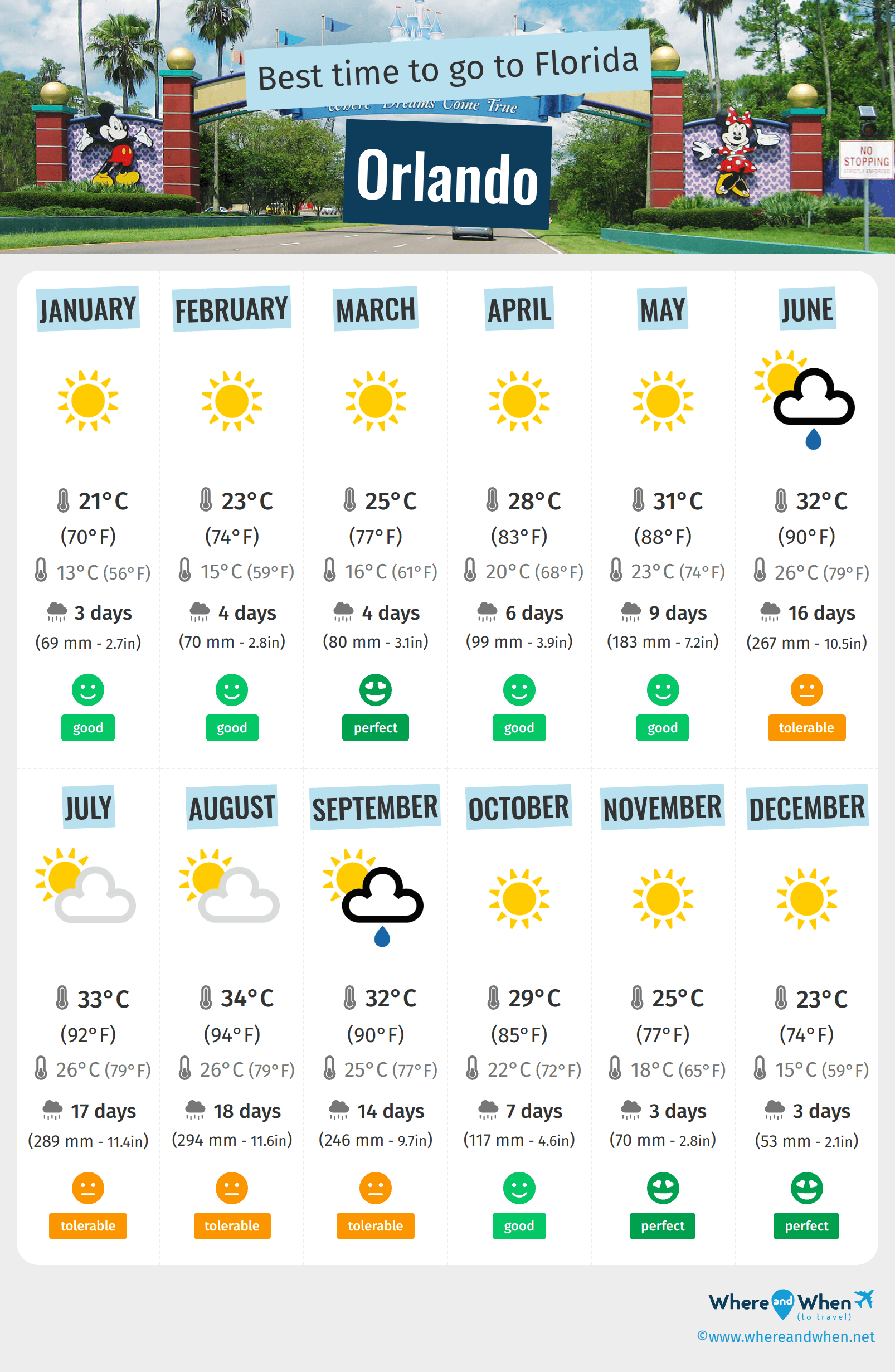
- Summer (June-September): This is the hottest and wettest season. Daily high temperatures consistently reach into the low 90s Fahrenheit (32-34°C), with nighttime lows in the mid-70s (24-26°C). Afternoon thunderstorms are a daily occurrence, providing temporary relief from the heat.
- Fall (October-November): A transitional period where temperatures gradually cool down. Highs range from the low 80s (27-29°C) in October to the mid-70s (24-26°C) by November, with less humidity.
- Winter (December-February): The coolest and driest season. Daytime highs are typically in the low to mid-70s (21-24°C), and nights can dip into the 40s or 50s (4-15°C). Cold fronts can bring brief periods of much cooler weather.
- Spring (March-May): Generally considered one of the best times to visit, with comfortable temperatures and lower humidity. Highs are in the upper 70s to mid-80s (25-30°C), and nights are pleasantly mild.
Navigating Orlando’s Heat: Summer Travel
Summer in Orlando is synonymous with heat, humidity, and the occasional torrential downpour. For travelers embracing this season, preparation is key to ensuring an enjoyable and comfortable trip, particularly when visiting the sprawling theme parks.
Peak Summer Conditions
From June through September, Orlando is in the throes of its hot and humid season. Daily highs frequently push into the low to mid-90s Fahrenheit (32-35°C), with the heat index making it feel significantly warmer, often reaching triple digits. Mornings might offer a brief window of relative comfort, but by late morning, the heat builds rapidly. Afternoon thunderstorms, typically short-lived but intense, are a daily fixture, often clearing to reveal sunshine again, albeit with heightened humidity. These storms can be a welcome cool-down but also necessitate flexibility in outdoor plans.
Essential Packing for Summer
Packing smart for an Orlando summer means prioritizing lightweight, breathable fabrics. Opt for cotton, linen, or moisture-wicking athletic wear. Loose-fitting clothing in light colors will help reflect sunlight and promote air circulation. Essentials include multiple changes of clothes, swimwear, comfortable walking shoes that can withstand moisture, a wide-brimmed hat, sunglasses, and high SPF sunscreen. A small, lightweight umbrella or poncho is invaluable for sudden rain showers. Consider a portable fan or cooling towels for extra relief.
Managing the Midday Sun at Theme Parks
Theme parks like Walt Disney World Resort and Universal Orlando Resort are expansive and offer limited shade in many queue lines. To combat the midday sun, travelers should plan strategic breaks. Utilize indoor attractions, sit-down restaurants, or air-conditioned shops during the hottest hours (typically 1 PM to 4 PM). Early mornings and evenings are often the most pleasant times for outdoor rides and shows. Hydration is paramount; take advantage of free water cups offered at quick-service restaurants and carry a refillable water bottle. Consider booking a hotel with a pool for a mid-day refresh.
The Allure of Winter and Spring: Ideal Travel Seasons

Many seasoned travelers consider the cooler, drier months of winter and spring to be the best times to visit Orlando, thanks to more comfortable temperatures and lower humidity.
Pleasant Temperatures and Lower Humidity
From December through May, Orlando experiences its most agreeable weather. Winter days typically see highs in the low to mid-70s Fahrenheit (21-24°C), making outdoor activities incredibly pleasant. Nights can dip into the 40s or 50s (4-15°C), requiring a light jacket or sweater. Spring ushers in slightly warmer temperatures, with highs in the upper 70s to mid-80s (25-30°C) and consistently low humidity. These conditions are perfect for extended days at theme parks, golfing, exploring Lake Eola Park, or visiting outdoor attractions like ICON Park without the oppressive heat of summer.
Spring Break and Holiday Crowds
While the weather is nearly perfect, it’s important to note that these seasons, especially spring break (March-April) and the winter holidays (mid-December to early January), coincide with peak travel periods. This means higher crowds at attractions and potentially increased accommodation costs. Flexibility with travel dates can help travelers enjoy the excellent weather with fewer crowds, such as visiting in early December or late January. Despite the crowds, the comfortable climate makes waiting in lines and navigating parks far more tolerable than during the peak summer months.
Fall in Florida: A Traveler’s Sweet Spot
Often overlooked, the fall season in Orlando presents a compelling argument for being one of the best times to visit, offering a wonderful balance of decreasing heat, manageable humidity, and fewer crowds compared to spring break or the winter holidays.
Transitioning from Heat to Mildness
October marks a noticeable shift in Orlando’s climate. While early October can still retain some summer-like warmth, with highs in the low 80s Fahrenheit (27-29°C), the humidity begins to drop significantly. By November, the air becomes crisp, and daily high temperatures settle into the mid-70s (24-26°C), with cool, pleasant evenings. The frequent afternoon thunderstorms of summer dissipate, giving way to more consistent sunshine and clearer skies. This transition creates an ideal environment for enjoying all that Orlando has to offer without the intense heat or the need to constantly seek shade.
Festival Season and Outdoor Comfort
Fall is a vibrant time in Orlando, especially within the theme parks. Epcot hosts its famous International Food & Wine Festival, and Universal Orlando Resort transforms for Halloween Horror Nights. The milder temperatures enhance the enjoyment of these outdoor events, making it comfortable to wander through festival booths, explore themed areas, or attend live performances. It’s also an excellent time for activities beyond the parks, such as airboat tours in the Everglades or day trips to the Kennedy Space Center Visitor Complex, where the comfortable weather makes extended outdoor exploration a pleasure.
Preparing for All Seasons: Practical Travel Tips
Regardless of when travelers choose to visit Orlando, a few universal tips can help ensure comfort and safety in its dynamic climate.
Hydration and Sun Protection
These two elements are non-negotiable for any Orlando trip. The constant sunshine, even in cooler months, necessitates regular application of high SPF sunscreen. Reapply frequently, especially after swimming or sweating. Wear sunglasses to protect your eyes and a hat for added face and scalp protection. Hydration is crucial year-round; carry a reusable water bottle and drink water consistently, even if you don’t feel thirsty. Electrolyte drinks can be beneficial during prolonged periods of activity in warm weather.
Flexible Wardrobe Strategies
Even in winter, Orlando weather can be unpredictable. Mornings might be chilly, but by midday, temperatures can rise significantly. Dressing in layers is a smart strategy for any season outside of peak summer. This allows travelers to adjust their clothing throughout the day as temperatures fluctuate. For winter visits, pack a light jacket or sweater for evenings and early mornings, along with shorts and t-shirts for daytime. In the shoulder seasons of spring and fall, bring a mix of light long sleeves and shorts. Always include swimwear, as hotel pools are often heated and inviting year-round.
Monitoring Weather Forecasts
While general seasonal patterns hold true, local weather in Orlando can change quickly. Travelers should check the weather forecast a few days before departure and continue to monitor it daily during their trip. This vigilance helps in making last-minute adjustments to packing, planning theme park days, or scheduling outdoor activities. Understanding the specific forecast for rain chances, humidity levels, and temperature highs and lows will empower visitors to make informed decisions and fully enjoy their Orlando adventure, whatever the thermometer reads.
LifeOutOfTheBox is a participant in the Amazon Services LLC Associates Program, an affiliate advertising program designed to provide a means for sites to earn advertising fees by advertising and linking to Amazon.com. Amazon, the Amazon logo, AmazonSupply, and the AmazonSupply logo are trademarks of Amazon.com, Inc. or its affiliates. As an Amazon Associate we earn affiliate commissions from qualifying purchases.