
The allure of moonshine, with its rich history and potent kick, often conjures images of clandestine stills and Prohibition-era speakeasies. For travelers and enthusiasts exploring the vibrant culture of Texas, understanding the legality of this potent spirit is crucial, especially when considering local breweries, distilleries, and the culinary landscape. While often associated with the American South, its presence and legality within the Lone Star State are subjects that merit a closer look, particularly for those interested in local culture and food experiences.
Understanding Texas Alcohol Laws and the Definition of Moonshine
To navigate the question of moonshine’s legality in Texas, it’s essential to first define what constitutes “moonshine” and how it fits within the state’s comprehensive alcohol regulations. Legally speaking, moonshine is a distilled spirit, typically unaged and made from a mash of grains or fruit. Its historical connection to illegal production, often in remote areas under the cover of night, has cemented its reputation as a “prohibited” beverage in the eyes of the law.

Distilled Spirits vs. Fermented Beverages
Texas has a tiered system for regulating alcoholic beverages, distinguishing between fermented products like beer and wine, and distilled spirits.
- Fermented Beverages: The production and sale of beer and wine are generally permitted and regulated by the Texas Alcoholic Beverage Commission (TABC). This includes craft breweries and wineries scattered throughout the state, offering visitors opportunities to sample local brews and vintages.
- Distilled Spirits: The distillation of spirits, however, is a more heavily regulated activity. Historically, unlicensed distillation was, and remains, illegal. This is where the concept of “moonshine” often falls afoul of the law. The process of distillation concentrates alcohol to a much higher proof than fermentation alone, and the equipment required is also more sophisticated and subject to federal and state oversight.
The Federal and State Legal Framework
The legality of producing and selling distilled spirits in Texas is governed by both federal laws enforced by the Alcohol and Tobacco Tax and Trade Bureau (TTB) and state laws managed by the TABC. Unlicensed distillation is a federal offense, carrying significant penalties. Therefore, any spirit that would be classified as moonshine, if produced outside of a licensed facility, is illegal.
The Rise of Legal Craft Distilleries in Texas
While the term “moonshine” carries a historical connotation of illegality, the landscape of distilled spirits in Texas has evolved dramatically in recent years. A burgeoning craft distillery scene has emerged, legally producing a wide array of spirits, including those that share characteristics with traditional moonshine. These distilleries operate under strict licensing and regulatory requirements, ensuring their products are safe, taxed, and legally available for purchase.
What Distinguishes Legal “Craft Spirits” from Illegal Moonshine?
The key differentiator lies in compliance with the law. Licensed distilleries in Texas adhere to rigorous standards:
- Licensing: Obtaining the necessary federal and state permits is a complex and costly process, involving inspections, background checks, and adherence to production quotas and tax obligations.
- Quality Control and Safety: Licensed facilities are subject to regular inspections and must maintain stringent quality control measures to ensure the safety and consistency of their products. This includes proper equipment, sanitation, and testing.
- Taxation: Legally produced spirits are subject to federal and state excise taxes, contributing to public revenue. Illegal moonshine, by definition, evades these taxes.
- Distribution and Sale: Licensed distilleries can legally sell their products through various channels, including tasting rooms, liquor stores, and restaurants, often becoming a significant part of the local culture and food scene.
Exploring Texas’s Craft Distillery Trail
For travelers interested in experiencing the modern iteration of distilled spirits, Texas offers a growing number of craft distilleries. These establishments are not operating clandestine operations but are proud, legitimate businesses contributing to the state’s economy and tourism sector.
- Variety of Spirits: While some may produce clear, unaged spirits reminiscent of traditional moonshine (often labeled as “unaged whiskey” or “white whiskey” to comply with federal definitions), many also craft aged whiskies, gins, vodkas, and rums.
- Tasting Room Experiences: Many distilleries feature inviting tasting rooms where visitors can sample their offerings, learn about the distillation process, and purchase bottles. This provides a unique experience and a chance to connect with local artisans.
- Culinary Pairings: The rise of craft distilleries has also fueled an integration with Texas’s renowned culinary scene. Many restaurants and bars feature craft spirits in their cocktails, and some distilleries even offer food services or partner with local food trucks.
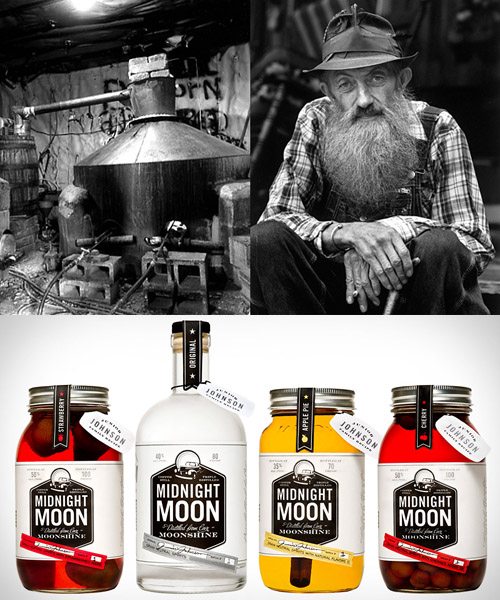
Examples of such destinations include distilleries in Austin, San Antonio, and the Texas Hill Country, each offering a distinct flavor of the state’s craft spirit movement.
The Legal Status of “Homebrewing” and Small-Scale Distillation
A common question for hobbyists and those curious about the process is the legality of distilling spirits at home in Texas.
Federal Prohibition on Home Distillation
At the federal level, the production of distilled spirits for personal consumption without a permit is illegal. The Alcohol and Tobacco Tax and Trade Bureau (TTB) prohibits the unlicensed distillation of alcohol. This is a crucial distinction from homebrewing beer or making wine, which are legal for personal use under federal law, provided they are not sold.
Texas State Regulations
Texas state laws align with federal prohibitions regarding the distillation of spirits. The TABC does not issue permits for individual home distillation for personal use. Attempting to produce distilled spirits without the proper federal and state licenses can result in severe legal consequences, including hefty fines and imprisonment.
Therefore, while the spirit of DIY and experimentation is strong in Texas, when it comes to distilled spirits, it is paramount to adhere to the legal framework. The historical romanticism of the moonshiner’s craft should remain in the realm of history and narrative, rather than practice, for individuals without the requisite licenses.
Legal Ways to Experience and Purchase Spirits in Texas
For those interested in sampling or purchasing spirits that might evoke the character of traditional moonshine, Texas provides several legal avenues, all within the established regulatory framework.
Visiting Licensed Distilleries and Tasting Rooms
As previously mentioned, the most direct and legal way to experience these spirits is by visiting licensed craft distilleries across the state. These establishments offer:
- Guided Tours: Learn about the process from grain to bottle, understanding the ingredients and techniques used.
- Tastings: Sample various products, often including unaged or minimally aged white whiskeys, which are the closest legal relatives to historical moonshine.
- Direct Purchase: Buy bottles directly from the distillery, supporting local businesses and ensuring you are acquiring a legally produced and taxed product.
Purchasing from Licensed Retailers
Legally produced spirits are available for purchase at licensed liquor stores and grocery stores that sell alcohol throughout Texas. These retailers are stocked by licensed distributors and adhere to strict regulations regarding sales, including age verification. When purchasing, look for brands that are clearly labeled with their distillery information and indicate compliance with TTB and TABC regulations.
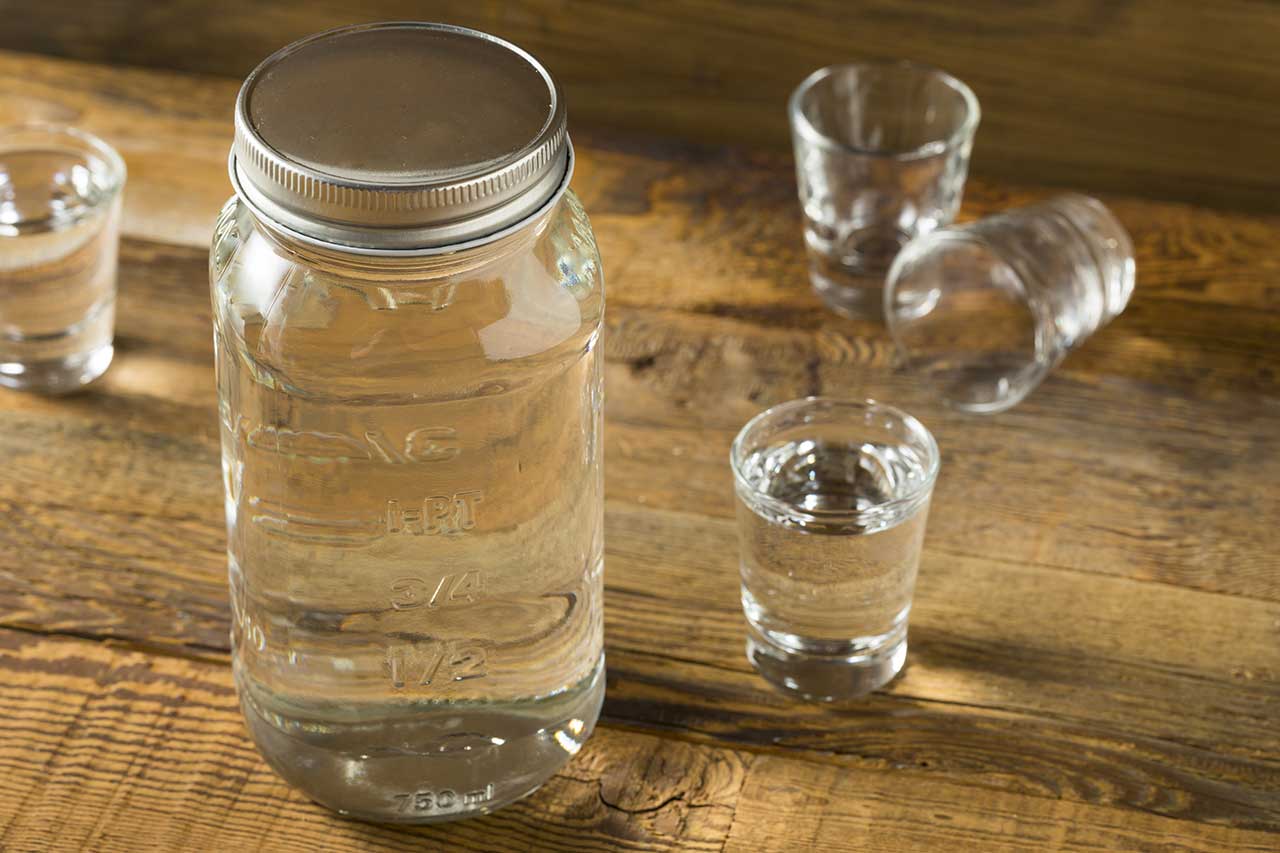
Exploring Texas’s Cocktail and Culinary Scene
Many bars and restaurants in Texas proudly feature craft spirits, often using them in creative and classic cocktails. This is another excellent way to legally sample the diversity of spirits available, from unaged white whiskeys to barrel-aged creations. Exploring menus at establishments in cities like Dallas, Houston, and Fort Worth can reveal unique spirit-forward drinks that highlight the ingenuity of Texas distillers.
In conclusion, while the concept of “moonshine” is deeply embedded in American folklore, its production and sale in Texas are strictly regulated. The state embraces a thriving and legal craft distillery scene, offering enthusiasts ample opportunities to explore the world of distilled spirits. By understanding the legal distinctions and patronizing licensed establishments, visitors and residents alike can enjoy these potent beverages responsibly and legally, contributing to the rich tapestry of Texas culture and tourism.
LifeOutOfTheBox is a participant in the Amazon Services LLC Associates Program, an affiliate advertising program designed to provide a means for sites to earn advertising fees by advertising and linking to Amazon.com. Amazon, the Amazon logo, AmazonSupply, and the AmazonSupply logo are trademarks of Amazon.com, Inc. or its affiliates. As an Amazon Associate we earn affiliate commissions from qualifying purchases.