
Understanding the economic landscape of any state is fundamental to grasping the diverse lifestyles it encompasses. Florida, a state renowned for its sun-drenched beaches, vibrant cities like Miami and Orlando, and a tourism-driven economy, also presents a complex picture when viewed through the lens of its poverty level. For residents, potential relocators, or even long-term visitors, delving into this data offers crucial insights into the cost of living, economic opportunities, and the daily realities shaping life across the Sunshine State.
Defining Poverty in the Florida Context
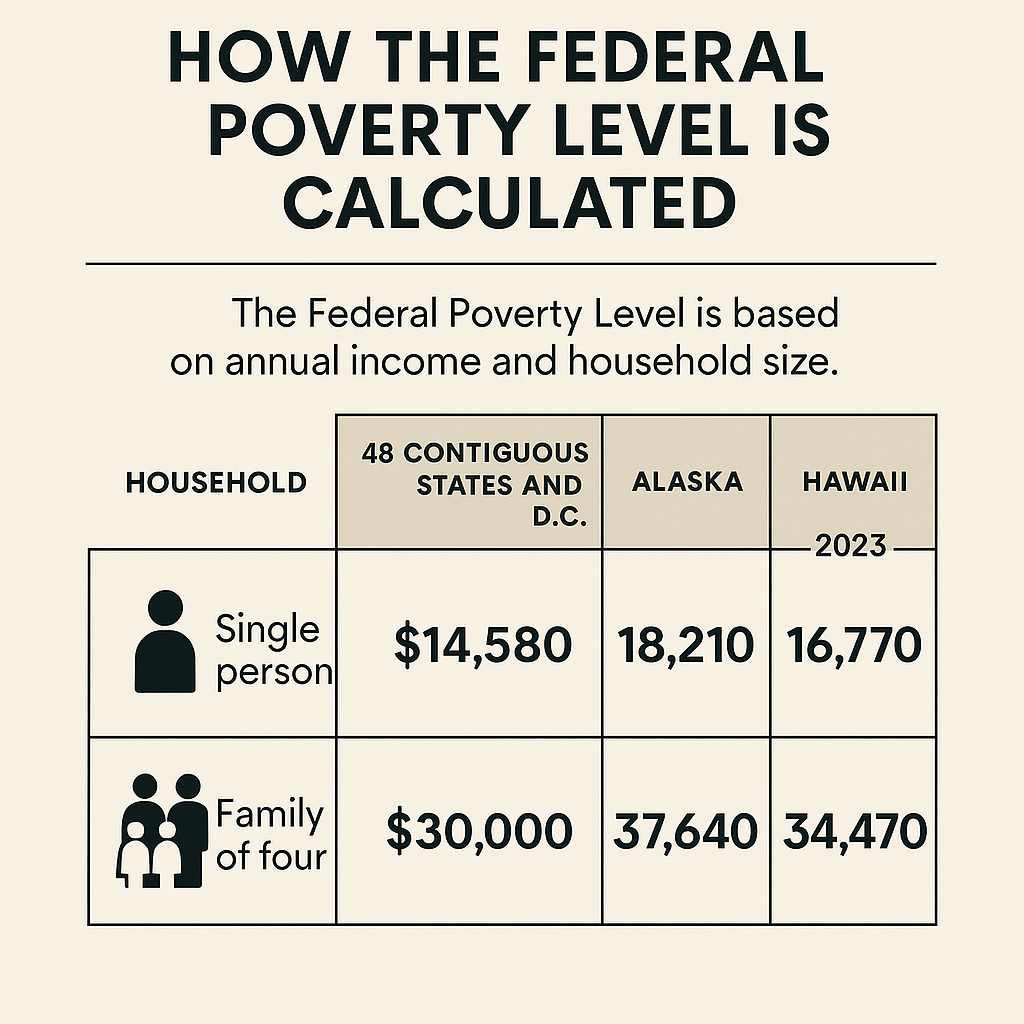
The concept of “poverty level” is typically defined by the U.S. federal poverty guidelines, established annually by the Department of Health and Human Services. These guidelines are based on income thresholds that vary by family size and are used to determine eligibility for various federal programs and benefits. It’s important to understand that these federal benchmarks are a nationwide standard, and they do not account for the significant regional differences in the cost of living—a particularly relevant factor in a state as economically diverse as Florida.

For instance, the income required to maintain a basic standard of living in a high-cost area like Miami or Naples can be substantially higher than in more rural parts of the Panhandle. Therefore, while federal poverty statistics offer a baseline, they often understate the true economic challenges faced by many Florida residents, especially those living in metropolitan areas where housing, transportation, and daily expenses consume a larger portion of income.
The federal poverty thresholds are a starting point for assessing economic well-being, but a more nuanced understanding often involves considering the “cost of living” in specific locales. Many analyses of economic hardship in Florida also use measures like the “Self-Sufficiency Standard,” which calculates how much income families need to meet their basic needs without public or private assistance, varying by location and household composition. These localized metrics provide a more accurate picture of what it takes to live a stable lifestyle in different parts of the state.
Impact on Florida Lifestyles: Cost of Living and Economic Realities
The poverty level, and more broadly, economic struggle, profoundly shapes the lifestyles of Florida residents. Access to affordable housing, quality healthcare, nutritious food, and educational opportunities are all directly impacted by income levels relative to the cost of living.
Housing Affordability
Florida’s real estate market has seen significant fluctuations, with many desirable areas experiencing rapid price appreciation. This often pushes lower-income families into less desirable neighborhoods, further from employment centers, or forces them to allocate an unsustainable portion of their income to housing. The dream of homeownership, a cornerstone of the American lifestyle, remains out of reach for many Florida families struggling near or below the poverty line. Even renting can be a significant burden, especially in popular tourist destinations and coastal cities.
Employment and Wages
While Florida boasts a robust service and tourism industry, many of these jobs are characterized by lower wages and part-time hours, making it difficult for individuals and families to achieve financial stability. Industries like hospitality, retail, and healthcare support services are significant employers, but their wage structures can contribute to the prevalence of working poverty—where individuals are employed but still struggle to meet basic needs. This economic reality means that for many, living in Florida involves a constant balancing act between earning enough and managing expenses.
Access to Services and Amenities
Lower income levels can restrict access to vital services that contribute to a healthy and fulfilling lifestyle. This includes everything from reliable transportation to healthcare providers, healthy food options, and recreational activities. Communities with higher poverty rates often face challenges in maintaining robust public infrastructure and services, creating a cycle that can further entrench economic hardship. The ability to participate fully in the diverse cultural and recreational offerings of Florida can become a luxury rather than an accessible aspect of daily life for those with limited financial resources.
Geographic Disparities and Community Lifestyles
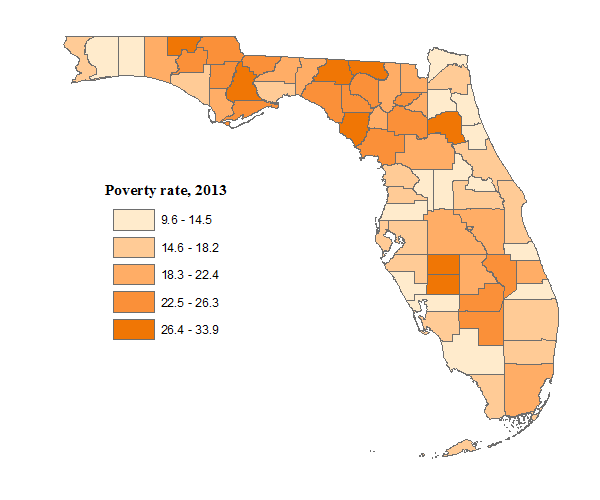
Florida is a vast and varied state, and its poverty levels are not evenly distributed. Urban centers, rural communities, and different coastal regions each present unique economic landscapes.
Urban vs. Rural Poverty
Generally, poverty rates can be higher in certain rural areas of Florida, particularly in the northern and central interior regions, where economic opportunities are fewer and industries may be declining. Here, residents often face challenges related to infrastructure, healthcare access, and educational resources.
Conversely, while major cities like Tampa, Orlando, and Jacksonville offer more job opportunities, they also present a higher cost of living, leading to a phenomenon where even working individuals struggle to make ends meet within city limits. This disparity creates distinct community lifestyles, with some areas thriving economically while others contend with persistent challenges.
Coastal vs. Inland Economies
Florida’s coastal regions, particularly along the Gulf Coast and Atlantic Coast, often benefit from robust tourism and real estate markets. However, even within these affluent areas, pockets of poverty exist, often hidden amidst luxury. Inland communities, away from the direct economic engine of the beaches, can experience different economic pressures. Understanding these geographical nuances is critical for appreciating the full spectrum of lifestyles across the state, from the opulent to the economically constrained. Places like Key West, despite its tourist appeal, also grapples with significant cost-of-living challenges for its service industry workers.
Navigating Florida’s Economic Landscape: Implications for Residents and Visitors
For individuals considering a move to Florida, or even for those planning extended stays or considering retirement, understanding the state’s poverty level and its underlying causes is more than just a statistic; it’s a practical consideration for lifestyle planning.
Budgeting for a Florida Lifestyle
Those contemplating a move should thoroughly research the cost of living in their desired location within Florida. Factors such as housing prices, insurance rates (especially for hurricanes), transportation costs, and local taxes can vary dramatically. A comfortable lifestyle in one part of the state might require a significantly larger income in another. This informed approach allows for realistic budgeting and ensures that expectations align with economic realities, whether seeking luxury or a more modest, affordable way of life.
Engaging with Local Communities
For visitors and new residents alike, an awareness of the local economic landscape fosters a deeper, more empathetic engagement with Florida’s diverse communities. Supporting local businesses, understanding the challenges faced by various populations, and contributing to local economies responsibly can enhance the experience of living or traveling within the state. This mindset aligns with a conscientious lifestyle that seeks to understand and positively impact the places one inhabits or visits. For example, understanding the struggles of seasonal workers in the agricultural heartland or the service industry in tourist hubs like Orlando or the Everglades can inform consumer choices and interactions.
Economic Opportunities and Challenges
Florida’s economy is dynamic, continually evolving with shifts in demographics, technology, and global markets. While the state offers significant opportunities in sectors like aerospace, logistics, and tech, traditional industries remain vital. Understanding where economic growth is concentrated and where challenges persist provides a comprehensive view for those looking to build a life or career in the state. This insight is particularly valuable for young professionals, entrepreneurs, and families seeking long-term stability and growth.
In conclusion, the question “What Is The Florida Poverty Level?” leads to a multifaceted exploration of economic realities that directly influence the lifestyles of millions. It highlights the importance of looking beyond superficial perceptions to understand the true cost of living and the diverse economic experiences that shape daily life across this vibrant and complex state.
LifeOutOfTheBox is a participant in the Amazon Services LLC Associates Program, an affiliate advertising program designed to provide a means for sites to earn advertising fees by advertising and linking to Amazon.com. Amazon, the Amazon logo, AmazonSupply, and the AmazonSupply logo are trademarks of Amazon.com, Inc. or its affiliates. As an Amazon Associate we earn affiliate commissions from qualifying purchases.