
The Foundation of Timeliness in Florida Accommodation Disputes
Understanding the concept of the statute of limitations is crucial for anyone engaging with accommodation services or properties in Florida, whether as a visitor enjoying a vacation rental, a guest at a luxury resort, or a long-term tenant. These legal deadlines dictate the timeframe within which a lawsuit must be filed after a claim arises, acting as a critical gatekeeper for potential legal action. Missing this deadline, regardless of the merit of the underlying claim, typically results in the permanent forfeiture of the right to sue. In the dynamic landscape of Florida’s hospitality and housing markets, from the bustling energy of Miami to the theme park wonders of Orlando, disputes can unfortunately arise. Knowing these time limits is not merely a legal technicality; it’s a fundamental aspect of protecting one’s rights and ensuring timely redress for grievances related to accommodation.
Defining the Deadline for Legal Action
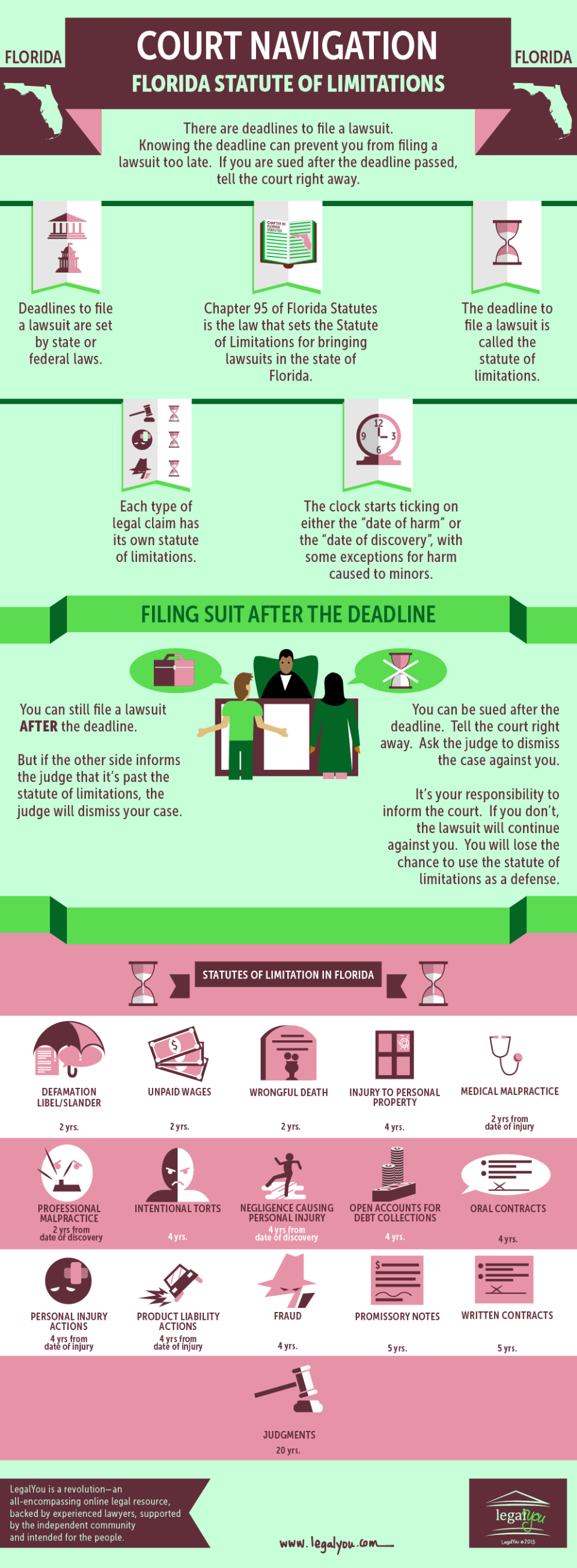
At its core, a statute of limitations is a law that sets the maximum time after an event within which legal proceedings may be initiated. Its primary purpose is multifaceted: to promote fairness by ensuring that claims are brought while evidence is still fresh and witnesses’ memories are clear, to prevent the filing of stale or fraudulent claims, and to provide a definite end point for potential liability. For issues stemming from accommodation—be it an injury sustained on hotel property, a breach of a rental agreement, or a dispute over a security deposit—Florida law specifies distinct periods for different types of legal claims. These periods vary significantly depending on the nature of the claim, underscoring the necessity of identifying the exact legal grounds for any potential dispute.
Why it Matters for Your Florida Stay
For anyone visiting or residing in Florida, understanding these time limits is paramount. Imagine a scenario where a vacationer suffers an injury due to a poorly maintained staircase at a rental property in Key West, or a tenant in Tampa discovers their landlord illegally withheld a security deposit. In both cases, the clock begins ticking from the moment the incident occurs or the discovery is made. Failing to initiate legal proceedings—which typically means filing a lawsuit—within the prescribed period means that the opportunity to seek compensation or resolution through the courts is lost forever. This applies equally to individuals and to businesses, whether they are small independent vacation rental owners or large corporate hotel chains in Jacksonville. Diligence and prompt action are therefore non-negotiable when a dispute arises within the accommodation sphere.
Navigating Specific Accommodation-Related Claims and Their Timeframes in Florida
The diverse nature of accommodation disputes in Florida means that different types of claims are subject to different statutes of limitations. It is imperative to correctly categorize the dispute to apply the appropriate time limit.
Personal Injury Claims: Accidents at Hotels, Resorts, or Rental Properties
One of the most common types of claims in the accommodation sector involves personal injury. Guests or tenants might suffer injuries due to slip-and-falls on wet floors, accidents near swimming pools, faulty equipment in fitness centers, or hazards on rental property. In Florida, claims based on negligence—the legal basis for most personal injury lawsuits—are generally subject to a four-year statute of limitations. This means that an injured party has four years from the date of the accident to file a lawsuit against the responsible party (e.g., the hotel, resort, or property owner). This period is critical for premises liability cases, which often arise in the hospitality industry.
Contractual Disputes: Rental Agreements, Bookings, and Service Issues
Many accommodation-related issues stem from agreements, whether they are formal written leases for a long-term apartment, terms and conditions for a hotel booking, or informal understandings with a vacation rental host.
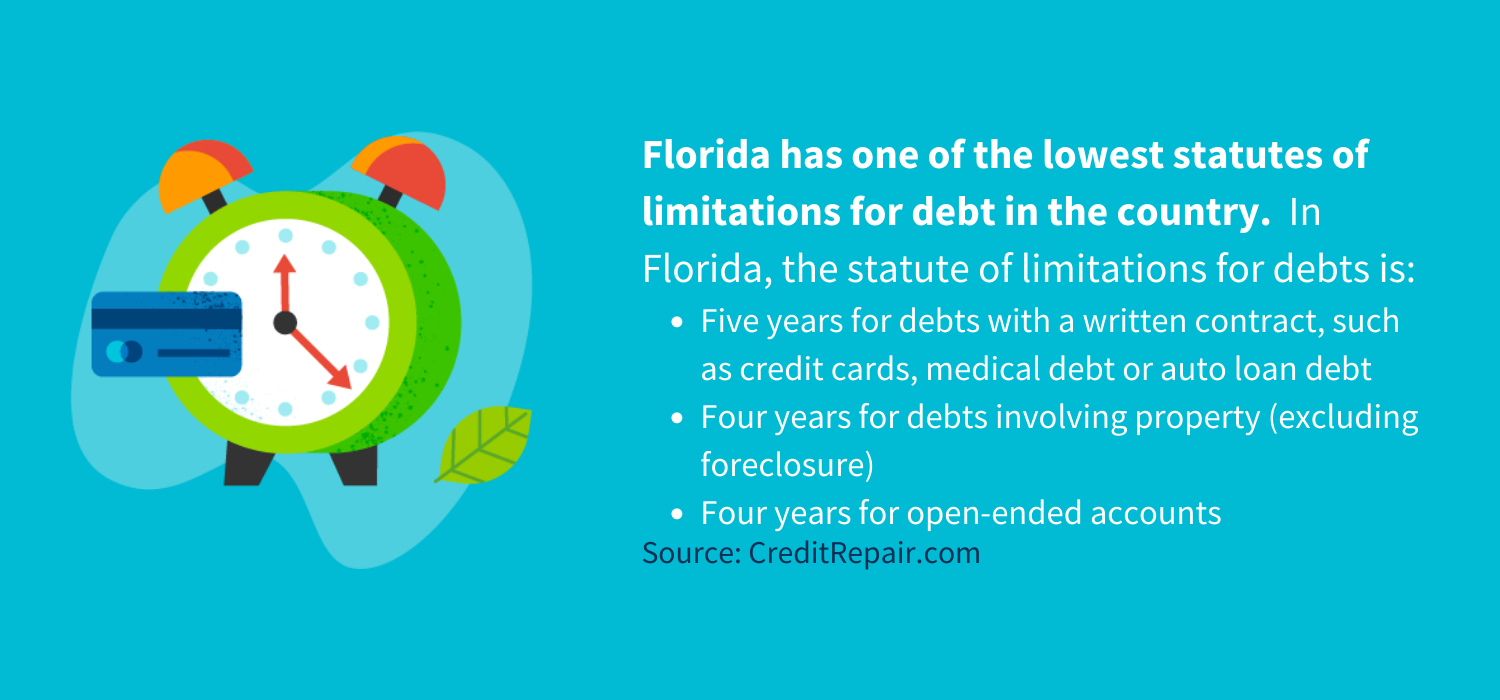
- Breach of Written Contract: If a dispute arises from a written agreement, such as a signed lease agreement that dictates rent payments, maintenance responsibilities, or specific amenities, Florida law typically provides a five-year statute of limitations. This applies to scenarios like a hotel failing to provide a booked room or service as per a written confirmation, or a landlord breaching a written lease term.
- Breach of Oral Contract: Less common but equally valid are disputes arising from oral agreements. While proving the terms of an oral contract can be more challenging, claims based on unwritten agreements generally have a four-year statute of limitations in Florida. This could apply to a verbal promise made by a vacation rental host regarding a specific feature or service that was not fulfilled.
- Actions to Recover Personal Property: In cases where personal property is damaged or stolen while in accommodation, such as items taken from a hotel room, the statute of limitations for specific personal property actions is four years.
Property Damage and Security Deposit Recovery
Disputes over property damage or the return of security deposits are frequent, particularly in rental scenarios.
- Security Deposit Disputes: Florida Statute 83.49 governs security deposits for residential tenancies. While this statute outlines specific short timelines for landlords to return or claim a portion of a deposit (15 or 30 days), if a tenant needs to sue for the return of their deposit, this would generally fall under a breach of contract (either written or oral, depending on the lease) or a specific statutory action, carrying a four or five-year statute of limitations for the actual lawsuit, after the initial statutory demand and response period.
- Damage to Property: If a tenant damages a rental property, or conversely, if the property owner’s negligence causes damage to a tenant’s belongings, claims for property damage generally fall under a four-year statute of limitations for tortious damage to personal property.

Distinctions Across Accommodation Types in Florida
While the fundamental statutes of limitations are state-wide, the context and nuances of claims can differ significantly based on the type of accommodation involved, impacting how a dispute unfolds.
Hotel and Resort Stays: Commercial Hospitality
Hotels and resorts, prevalent in tourist hubs like Orlando and Miami, operate under specific commercial hospitality laws. Disputes here often involve personal injury claims (e.g., slip-and-falls in lobbies or around pools), issues with service quality, overcharging, or theft of guest property. The relationship between a guest and a hotel is primarily contractual, often governed by implied agreements and the hotel’s posted policies. While the four-year limit for negligence (personal injury) and five-year limit for written contract breaches (e.g., specific reservation terms) still apply, the corporate structure of many hotels means dealing with established legal departments and insurance companies.
Vacation Rentals (Airbnb, VRBO, etc.): Peer-to-Peer Dynamics
The rise of platforms like Airbnb and VRBO has introduced a new dynamic to accommodation. Vacation rentals often involve a more direct, peer-to-peer relationship between guests and individual property owners or managers. Disputes might center on undisclosed property conditions, misrepresentations in listings, host responsiveness, or cancellation policies. The terms of service for Airbnb or VRBO themselves often include dispute resolution mechanisms, such as mediation or arbitration clauses, which must be navigated before or in conjunction with considering formal legal action. The underlying Florida statutes of limitations for contract and personal injury claims remain applicable, but the path to seeking redress might first involve platform-specific protocols.
Long-Term Residential Leases: Landlord-Tenant Law
For long-term residential leases in Florida, a comprehensive body of landlord-tenant law (Chapter 83 of the Florida Statutes) provides specific rights and responsibilities for both parties. Issues like wrongful eviction, failure to maintain habitable conditions, disputes over rent increases, and, as mentioned, security deposit returns, are common. While the general contract statutes of limitations still apply for broader breaches of the lease, some specific actions under landlord-tenant law might have their own particular, sometimes shorter, deadlines or procedural requirements that must be met before a lawsuit can even be considered. For instance, notice requirements for certain actions are strict and must be followed punctually.
Critical Considerations for Preserving Your Claim in Florida
Given the strict nature of statutes of limitations, proactive and informed action is paramount when facing an accommodation dispute in Florida.
The Importance of Documentation
Regardless of the type of accommodation or the nature of the claim, thorough documentation is the bedrock of any successful legal action. This includes:
- Photographs and Videos: Documenting property conditions, damages, or injury-causing hazards.
- Communication Records: Saving all emails, text messages, platform messages (Airbnb or VRBO message threads), and written correspondence with hosts, landlords, or hotel management.
- Receipts and Invoices: Proof of payments, additional expenses incurred due to the dispute (e.g., alternative accommodation, medical bills), or repair costs.
- Witness Statements: Contact information and accounts from any individuals who observed the incident or relevant conditions.
- Medical Records: For personal injury claims, detailed medical reports, diagnoses, and treatment plans are essential.
Maintaining a meticulous record helps substantiate the claim, establishes a timeline, and can significantly aid legal counsel in assessing the viability and strength of a case within the applicable statute of limitations.
When the Clock Starts Ticking: The “Discovery Rule”
While the statute of limitations typically begins on the date of the incident, Florida law, like many jurisdictions, incorporates the “discovery rule” in certain circumstances. This rule stipulates that the statute of limitations may not begin to run until the injury or claim was, or reasonably should have been, discovered. This is particularly relevant in cases where damages or injuries are not immediately apparent, such as certain construction defects in a rental property that manifest over time. However, applying the discovery rule can be complex and is often subject to judicial interpretation, emphasizing the need for expert legal advice.
Seeking Professional Guidance Early
Navigating the intricacies of Florida’s statutes of limitations and the specific nuances of accommodation law can be challenging for those without legal training. The stakes are high, as missing a deadline can permanently bar a claim. Therefore, anyone facing an accommodation-related dispute in Florida should seek consultation with an attorney experienced in Florida real estate, contract, or personal injury law as soon as possible. An attorney can accurately assess the nature of the claim, determine the precise statute of limitations that applies, help gather necessary evidence, and guide the process of preserving and pursuing legal remedies efficiently. This article is intended for informational purposes only and does not constitute legal advice.
LifeOutOfTheBox is a participant in the Amazon Services LLC Associates Program, an affiliate advertising program designed to provide a means for sites to earn advertising fees by advertising and linking to Amazon.com. Amazon, the Amazon logo, AmazonSupply, and the AmazonSupply logo are trademarks of Amazon.com, Inc. or its affiliates. As an Amazon Associate we earn affiliate commissions from qualifying purchases.