
Navigating the legal landscape of a name change in Texas can feel like embarking on a journey through a meticulously mapped territory. While not a typical travel itinerary, the process involves understanding jurisdictions, forms, and fees, akin to planning a trip with specific requirements and expenditures. This guide breaks down the costs associated with legally altering your name in the Lone Star State, ensuring you can budget effectively for this significant life event.
Understanding the Core Costs
The primary financial outlay for a name change in Texas revolves around court fees and document filing. These are non-negotiable components of the legal process, regardless of whether you’re changing your name for personal preference, upon marriage or divorce, or for other reasons.
Court Filing Fees
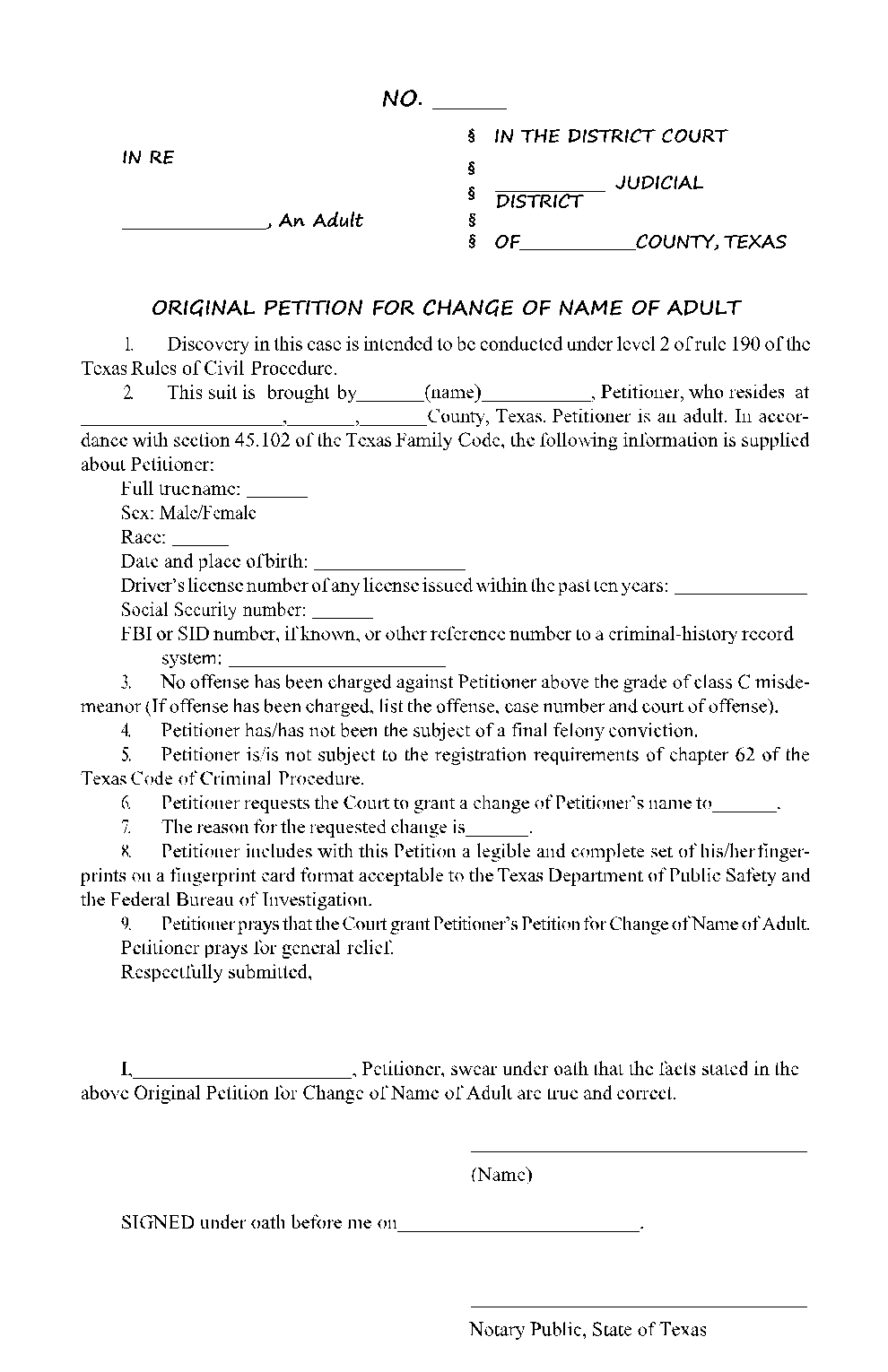
When you file a petition for a name change in Texas, you are initiating a legal proceeding. This action requires the payment of a filing fee to the court clerk in the county where you reside. These fees can vary slightly from county to county, but they generally fall within a predictable range.
- District Court Fees: For most adult name changes, the petition is filed in the county’s District Court. These fees typically range from $250 to $350. This amount covers the administrative costs associated with opening a case, processing your documents, and maintaining the court record.
- Justice of the Peace or County Court Fees: In some specific circumstances, particularly for minor name changes or those associated with divorce, the filing might occur in a Justice of the Peace or County Court. The fees for these courts are often lower, potentially ranging from $50 to $200. However, it is crucial to confirm the correct court for your specific situation.
- Waiver of Fees: For individuals who meet specific low-income requirements, Texas law provides a mechanism to request a waiver of court fees. This involves submitting a “Statement of Inability to Afford Payment of Court Costs” form. If approved by the court, you may be able to proceed with your name change without paying the initial filing fees. This is an important consideration for those facing financial hardship, making the process more accessible.
Publication Costs
A critical step in the Texas name change process, designed to notify the public of your intent, is publication. You will be required to publish a notice of your intended name change in a newspaper of general circulation in your county. This is to ensure that anyone with a legal reason to object to your name change has an opportunity to do so.
- Newspaper Fees: The cost of this publication varies significantly depending on the newspaper chosen and the length of the legal notice. Expect to pay anywhere from $50 to $250, and sometimes more, for this requirement. Some newspapers have set rates for legal notices, while others may charge by the line or word. It’s advisable to contact local newspapers in advance to get quotes for publishing a “Notice of Name Change” or similar legal announcement.
- Affidavit of Publication: After the notice has been published for the required duration (typically one week), the newspaper will provide you with an affidavit attesting to the publication. This document must then be filed with the court as proof of compliance. There may be a small additional fee for this affidavit.
Other Potential Costs
Beyond the mandatory court and publication fees, several other expenses can arise during the name change process, depending on your individual circumstances.
- Certified Copies of the Order: Once your name change is legally granted by the court, you will need certified copies of the court order. These are essential for updating your identification and records with various government agencies and private institutions. The cost for certified copies is usually a few dollars per copy, but you’ll likely need several.
- Social Security Administration: You’ll need a certified copy to update your Social Security card.
- Department of Public Safety (DPS): For your Texas driver’s license or identification card.
- Passport Agency: If you hold a U.S. passport.
- Banks and Financial Institutions: To update your accounts.
- Employer: For payroll and HR records.
- Voter Registration: To ensure your name is correct for voting.
- Other Important Documents: Such as birth certificates, marriage certificates, deeds, and insurance policies.
- Background Check/Criminal History: In some cases, particularly if you have a criminal record, the court may order a background check. The cost for this can range from $20 to $100 or more, depending on the provider. This is a protective measure to ensure the name change is not being sought to evade legal obligations or commit fraud.
- Legal Assistance: While you can navigate the name change process yourself, many individuals opt to hire an attorney. The fees for legal representation vary widely based on the attorney’s experience, location, and the complexity of your case. A simple name change might cost a few hundred dollars in legal fees, while a more complicated case could be significantly more. Hiring an attorney can provide peace of mind and ensure that all legal requirements are met correctly.
- Typing and Notary Services: If you are preparing your own documents, you might incur costs for printing, copying, and potentially notary services, although most court clerks can notarize documents submitted as part of the filing process.
Factors Influencing the Total Expense
The final tally for changing your name in Texas is not a fixed number. Several factors will influence the overall cost, making it essential to consider your personal situation.
Geographic Location
As mentioned, court filing fees can differ slightly between counties. Major metropolitan areas like Houston, Dallas, or Austin might have slightly higher administrative costs associated with their court systems compared to smaller rural counties. Likewise, the cost of newspaper publication can vary based on whether you are in a large city with multiple newspapers or a smaller town with a single local publication.
Method of Name Change
- Marriage or Divorce Decree: If your name change is a direct consequence of marriage or divorce, the process is often streamlined and less expensive. The marriage certificate or divorce decree itself serves as the legal basis for the name change. You will still need to update your identification, but the initial court petition and publication requirements may be different or even waived in some divorce scenarios. However, you will still incur costs for certified copies and updating your documents.
- Independent Name Change Petition: This is the most common scenario for an adult who wishes to change their name for reasons other than marriage or divorce. This process involves filing a formal petition with the court and adhering to all the requirements, including publication, which generally makes it the most comprehensive in terms of administrative and publication fees.
Need for Legal Counsel
The decision to hire an attorney is a significant cost factor. While attorneys add to the overall expense, they can save you time, prevent costly mistakes, and ensure a smoother process, especially if your case has unique complexities. A DIY approach will always be cheaper in terms of direct legal fees but may require more of your personal time and effort.
Number of Certified Copies
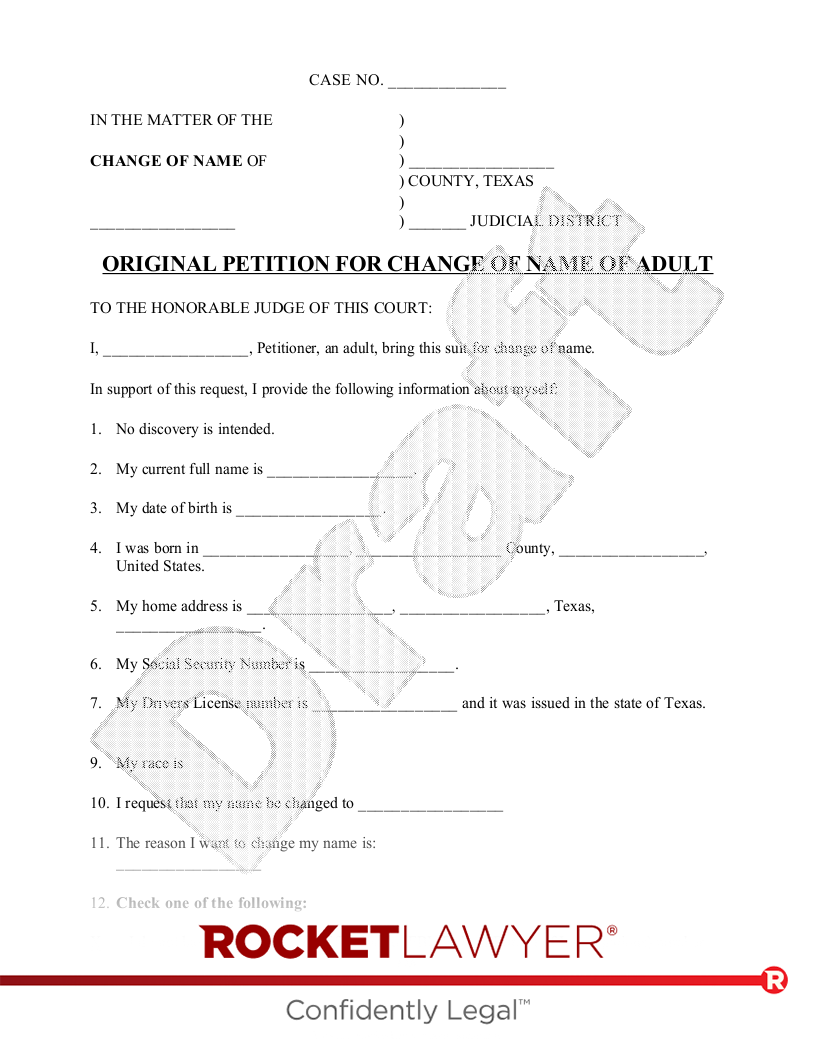
The more places you need to update your name, the more certified copies of the court order you will require. While the per-copy fee is nominal, accumulating several can add up. It’s best to anticipate where you’ll need these documents and order a few extra from the outset.
Budgeting for Your Texas Name Change
To provide a clearer picture, let’s consider a hypothetical budget for a standard, independent adult name change in Texas:
- Court Filing Fees: $300 (average)
- Newspaper Publication: $150 (average)
- Certified Copies (5-10): $50
- Miscellaneous (copying, postage, etc.): $25
Estimated Total (DIY): $525
If you choose to hire an attorney for a straightforward case:
- Attorney Fees: $500 – $1,500 (highly variable)
- Court Filing Fees: $300
- Newspaper Publication: $150
- Certified Copies (5-10): $50
- Miscellaneous: $25
Estimated Total (with Attorney): $1,025 – $2,025+
These are estimates, and actual costs can be higher or lower. It’s crucial to research the specific fees in your county and obtain quotes from newspapers.
Updating Your Identity Post-Change
Once you have your court order in hand, the journey isn’t over. You’ll need to systematically update your legal identity. This is where the cost of certified copies becomes essential, and the effort involved can feel like planning a multi-destination trip.
Social Security Administration
The first and most critical step is to update your name with the Social Security Administration (SSA). You will need to complete an Application for a Social Security Card (Form SS-5) and submit it with your original or certified copy of the court order and proof of identity (such as your driver’s license or passport). There is no fee for this service.
Department of Public Safety (DPS)
Next, you’ll need to update your Texas driver’s license or identification card. Visit a Texas Department of Public Safety office with your certified name change order, your current license/ID, and proof of your new name. There will be a fee for a replacement license or ID, typically around $10-$15.
U.S. Passport Agency
If you have a U.S. passport, you’ll need to update it. The process and fees depend on whether your passport is still valid and how recently it was issued. You can find detailed instructions and fee information on the U.S. Department of State’s website.

Other Institutions
Beyond these primary agencies, you’ll need to contact numerous other entities:
- Banks and Credit Unions: Update your accounts, debit cards, and checks.
- Employers: Inform your HR department for payroll and benefits.
- Landlords/Mortgage Companies: Update property records.
- Insurance Providers: For auto, home, health, and life insurance.
- Voter Registration: Update your registration with your local county election office.
- Schools and Universities: Update academic records.
- Professional Licenses: If applicable.
- Retirement Accounts and Investment Firms.
Each of these updates may require a certified copy of your name change order and potentially fill out new forms. While these steps don’t always involve direct fees, they require significant time and organization.
Changing your name in Texas is a legal process with associated costs. By understanding the breakdown of court fees, publication expenses, and potential additional charges, and by diligently updating your identification and records, you can navigate this important life change with clarity and confidence.
LifeOutOfTheBox is a participant in the Amazon Services LLC Associates Program, an affiliate advertising program designed to provide a means for sites to earn advertising fees by advertising and linking to Amazon.com. Amazon, the Amazon logo, AmazonSupply, and the AmazonSupply logo are trademarks of Amazon.com, Inc. or its affiliates. As an Amazon Associate we earn affiliate commissions from qualifying purchases.